
Few songs capture the spirit of American travel, the romance of the open road – or, in this case, the open rails – and the poignant beauty of human connection quite like “The City of New Orleans.” Its evocative lyrics paint vivid pictures of a southbound train journey, a microcosm of life unfolding against a changing landscape, from the bustling heart of Chicago to the vibrant soul of New Orleans. For decades, its melody has resonated with listeners, becoming a staple of folk, country, and pop music, performed by an array of legendary artists. Yet, despite its widespread fame, the original authorship often remains a mystery to many who hum its timeless tune. The story of who penned this iconic piece of Americana is as compelling as the journey it describes, a tale interwoven with personal struggle, artistic genius, and a profound appreciation for the less-traveled paths of life.
This article delves into the fascinating origin of “The City of New Orleans,” unraveling the identity of its gifted creator and exploring how this song transcends its musical notes to become a cultural landmark. We’ll journey through the inspiration behind its lyrics, trace its rise to global recognition, and ultimately, connect its enduring narrative to the very essence of travel, tourism, and the unique allure of the Crescent City itself. Whether you’re a music enthusiast, a history buff, or a seasoned traveler looking for your next adventure, understanding the genesis of this song offers a deeper appreciation for the destinations and experiences it so beautifully portrays.
The Melancholy Maestro Behind the Masterpiece
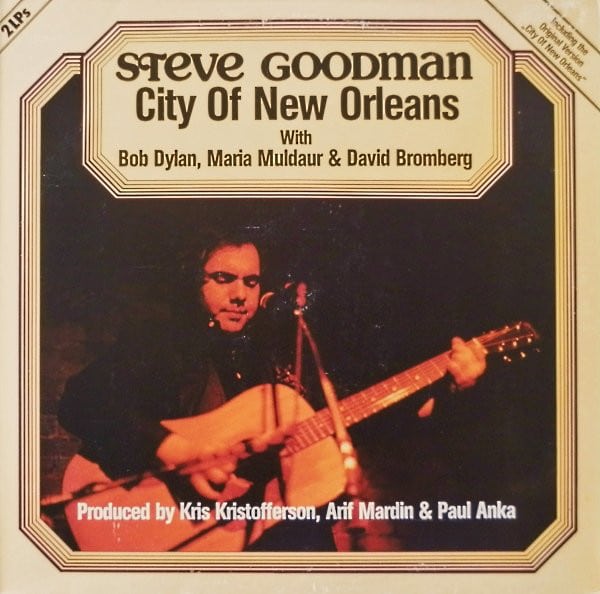
The answer to the question “Who wrote ‘The City of New Orleans’ song?” leads us to a name that, while perhaps not as universally recognized as some of the superstars who performed his work, holds an undeniable place in the pantheon of American songwriters: Steve Goodman. Born in Chicago in 1948, Goodman was a prolific and exceptionally talented folk singer-songwriter whose career, tragically, was cut short but whose legacy shines brightly through his compositions. His ability to craft narratives, imbued with both humor and heartfelt emotion, set him apart. He possessed a keen observational eye, a lyrical dexterity, and a melodic sensibility that allowed him to turn everyday experiences into unforgettable songs.
Goodman was an artist deeply rooted in the folk tradition, drawing inspiration from the stories of ordinary people and the landscapes of the American Midwest. He often performed in intimate clubs, cultivating a loyal following with his engaging stage presence and powerful storytelling. While he wrote many beloved songs, it was “The City of New Orleans” that would become his most famous contribution to the global music landscape, cementing his place as a master craftsman of song.
Steve Goodman: A Life Interrupted, A Legacy Immortalized
Steve Goodman’s life was marked by an extraordinary talent coupled with a profound challenge: he was diagnosed with leukemia in his early twenties, a battle he would fight for 16 years until his passing in 1984 at the age of 36. This ever-present shadow of mortality undoubtedly influenced his perspective, imbuing his music with a particular poignancy and an urgent appreciation for life’s fleeting moments. “The City of New Orleans” was written in 1971, during a period when Goodman was already aware of his condition. This context lends a deeper layer to the song’s themes of transience, the passing of time, and the quiet dignity of those often overlooked.
The inspiration for the song reportedly came from a genuine experience. Goodman was on a train journey from Chicago to New Orleans with his wife, and as he looked out the window, observing the diverse passengers and the changing scenery, the narrative began to form. He reportedly tried to sleep but found himself too captivated by the rhythm of the train and the stories unfolding around him. The conductor, sensing his interest, encouraged him to write a song about it, even offering him a beer. This authentic experience, combined with Goodman’s unique poetic vision, gave birth to a song that felt both deeply personal and universally resonant. It’s a testament to his genius that he could distill such an ordinary journey into an extraordinary piece of art. He truly captured the essence of American train travel, a mode of exploration that connects people and places across vast distances, offering a unique perspective on the country’s diverse tapestry.
A Journey Through Sound: The Song’s Narrative and Impact
“The City of New Orleans” is more than just a song; it’s a meticulously crafted travelogue set to music. Its lyrics don’t just tell a story; they immerse the listener in an experience, inviting them to become a passenger on this southbound journey. Goodman’s genius lay in his ability to create such vivid imagery with simple, yet profound, language. The song begins by introducing the iconic train itself, “Good morning, America, how are you? Say, don’t you know me? I’m your native son. I’m the train they call ‘The City of New Orleans,’ I’ll be gone five hundred miles when the day is done.” This personification immediately establishes the train as a character, a vital artery connecting the nation.
Riding the Rails: A Timeless Travelogue
The lyrics then take us inside the train, introducing a cast of characters that represent a cross-section of American life: “Good morning, America, how are you? I said don’t you know me? I’m your native son. I’m the train they call ‘The City of New Orleans,’ I’ll be gone five hundred miles when the day is done.” We meet gamblers, tired mothers with sleeping children, and the porters working tirelessly. Each stanza paints a picture of fleeting connections and shared humanity, highlighting the camaraderie and solitude found within the confines of a long-distance journey. This narrative beautifully captures the essence of travel, not just as a means to reach a destination, but as an experience in itself – one filled with observation, introspection, and unexpected encounters.

As the train travels from the “fields of Illinois” through “the southland” at night, Goodman captures the changing landscapes and the feeling of time slipping by. He laments the decline of passenger rail travel, a subtle nod to the changing face of American transportation, where planes and cars were beginning to eclipse the romance of the train. This commentary adds a layer of nostalgia, connecting to themes of historical preservation and the value of unique travel experiences, which is a core tenet of modern tourism. The song serves as a reminder of an era when train journeys were grand adventures, offering a slower, more immersive way to discover the country. It inspires a sense of wanderlust, encouraging listeners to seek out similar journeys, perhaps on Amtrak’s contemporary City of New Orleans route, to experience a piece of that bygone era.
From Folk Roots to Global Phenomenon: The Song’s Evolution
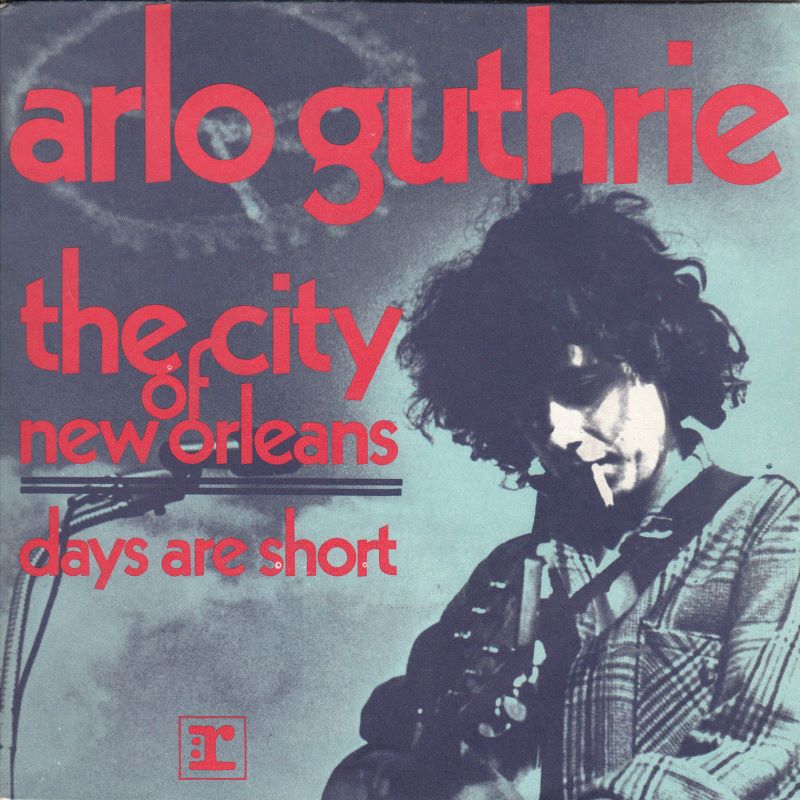
While Steve Goodman wrote “The City of New Orleans” and recorded his own version, it was another folk legend, Arlo Guthrie, who propelled the song to national and international fame. Guthrie heard Goodman perform the song at a club in Chicago and was so impressed that he insisted on recording it. Guthrie’s 1972 rendition became a major hit, reaching number 18 on the Billboard Hot 100 chart and earning Goodman a posthumous Grammy Award for Best Country Song in 1985, after Willie Nelson’s 1984 cover also became a massive success.
The song’s universal themes of travel, connection, and the bittersweet passage of time resonated with audiences across various genres. Following Guthrie’s success, “The City of New Orleans” was covered by an astonishing array of artists, each putting their unique stamp on the track. Willie Nelson’s version, in particular, introduced the song to a new generation of country music fans and became a chart-topping single, earning him a Grammy Award nomination. Other notable covers include those by Johnny Cash, Judy Collins, John Denver, and even international artists, showcasing its remarkable cross-cultural appeal. Each cover deepened the song’s imprint on popular culture, making it a truly global phenomenon. Its enduring popularity speaks to the power of Goodman’s original composition and its ability to connect with people from all walks of life, regardless of their musical preferences.
The Soul of a City: New Orleans Beyond the Song
The song “The City of New Orleans” not only celebrates train travel but also implicitly pays homage to its namesake destination. New Orleans itself is a city unlike any other in America, a vibrant tapestry woven from centuries of diverse cultures, rich history, and an unparalleled zest for life. It’s a place where every street corner tells a story, every meal is a celebration, and music truly is the heartbeat of the city. For any traveler, New Orleans offers an immersive experience that stimulates all the senses, making it a top-tier destination for those seeking authentic cultural encounters.
Experiencing the Crescent City’s Charm
When you arrive in New Orleans, whether by train, plane, or car, you step into a world steeped in history and vibrant traditions. The iconic French Quarter, with its wrought-iron balconies, gas lamps, and colorful colonial architecture, is a UNESCO World Heritage Site and a must-see landmark. Here, you can wander through historic streets, listen to live jazz pouring from every doorway on Bourbon Street, and savor the unique flavors of Creole and Cajun cuisine. From beignets at Café Du Monde to gumbo and jambalaya, the food scene is an attraction in itself, reflecting the city’s diverse culinary heritage.
Beyond the French Quarter, the elegant Garden District beckons with its stately mansions and lush gardens, offering a glimpse into the city’s opulent past. A streetcar ride provides a charming way to explore this area, akin to the old-world travel evoked by Goodman’s song. A cruise on the Mississippi River on a steamboat harkens back to the heyday of riverboat commerce and offers stunning views of the city skyline. For those interested in history, the numerous museums, historic homes, and even cemetery tours provide a deep dive into New Orleans’ complex and fascinating narrative. The city’s lively calendar of festivals, most notably Mardi Gras, showcases its unparalleled spirit of celebration and community, drawing millions of tourists annually. This blend of history, culture, and vivacious energy makes New Orleans an unforgettable destination for all types of travelers.
Planning Your New Orleans Adventure
For those inspired by the song to experience New Orleans firsthand, planning your trip involves considering various aspects of travel and accommodation. The best time to visit is typically from February to May, when the weather is mild and the city is buzzing with spring festivals, though Mardi Gras (late winter/early spring) attracts massive crowds and requires booking well in advance. Fall is also a pleasant time, with cooler temperatures. Summers can be hot and humid, but offer fewer crowds and often better deals on hotels.
When it comes to accommodation, New Orleans offers a vast array of options to suit every lifestyle and budget. From luxurious boutique hotels like The Roosevelt New Orleans, A Waldorf Astoria Hotel or Hotel Monteleone in the heart of the French Quarter, offering opulent suites and world-class amenities, to charming guesthouses and budget-friendly apartments in surrounding neighborhoods, there’s something for everyone. Many visitors opt for hotels near popular attractions for convenience, while others prefer the local charm of bed and breakfasts in areas like Faubourg Marigny or the Bywater. Booking in advance, especially during peak season or festivals, is highly recommended to secure the best rates and availability. Online booking platforms provide comparison tools and reviews to help you find the perfect stay, whether you’re looking for a romantic getaway, a family-friendly resort, or a long-term apartment rental.
Transportation within the city is easy, with streetcars, buses, and ride-sharing services widely available. For those wishing to truly embody the spirit of the song, traveling to New Orleans via Amtrak’s City of New Orleans train route from Chicago remains a viable and wonderfully nostalgic option. This allows travelers to experience firsthand the journey that inspired Steve Goodman, offering scenic views and a unique perspective on the American landscape, truly connecting the travel experience with the very art that immortalized it. This blend of historical tribute and contemporary convenience provides an exceptional travel experience, enriching your understanding of both the song and the destination.
In conclusion, “The City of New Orleans” is far more than just a melody; it’s a testament to the power of observation, the beauty of human connection, and the enduring allure of travel. Steve Goodman’s lyrical genius created a masterpiece that continues to inspire wanderlust and a deep appreciation for the journeys we undertake, whether across the country by rail or through the vibrant streets of New Orleans. His song reminds us that sometimes, the most profound adventures are found not just at the destination, but in the journey itself, in the stories shared and the landscapes witnessed along the way.
LifeOutOfTheBox is a participant in the Amazon Services LLC Associates Program, an affiliate advertising program designed to provide a means for sites to earn advertising fees by advertising and linking to Amazon.com. Amazon, the Amazon logo, AmazonSupply, and the AmazonSupply logo are trademarks of Amazon.com, Inc. or its affiliates. As an Amazon Associate we earn affiliate commissions from qualifying purchases.