
The captivating Grand Canyon State, Arizona, is far more than just a picturesque landscape of red rocks and saguaros. It’s a vibrant, growing state that draws millions of visitors annually, all eager to experience its unique blend of natural wonders, rich history, and modern amenities. Understanding the demographics of Arizona not only provides a quantitative answer to “how many people live here?” but also offers profound insights into its culture, economy, and the dynamic tourism landscape that makes it such an attractive travel destination. As of late 2023 to early 2024 estimates, Arizona’s population hovers around 7.4 million people, a figure that continues to climb steadily. This robust population underpins a diverse range of experiences, from bustling urban centers offering luxury accommodation and world-class dining to tranquil desert retreats and historic towns steeped in Native American and Old West lore.

For anyone planning a trip, considering a long-term stay, or simply curious about the lifestyle in this Southwestern gem, the population data is crucial. It reflects the scale of infrastructure, the variety of local culture, the demand for hotels and resorts, and the availability of unique activities. A larger, more diverse population often translates into a richer tapestry of local food, arts, and community events, enhancing the tourism experience significantly. From the sprawling metropolis of Phoenix to the artsy enclaves of Sedona and the historic charm of Tucson, each area offers a distinct flavor, influenced by the people who call it home. This article delves into Arizona’s population, exploring its distribution, the impact on travel and tourism, and highlighting some of the incredible destinations and accommodations that make it a truly unforgettable place to visit.
Arizona’s Dynamic Demography: A Snapshot
Arizona’s population growth has been one of the fastest in the United States for several decades, driven by a combination of factors including a desirable climate, economic opportunities, and the allure of its natural beauty. This continuous influx of residents contributes significantly to the state’s ever-evolving character and its capacity to cater to a global audience of travelers.
Current Population Figures and Growth Trends
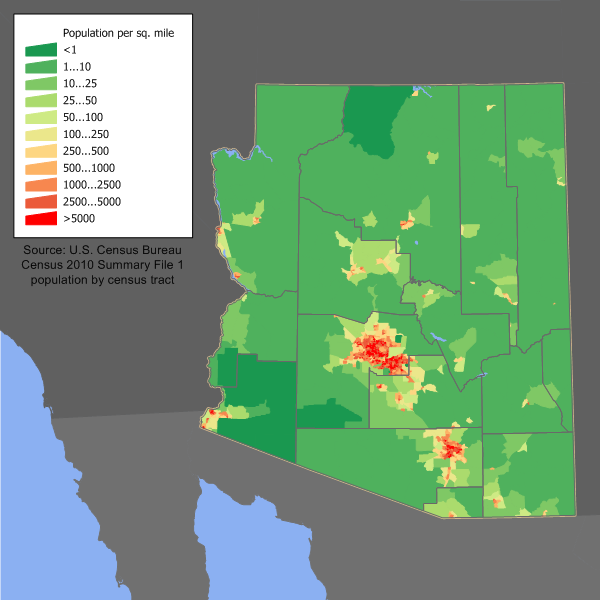
With an estimated population of approximately 7.4 million, Arizona stands as one of the most populous states in the Mountain West region. This number represents a substantial increase from previous decades, a trend that is projected to continue. The growth is fueled by both domestic migration, particularly from states like California seeking more affordable living and a different pace of life, and international migration. The majority of residents are concentrated in the state’s two major metropolitan areas: the Phoenix metropolitan area (often referred to as the Valley of the Sun) and the Tucson metropolitan area.
This concentration of people in urban centers allows vast stretches of the state to remain pristine and relatively undeveloped, preserving the stunning natural landscapes that are a major draw for tourism. However, even in these less populated areas, small towns and communities thrive, often serving as gateways to national parks, forests, and other outdoor attractions. The growth also signifies a robust economy, with expanding industries like technology, healthcare, and manufacturing, which in turn supports a burgeoning tourism sector through increased infrastructure and services. The demand for diverse accommodation, from luxury resorts to budget-friendly hotels and long-term stay apartments, directly correlates with this population expansion and the associated increase in business and leisure travel.
Key Demographic Features
The people of Arizona are incredibly diverse, contributing to a rich cultural tapestry that enriches the travel experience. The state boasts a significant Hispanic/Latino population, alongside a substantial Native American population, including numerous sovereign tribal nations with their own unique cultures, histories, and traditions. This multicultural fabric is evident in the state’s cuisine, art, music, and festivals, offering visitors authentic experiences beyond typical tourist traps.
The age demographic is also varied, with a large proportion of retirees drawn to the state’s warm climate, particularly during the winter months, alongside a growing younger population in urban centers driven by economic opportunities and a vibrant lifestyle. This blend ensures that Arizona caters to a wide array of interests: from accessible attractions and comfortable resorts for older travelers to adventurous outdoor activities and bustling nightlife for younger visitors. Family trips are also well-supported, with a plethora of family-friendly resorts, theme parks, and educational landmarks. Understanding these demographic nuances helps travelers appreciate the authentic local culture and find experiences that resonate with their personal preferences, whether seeking luxury travel, budget-conscious adventures, or immersive cultural tourism.
Urban Hubs and Their Allure for Visitors
The vast majority of Arizona’s population resides in its major cities, which serve as vibrant centers for culture, commerce, and, crucially, tourism. These urban hubs offer an extensive array of hotels, dining, entertainment, and gateways to the state’s iconic natural landmarks.
Phoenix: The Heart of the Grand Canyon State
As the state capital and by far its largest city, Phoenix is home to over 1.6 million people, with the wider metropolitan area exceeding 5 million. This sprawling desert metropolis is a beacon of modern Southwestern living, offering an unparalleled selection of hotels and resorts. Luxury travelers can indulge in the opulent amenities of establishments like the Arizona Biltmore, A Waldorf Astoria Resort, an architectural masterpiece, or The Phoenician, a Luxury Collection Resort, Scottsdale, renowned for its world-class golf courses and spa services. Beyond the high-end, Phoenix provides diverse accommodation options ranging from boutique hotels in downtown to extended-stay apartments ideal for business travelers or long-term visitors.
The city is a hub for travel, serving as a convenient base for exploring attractions like the Desert Botanical Garden, where visitors can marvel at the unique flora of the Sonoran Desert, or the Heard Museum, which showcases profound Native American art and culture. For outdoor enthusiasts, Camelback Mountain and South Mountain Park and Preserve offer challenging hikes with panoramic views. The culinary scene in Phoenix is equally impressive, with a farm-to-table movement, award-winning Southwestern cuisine, and a plethora of international dining options. The city’s continuous growth ensures a dynamic lifestyle, with new attractions and experiences emerging regularly, cementing its status as a premier destination for both short visits and longer stays.
Tucson: A Blend of Culture and Nature
Located about two hours south of Phoenix, Tucson is Arizona’s second-largest city, with a population of over 540,000 within its city limits and over a million in its metropolitan area. Tucson offers a distinctly different vibe from Phoenix, characterized by its rich Spanish colonial and Native American heritage, vibrant arts scene, and close proximity to stunning natural landscapes. It is a UNESCO City of Gastronomy, a testament to its unique culinary traditions that blend indigenous ingredients with Mexican influences.
Accommodation in Tucson ranges from historic inns in the Presidio Historic District to luxurious resorts nestled in the foothills, such as The Ritz-Carlton, Dove Mountain, offering breathtaking desert views and world-class amenities. Key attractions include Saguaro National Park, where visitors can hike among towering saguaro cacti, and the historic San Xavier del Bac Mission, a stunning example of Spanish colonial architecture. The city’s thriving arts community supports numerous galleries and museums, and annual events like the Tucson Gem & Mineral Show draw international crowds. For those seeking adventure, nearby Sabino Canyon offers excellent hiking and tram tours, while Kartchner Caverns State Park provides an unforgettable underground experience. Tucson’s population ensures a lively local culture, making it an ideal destination for cultural tourism and outdoor exploration.

Scottsdale and Beyond: Upscale Living and Desert Adventures
Adjacent to Phoenix, Scottsdale is known for its upscale lifestyle, luxurious resorts, and vibrant nightlife. With a population of over 240,000, Scottsdale caters to a demographic seeking refined experiences, from championship golf courses to high-end shopping in Old Town Scottsdale. Resorts like the Four Seasons Resort Scottsdale at Troon North and the Westin Kierland Resort & Spa offer impeccable service and stunning desert backdrops, making them perfect for luxury travel, romantic getaways, or business stays. The city also hosts numerous events, including the Scottsdale Arts Festival and various culinary festivals, reflecting its dynamic cultural scene.
Beyond these major cities, other growing communities like Mesa, Chandler, Gilbert, Glendale, and Tempe (home to Arizona State University) offer their own unique attractions, from family-friendly entertainment to burgeoning food scenes. Tempe, for example, is famous for Mill Avenue’s lively atmosphere and Tempe Town Lake’s recreational activities, while Mesa boasts cultural institutions and family attractions. Further north, Flagstaff, with its cooler climate and proximity to the Grand Canyon and ski resorts, offers a different kind of Arizona experience, appealing to those seeking mountain adventures. The distribution of Arizona’s population across these diverse urban and semi-urban centers ensures that no matter a traveler’s preference – be it a bustling city break, a tranquil desert retreat, or an adventurous mountain escape – there’s an ideal destination awaiting.
The Impact of Population on Arizona’s Travel and Tourism Landscape
The substantial and growing population of Arizona is not merely a statistical fact; it is a fundamental driver shaping the state’s travel and tourism sector. This demographic vigor directly influences the infrastructure, range of services, and the diverse experiences available to visitors.
Supporting Infrastructure and Services
A large resident population necessitates and sustains robust infrastructure, which directly benefits tourists. This includes a comprehensive network of roads and highways, efficient public transportation systems in urban areas, and well-maintained airports like Phoenix Sky Harbor International Airport and Tucson International Airport, which serve as crucial gateways for millions of travelers. The demand generated by residents also supports a vibrant hospitality industry, from countless hotels and resorts of all star ratings to a thriving restaurant scene that offers everything from casual diners to Michelin-starred establishments. This means travelers have a vast array of accommodation options and dining experiences to choose from, often at competitive price points due to local demand.
Furthermore, a significant population base ensures a steady workforce for the tourism sector, from hotel staff and tour guides to culinary professionals and retail associates. This human capital is vital for delivering high-quality service and ensuring a pleasant experience for visitors. The continuous development in urban and growing suburban areas, driven by population expansion, also leads to new attractions, entertainment venues, and cultural institutions, constantly refreshing the tourism offerings and providing more reasons for people to visit and explore. This symbiotic relationship between population growth and tourism infrastructure creates a dynamic environment that caters effectively to both residents’ needs and visitors’ desires for exceptional travel experiences.
Diverse Experiences for Every Traveler
The demographic diversity of Arizona‘s 7.4 million residents profoundly shapes the array of lifestyle and tourism options available. The blend of cultures, ages, and socio-economic backgrounds fosters a dynamic environment where everything from luxury travel to budget-friendly adventures can be found. For instance, the large retiree community has led to the development of world-class golf courses, spas, and accessible cultural events, appealing to those seeking relaxation and refined leisure. Conversely, the younger, growing population in cities like Tempe and Phoenix fuels a vibrant nightlife, modern art scenes, and adventure sports opportunities.
The strong Native American and Hispanic influences are evident in cultural festivals, authentic cuisine, and artisan markets, offering unique opportunities for cultural tourism. Visitors can explore tribal lands, visit historical missions like San Xavier del Bac Mission, or sample traditional Southwestern dishes. This cultural richness ensures that travelers can engage with local life beyond generic tourist attractions. Moreover, the presence of families across the state supports a robust segment of family trips, with numerous family-friendly resorts, educational museums, and outdoor activities tailored for all ages. Whether a traveler is looking for a luxurious resort stay, an immersive cultural experience, an adventurous outdoor expedition, or a budget-conscious trip, Arizona’s diverse population ensures that there’s a myriad of options to suit every preference and lifestyle.
Exploring Arizona’s Iconic Landmarks and Natural Wonders
While people are the heartbeat of Arizona’s cities, it’s the state’s unparalleled natural beauty and iconic landmarks that truly make it a global destination. The presence of a large population ensures that these wonders are accessible, well-preserved, and supported by a robust tourism industry.
The Grand Canyon: A Global Magnet
Undoubtedly Arizona’s most famous landmark, the Grand Canyon attracts millions of visitors from around the world each year. While it’s largely unpopulated itself, the surrounding communities and the state’s overall population play a crucial role in supporting the infrastructure necessary for such a massive influx of tourism. Nearby towns like Flagstaff and Williams serve as essential gateways, offering hotels, restaurants, and tour operators that facilitate visits to the Grand Canyon. The diverse population of tour guides, park rangers, and hospitality workers ensures that visitors have a safe, informative, and memorable experience. The sheer scale of the Grand Canyon is awe-inspiring, a testament to geological time, and its continued popularity is a cornerstone of Arizona’s identity as a premier travel destination.
Other Must-See Natural Attractions
Beyond the Grand Canyon, Arizona is home to a wealth of other natural wonders, each contributing to the state’s allure. Antelope Canyon, a stunning slot canyon near Page, offers breathtaking photo opportunities with its flowing, sculptured sandstone walls. Visits are often guided by members of the Navajo Nation, providing an authentic cultural experience alongside natural beauty. Further east, Monument Valley, another iconic Navajo Nation tribal park, showcases dramatic sandstone buttes that have graced countless films.
For those interested in ancient history, Petrified Forest National Park offers a landscape scattered with fossilized wood and the colorful badlands of the Painted Desert. In the western part of the state, Lake Havasu City, famous for relocating the original London Bridge from England, is a popular destination for water sports and outdoor recreation, particularly for snowbirds escaping colder climates. Even human-made marvels like the Hoover Dam on the border with Nevada, though technically not fully in Arizona, draws countless tourists who often combine it with their Arizona adventures. And for history buffs, segments of historic Route 66 still wind through northern Arizona, preserving the nostalgia of cross-country road trips. The density of Arizona’s population, particularly in its urban centers, provides the logistical support—from tour operators to rental car services and diverse accommodations—that makes exploring these magnificent and often remote landmarks feasible and enjoyable for every kind of traveler.
In conclusion, the answer to “How many people live in the State of Arizona?”—approximately 7.4 million and growing—is more than just a number. It’s a key indicator of a dynamic, diverse, and vibrant state that continually enriches its offerings for both residents and visitors. This thriving population fuels the state’s economic growth, supports an extensive hospitality sector with a wide range of hotels and accommodation options, fosters a rich tapestry of local culture and lifestyle choices, and ensures that its iconic natural landmarks are both accessible and well-preserved. Whether you’re seeking the luxury resorts of Scottsdale, the cultural depth of Tucson, the bustling energy of Phoenix, or the awe-inspiring beauty of the Grand Canyon, Arizona’s people are integral to crafting an unforgettable travel experience. From family trips to budget-conscious adventures and opulent getaways, the Grand Canyon State offers a warm welcome and an abundance of opportunities for exploration and discovery, all shaped by the millions who call this remarkable place home.
LifeOutOfTheBox is a participant in the Amazon Services LLC Associates Program, an affiliate advertising program designed to provide a means for sites to earn advertising fees by advertising and linking to Amazon.com. Amazon, the Amazon logo, AmazonSupply, and the AmazonSupply logo are trademarks of Amazon.com, Inc. or its affiliates. As an Amazon Associate we earn affiliate commissions from qualifying purchases.