
Planning a trip to the sunny landscapes of Arizona promises breathtaking scenery, vibrant cities, and unforgettable experiences. From the majestic Grand Canyon National Park to the bustling urban centers of Phoenix and Scottsdale, the state offers a diverse array of attractions for every type of traveler. However, as with any travel destination, understanding the local tax structure is a crucial aspect of responsible budgeting, especially when it comes to the cost of your accommodation, dining, activities, and souvenirs. In Arizona, what most people refer to as “sales tax” is actually known as Transaction Privilege Tax (TPT). While it functions similarly to a sales tax from a consumer’s perspective, it has distinct characteristics that are important for visitors to grasp.
This comprehensive guide will demystify Arizona’s TPT, outlining how it impacts various aspects of your travel budget. We’ll delve into the state’s tax rates, explain the crucial differences between state, county, and city levies, and provide practical insights on how these taxes apply to everything from your luxury resort stay to a casual meal in Sedona. Whether you’re planning a lavish escape, a budget-friendly adventure, a family vacation, or a business trip, having a clear understanding of Arizona’s sales tax will help you manage your finances effectively and avoid any unwelcome surprises, ensuring a smoother and more enjoyable journey through the Grand Canyon State.
Understanding Arizona’s Sales Tax System for Travelers
For visitors to Arizona, the concept of “sales tax” might seem straightforward, but the state employs a unique system called the Transaction Privilege Tax (TPT). While it largely functions like a sales tax for consumers—meaning you pay an additional percentage on goods and services—it’s technically a tax on the vendor for the privilege of doing business in the state. This distinction primarily affects businesses, but understanding its structure helps travelers appreciate why rates can vary so significantly across different locations and types of purchases.
The total tax you pay on most purchases is a combination of state, county, and city TPT rates. This multi-layered approach means that the final percentage added to your bill can fluctuate depending on where you are in Arizona and what you’re buying. For example, a souvenir purchased in Flagstaff will likely carry a different combined tax rate than the same item bought in Tucson, and your hotel stay will typically incur additional lodging-specific taxes. Factoring these variables into your travel budget is essential for an accurate financial plan.
The Basics: Arizona’s Transaction Privilege Tax (TPT)
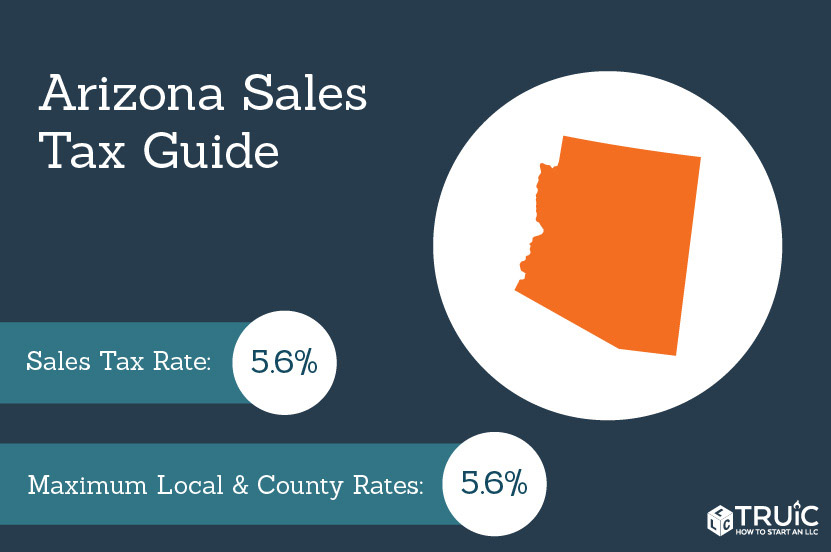
At the heart of Arizona’s tax structure for most consumer goods and services is the state-level Transaction Privilege Tax (TPT). The current statewide TPT rate is 5.6%. This is the foundational layer of taxation that applies to a vast majority of transactions, including retail sales, restaurant meals, hotel stays, and various services. Unlike a traditional sales tax which is levied directly on the buyer, TPT is levied on the seller for the privilege of engaging in certain business activities within Arizona. However, businesses typically pass this cost on to the consumer, making it appear and function very much like a sales tax from the customer’s perspective.
For travelers, this 5.6% state rate is your baseline. When you see an advertised price for a gift, a meal, or a tour, remember that this percentage will be added to the total. It’s crucial for budgeting, especially when considering the cumulative effect across multiple purchases throughout your trip. For instance, if you’re exploring the shops in Old Town Scottsdale or picking up handcrafted items near Sedona’s famous red rocks, that 5.6% state tax will be a consistent factor. While it might seem like a small percentage on individual items, it adds up over the course of a vacation, making it vital to account for in your financial planning.
Beyond the State: Local Taxes and Their Impact
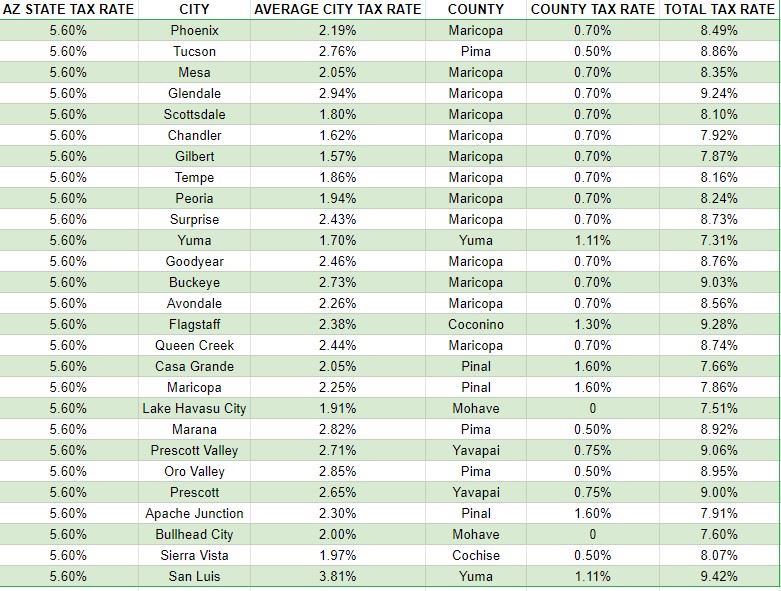
While the state TPT rate provides a foundation, the real complexity—and variation—in Arizona’s tax system comes from the added county and city taxes. Every county in Arizona can levy its own TPT, and most cities also impose their own municipal TPT. This means that the combined “sales tax” rate you pay can differ significantly from one city to another, and sometimes even within different areas of the same metropolitan region.
For example, beyond the state’s 5.6% TPT, Maricopa County (where Phoenix and Scottsdale are located) adds an additional county tax, typically 0.7%. Then, individual cities within Maricopa County will add their own city TPT. Phoenix might have a city TPT rate of 2.3%, bringing the combined rate for many retail purchases to 8.6% (5.6% state + 0.7% county + 2.3% city). Scottsdale, on the other hand, might have a city TPT of 1.75%, resulting in a combined rate of 8.05% (5.6% state + 0.7% county + 1.75% city).
These variations become even more pronounced in other parts of the state. For instance, Tucson (in Pima County) might have a different combined rate, as would Sedona (which spans parts of Yavapai County and Coconino County) or Flagstaff (also in Coconino County). These local taxes are crucial for funding local services and infrastructure, which in turn enhance the visitor experience through well-maintained attractions, efficient public services, and vibrant communities.
The practical implication for travelers is to always be aware that the price you see for goods or services will have these layers of tax added on at checkout. This is especially vital when making large purchases or when budgeting for accommodation. It’s always a good practice to inquire about the total price, including all applicable taxes, when booking tours, making reservations, or planning significant expenses. A quick online search for “sales tax in Phoenix” or “sales tax in Sedona” before your trip can provide current, city-specific rates, helping you budget with greater accuracy.
Where Sales Tax Applies to Your Arizona Trip
Understanding the general mechanics of Arizona’s Transaction Privilege Tax is just the first step. The next crucial aspect for travelers is to identify exactly where and how these taxes will impact their specific purchases during a trip. From the moment you check into your hotel to the last souvenir you buy, TPT—along with additional specialized taxes—will likely be a part of your financial landscape. Being informed about these applications can help prevent sticker shock and ensure you’ve allocated sufficient funds for your entire Arizona adventure.
The reach of Arizona’s tax system extends across nearly all categories of tourist spending. Whether you’re indulging in gourmet dining at a Scottsdale resort, exploring the natural wonders of Antelope Canyon, or renting a car to traverse the scenic highways, you can expect a tax component. This section will break down the most common areas where travelers will encounter TPT and other associated taxes, providing clarity on how to factor them into your budget.
Accommodation Costs: Hotels, Resorts, and Rentals
One of the largest components of any travel budget is accommodation, and in Arizona, this is where taxes can add a significant amount to your bill. Stays at hotels, resorts, motels, and even many short-term vacation rentals are subject to the statewide TPT, county TPT, and city TPT. For example, a stay at the luxurious Hyatt Regency Scottsdale Resort & Spa at Gainey Ranch or the serene Enchantment Resort in Sedona will reflect these combined TPT rates.
Beyond the standard TPT, many Arizona cities levy additional “bed taxes” or “occupancy taxes.” These are specific taxes imposed on transient lodging and are often used to fund local tourism marketing and convention bureaus. These lodging-specific taxes can push the total tax rate on a hotel room significantly higher than the standard retail sales tax rate. For example, in Phoenix, in addition to the combined state, county, and city TPT, there’s an additional hotel excise tax, bringing the total tax rate on a hotel room to over 12.5% in some cases. Scottsdale also has its own city-specific lodging tax, as do other popular destinations like Tucson, Mesa, and Flagstaff.
When booking your accommodation, it’s vital to check the total price, including all taxes and resort fees, before confirming your reservation. Websites and booking platforms usually display these breakdowns, but sometimes the “taxes and fees” section can be vague. Don’t hesitate to contact the hotel directly or scrutinize the booking details to understand the full cost per night. This is particularly important for longer stays, as the cumulative impact of these taxes can significantly increase your overall lodging expenses. Budgeting for these additional costs will ensure your stay at splendid properties like The Phoenician, a Luxury Collection Resort, Scottsdale or L’Auberge de Sedona remains a delight, free from financial surprises.
Dining and Entertainment: Food, Activities, and Attractions
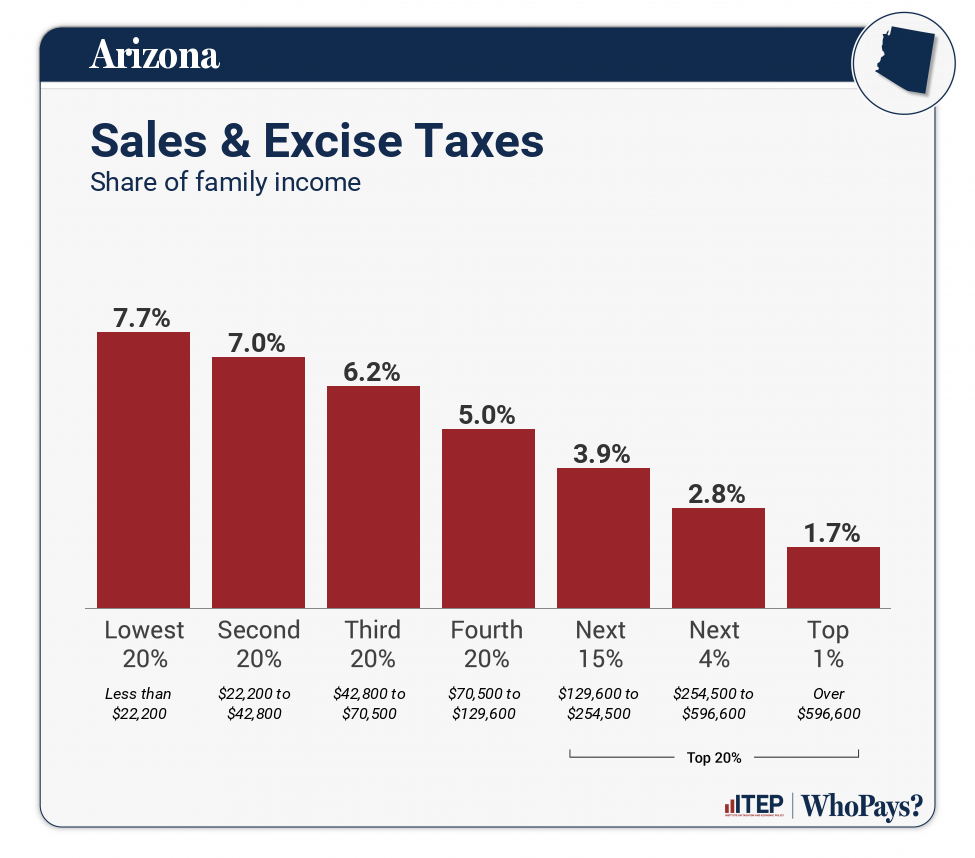
Dining out is an integral part of the travel experience, allowing you to savor local flavors and regional cuisine. In Arizona, meals purchased at restaurants, cafes, bars, and even takeout establishments are subject to the combined state, county, and city TPT rates. Whether you’re enjoying a gourmet meal at a high-end restaurant in Paradise Valley, grabbing a casual lunch near the Desert Botanical Garden, or sipping on craft beers in Downtown Phoenix, expect to see this tax added to your food and beverage bill. While groceries purchased for home consumption are generally exempt from state TPT, prepared foods sold in restaurants are fully taxable.
Beyond dining, your entertainment and activity costs will also typically include TPT. This applies to a wide range of tourist-centric expenditures:
- Entry Fees: Whether you’re visiting the Heard Museum, exploring Taliesin West, or enjoying an outdoor concert, admission tickets often include TPT.
- Tours and Excursions: Guided tours of the Grand Canyon, hot air balloon rides over Scottsdale, jeep tours in Sedona, or boat rentals on Lake Powell will all have TPT applied to their prices.
- Retail Purchases: Shopping for souvenirs, clothing, art, or any other merchandise is subject to the combined state, county, and city TPT rates. From boutiques in Kierland Commons to local artisan markets, anticipate these taxes.
For those planning to explore Arizona’s numerous attractions, it’s wise to factor in this additional percentage when estimating total costs. While the entry fee to a national park like the Grand Canyon National Park is set at a federal level and doesn’t include Arizona TPT, many privately operated attractions or services within and around these parks will. Always assume that the advertised price for an experience or item will be subject to additional TPT unless explicitly stated otherwise.
Transportation and Services: Car Rentals and More
For many visitors, especially those exploring the vast landscapes of Arizona, a rental car is an absolute necessity. Rental car agencies operating in Arizona are subject to TPT on their rental fees. Similar to hotels, car rentals often incur additional surcharges and fees specific to the rental industry, which are then also subject to TPT. These can include vehicle license recovery fees, energy surcharges, airport concession fees (if renting from an airport location), and other administrative costs. These can significantly increase the daily rate, and the combined TPT will be applied to the total of all these charges.
Other services that travelers might utilize, such as spa treatments at resorts like Omni Scottsdale Resort & Spa at Montelucia, salon services, or even dry cleaning, are also typically subject to Arizona’s TPT. While public transportation fares in cities like Phoenix might be exempt, private shuttle services or taxi/ride-share services (though the tax application can vary by platform) will generally include TPT on the service fee component.
When planning your transportation budget, particularly for rental cars, it is crucial to review the detailed breakdown of charges provided by the rental company. The base daily rate is just one part of the equation; taxes and various fees can easily add another 15-30% or more to the total cost. Understanding these components beforehand will allow for a more accurate budget, ensuring that your journey, whether it’s a scenic drive along Route 66 or a simple airport transfer, is financially predictable.
Budgeting for Sales Tax on Your Arizona Adventure
Navigating the various tax rates across Arizona might seem daunting, but with a few practical tips, travelers can confidently budget for their adventures without unexpected financial surprises. From understanding the advertised prices to leveraging online resources, smart planning can make a significant difference in your overall travel expenses. Recognizing that taxes are an unavoidable part of nearly every transaction in Arizona is the first step towards a stress-free financial experience.
Whether you’re embarking on a luxurious getaway at The Ritz-Carlton, Dove Mountain or a budget-conscious road trip exploring the natural beauty around Saguaro National Park, accounting for TPT and other local taxes is essential. This section provides actionable advice to help you integrate tax considerations seamlessly into your travel budget, ensuring that your focus remains on enjoying all the incredible experiences Arizona has to offer.
Practical Tips for Travelers
Budgeting effectively for Arizona’s sales tax requires a proactive approach. Here are some practical tips to help you manage your finances during your trip:
- Always Factor in Tax When Comparing Prices: When looking at prices for hotels, tour packages, or even restaurant menus, remember that the listed price is almost certainly pre-tax. To get a realistic sense of the total cost, add an estimated 8-12% for most goods and services, and potentially higher for lodging (upwards of 12-15% or more in some cities). For example, a “2.5% hotel resort fee plus 12% taxes” for a stay at Loews Ventana Canyon Resort means you’ll pay 14.5% on top of the room rate.
- Check City-Specific Rates: Before you arrive in a particular city, take a moment to look up its current combined sales tax and any specific lodging taxes. A quick internet search for “sales tax [city name] Arizona” will usually provide up-to-date information. This is particularly useful if you’re visiting multiple locations like Phoenix, Tucson, and Sedona, as the rates will vary.
- Online Booking vs. Walk-ins: When booking accommodations or tours online, most reputable platforms will provide a detailed breakdown of all taxes and fees before you confirm your purchase. This transparency is a significant advantage. If you plan to walk into a hotel like Hotel Valley Ho or book a tour on the spot, always ask for the “total price including all taxes and fees” to avoid surprises.
- Understand Total Cost vs. Advertised Price: The golden rule of budgeting in Arizona is to never assume the advertised price is the final price. Whether it’s a piece of artwork at an Old Town Scottsdale gallery or a thrilling ATV adventure near the Superstition Mountains, be prepared for the additional tax. Keeping a small buffer in your daily budget for these added costs can prevent you from overspending your planned limits.
- Review Receipts: Take a moment to review your receipts, especially for larger purchases like hotel bills or car rentals. Ensure that the tax rates applied match your expectations and that there are no erroneous charges. This is also a good way to see the precise breakdown of state, county, and city taxes.
By implementing these practical tips, travelers can confidently manage their expenses in Arizona, allowing them to immerse themselves fully in the state’s vibrant culture, stunning natural beauty, and array of activities without the worry of unexpected costs.
Tax Exemptions and Special Cases
While the Transaction Privilege Tax is broadly applied across most tourist-related purchases in Arizona, there are a few specific exemptions and special cases that travelers might encounter. Understanding these can sometimes save you a small amount or simply clarify why certain items might be priced differently.
The most common exemption relevant to everyday travelers is for unprepared food items or groceries. If you purchase fresh produce, packaged foods, or raw ingredients from a grocery store to prepare meals yourself (perhaps at a vacation rental or while camping), these items are generally exempt from the state TPT. However, if that same food is prepared and served to you in a restaurant, deli, or even a hot counter at a grocery store, it becomes taxable. This distinction is crucial for budget travelers who might opt for self-catering over dining out at places like JW Marriott Starr Pass Resort & Spa.
Another area with specific rules involves certain medical services and prescription medications, which are typically exempt from TPT. While most travelers won’t be focused on these purchases, it’s worth noting for any unforeseen circumstances. Services like medical consultations or the dispensing of prescription drugs fall outside the TPT framework.
It’s also important to clarify that services provided by non-profits can sometimes have different tax implications, though this is highly dependent on the nature of the service and the organization’s specific tax-exempt status. For the vast majority of activities and purchases made by a typical tourist in [Arizona](https://lifeoutofthebox.com/arizona]—be it a stay at Sanctuary Camelback Mountain, A Gurney’s Resort & Spa, a visit to Hoover Dam, or shopping for gifts—the state, county, and city TPT will apply.
For international visitors, there are no general sales tax refund schemes for tourists in the United States or Arizona, unlike in some other countries. Therefore, the taxes paid on purchases by international travelers are not recoverable upon departure. The focus for all visitors should remain on accurately factoring in these taxes into their upfront budgeting to ensure a smooth and financially predictable journey through this magnificent state. By being mindful of these details, your Arizona experience, whether enjoying the architectural marvel of Wrigley Mansion or the natural beauty around the Arizona-Sonora Desert Museum, will be all the more enjoyable.
LifeOutOfTheBox is a participant in the Amazon Services LLC Associates Program, an affiliate advertising program designed to provide a means for sites to earn advertising fees by advertising and linking to Amazon.com. Amazon, the Amazon logo, AmazonSupply, and the AmazonSupply logo are trademarks of Amazon.com, Inc. or its affiliates. As an Amazon Associate we earn affiliate commissions from qualifying purchases.