
Embarking on a journey to the sprawling metropolis of New York City is an exhilarating prospect for any traveler. Whether your visit is for tourism, a business stay, or an extended long-term stay, understanding the intricacies of its public transportation system is paramount. The New York City subway, operated by the Metropolitan Transportation Authority (MTA), is more than just a means of getting around; it’s an iconic part of the city’s lifestyle and a vital artery connecting its diverse boroughs. From the vibrant streets of Manhattan to the artistic enclaves of Brooklyn and the cultural tapestry of Queens, the subway is often the fastest, most efficient, and arguably the most authentic way to experience New York.
One of the first questions on any visitor’s mind, particularly those planning their budget travel, is “How much is a New York subway ticket?” The answer isn’t as simple as a single price tag, as the MTA offers various fare options designed to cater to different lengths of stay and travel patterns. From single rides for quick trips to unlimited passes for extensive exploration, and the advent of contactless payment systems, navigating the fare structure can seem daunting at first. However, by understanding these options, you can optimize your transportation costs, leaving more of your travel budget for indulging in New York City’s famous food, world-class attractions, and unique experiences. This comprehensive guide will break down the costs, explain the payment methods, and offer tips to help you master the New York subway system like a seasoned local.
Understanding New York Subway Fares: A Gateway to the City
The MTA employs a tiered fare system, designed to offer flexibility for everyone from occasional riders to daily commuters. Your choice of ticket will largely depend on the duration of your stay and the frequency with which you plan to use the subway system. Understanding these core options is the first step to smart travel planning in New York City.
The Standard Fare: Single Rides and Pay-Per-Ride
For many visitors, especially those on shorter trips or those who only plan to use the subway occasionally, the standard single ride fare is the most straightforward option. As of late 2023/early 2024, a single subway ride costs $2.90. This flat rate applies regardless of how far you travel within the system or how many transfers you make, as long as you complete your journey without exiting the turnstile area. This means you can travel from the northern tip of the Bronx down to Coney Island in Brooklyn for the same price.
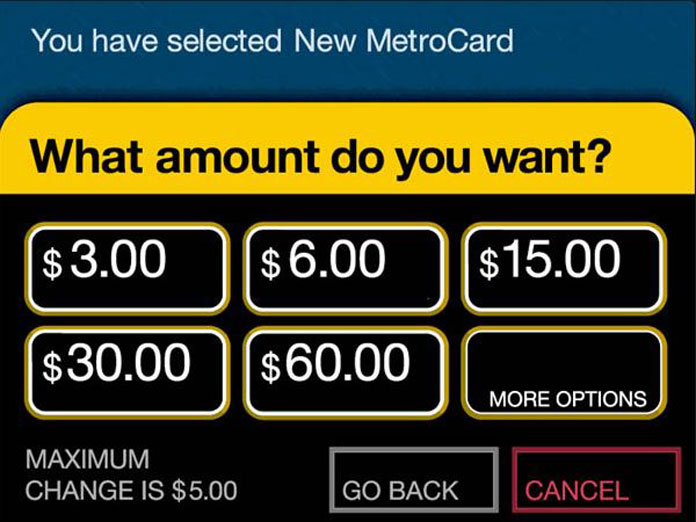
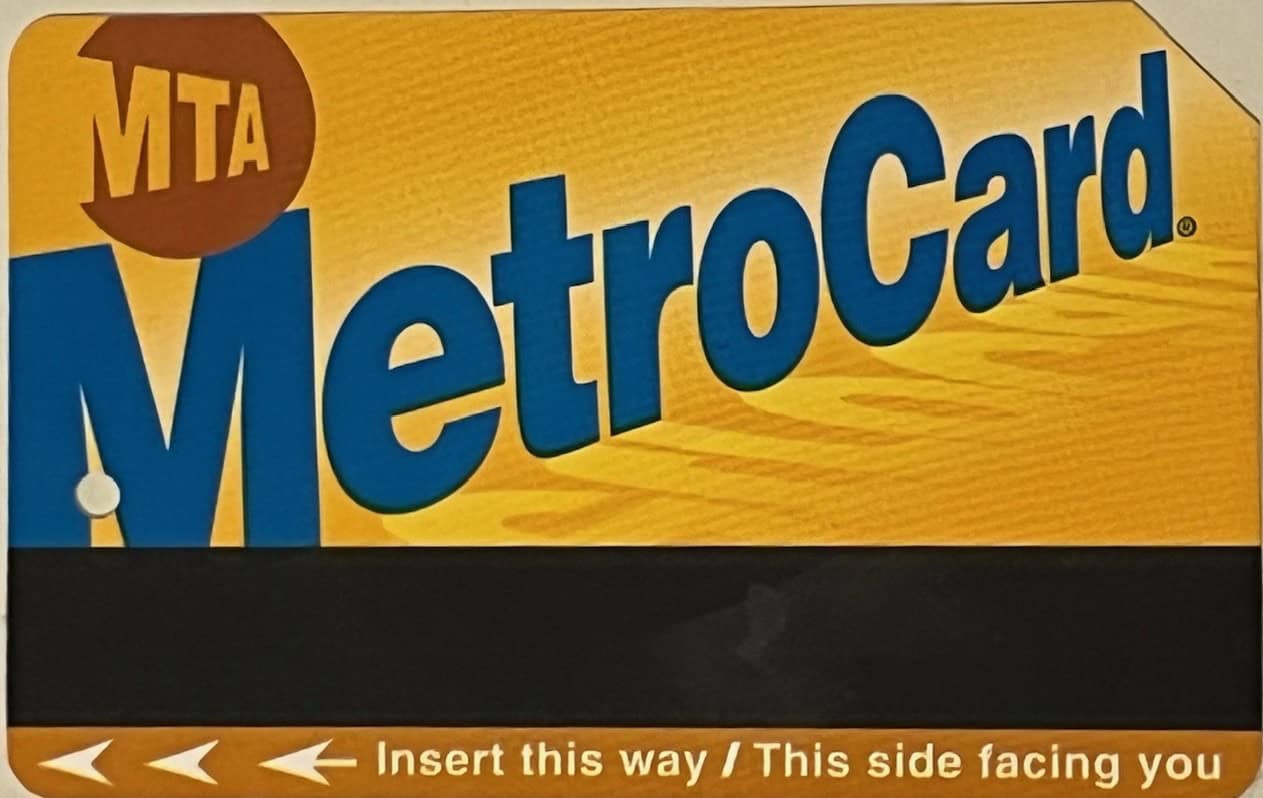
To pay for a single ride or multiple pay-per-ride trips, you’ll typically need a MetroCard. A new MetroCard costs an additional $1.00 fee, which is non-refundable. You can load any amount onto a MetroCard from a minimum of $5.50 (enough for two rides with the card fee) up to $80. When you add money to a MetroCard, the fare for each ride is deducted from the stored value. This “Pay-Per-Ride” option can be economical if you anticipate only taking a few subway trips during your entire stay. For instance, if you’re staying in a centrally located hotel near major landmarks like the Empire State Building or Times Square and mostly walking, a pay-per-ride MetroCard might suffice for those occasional longer journeys to Central Park or the Statue of Liberty ferry.
Unlimited Ride Passes: Maximizing Your Exploration
For those planning an immersive New York City experience, exploring multiple neighborhoods, visiting numerous attractions, and embracing the city’s dynamic pace, unlimited ride passes offer significant value. These passes are perfect for avid sightseers, family trips, and anyone who expects to use the subway system frequently throughout their visit.
-
7-Day Unlimited Pass: Priced at approximately $34.00, this pass allows for unlimited subway and local bus rides for seven consecutive days from its first use. This is often the most popular choice for tourists spending a week in the city. If you plan to take more than 12 rides (which amounts to $34.80 at $2.90 per ride) within a week, this pass pays for itself quickly. Imagine traversing from the Museum of Modern Art to the 9/11 Memorial & Museum, catching a Broadway show, and exploring Greenwich Village all in one day – the 7-day pass provides unparalleled freedom and convenience. Remember, the $1.00 MetroCard fee still applies for a new card.
-
30-Day Unlimited Pass: For longer stays, such as those involving long-term accommodation or extensive business travel, the 30-day unlimited pass is available for around $132.00. This pass offers unlimited rides for 30 consecutive days. It becomes cost-effective if you anticipate taking more than 46 rides ($133.40 at $2.90 per ride) within the month, making it an excellent option for students, temporary residents, or individuals on extended assignments in the city.
It’s important to note that unlimited passes cannot be shared; once swiped, there’s a lockout period before the card can be used again, preventing multiple people from using the same pass simultaneously. This feature ensures fair usage and is a key detail for groups or family trips where each individual will need their own pass.
OMNY: The Future of Fare Payment
The MTA has been progressively rolling out OMNY (One MTA New York), its new contactless fare payment system. OMNY represents a modern approach to subway access, streamlining the process and aligning New York City with other global destinations like London and Tokyo that have adopted similar systems.
With OMNY, you can simply tap your contactless credit/debit card, smartphone, or wearable device (linked to a digital wallet like Apple Pay or Google Pay) directly on the turnstile reader. Each tap costs the standard $2.90 single ride fare. The beauty of OMNY lies in its “fare capping” feature. After 12 paid taps using the same payment method within a 7-day period (Monday to Sunday), any subsequent rides within that period become free. This essentially functions like a weekly unlimited pass, but without the upfront purchase of a specific pass. You get the benefit of an unlimited pass without having to commit to it beforehand, which is ideal for visitors whose travel patterns might be unpredictable.
OMNY readers are available at all subway stations and on all MTA buses. While MetroCard vending machines are still prevalent, OMNY offers unparalleled convenience, eliminating the need to purchase a physical card or worry about reloading it. It’s a fantastic option for modern travelers seeking seamless experiences and is rapidly becoming the preferred method for many locals and tourists alike.
Navigating the NYC Subway System: Tips for First-Timers
Beyond understanding the fare, successfully navigating the New York City subway requires a few practical tips. This system, while incredibly efficient, can appear complex with its myriad lines and express/local services. However, with a little preparation, you’ll be riding like a native in no time.
Acquiring Your MetroCard or Tapping with OMNY
If you opt for a MetroCard, you can purchase one at any subway station from vending machines or station booths. Vending machines accept cash, credit, and debit cards. They offer options for both regular pay-per-ride and unlimited passes. If you prefer to interact with a person, station booths are available, though their hours might vary. For those embracing the future, simply ensure your contactless payment method is ready and look for the OMNY reader at the turnstile – a sleek black pad with the OMNY logo. It’s often the fastest way to get through, especially during peak hours.
Reading the Subway Map and Understanding Routes
The official MTA subway map is your best friend. Available in stations, as digital versions online, and through various apps, it color-codes lines and clearly indicates express versus local stops.
- Local trains stop at every station on their route.
- Express trains bypass many local stops, making them faster for longer journeys. They are marked differently on the map (e.g., solid circles for local, hollow circles for express stops).
- Uptown vs. Downtown: Platforms are typically labeled “Uptown” (northbound, towards the Bronx and Upper Manhattan) or “Downtown” (southbound, towards Lower Manhattan and Brooklyn). Always double-check the direction before swiping or tapping in, as sometimes platforms for opposite directions are not connected once inside the turnstiles.
- Service Changes: The subway runs 24/7, but weekend and late-night service often involves reroutes or line changes for maintenance. Always check MTA announcements, use a reliable transit app (like Google Maps or Citymapper), or look for signs in stations.
Safety and Etiquette: Blending In Like a Local
While generally safe, especially during the day and early evening, it’s wise to be aware of your surroundings, particularly late at night or in less crowded stations. Keep your valuables secure, avoid flashy displays, and be mindful of pickpockets in crowded areas. When on the platform, stand behind the yellow line. When a train arrives, let passengers exit before you attempt to board. Once inside, if you’re standing, hold onto a pole or strap. Offer your seat to elderly individuals, pregnant women, or those with disabilities. Avoid blocking doors and keep noise levels respectful. Remember, millions use this system daily, so common courtesy goes a long way in ensuring a pleasant experience for everyone.
The Subway’s Role in Your New York City Experience
The subway is more than just a transit system; it’s an integral part of the New York City identity. For visitors, it offers a unique vantage point into the daily lives of New Yorkers and provides unparalleled access to every corner of this incredible destination.
Reaching Iconic Landmarks and Hidden Gems Affordably
Virtually every major New York City landmark is accessible by subway. Want to visit the Statue of Liberty ferry terminal? Take the 1 train to South Ferry. Heading to the Metropolitan Museum of Art or the Guggenheim Museum? The 4, 5, or 6 trains will get you close. Exploring the architectural marvels of Grand Central Terminal or gazing up at the Empire State Building? Multiple lines converge nearby. Even venturing out to the Brooklyn Bridge for a scenic walk or to Yankee Stadium for a game is a simple subway ride away.
Beyond the famous spots, the subway also unlocks New York City’s hidden gems, from the vibrant markets of Flushing in Queens to the historic streets of Harlem or the scenic High Line park. It connects you directly to diverse neighborhoods, offering a chance to explore local culture, taste authentic international food, and discover unique shops and activities that might be off the typical tourist path. This extensive reach makes the subway an indispensable tool for maximizing your travel experiences.
Budgeting Your Transportation: A Key to Smart Travel
For many, New York City is synonymous with expense. However, smart budgeting, especially for transportation, can significantly reduce your overall travel costs. Relying on taxis or ride-shares for every journey quickly adds up, potentially consuming a large portion of your budget that could be better spent on other experiences. The subway, with its fixed fares and unlimited pass options, provides a predictable and cost-effective alternative.
When choosing your accommodation, consider its proximity to subway lines. Staying a few stops further out on a direct line might offer more affordable hotel or apartment rates, while still providing quick and easy access to all the major sights. This strategic approach to booking and transportation helps optimize your spending, ensuring a richer and more enjoyable trip without breaking the bank.
Beyond the Ride: Connecting with New York’s Pulse
Riding the subway is an experience in itself. It’s where you’ll witness the incredible diversity of New York City – from street performers in the cars to a mix of professionals, artists, students, and tourists all sharing the journey. It’s a place where you can catch snippets of conversations, observe unique fashion, and feel the undeniable energy that defines the city. This communal aspect of travel offers a genuine insight into the local culture that is difficult to replicate with private transportation. It’s raw, real, and unmistakably New York.
Essential Considerations for Different Travel Styles
The best subway fare strategy varies greatly depending on your travel style and objectives. Whether you’re planning a luxury travel escape or a meticulous budget travel adventure, the subway offers solutions.
Family Trips and Group Travel
When traveling with family or in a group, planning your subway fare can be crucial. Each individual aged five and over requires their own fare. For younger children, up to three children under 44 inches tall can ride for free when accompanied by a paying adult. For family trips, especially those staying a week or more, purchasing individual 7-Day Unlimited Passes for each eligible family member is often the most economical and convenient choice, as it removes the hassle of constantly reloading MetroCards or monitoring OMNY fare caps for multiple devices. If your family’s use is sporadic, a loaded Pay-Per-Ride MetroCard (or multiple cards) might be better, allowing you to pay as you go without the upfront cost of an unlimited pass.
Business Stays and Commuting Needs
For those on a business stay in New York City, efficiency is key. If your visit extends beyond a week or involves daily commuting between your hotel or corporate apartment and your workplace, a 7-Day or even 30-Day Unlimited Pass can be invaluable. It ensures seamless travel without daily transaction worries. Alternatively, for those with corporate cards or who prefer digital convenience, using OMNY with fare capping can be highly advantageous, as expenses are automatically tallied, and the system maximizes savings after 12 taps. Time is money, and the subway is often faster than street-level traffic, making it a professional’s preferred mode of transit in the bustling city.
Luxury and Budget Travelers: Optimizing Your Ride
Even luxury travelers can benefit from the subway. While private cars offer exclusivity, they often fall prey to New York City’s notorious traffic, especially in Manhattan. For speed and reliability, particularly when rushing to a Broadway show, a fine dining reservation near Rockefeller Center, or an appointment on Wall Street, the subway is often superior. Using OMNY provides a discreet and efficient way to travel, blending luxury convenience with urban practicality.
For budget travelers, mastering the subway is non-negotiable. It is by far the most economical way to cover vast distances. Opting for a 7-Day Unlimited Pass if you’re staying for several days is a cornerstone of a savvy budget strategy. Couple this with selecting accommodation that has excellent subway access, perhaps slightly outside the most expensive districts but still well-connected, and you’ve unlocked a significant portion of your potential savings. Utilizing the subway for all your destinations allows more flexibility in your budget for food, attractions, and experiences, enhancing the overall value of your trip to the USA.

Conclusion: Your Ultimate NYC Subway Companion
Understanding “how much is a New York subway ticket” is more than just knowing a price; it’s about unlocking the efficiency, affordability, and authentic experience of one of the world’s greatest cities. Whether you choose the flexibility of a Pay-Per-Ride MetroCard, the unlimited freedom of a weekly pass, or the modern convenience and fare capping of OMNY, the MTA subway system is an indispensable part of any New York City adventure.
From navigating to your chosen hotel suite or apartment to exploring iconic landmarks like Times Square and One World Observatory, the subway connects you to the heart of the city. By utilizing these tips and choosing the fare option that best suits your travel style, you can maximize your time, minimize your expenses, and truly immerse yourself in the vibrant, non-stop energy of New York City. So, grab your MetroCard or tap your phone, and get ready to experience the Big Apple like a true local. Safe travels!
LifeOutOfTheBox is a participant in the Amazon Services LLC Associates Program, an affiliate advertising program designed to provide a means for sites to earn advertising fees by advertising and linking to Amazon.com. Amazon, the Amazon logo, AmazonSupply, and the AmazonSupply logo are trademarks of Amazon.com, Inc. or its affiliates. As an Amazon Associate we earn affiliate commissions from qualifying purchases.