
New York City, a titan among metropolises, stands as a testament to human ambition and cultural diversity. Known globally as a melting pot of experiences, from its iconic Manhattan skyline to the vibrant streets of Brooklyn, this city truly has something for everyone. Yet, to fully appreciate and immerse oneself in the unparalleled energy of New York, understanding its dynamic climate is not merely helpful—it’s essential. The city experiences all four distinct seasons, each painting a vastly different picture of urban life and dictating unique considerations for travel, accommodation, and the quintessential tourist experience. Whether you’re planning a romantic getaway, a family adventure, a business trip, or a solo exploration, knowing what the weather has in store is the first step to crafting an unforgettable New York itinerary. From scorching summers that invite rooftop revelry to crisp autumns perfect for strolling through picturesque parks, and from snowy winters that transform the city into a magical wonderland to springs that burst forth with renewed life, every season offers a unique charm. This comprehensive guide delves into the nuances of New York City’s weather, offering insights into how each period influences your travel decisions, from packing essentials to choosing the perfect hotel and planning your daily adventures.

Navigating New York’s Distinct Seasons: A Traveler’s Climate Guide
New York City’s climate is characterized by its dramatic shifts throughout the year, offering a full spectrum of meteorological experiences. This seasonal variability is a core part of its identity, influencing everything from fashion trends to local festivities.
Spring’s Gentle Awakening: March to May
Spring in New York City is a period of delightful transition, a gradual reawakening as the last vestiges of winter’s chill give way to burgeoning life. From March through May, the city undergoes a remarkable transformation, shedding its winter coat for vibrant greens and blossoming hues.
- Weather Dynamics: March can still carry a crisp, biting chill, with temperatures typically ranging from 40-60°F (4-15°C). While unexpected late-season snowfall isn’t entirely out of the question, it’s generally fleeting. As April arrives, temperatures climb to a more pleasant 50-70°F (10-21°C), and by May, the city often basks in glorious sunshine and warmth, frequently hitting highs in the 70s°F (21-26°C). However, spring is also known for its unpredictable showers, so a compact umbrella and waterproof outerwear are indispensable companions.
- Travel and Tourism in Spring: This season is arguably one of the best for leisurely exploration. The mild temperatures are perfect for extended walks, allowing visitors to truly soak in the city’s atmosphere. Central Park becomes a verdant oasis, bursting with cherry blossoms, daffodils, and tulips, making it an ideal spot for picnics, bike rides, or simply people-watching. Outdoor cafes and restaurants begin to open up their patios, inviting diners to enjoy al fresco meals. Events like the Macy’s Flower Show (if applicable) and various street fairs mark the return of outdoor cultural life. Visiting iconic landmarks like the Statue of Liberty or Ellis Island is particularly pleasant without the extreme heat or cold.
- Accommodation and Lifestyle: Spring can see a moderate increase in hotel prices as the weather improves, though it’s generally not as expensive as peak summer or holiday winter. Visitors might look for hotels with proximity to parks or with charming rooftop terraces that are beginning to open. Boutique hotels in neighborhoods like Greenwich Village or the Upper West Side offer a cozy base for exploring. For families, spring break can be a popular time, so booking family-friendly suites or apartments well in advance is wise. Budget travelers might find better deals in early March before the season fully kicks in.
- Packing Essentials: Layers are paramount. Think light sweaters, long-sleeved shirts, a trench coat or a waterproof jacket, comfortable walking shoes, and, as mentioned, an umbrella. Sunglasses are also a good idea for those increasingly sunny days.
Summer’s Vibrant Heat: June to August
Summertime in New York City is synonymous with exhilarating energy, long days, and a palpable buzz that permeates every street. However, it’s also a period of significant heat and humidity, demanding careful planning for comfort and enjoyment.
- Weather Dynamics: From June through August, temperatures frequently soar into the 80s and 90s°F (27-32°C and above), with July and August typically being the hottest and most humid months. Heatwaves are a common occurrence, sometimes pushing temperatures even higher. While thunderstorms can provide dramatic spectacles and temporary relief, the high humidity often persists.
- Travel and Tourism in Summer: The city truly comes alive with outdoor activities. Rooftop bars offer breathtaking views and refreshing cocktails, while various outdoor concerts, movie screenings, and festivals fill parks and public squares. Beach trips to nearby Coney Island in Brooklyn or Rockaway Beach in Queens become popular escapes from the urban heat. While exciting, the heat can make extensive outdoor sightseeing challenging. Consider early morning or late afternoon visits to major landmarks like Times Square or the Brooklyn Bridge, and spend midday enjoying air-conditioned museums such as the Metropolitan Museum of Art or the Museum of Modern Art (MoMA).
- Accommodation and Lifestyle: Summer is peak tourist season, meaning hotel rates can be at their highest. Air conditioning is a non-negotiable amenity for any accommodation during these months. Luxury hotels with pools, like The William Vale in Brooklyn or the Dominick Hotel in SoHo, offer a welcome reprieve. Business travelers might find the city slightly quieter, but securing good corporate rates in well-appointed suites with strong AC is still crucial. Families often flock to the city, so booking larger apartments or suites in advance is recommended.
- Packing Essentials: Light, breathable clothing (cotton, linen), shorts, t-shirts, sun hats, sunglasses, high-SPF sunscreen, and plenty of water bottles are essential. Comfortable sandals or open-toed shoes are suitable, but ensure they are supportive for walking. An umbrella might still be useful for sudden downpours.
Autumn’s Golden Glow: September to November
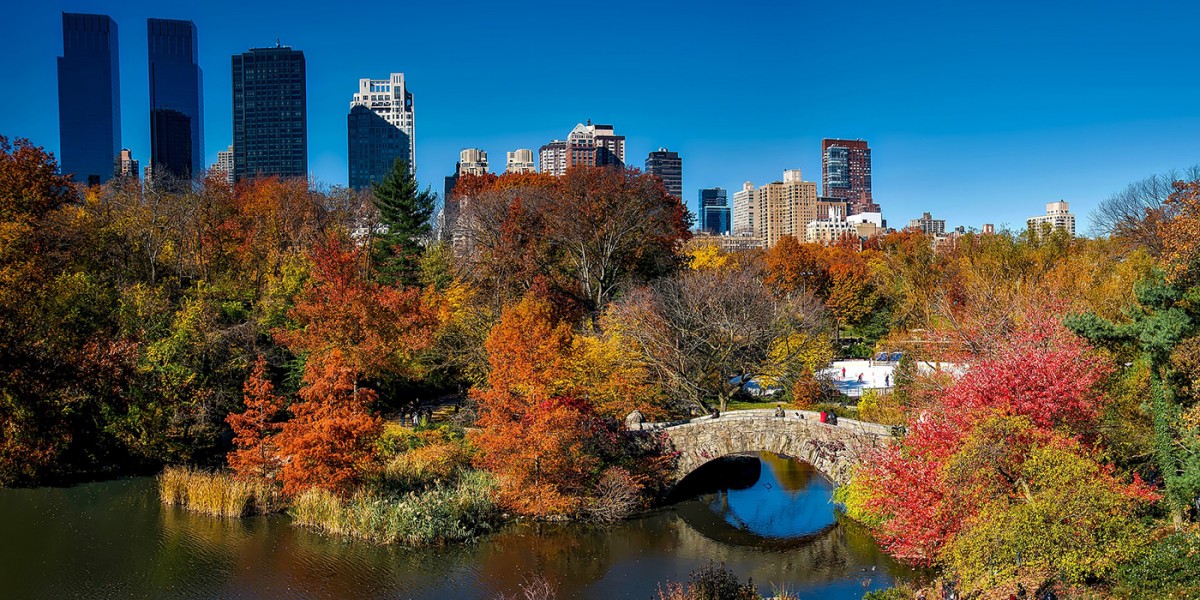
Autumn, or Fall, is often hailed as the most picturesque and pleasant season in New York City. The oppressive humidity of summer dissipates, replaced by crisp air, clear blue skies, and a spectacular display of fall foliage.
- Weather Dynamics: September typically offers delightful warmth, with temperatures ranging from 60-70°F (15-21°C). As October progresses, the air becomes crisper, hovering around 50-60°F (10-15°C). By November, the true chill of late autumn sets in, with temperatures dropping to 40-50°F (4-10°C), signaling winter’s approach. Rainfall is generally moderate, but crisp, dry days are the norm, making it ideal for outdoor activities.
- Travel and Tourism in Autumn: This season is perfect for walking tours, whether through historical neighborhoods like the West Village or enjoying the stunning natural beauty of Central Park and the New York Botanical Garden, which transform into riots of red, orange, and gold. Outdoor festivals, farmers’ markets, and Halloween festivities add to the vibrant atmosphere. Sports fans can enjoy baseball playoffs and the start of basketball and hockey seasons. The cool, comfortable weather also makes exploring the Guggenheim Museum or taking in a Broadway show particularly enjoyable.
- Accommodation and Lifestyle: Autumn is another popular time for tourists, especially in October when the foliage is at its peak and before the full holiday rush. Hotel rates can be high, particularly on weekends. Consider hotels with cozy lobbies or those offering special fall-themed packages. Apartments with views of parks are highly sought after. This season offers a fantastic blend of outdoor enjoyment and indoor cultural immersion, making it suitable for both luxury travelers seeking high-end experiences and those on a budget looking to maximize free outdoor activities.
- Packing Essentials: Layers are crucial. Pack medium-weight sweaters, long-sleeved shirts, a comfortable jacket (leather or a light wool coat), jeans or trousers, and stylish but sturdy walking boots. A scarf can add warmth and a touch of fashion.
Winter’s Snowy Charm: December to February
Winter in New York City is a season of contrasting experiences: often cold and snowy, yet infused with an undeniable festive magic, especially during the holiday period.
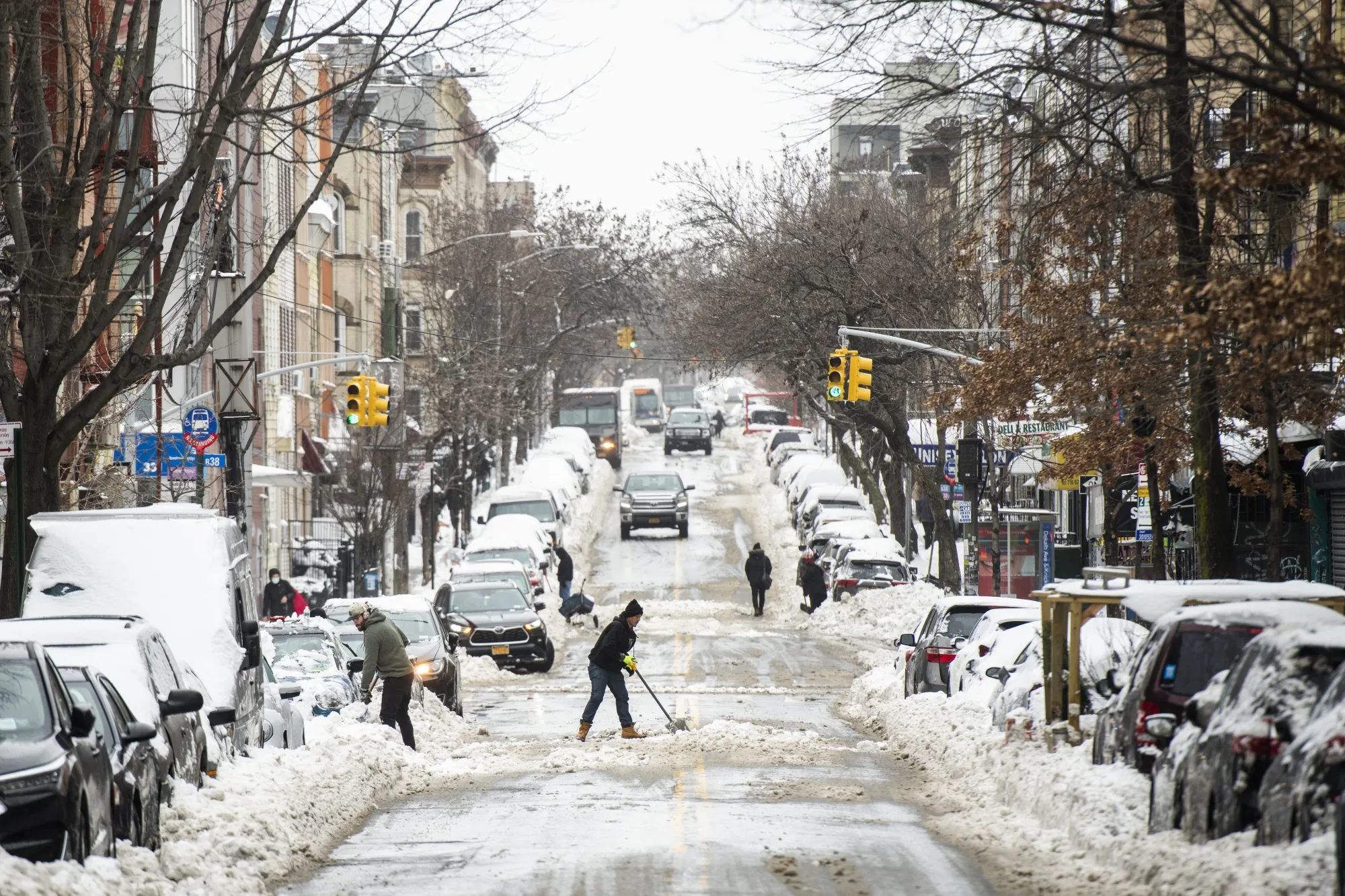
- Weather Dynamics: Temperatures frequently dip below freezing (32°F/0°C), particularly in January and February, which are typically the coldest months. Snowfall is common, sometimes heavy, transforming the city into a picturesque winter wonderland. Bitter cold snaps, often exacerbated by wind chill, can occur.
- Travel and Tourism in Winter: Despite the cold, winter offers unique and memorable experiences. The festive atmosphere leading up to Christmas and New Year’s is unparalleled, with holiday markets, elaborate window displays on Fifth Avenue, and the iconic Rockefeller Center Christmas tree. Ice skating at Rockefeller Center or Bryant Park are quintessential New York activities. Broadway shows and indoor museums become even more appealing, offering warmth and world-class entertainment. This is also a popular time for business travelers attending conferences or events in heated venues.
- Accommodation and Lifestyle: While holiday season hotel prices can skyrocket, January and February often present the best deals, especially after the initial New Year’s rush. Travelers looking for budget-friendly options will find more availability and lower rates. Luxury hotels with excellent concierge services, indoor pools, and cozy bars are particularly appealing. Consider accommodations near subway lines to minimize outdoor walking in the cold. Long-term stays can also be more affordable during these quieter months.
- Packing Essentials: This is where heavy-duty winter gear is non-negotiable. A warm, waterproof winter coat, thermal layers, sweaters, scarves, hats, gloves, and waterproof, insulated boots are essential to stay comfortable and healthy.
Beyond the Forecast: Preparing for Your New York Adventure
Understanding the seasonal weather patterns is just the beginning. To truly maximize your visit to New York City, a few general principles, tailored to the overarching themes of travel, accommodation, and lifestyle, will serve you well, regardless of when you visit.
Smart Packing & Wardrobe Strategy for All Climates
Effective packing goes beyond just checking the thermometer; it’s about anticipating the unique demands of an urban environment and the fluid nature of your itinerary.
- The Power of Layers: This advice holds true year-round in New York. Even in summer, air-conditioned indoor spaces can be surprisingly chilly, contrasting sharply with the outdoor heat. In cooler months, layers allow you to adapt to temperature fluctuations between heated buildings and the open streets. A base layer, a mid-layer (sweater or fleece), and an outer layer (jacket or coat) are a good system.
- Comfortable Footwear is Non-Negotiable: You will be doing an immense amount of walking in New York City. Whether navigating the sprawling galleries of a museum, strolling through Central Park, or exploring the vibrant neighborhoods of The Bronx, your feet will thank you for choosing comfortable, broken-in shoes. For spring and autumn, stylish sneakers or ankle boots work well. In summer, supportive sandals or lightweight walking shoes are key, while winter demands waterproof and insulated boots. Blisters can quickly derail a day of sightseeing, so prioritize comfort over extreme fashion statements.
- Weather-Specific Accessories: Always pack a compact umbrella, regardless of the season, as sudden showers can occur. In summer, sunglasses and a wide-brimmed hat offer protection from the sun. Winter requires hats, gloves, and scarves to combat wind chill.
Choosing Your Ideal Accommodation: Comfort Meets Convenience
Your choice of accommodation is deeply intertwined with the weather and significantly impacts your overall travel experience.
- Amenities for the Season: When booking hotels or apartments, consider amenities relevant to the season. In summer, excellent air conditioning is paramount. Hotels with indoor pools or robust fitness centers become attractive options for escaping extreme heat or cold. In winter, look for hotels with cozy common areas, a fireplace in the lobby, or a well-stocked bar to unwind after a chilly day.
- Location, Location, Location: Proximity to subway stations is always a plus, especially during inclement weather. Being able to quickly duck into a warm subway entrance in winter or an air-conditioned one in summer can be a lifesaver. Consider neighborhoods that align with your planned activities; for example, if you plan many museum visits, staying in the Upper East Side or near Midtown might be ideal. For those seeking nightlife and culinary experiences, the Lower East Side or West Village could be perfect.
- Booking Strategies: Peak seasons (summer, Christmas holidays, autumn) will naturally see higher hotel rates and less availability. If your travel dates are flexible, consider visiting in the shoulder seasons (late spring, early autumn) or the post-holiday lull of January and February for better deals on luxury suites or well-appointed resorts. Websites specializing in accommodation comparison can help secure the best rates for your desired level of comfort, whether it’s a budget-friendly hostel or a five-star hotel.
Navigating the City: Activities for Every Climate
New York City’s immense diversity ensures there’s always something to do, regardless of the weather. Having backup plans is key to a smooth trip.
- Embrace Indoor Alternatives: Rainy, excessively hot, or brutally cold days are an invitation to explore New York’s world-class indoor attractions. Dive into the history and culture at the Museum of Natural History, marvel at art at the Metropolitan Museum of Art or MoMA, or catch a matinee Broadway show. The city is also dotted with unique indoor markets, like Chelsea Market, offering food, shopping, and warmth.
- Outdoor Adventures (Weather Permitting): In pleasant weather, take advantage of the numerous parks beyond Central Park, such as Prospect Park in Brooklyn or Flushing Meadows-Corona Park in Queens. Consider walking tours that delve into the city’s rich history and architectural wonders. Summer evenings are perfect for outdoor concerts or movie screenings in various parks.
- Food and Drink: New York’s culinary scene is a year-round delight. In summer, enjoy al fresco dining or grab a hot dog from a street vendor. In winter, seek out cozy restaurants with hearty comfort food and warm cocktails. The city’s diverse neighborhoods, from the Italian eateries of Little Italy to the vibrant Asian flavors of Flushing in Queens, offer endless gastronomic adventures suitable for any climate.
Embracing the New York Lifestyle: Beyond the Tourist Trail
Understanding the weather also helps you tap into the local New York lifestyle, whether you’re aiming for a luxury experience or a budget-conscious trip.
- Wellness and Recreation: In warmer months, locals flock to outdoor yoga classes in parks or cycle along the Hudson River Greenway. In colder weather, indoor gyms, boutique fitness studios, or even ice skating rinks become popular.
- Shopping Experiences: Weather influences shopping habits. On a beautiful day, exploring outdoor markets or browsing the boutiques in SoHo and the West Village is a joy. On a cold or rainy day, the warmth of department stores on Fifth Avenue or the indoor malls in Queens and Staten Island offers a comfortable alternative.
- Cultural Immersion: The vibrancy of New York’s local culture shines through its festivals, parades, and community events. While many major parades (like the Thanksgiving Day Parade or the St. Patrick’s Day Parade) happen regardless of weather, smaller street festivals are highly weather-dependent. Checking local event listings tailored to the forecast can unlock unique experiences.
In conclusion, New York City’s weather is as diverse and dynamic as the city itself. Each season presents its own set of challenges and charms, fundamentally shaping the visitor experience. By understanding these climatic nuances and proactively planning your travel, accommodation, and activities, you can ensure that your visit is not just memorable, but truly optimized for comfort, enjoyment, and deep immersion into the unique spirit of the Big Apple. Whether you dream of spring blossoms, summer rooftop views, autumn foliage, or a winter wonderland, proper preparation will guarantee that you make the absolute most of your New York adventure, whatever the weather may bring.
LifeOutOfTheBox is a participant in the Amazon Services LLC Associates Program, an affiliate advertising program designed to provide a means for sites to earn advertising fees by advertising and linking to Amazon.com. Amazon, the Amazon logo, AmazonSupply, and the AmazonSupply logo are trademarks of Amazon.com, Inc. or its affiliates. As an Amazon Associate we earn affiliate commissions from qualifying purchases.