
California, a state renowned for its diverse landscapes, vibrant culture, and innovative spirit, also holds the distinction of having some of the most comprehensive and stringent firearm laws in the United States. For residents and newcomers alike, understanding these regulations is paramount to responsible and legal gun ownership. While the state offers an unparalleled quality of life, from the bustling streets of Los Angeles and San Francisco to the serene beauty of the Sierra Nevada mountains, navigating its gun laws can be a complex endeavor. This guide aims to demystify the process for 2024, providing a clear pathway for individuals seeking to legally own a firearm within the Golden State.
Whether you’re moving to California and bringing your existing firearms, or you’re a long-time resident considering your first purchase, the rules are detailed and rigorously enforced. Unlike many other states, California’s approach to firearms is deeply integrated into its public safety philosophy, reflecting a unique blend of historical context and ongoing legislative evolution. From background checks and waiting periods to specific classifications of firearms and storage requirements, every step of the ownership journey is meticulously outlined by state law. This guide is not legal advice, but rather a comprehensive overview to help you understand the fundamental requirements and considerations in 2024.
Navigating California’s Unique Firearm Landscape
California’s firearm laws are often seen as a national benchmark for strict regulation. This framework is designed to enhance public safety through a multi-faceted approach, affecting everything from the types of firearms available for purchase to how they are stored and transported. For anyone considering firearm ownership, a foundational understanding of this landscape is the critical first step.
An Overview of Strict Regulations
At the heart of California’s firearm laws are several key principles: universal background checks, a robust licensing system for dealers, restrictions on certain types of firearms, and comprehensive safe storage mandates. The state maintains an extensive database of firearm owners and transactions, overseen by the California Department of Justice (DOJ).
One of the most notable features is the requirement for all firearm sales, including private party transfers, to go through a licensed dealer. This ensures that every transaction is accompanied by a background check processed through the National Instant Criminal Background Check System (NICS), as well as California’s own proprietary system. The state also imposes a mandatory 10-day waiting period for all firearm purchases, a measure intended to provide a cooling-off period and allow ample time for background checks to clear.
Beyond the purchasing process, California has specific regulations regarding firearm features, magazine capacity, and the safe handling and storage of weapons. These laws are not static; they are frequently updated and refined through legislative action, making it essential for owners to stay informed about the latest changes.
Key Definitions and Prohibitions
Understanding the terminology used in California firearm law is crucial. Terms like “assault weapon,” “handgun roster,” “magazine capacity,” and “safe handling demonstration” carry specific legal meanings that directly impact what firearms can be owned and how they must be used.
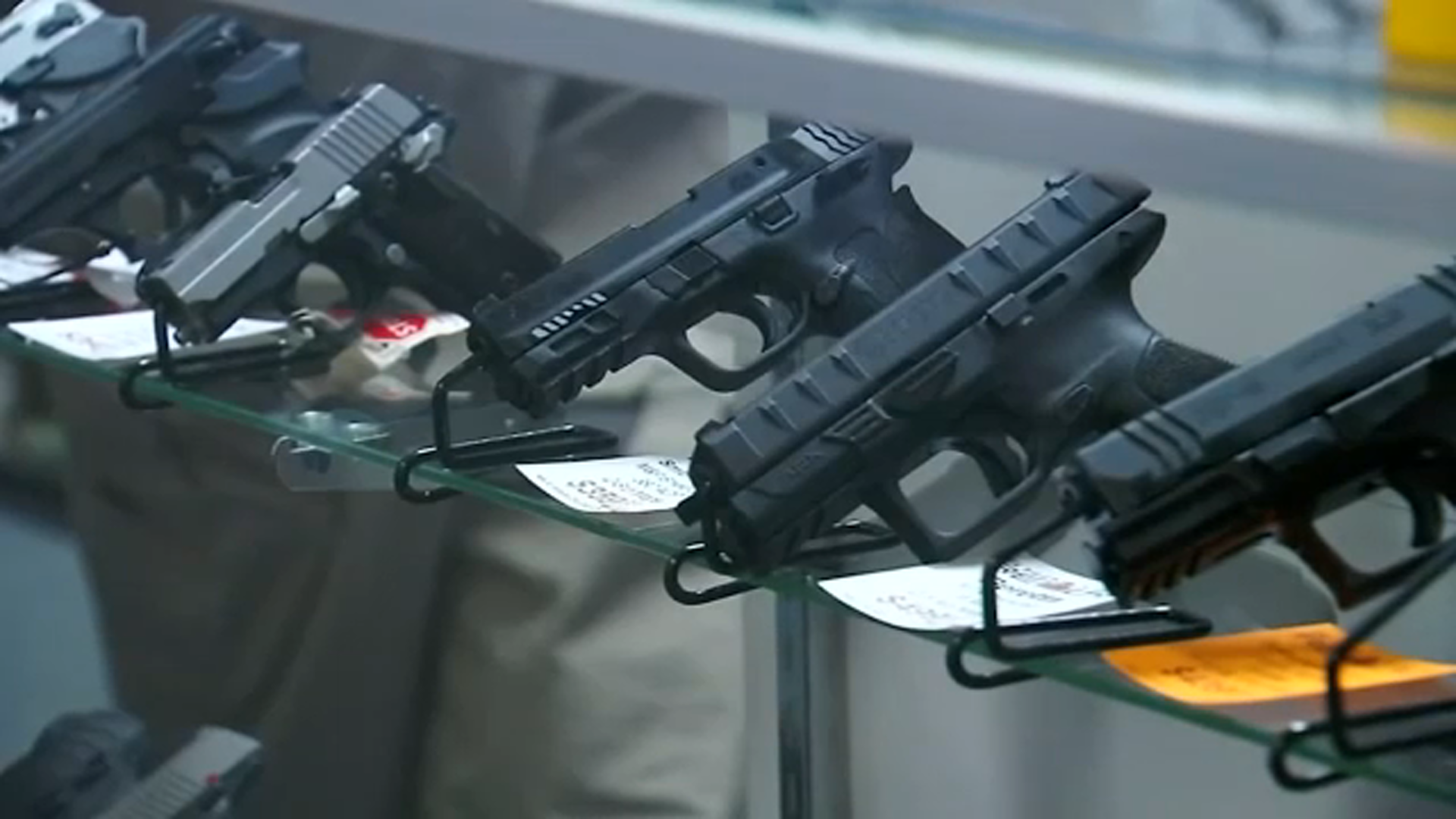
The state maintains an “Approved Handgun Roster,” which lists all handgun models certified by the California Department of Justice as safe for sale. Only handguns on this roster can be sold by licensed dealers in the state, with limited exceptions. This roster is updated regularly and reflects ongoing safety testing requirements, including microstamping technology for new models.
California also has a comprehensive “assault weapon” ban, which prohibits the sale and possession of various semi-automatic firearms based on specific cosmetic and functional features, such as pistol grips, collapsible stocks, and flash suppressors. While the definition has evolved over time, the core principle is to restrict firearms that lawmakers deem particularly dangerous. High-capacity magazines (those capable of holding more than 10 rounds) are also generally prohibited, with very limited exceptions for those legally possessed before the ban went into effect.
Certain individuals are also prohibited from owning firearms, including convicted felons, those with specific misdemeanor convictions (such as domestic violence), individuals subject to restraining orders, and those deemed mentally unstable by a court. These prohibitions are consistent with federal law but are often expanded upon by California’s own statutes.
The Journey to Firearm Ownership in California
For those ready to embark on the path of firearm ownership in California, the process is structured and requires careful attention to detail. It involves several distinct steps, each designed to ensure that firearms are legally and responsibly acquired.
Initial Requirements and Eligibility
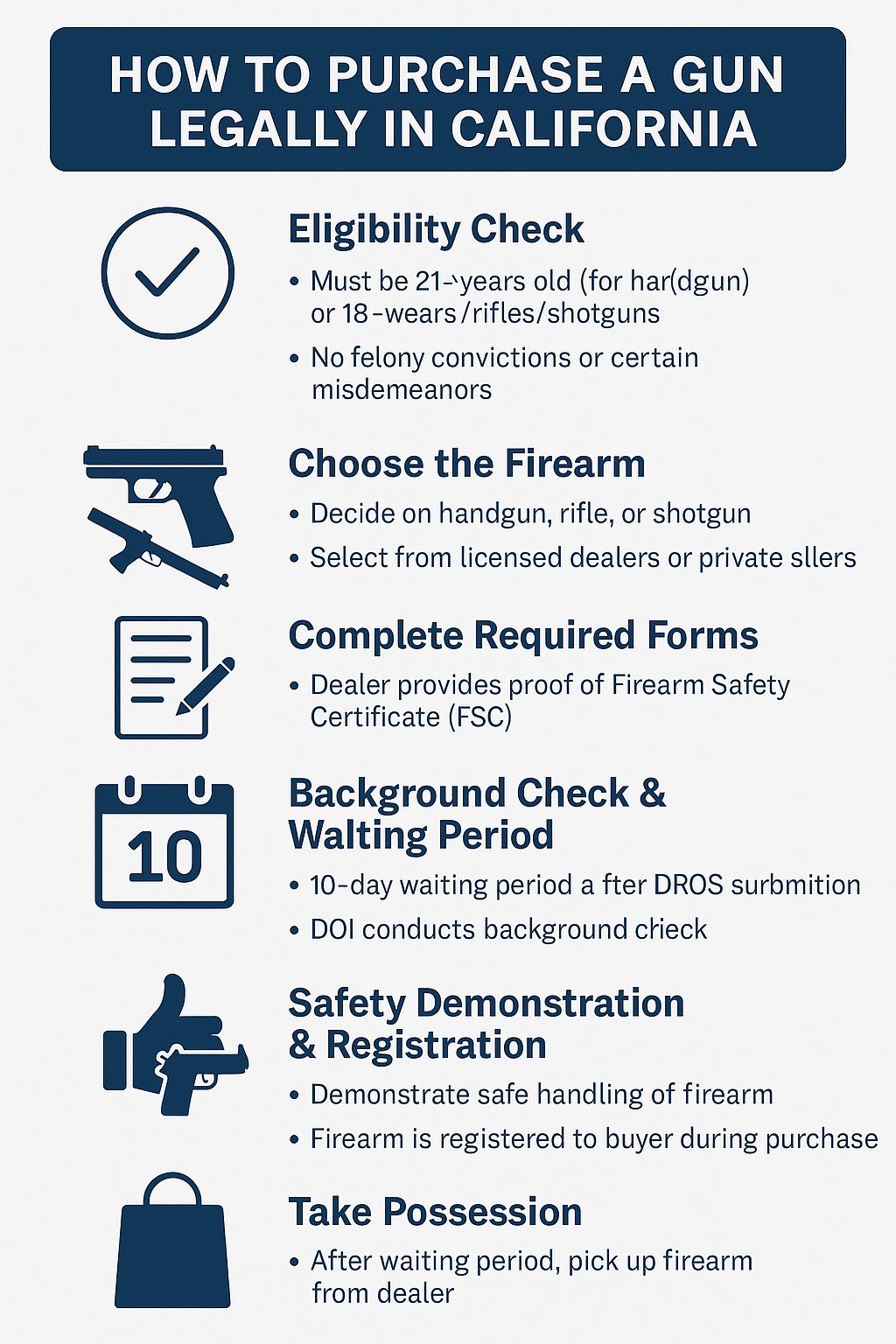
Before even considering a firearm purchase, individuals must meet several fundamental eligibility criteria. First and foremost, you must be at least 18 years old to purchase a rifle or shotgun, and 21 years old to purchase a handgun. You must also be a legal resident of California and possess a valid California driver’s license or identification card, along with proof of residency (e.g., utility bill, vehicle registration) for handgun purchases.
A critical requirement is obtaining a Firearm Safety Certificate (FSC). This certificate demonstrates that the applicant has passed a written test covering firearm safety, storage, and relevant laws. The FSC is issued by authorized instructors, often found at licensed gun dealerships or shooting ranges, and is valid for five years. Certain exemptions exist, such as for active duty military personnel or sworn law enforcement officers, but for most civilians, the FSC is mandatory.
Additionally, prospective owners must not be prohibited from possessing firearms under either federal or California law due to criminal history, mental health adjudications, or other disqualifying factors. This is rigorously checked during the background investigation phase.
Understanding the Purchasing Process
Once eligible and equipped with an FSC, the actual purchase process begins at a licensed California firearm dealer (FFL).
- Select Your Firearm: Choose a firearm that is legal for sale in California. For handguns, this means selecting from the Approved Handgun Roster. For rifles and shotguns, ensure they do not fall under the “assault weapon” definition.
- Provide Documentation: Present your valid California ID/driver’s license, proof of residency (for handguns), and your Firearm Safety Certificate.
- Complete the Dealer Record of Sale (DROS): The dealer will guide you through completing the DROS paperwork. This form collects your personal information and details of the firearm being purchased. A fee is associated with this process.
- Live Scan Fingerprinting (if applicable): While not typically required for standard purchases, some specialized permits or circumstances may necessitate live scan fingerprinting, which is processed by the California Department of Justice.
- 10-Day Waiting Period: After completing the DROS and paying the associated fees, a mandatory 10-day waiting period begins. During this time, the California Department of Justice conducts a comprehensive background check.
- Safe Handling Demonstration: Before taking possession of a handgun, you must perform a safe handling demonstration with the dealer, proving your ability to safely load, unload, and operate the specific firearm.
- Take Possession: Upon successful completion of the background check and the waiting period, you can return to the dealer to pick up your firearm. It must be transported safely, typically unloaded and in a locked container.
Permitting and Licensing Considerations
While a general “license to own” is not required beyond the FSC for most firearms, specific permits are necessary for certain activities or firearm types. The most common permit is a Concealed Carry Weapon (CCW) license, which allows individuals to carry a handgun concealed in public. California is a “may issue” state for CCW permits, meaning that local law enforcement agencies (sheriffs for counties, police chiefs for cities) have discretion in issuing them. Applicants must demonstrate “good cause,” undergo extensive background checks, complete specialized training, and meet other strict requirements. The process and likelihood of obtaining a CCW permit can vary significantly from county to county, with some areas like San Diego or Orange County having more permissive policies than others such as Los Angeles or San Francisco.
Other permits may be required for specific activities, such as operating a shooting range or dealing firearms, but these are generally not applicable to individual owners.
Responsible Ownership and Compliance for Californians
Beyond the initial purchase, responsible gun ownership in California involves continuous adherence to state laws regarding storage, transportation, ammunition, and staying current with legislative changes. This commitment ensures safety for owners and the wider community, from the northern forests to the Mojave Desert.
Storage, Transportation, and Use
California mandates strict safe storage practices to prevent unauthorized access, particularly by minors, and to deter theft. All firearms must be stored in a locked container or disabled with a trigger lock when not in the immediate control of the owner. For handgun owners, a safe storage affidavit must be signed during the purchase process. Failure to comply with safe storage laws can result in severe penalties, especially if a firearm is used in a crime or causes injury due to negligent storage.
When transporting firearms, they must generally be unloaded and stored in a locked container. Handguns must be transported in a locked container in the vehicle’s trunk or a locked container other than the glove compartment or console. Rifles and shotguns must also be unloaded and transported in a locked container. There are specific exceptions for transport to and from shooting ranges, hunting areas, or gunsmiths. Open carry of unloaded firearms is generally prohibited in most public places, with some limited exceptions.
The use of firearms is restricted to lawful purposes, primarily self-defense within one’s home or property, and for recreational activities such as hunting or target shooting at approved ranges. Hunting requires specific licenses and adherence to hunting seasons and bag limits, which vary by species and region, such as in the San Joaquin Valley or around Lake Tahoe.
Ammunition Regulations and Restrictions
California also has some of the most comprehensive ammunition laws in the nation. Since 2018, all ammunition purchases must be processed through a licensed ammunition vendor. This means that when you buy ammunition, the vendor must conduct an electronic eligibility check with the California Department of Justice, verifying that you are not a prohibited person. This process is similar to a background check for a firearm.
Furthermore, importing ammunition purchased out of state directly by consumers is largely prohibited, requiring all ammunition to be shipped to a licensed vendor for transfer. As mentioned earlier, high-capacity magazines (holding more than 10 rounds) are generally illegal to purchase, sell, or possess, even if owned before the ban, with very limited exceptions. This regulation significantly impacts enthusiasts and competitive shooters.
Staying Informed: The Dynamic Nature of California Law
California’s firearm laws are not static. The legislative session in Sacramento often sees new bills proposed and enacted that can alter current regulations, sometimes with significant impact. What is legal today might be subject to new restrictions next year. For this reason, it is imperative for firearm owners to stay informed about changes to state and, where applicable, local ordinances. Following updates from the California Department of Justice, reputable firearm advocacy groups, and legal resources is highly recommended. Consulting with a qualified legal professional specializing in firearm law is always advisable for specific questions or concerns.
Firearms and the California Lifestyle: What Newcomers and Residents Need to Know
For many, owning a firearm is part of a broader lifestyle, whether for personal protection, sport, or a connection to outdoor traditions. In California, this lifestyle exists within a highly regulated environment, which can be a significant consideration for those relocating or exploring new hobbies.
Relocating to California with Firearms
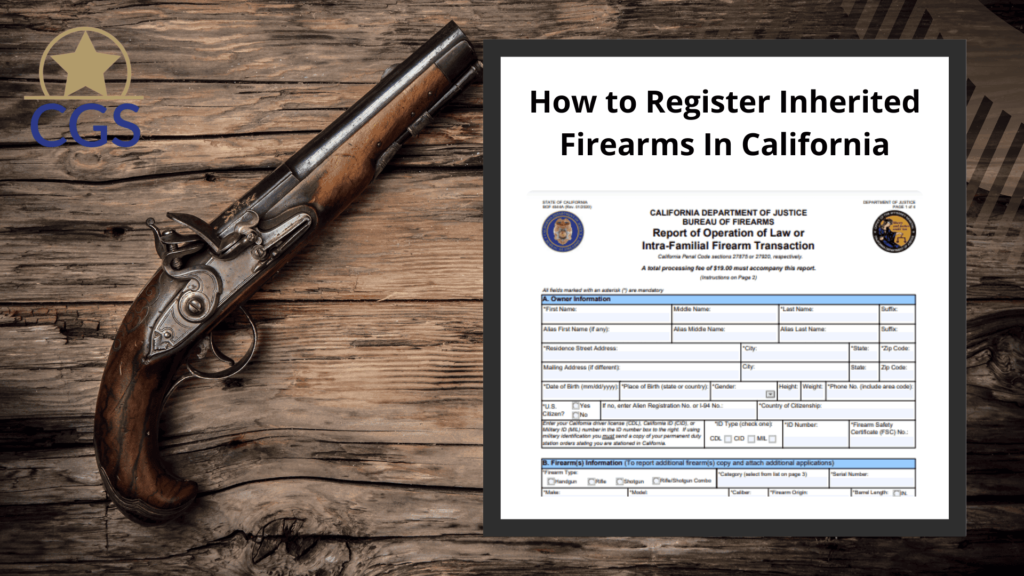
Moving to California with firearms requires careful planning. New residents generally have 60 days to report their firearms to the California Department of Justice through a New Resident Firearm Ownership Report. Crucially, any firearms you bring into the state must be legal in California. This means that certain firearms that might be legal in other states (e.g., specific “assault weapons” or handguns not on the Approved Handgun Roster) may become illegal upon your residency in California and must be dealt with appropriately (e.g., rendered compliant, sold out of state, or surrendered). Bringing prohibited high-capacity magazines is also illegal. It is highly advisable to research California’s specific prohibitions before moving to avoid legal issues.
Training and Safety Resources Across the State
Despite the strict regulations, California offers a wealth of resources for responsible firearm owners and enthusiasts. Numerous shooting ranges, both indoor and outdoor, are located throughout the state, from Fresno to Oakland and Long Beach, providing safe environments for target practice and skill development. These facilities often offer various training courses, from basic handgun safety to advanced marksmanship and tactical training, taught by certified instructors.
Organizations dedicated to firearm safety and proficiency also operate across California, providing education and community for owners. Participating in these courses not only enhances safety and skill but also connects individuals with a community of like-minded enthusiasts who navigate the state’s unique firearm landscape.
Exploring Shooting Ranges and Outdoor Activities
For many, firearm ownership is intertwined with a passion for outdoor sports. California’s vast natural areas offer opportunities for hunting in designated zones, though specific regulations and licenses are required. Wildlife areas and national forests, distinct from places like Yosemite National Park where firearms are restricted, provide a backdrop for these activities.
Target shooting is also a popular pastime, with many ranges offering experiences for both seasoned shooters and curious newcomers. Some ranges even provide rental firearms and introductory classes, making it accessible for tourists or those interested in trying out the sport in a controlled setting. From the Gold Country to the expansive deserts, the opportunity to engage responsibly with firearms as part of a recreational lifestyle remains a key aspect for many California residents, even within the bounds of its comprehensive legal framework.
In conclusion, owning a gun in California in 2024 is entirely possible, but it demands diligence, a commitment to understanding the law, and a dedication to responsible practice. By adhering to the state’s strict regulations regarding purchase, storage, transportation, and ammunition, individuals can legally and safely integrate firearm ownership into their Californian lifestyle.
LifeOutOfTheBox is a participant in the Amazon Services LLC Associates Program, an affiliate advertising program designed to provide a means for sites to earn advertising fees by advertising and linking to Amazon.com. Amazon, the Amazon logo, AmazonSupply, and the AmazonSupply logo are trademarks of Amazon.com, Inc. or its affiliates. As an Amazon Associate we earn affiliate commissions from qualifying purchases.