
The excitement of Travel often begins with booking the perfect Accommodation. Whether it’s a luxurious Resort in Bali, a quaint Apartment in Paris, or a sleek Suite for a Business Stay in New York City, the promise of comfort and relaxation is paramount. Yet, an unwelcome guest can quickly turn a dream vacation into a nightmare: bed bugs. These tiny, elusive creatures are a growing concern for travelers worldwide, capable of hitchhiking from one Destination to another, finding their way into even the most pristine Hotels.
While no Hotel, regardless of its star rating or meticulous upkeep, is entirely immune, being proactive can save you from itchy bites, ruined holidays, and the potential headache of bringing these pests home. This comprehensive Guide aims to equip every traveler with the knowledge and practical steps needed to conduct a thorough bed bug inspection upon arrival. From understanding what bed bugs look like to a step-by-step room scan, we’ll cover everything you need to know to ensure your stay is comfortable and bug-free, allowing you to focus on enjoying the Attractions and Experiences your chosen Destination has to offer. This isn’t about paranoia, but rather empowerment – taking control of your travel Lifestyle and ensuring peace of mind.

Understanding the Enemy: What Are Bed Bugs?
Before embarking on an inspection, it’s crucial to know what you’re looking for. Bed bugs, scientifically known as Cimex lectularius, are small, nocturnal insects that feed exclusively on the blood of warm-blooded animals, primarily humans. They are masters of hiding, often going unnoticed until their populations grow or they start causing visible bites. Their presence has nothing to do with cleanliness, making them a potential issue in any type of Accommodation, from a Budget Travel hostel to a five-star Luxury Travel establishment.
Identifying Bed Bugs: Appearance and Signs
Adult bed bugs are roughly the size and shape of an apple seed – flat, oval, and reddish-brown. After feeding, they become engorged, appearing more plump and darker red. Nymphs (young bed bugs) are smaller and translucent or yellowish-white, making them harder to spot. Bed bug eggs are tiny, pearl-white, and typically found in clusters, often stuck to surfaces with a glue-like substance.
Beyond the bugs themselves, there are several tell-tale signs of an infestation:
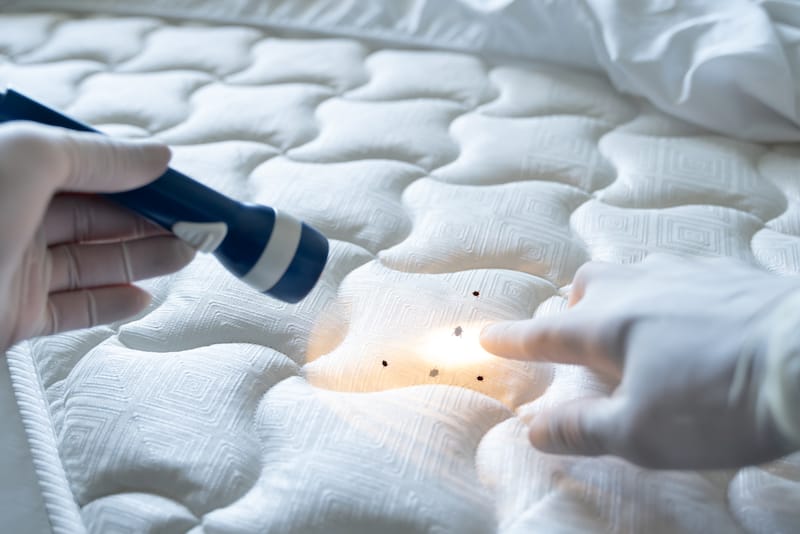
- Fecal Spots: These are small, dark, rust-colored spots, often resembling dried blood specks or marker stains. They are bed bug droppings and will bleed into fabric like ink if wiped with a wet cloth. Look for them on mattresses, sheets, pillowcases, behind headboards, and along seams.
- Shed Skins (Exuviae): As bed bugs grow, they shed their exoskeletons. These translucent, empty casings are often found near their hiding spots.
- Live Bed Bugs: Spotting a live bug, especially during the day, is a clear indicator. They tend to scurry away from light.
- Blood Stains: Small, reddish-brown smears on sheets or pajamas may indicate crushed bed bugs or fresh blood from bites.
- Musty Odor: In severe infestations, a sweet, musty odor, often described as like coriander or rotting raspberries, can be detected. This is caused by the pheromones bed bugs release.
- Bites: While not a definitive sign (as other insects can bite), bed bug bites often appear as small, red, itchy welts, typically in lines or clusters, frequently on exposed skin like arms, legs, and neck. They don’t always appear immediately and can sometimes be mistaken for mosquito bites.
Where Do Bed Bugs Hide?
Bed bugs are incredibly adept at finding crevices and cracks to hide in during the day. Their flattened bodies allow them to squeeze into incredibly tight spaces. While they prefer to be close to their human hosts, they can be found further afield depending on the severity of the infestation. Common hiding spots include:
- The Bed Itself: Mattress seams, tags, piping, under the mattress, box springs, and bed frames.
- Headboards and Nightstands: Especially behind removable panels, in cracks, or within drawer slides.
- Upholstered Furniture: Sofas, chairs, recliners, particularly in seams, tufts, and under cushions.
- Wall Coverings: Behind wallpaper, picture frames, loose baseboards, or electrical outlets.
- Curtains: Especially in the folds and seams near the window.
- Luggage Racks: Their proximity to your belongings makes them prime hiding spots.
Understanding these behaviors and preferred locations is the first step in conducting an effective inspection, enabling you to safeguard your trip, whether it’s for Tourism, leisure, or business.
Your Pre-Check Routine: Before You Settle In
The moment you step into your Hotel room, your bed bug inspection should begin, even before you unpack your bags. This initial precautionary routine is critical in preventing a potential infestation from even reaching your belongings. Remember, a diligent approach can save you significant trouble later. Whether you’re staying at a Hilton in London or a boutique Hotel in Rome, these initial steps apply universally.
The Luggage Protocol
Your luggage is your most vulnerable asset when it comes to bed bugs. These pests are notorious hitchhikers, easily clinging to fabric suitcases, backpacks, and clothing.
- Do Not Place Luggage on the Bed: This is the golden rule. The first impulse for many travelers is to toss their suitcase onto the bed. Resist this urge at all costs. The bed is the primary target for bed bugs, and placing your bag there offers them a direct pathway to your belongings.
- Head Straight for the Bathroom: The bathroom is generally considered the safest place to store your luggage temporarily. Tiles and porcelain surfaces offer fewer hiding spots for bed bugs, and the cooler, often drier environment is less appealing to them. Place your luggage in the bathtub, shower, or on a tiled floor while you conduct your initial room inspection. This also applies to any personal bags or backpacks.
- Elevate Your Bags: If possible, use a dedicated luggage rack in the bathroom or elsewhere, but only after inspecting it thoroughly. If no safe, elevated spot is available, keep your bags sealed and off the floor.
Initial Room Scan
Once your luggage is secure, perform a quick, yet critical, visual scan of the room from the doorway. This immediate assessment can sometimes reveal obvious signs without needing to delve too deep.
- Light Source is Key: Use your phone’s flashlight, or a dedicated travel flashlight, to illuminate dark corners and crevices. Bed bugs are nocturnal and prefer darkness, so a strong light will help reveal them.
- General Cleanliness and Order: While cleanliness doesn’t guarantee a bug-free room, an unusually messy or neglected room might warrant extra scrutiny. Look for any immediate red flags like discarded items, unusual smells, or visible stains on bedding from a distance.
- Check the Vibe: If anything about the room feels off or neglected, it’s a sign to proceed with extreme caution and possibly request a different room before even starting the detailed bed bug check. Trust your instincts – if a room gives you an unsettling feeling, it’s often for a good reason.
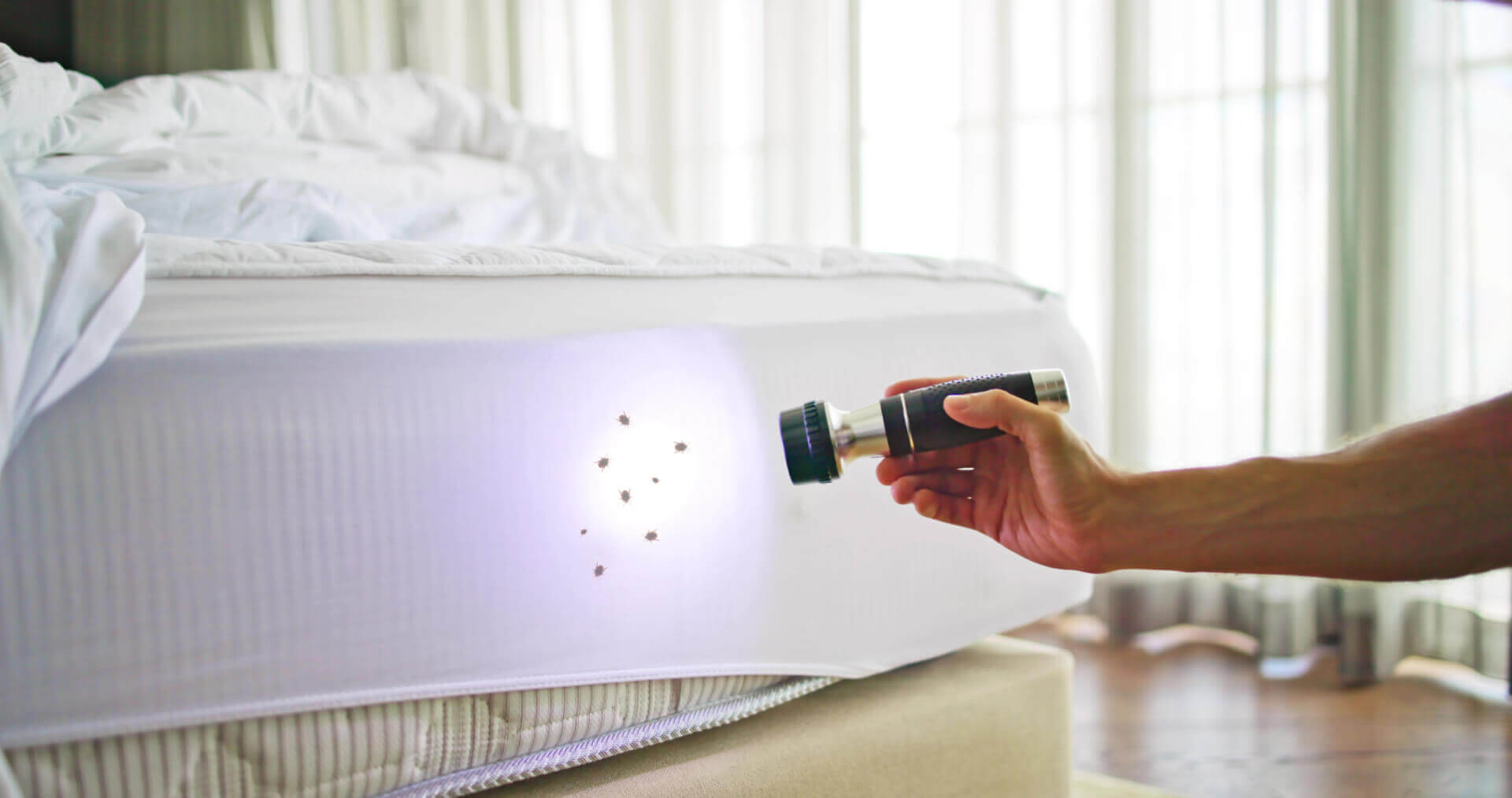
This brief preliminary check takes only a minute or two but significantly reduces your risk exposure and prepares you for the more detailed inspection to follow. It’s an essential habit for any seasoned traveler, contributing to a more relaxed and enjoyable Accommodation experience, whether your aim is to explore Famous Places or simply unwind.
The “BEDS” Inspection Method: A Comprehensive Guide
Now that your luggage is safely stowed and you’ve conducted an initial scan, it’s time for the detailed inspection. We’ll use the easy-to-remember “BEDS” method, which systematically covers the most common hiding spots for bed bugs. This approach is thorough and ensures no stone is left unturned in your quest for a bug-free stay. Remember, vigilance is key, whether you’re visiting ancient Landmarks in Athens or modern Architecture in Dubai.
B: Bedding – Sheets, Mattress, and Box Spring
The bed is ground zero for bed bugs, as it offers easy access to their preferred food source: you. This is where you should dedicate the most time and attention.
- Strip the Bed: Carefully pull back all the sheets, blankets, and pillowcases. Do this slowly to avoid scattering any potential bugs. As you do, visually inspect the fabric for any small, dark spots (fecal matter), blood stains, or shed skins.
- Inspect the Mattress:
- Seams and Piping: These are prime hiding spots. Run your flashlight along all the seams, tufts, and piping of the mattress. Use a credit card or similar stiff object to gently probe into these tight areas. Look for live bugs, eggs (tiny, pearly white), or dark fecal stains.
- Mattress Tags: Don’t forget the manufacturer’s tag on the mattress. The folds and creases of these tags are often overlooked but can harbor bed bugs.
- Under the Mattress: Lift the mattress to inspect the top of the box spring. Check the entire surface, especially along the edges and any fabric folds.
- Examine the Box Spring: This is a favorite hiding place due to its many wooden crevices and fabric folds.
- Fabric Underside: If the box spring has a fabric dust cover on the bottom, peel back a corner and check underneath. Bed bugs love to hide in these dark, undisturbed areas.
- Wooden Frame: Thoroughly inspect the wooden frame of the box spring. Look for cracks, joints, and staple holes where bugs can conceal themselves.
- Bed Frame and Headboard: Examine the bed frame itself, paying close attention to joints, screws, and any decorative elements. If the headboard is attached to the wall, pull it away slightly if possible (being careful not to damage Hotel property) to inspect the wall behind it. Many bugs hide there, particularly in cracks or crevices where the headboard meets the wall.
E: Elevate Your Investigation – Headboard and Wall Decor
Bed bugs don’t just stay on the bed. They are often found in objects connected to or near the bed.
- Behind the Headboard: As mentioned, if the headboard is affixed to the wall, this often creates a dark, undisturbed space perfect for bed bug colonies. Shine your light into any gaps.
- Picture Frames and Wall Art: Lift and inspect the backs of any pictures or wall decorations hanging near the bed. Check the frame seams and where the hanging wire connects.
- Curtains and Window Treatments: Bed bugs can climb. Carefully inspect the folds, hems, and seams of curtains, especially near the top where they meet the curtain rod and near the window sill.
- Electrical Outlets and Light Switches: Use your flashlight to peer into the outlets and switches near the bed. Bed bugs can use these as pathways within walls.
- Nightstands and Lamps: Check the undersides of nightstand drawers, the back panels, and around the base of lamps.
D: Drawers and Dressers – A Hidden Haven
These furniture pieces offer numerous hiding spots, especially if they are close to the bed.
- Empty and Inspect: Remove all items from drawers. This might include complimentary Hotel amenities.
- Inside and Under: Thoroughly inspect the inside of each drawer, paying attention to corners and joints. Then, remove the drawers from the dresser (if easily done without force) and inspect the dresser frame, particularly the slides and crevices.
- Undersides of Furniture: Use your flashlight to check the undersides of nightstands, dressers, and wardrobes. Look for any signs of bed bugs or their droppings.
S: Surroundings – Chairs, Sofas, and Other Furniture
Extend your inspection to all other furniture and structural elements in the room, particularly upholstered items.
- Upholstered Furniture: Carefully inspect any chairs, sofas, recliners, or ottomans in the room. Focus on the seams, piping, tufts, and under the cushions. Bed bugs often hide in these areas.
- Behind Loose Baseboards and Wallpapers: If you notice any loose wallpaper or baseboards, gently peek behind them. These can be prime hiding spots.
- Cracks and Crevices: Shine your flashlight into any visible cracks in walls, ceilings, or flooring.
- Closets: While less common, bed bugs can hide in closets, particularly in the corners, crevices, or on shelving if clothing is stored directly there.
This systematic “BEDS” approach, performed with a strong flashlight and a keen eye, greatly increases your chances of detecting any bed bug presence, allowing you to react appropriately and protect your Travel from unwanted interruptions. It’s a small investment of time for significant peace of mind, ensuring your exploration of Local Culture or pursuit of Activities is unmarred.
What To Do If You Find Bed Bugs
Discovering bed bugs in your Hotel room can be unsettling, but knowing the correct course of action can mitigate the situation quickly and effectively. Panic is your enemy; a calm, methodical response is your best friend. This applies whether you’re at a global chain like Marriott or a charming boutique Hotel near the Eiffel Tower.
Immediate Actions
- Do Not Disturb Further: Once you’ve confirmed the presence of bed bugs (or even strong suspicious signs), avoid disturbing them more than necessary. Do not squash them, as this can leave stains and spread eggs.
- Document Everything: Use your phone to take clear photos and videos of the bed bugs, their eggs, fecal spots, and shed skins. Document the exact location where you found them. This visual evidence will be crucial when speaking with Hotel management and potentially for any future claims. Note the date, time, and specific room number.
- Contact Hotel Management Immediately: Head to the front desk or call them from your room (without going back into the room if possible, or only briefly if necessary). Calmly explain the situation and present your evidence. Avoid any accusatory tone; simply state the facts.
- Request a New Room (and Inspect It!):
- Demand a Different Room: Politely but firmly request to be moved to a different room.
- Ensure Separation: Ask that the new room be on a different floor or, at the very least, not immediately adjacent, above, or below the infested room. Bed bugs can travel through wall voids.
- Inspect the New Room Thoroughly: Crucially, perform the entire “BEDS” inspection routine on the new room before moving your belongings in. Do not assume a new room is automatically bug-free.
- Consider Changing Hotels: If the Hotel staff seems dismissive, unhelpful, or unwilling to provide a satisfactory solution, do not hesitate to seek alternative Accommodation. Your health and peace of mind are paramount. This might involve checking Reviews for other properties or using a Comparison tool.
- Protect Your Belongings: Before moving to a new room or leaving the Hotel:
- Seal Your Luggage: Place all your belongings, especially clothing, into sealed plastic bags. Large garbage bags work well. Tie them off securely.
- Inspect Your Bags: Thoroughly inspect the outside of your luggage, including zippers, seams, and wheels, for any hitchhiking bugs. Use your flashlight. If possible, wipe down hard-sided luggage.
Post-Encounter Protocol: Protecting Your Home
The risk doesn’t end when you leave the infested room or even the Hotel. Preventing bed bugs from coming home with you is the final, vital step. This is particularly important after a Long-term Stay or a Family Trip where you might have accumulated more items.
- Isolate Upon Arrival Home: Do not bring your luggage directly into your bedroom or living areas. If possible, unpack in a garage, utility room, or even directly outside.
- Heat Treatment for Clothing:
- Wash and Dry on High Heat: Immediately empty all clothing (even unworn items) from your sealed bags directly into the washing machine. Wash everything in hot water.
- Tumble Dry Hot: The most effective killer of bed bugs and their eggs is heat. Dry all items on the highest heat setting for at least 30-40 minutes. Items that cannot be washed (e.g., dry-clean only) should still go into a hot dryer if suitable, or taken to a reputable dry cleaner with a full explanation.
- Inspect and Treat Luggage:
- Vacuum Thoroughly: Vacuum your suitcases meticulously, paying close attention to seams, zippers, pockets, and wheels. Immediately dispose of the vacuum bag in an outdoor trash can.
- Steam Clean: If you have access to a steam cleaner, use it on your luggage, paying attention to fabric folds and crevices. The high heat of steam is highly effective.
- Seal and Store: After cleaning, consider placing your empty luggage in sealed plastic bags for a few weeks or storing it in an area like an attic or garage, away from living spaces.
- Examine Other Items: Inspect shoes, toiletries bags, electronics, and any other items you traveled with. Wipe down hard surfaces with rubbing alcohol.
- Regular Home Inspection: For the next few weeks, remain vigilant. Check your own mattress, bed frame, and upholstered furniture regularly for any signs of bed bugs. Early detection is key to preventing a full-blown home infestation.
By following these proactive measures and having a clear plan for what to do if you encounter bed bugs, you significantly reduce the stress and potential cost associated with these pests. Your ability to calmly navigate such a situation ensures that bed bugs remain a minor setback rather than a major disruption to your enjoyable Travel plans, whether you’re exploring History or experiencing Nature.
Prevention and Peace of Mind: Beyond the Inspection
While a thorough room inspection is your primary line of defense against bed bugs in a Hotel, adopting a broader preventative mindset can further enhance your Travel safety and peace of mind. This holistic approach aligns with smart Tourism Tips and a savvy Lifestyle, ensuring your journeys, whether for Food adventures in Tokyo or cultural immersion in Florence, remain memorable for all the right reasons.
Research and Booking Smart
Your bed bug prevention strategy can begin even before you pack your bags.
- Read Recent Reviews: When Booking Accommodation, pay close attention to recent Reviews. Search specifically for keywords like “bed bugs,” “bites,” or “itching.” While one isolated review shouldn’t necessarily deter you, a pattern of complaints over time is a significant red flag. Websites like TripAdvisor or Google Reviews are invaluable resources.
- Consider Hotel Type: While no Hotel is immune, some budget Accommodation with high turnover and less rigorous cleaning protocols might pose a slightly higher risk. Conversely, even luxurious Villas or high-end Hotels can encounter them due to guests bringing them in. It’s truly about vigilance, not just price point.
- Ask Questions: If you have concerns, don’t hesitate to call the Hotel directly and ask about their bed bug prevention and treatment policies. Their response can offer insight into their commitment to guest comfort.
During Your Stay: Ongoing Vigilance
Even after your initial inspection, maintaining a few habits can further protect you.
- Utilize Luggage Racks: Always use the luggage rack provided, but only after you’ve inspected it. Keep your suitcase closed when not in use. Avoid placing bags directly on upholstered chairs or sofas.
- Keep Clothes Contained: Instead of scattering clothes around the room, keep them sealed in your suitcase or use the Hotel closet after a quick visual check. If possible, hang clothes rather than placing them in drawers directly.
- Be Mindful of Personal Items: Inspect items like books, laptops, and backpacks regularly if they are placed near the bed or on the floor.
- Avoid Bringing Second-Hand Items Home: If you purchase souvenirs or clothing from flea markets or antique shops during your Travel, inspect them thoroughly before bringing them into your main luggage or home. Consider cleaning or treating them immediately.
Embracing a Proactive Travel Mindset
Ultimately, staying informed and taking proactive steps empowers you to enjoy your travels without undue worry. Bed bugs are a reality in modern travel, but they don’t have to define your experience. By understanding how to check for them, what to do if you find them, and how to prevent them from returning home with you, you transform from a vulnerable guest into an informed, prepared traveler.
Whether your journey takes you to iconic Landmarks like the Colosseum, through vibrant cities, or into serene natural landscapes, your ability to secure your Accommodation against pests is a vital skill. This vigilance allows you to fully immerse yourself in the culture, Food, and Experiences that make Travel so rewarding. So pack your bags, but don’t forget your flashlight and your “BEDS” method – the keys to ensuring your next Hotel stay is nothing short of delightful.
LifeOutOfTheBox is a participant in the Amazon Services LLC Associates Program, an affiliate advertising program designed to provide a means for sites to earn advertising fees by advertising and linking to Amazon.com. Amazon, the Amazon logo, AmazonSupply, and the AmazonSupply logo are trademarks of Amazon.com, Inc. or its affiliates. As an Amazon Associate we earn affiliate commissions from qualifying purchases.