
For anyone considering a visit to the stunning landscapes of Oregon, from its rugged coastlines to its majestic mountains, or for those contemplating a longer-term stay in its vibrant communities, understanding the local tax structure is a crucial piece of the puzzle. While many states boast their lack of a particular tax burden, Oregon presents a distinctive financial landscape. The direct answer to the question “Does Oregon have state income tax?” is a resounding yes. However, to fully appreciate what this means for travelers, residents, and businesses alike, it’s essential to dive deeper into the nuances of Oregon’s fiscal policies and how they intertwine with the state’s incredible travel, tourism, and lifestyle offerings.
Unlike some states that rely heavily on sales tax or property tax, Oregon operates without a state sales tax, making it a unique destination for shoppers, especially those visiting metropolitan hubs like Portland or the charming boutiques in Bend. This absence of a sales tax often offsets, to some degree, the presence of an income tax for many consumers. However, the state income tax is a significant factor, particularly for those earning an income within Oregon’s borders, whether as a full-time resident, a seasonal worker, or a remote employee temporarily residing in an idyllic Oregon Coast rental. This article will explore the specifics of Oregon’s state income tax, its implications for various types of income earners, and how it shapes the overall economic environment that supports the state’s thriving tourism and lifestyle sectors. Understanding these financial aspects can help individuals plan their trips, evaluate relocation options, and appreciate the public services and infrastructure that tax revenues help maintain, from pristine state parks to well-maintained roads leading to iconic landmarks.

Understanding Oregon’s State Income Tax Landscape
Oregon’s approach to taxation is distinct, primarily characterized by a progressive state income tax coupled with the complete absence of a statewide sales tax. This structure creates a unique economic environment that influences everything from the price of a souvenir in Cannon Beach to the cost of living in Eugene or Corvallis. For anyone interacting with Oregon’s economy, whether as a tourist or a potential new resident, grasping these fundamentals is key.
The Basics: How Oregon’s Income Tax Works
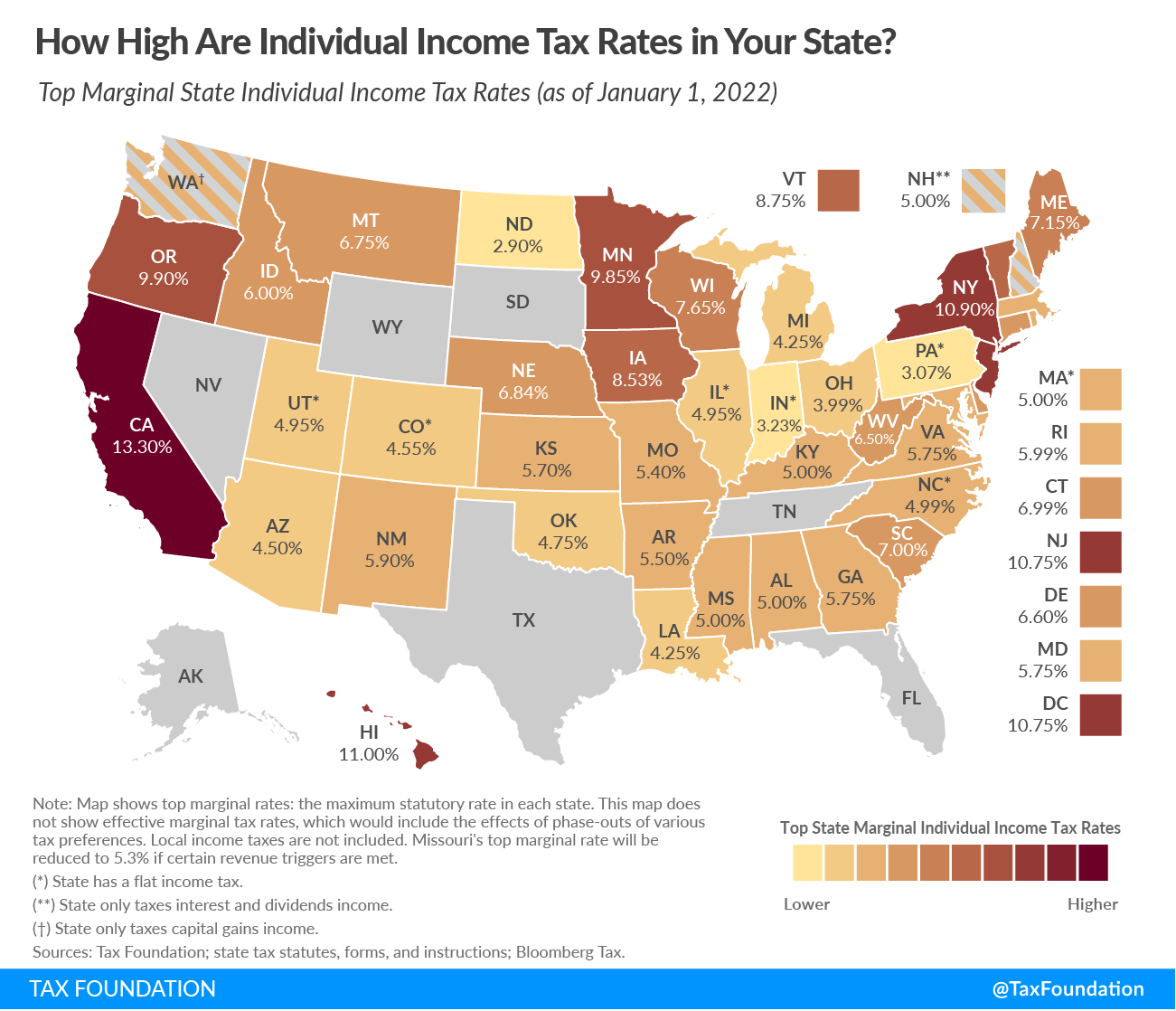
Oregon employs a progressive income tax system, meaning that higher earners pay a larger percentage of their income in taxes. The state’s income tax rates are among the highest in the nation for top earners, with various brackets that determine the exact percentage of tax owed. These rates can be adjusted periodically by the state legislature, so staying informed about current figures is always advisable. Taxable income includes wages, salaries, investment income, and most other forms of earned revenue. Residents are subject to Oregon income tax on all their worldwide income, while non-residents are generally taxed only on income derived from Oregon sources. This distinction is crucial for remote workers or those who split their time between Oregon and another state.
It’s also important to remember the flip side of this equation: the absence of a statewide sales tax. This means that when you purchase goods and services – whether it’s a meal at a Portland restaurant, outdoor gear in Bend, or a handcrafted item in Ashland – you won’t see an additional percentage tacked on at the register. This can make shopping and dining experiences feel more straightforward and potentially more affordable than in states with high sales taxes. However, local taxes, such as transient lodging taxes on hotel stays or certain local option taxes, may still apply. Property taxes are also a significant component of Oregon’s revenue, varying widely by county and municipality, directly impacting the cost of accommodation and real estate throughout the state.

How It Compares: A National Perspective
When evaluating Oregon’s tax structure, it’s helpful to compare it to other states. Several states, such as Washington, Nevada, Florida, and Texas, do not levy a state income tax at all, often relying instead on higher sales taxes or property taxes to fund public services. Conversely, states like California and New York also have progressive income tax systems, with rates that can be comparable to or even higher than Oregon’s for top earners. The choice between a state with high income tax but no sales tax, or vice versa, often comes down to individual spending habits and income levels.
For businesses and residents, this comparison is vital. Companies considering establishing a presence in Oregon, especially in tech hubs like the Silicon Forest area near Portland, must factor in the state’s corporate income tax alongside individual income taxes for employees. Similarly, individuals contemplating a move to Oregon from a state with a different tax profile will need to conduct a thorough financial assessment to understand the real impact on their take-home pay and overall cost of living. While the income tax might seem daunting to some, the absence of sales tax can offer significant savings on consumer goods, and the quality of life, natural beauty, and robust public services often provided through these tax revenues are considered compelling benefits by many.
The Impact on Travel and Tourism in Oregon
While state income tax directly impacts residents and those earning income within Oregon’s borders, its effects on travel and tourism are more indirect but no less significant. The tax structure helps shape the environment that visitors come to enjoy, influencing everything from the maintenance of natural attractions to the pricing of local goods and services.
Budgeting for Your Oregon Getaway
For the typical tourist visiting Oregon, the state income tax itself generally won’t be a direct line item on your travel budget. You won’t pay income tax on the money you spend while on vacation. However, the absence of a statewide sales tax is a huge advantage for visitors. When planning your budget for shopping, dining, and other purchases, you can calculate the exact cost of an item without having to factor in an additional percentage at checkout. This makes souvenir shopping in Astoria, buying craft beers in Portland, or purchasing outdoor gear in Sisters a more transparent and often more budget-friendly experience compared to states with high sales taxes.
Nevertheless, visitors should be aware of other taxes that do apply. Hotels, resorts, and vacation rentals throughout Oregon are subject to transient lodging taxes, which are local taxes levied on short-term accommodations. These rates vary by city and county, so the final price for a stay at a luxury destination like the Salishan Coastal Lodge on the Oregon Coast or a boutique hotel in downtown Portland will include these additional charges. Similarly, car rentals and some specific services may have local surcharges or fees. Despite these, the overall impression for many tourists is that Oregon offers excellent value, particularly given the high quality of its attractions and the competitive pricing of many goods due to the lack of sales tax. This financial aspect certainly plays a role in attracting visitors who prioritize value and direct pricing.
Investment in Infrastructure and Services
The revenues generated from Oregon’s state income tax are crucial for funding a wide array of public services and infrastructure projects that directly benefit both residents and tourists. These funds support the maintenance of the state’s extensive highway system, making it easier for travelers to explore destinations like Crater Lake National Park, drive along the scenic Columbia River Gorge, or access the many hiking trails around Mount Hood.
Furthermore, income tax revenue contributes significantly to the state park system, ensuring that natural wonders remain accessible and well-preserved. This means visitors can enjoy pristine environments, from the dramatic cliffs of the Oregon Coast to the majestic forests of the Wallowa Mountains and the unique geological formations of the Painted Hills, knowing that these areas are cared for through public investment. These funds also support various cultural institutions, arts programs, and historical sites, enriching the tourism experience in cities like Ashland, home to the famous Oregon Shakespeare Festival. The collective result is a robust tourism infrastructure that enhances the visitor experience, making Oregon a desirable destination for a diverse range of travelers seeking outdoor adventure, cultural immersion, or simply a relaxing escape.
Living and Lifestyle Considerations in Oregon
Beyond its appeal as a tourist destination, Oregon offers a distinct lifestyle that attracts many to consider it home. The state’s tax structure, while seemingly complex, plays an integral role in shaping the daily lives of its residents, influencing everything from household budgets to the quality of public services.
Relocation and Residency: What to Expect
For individuals and families contemplating a move to Oregon, the state income tax is a primary financial consideration. Once established as an Oregon resident, you will be subject to state income tax on all your income, regardless of where it was earned. This includes wages, salaries, business profits, interest, dividends, and capital gains. Retirement income, such as pensions and distributions from IRAs and 401(k)s, is also generally taxable, although certain exclusions or subtractions may apply depending on the type and source of income. This is a crucial point for retirees or those planning their retirement, as the tax implications can significantly affect their fixed income.
Property taxes also form a substantial part of the cost of living in Oregon. While not directly tied to income tax, they are an essential component of the overall tax burden for homeowners. These taxes vary by county and are used to fund local services like schools, fire departments, and municipal infrastructure. Popular residential areas like Portland, Bend, and communities in the Willamette Valley often have higher property values and, consequently, higher property tax bills. Renters also indirectly contribute to property taxes through their rental payments. Therefore, a comprehensive financial plan for relocation must account for both state income tax and local property taxes to accurately estimate the cost of living. Understanding these elements is fundamental to making an informed decision about embracing the Oregon lifestyle.
The Oregon Lifestyle: Balancing Taxes with Quality of Life
Despite the higher income tax rates compared to some states, many residents find Oregon’s quality of life to be a compelling trade-off. The revenue generated from state income tax is reinvested into robust public services, including education, healthcare, and social programs, which contribute to the overall well-being of its communities. Oregon consistently ranks highly for its natural beauty, environmental initiatives, and access to outdoor recreation, factors that are often supported by public funding.
The state offers an unparalleled array of outdoor activities, from skiing and snowboarding on Mount Hood to whitewater rafting on the Rogue River or fishing on the Deschutes River. Hiking and biking trails are abundant, leading to breathtaking vistas at Smith Rock State Park or serene moments along the Pacific Ocean on the Oregon Coast. Culturally, cities like Portland boast a vibrant arts scene, diverse culinary experiences, and unique neighborhoods. The Willamette Valley is world-renowned for its wine production, offering a luxurious lifestyle for those who appreciate fine vintages and picturesque vineyards. For families, access to quality public education and community parks is often a significant draw. The lack of sales tax also means that daily expenditures on consumer goods are effectively lower, which can help mitigate the impact of the income tax for some households. Ultimately, for many, the investment in public services, coupled with the exceptional natural environment and unique cultural offerings, makes the financial commitment of Oregon’s tax structure a worthwhile decision for their chosen lifestyle.
Navigating Accommodation and Business in Oregon
The presence of state income tax in Oregon has far-reaching implications that extend beyond personal finances, touching upon the operational aspects of the hospitality industry and the broader business environment. For travelers planning their stays and entrepreneurs considering investment, these factors play a subtle yet significant role.
Hotels, Resorts, and Rental Properties
For accommodation providers in Oregon, such as hotels, resorts, and vacation rental owners, the state income tax impacts their business costs. Like any other business, they are subject to corporate income tax on their profits, and their employees pay individual state income tax on their earnings. These operational costs are naturally factored into the pricing of rooms and services. While guests do not directly pay the state income tax, its presence can indirectly influence the overall rates for a stay at a grand establishment like Timberline Lodge on Mount Hood, a luxurious retreat such as The Allison Inn & Spa in the Willamette Valley, or a family-friendly spot like Riverhouse on the Deschutes in Bend.
Additionally, as previously mentioned, hotels and rental properties collect transient lodging taxes. These are local taxes, often a percentage of the room rate, that go towards funding local tourism promotion and infrastructure. While not a state income tax, it’s an important consideration for travelers budgeting for their accommodation. The lack of state sales tax, however, often simplifies billing for guests, as the price quoted for most services (excluding lodging and specific local fees) is the final price. This clarity can be a pleasant surprise for visitors accustomed to calculating sales tax on top of advertised prices in other states. Portland, for instance, offers a diverse range of accommodations, from historic hotels like the Heathman Hotel to more modern options like the Hotel Vintage Portland, all operating within this unique tax framework.
Business Travel and Investment
For business travelers or companies looking to invest in Oregon, the state’s tax environment presents a mixed bag of considerations. Companies operating in Oregon are subject to corporate income tax. However, the state offers various incentives and a relatively stable economic climate, particularly in growing sectors like technology in the Silicon Forest, sustainable agriculture, and outdoor recreation. These industries attract significant business travel, with professionals attending conferences, engaging with clients, or exploring investment opportunities.
Remote workers who choose to reside in Oregon for extended periods will also find themselves subject to state income tax on their earnings, regardless of where their employer is based. This is a crucial point for the growing digital nomad community and those seeking long-term accommodation options, as establishing residency means embracing Oregon’s full tax responsibilities. However, the absence of sales tax can be a benefit for businesses, as it reduces the cost of purchasing supplies, equipment, and services within the state. Oregon’s commitment to sustainability, its educated workforce, and its strategic location on the Pacific Ocean also make it an attractive place for certain types of businesses, offsetting the impact of the income tax for those who find value in the state’s other offerings. Understanding this balance is key for any business considering its footprint or any professional contemplating a longer-term stay in the Beaver State.
Conclusion
In conclusion, the answer to “Does Oregon have state income tax?” is unequivocally yes. This fundamental aspect of Oregon’s financial structure shapes much of its economic landscape, influencing residents, businesses, and even visitors in various direct and indirect ways. While the state income tax rates are among the higher end nationally, it’s crucial to consider this within the broader context of Oregon’s unique tax system, which notably excludes a statewide sales tax. This absence of sales tax can significantly benefit consumers and businesses alike, making shopping, dining, and purchasing goods often more transparent and sometimes more affordable than in states that levy sales tax.
For travelers, the income tax primarily manifests in the form of well-maintained infrastructure, beautiful state parks like Crater Lake National Park, and thriving cultural attractions from the Portland Japanese Garden and International Rose Test Garden to the Pittock Mansion, which are all supported by state revenues. The cost of accommodation will include local transient lodging taxes, but general purchases will be free of sales tax. For those considering relocation, the state income tax is a primary financial consideration, impacting overall cost of living alongside property taxes. However, many residents find the trade-off worthwhile, valuing Oregon’s high quality of life, commitment to environmental preservation, robust public services, and unparalleled access to natural beauty and outdoor adventures. The famous Tillamook Creamery or a visit to the Columbia River Gorge remain accessible and appealing, reflecting the state’s dedication to its attractions.
Ultimately, whether you are planning a short getaway to explore the diverse regions of Oregon, seeking luxury accommodations, or contemplating a long-term lifestyle change, understanding the state’s tax environment is essential. It contributes to the unique character and offerings that make Oregon such a compelling destination, ensuring that both its natural wonders and vibrant communities continue to thrive.
LifeOutOfTheBox is a participant in the Amazon Services LLC Associates Program, an affiliate advertising program designed to provide a means for sites to earn advertising fees by advertising and linking to Amazon.com. Amazon, the Amazon logo, AmazonSupply, and the AmazonSupply logo are trademarks of Amazon.com, Inc. or its affiliates. As an Amazon Associate we earn affiliate commissions from qualifying purchases.