
For many, the allure of travel is about discovering new horizons, immersing oneself in vibrant cultures, and experiencing diverse lifestyles. From the bustling streets of global metropolises to serene natural escapes, every journey promises unique memories. But whether you’re embarking on a luxurious getaway, planning an extended stay as a digital nomad, or even contemplating a complete relocation, one fundamental aspect remains universal: the need for security and peace of mind. This isn’t just about travel insurance for unexpected bumps on the road; it’s about understanding the foundational support systems available, especially healthcare, as you establish new roots or extend your adventures.
Imagine the vast and captivating landscapes of Texas. This diverse state, famed for its sprawling ranches, cutting-edge cities, rich history, and unique blend of Southern charm and Western grit, attracts millions. From the live music capital of Austin to the historic reverence of San Antonio, the sprawling urbanity of Houston, and the cosmopolitan flair of Dallas, Texas offers a lifestyle for every preference. For those considering a long-term stay, a seasonal residence, or a permanent move, navigating the local infrastructure becomes paramount. And among the most critical pieces of that infrastructure is healthcare.
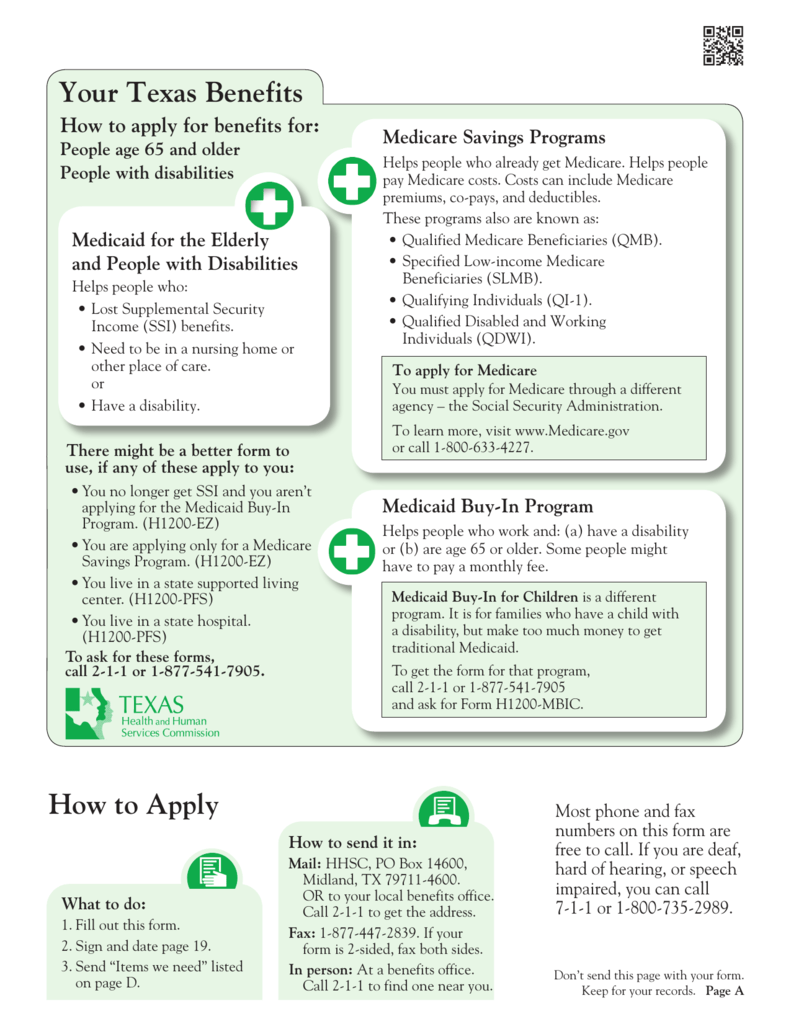
This guide isn’t just about a bureaucratic process; it’s about empowering you to build a secure foundation for your chosen lifestyle in Texas. It’s about ensuring that your dreams of exploring the Texas Hill Country, enjoying a vibrant art scene, or simply settling into a peaceful community are underpinned by access to essential medical care. If you find yourself in a situation where you qualify for assistance, understanding how to apply for Medicaid in Texas is an invaluable piece of knowledge, offering a safety net that can transform your experience from merely visiting to truly thriving.
Navigating Healthcare as a Long-Term Visitor or New Resident in Texas
When you envision a long-term stay or even a permanent relocation, your mind likely conjures images of vibrant markets, historic landmarks, exquisite local cuisine, and perhaps even finding the perfect accommodation – be it a charming apartment or a cozy cottage. What often gets overlooked in the initial excitement is the practical reality of daily life, particularly healthcare access. For those planning an extended stay in the Lone Star State, understanding local healthcare options is as crucial as knowing where to find the best barbecue. Medicaid, a joint federal and state program, serves as a vital resource for eligible low-income individuals and families, providing access to necessary medical services. For new residents or those whose circumstances change during their time in Texas, it can be a critical safety net.
Understanding Medicaid in the Context of Your Texas Lifestyle
Medicaid in Texas is designed to ensure that eligible individuals, regardless of their background or previous locale, have access to essential healthcare. For a travel enthusiast transitioning to a more permanent Texas lifestyle, or a family planning a long-term relocation, this program offers significant peace of mind. It covers a broad spectrum of services, from doctor visits and hospital stays to prescription medications and preventative care. This means you can focus on enjoying the rich tourism experiences Texas has to offer, from exploring the natural beauty of Big Bend National Park to immersing yourself in the cultural tapestry of Houston’s museum district, without constant worry about potential medical expenses.
It’s a common misconception that such programs are solely for lifelong residents. In truth, if you establish residency in Texas and meet the eligibility criteria, you are just as entitled to apply. This understanding empowers you to integrate fully into your new community, knowing that a fundamental aspect of well-being is addressed. Whether you’re a young professional seeking new opportunities, a retiree looking for a vibrant new chapter, or a family seeking a supportive environment, Medicaid can be a cornerstone of a secure and fulfilling Texas lifestyle.
Who is Eligible? Crafting Your Texas Residency Story
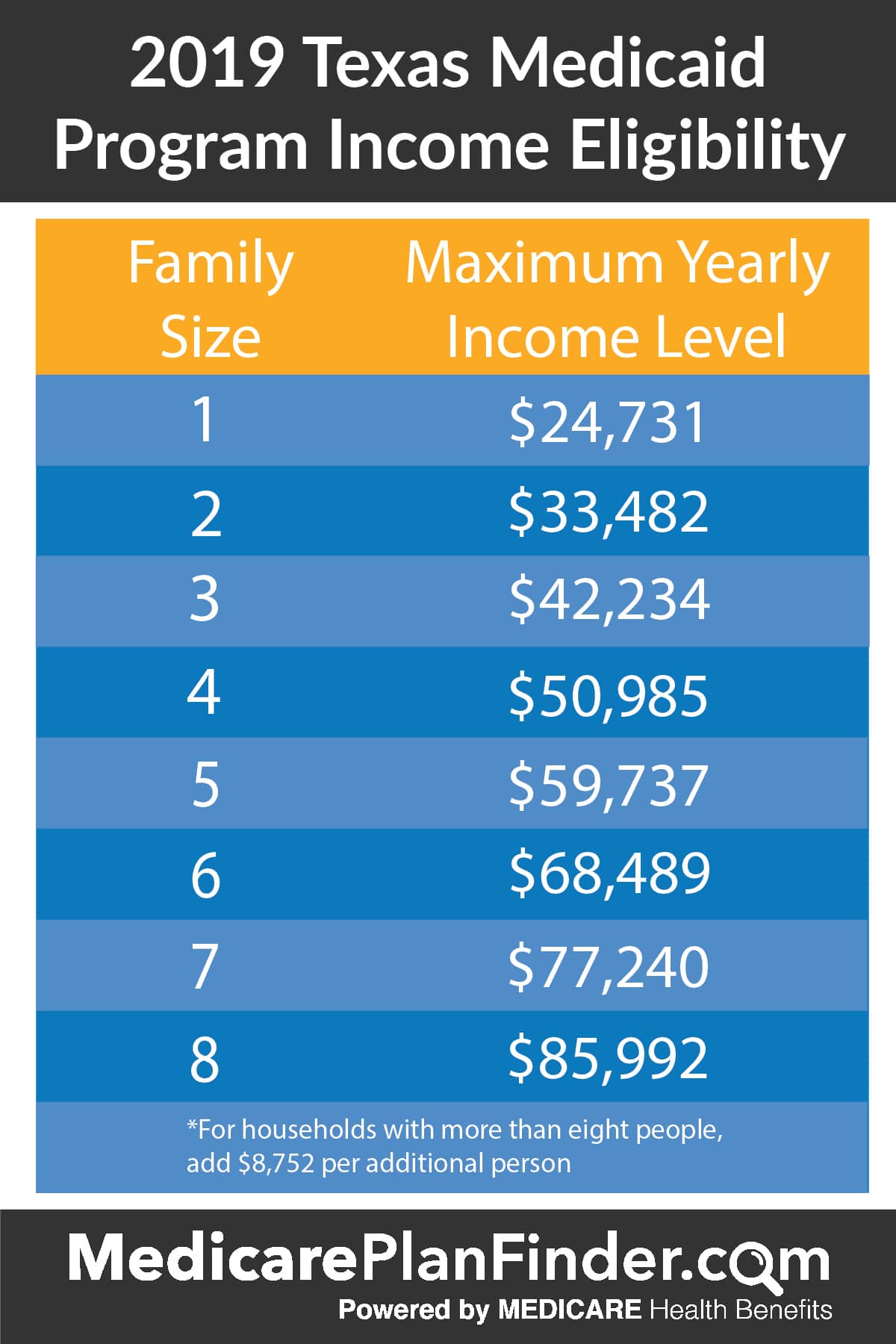
Eligibility for Medicaid in Texas is primarily based on income, family size, and specific circumstances such as age (children and the elderly), pregnancy, or disability. While Texas has not expanded its Medicaid program under the Affordable Care Act to cover all low-income adults, it does provide coverage to several key groups. These include:
- Children and Pregnant Women: This is a broad category, recognizing the importance of early life and maternal health.
- Parents and Caretakers: Low-income parents or relatives caring for children may qualify.
- Individuals with Disabilities: Those who meet disability criteria and specific income thresholds are eligible.
- Seniors: Individuals aged 65 and older who also meet income and resource limits.
Crucially, establishing residency in Texas is a fundamental requirement. This isn’t just about arriving in the state; it involves demonstrating an intent to reside there. For travelers or those transitioning, this might mean:
- Securing Long-Term Accommodation: Moving from short-term hotels or vacation rentals to a lease agreement for an apartment or house in cities like Austin or Dallas.
- Obtaining a Texas Driver’s License or State ID: This is a clear indicator of residency.
- Registering to Vote: Another strong signal of establishing roots.
- Enrolling Children in Local Schools: For families, this demonstrates a commitment to the community.
- Opening Bank Accounts and Utility Services: These financial and household actions solidify your presence.
Your “Texas residency story” is about compiling these elements to show that Texas is now your primary home. For budget travelers or digital nomads, understanding these criteria early can help in planning a smoother transition if a long-term stay becomes your chosen path.
The Application Journey: Your Step-by-Step Guide for Settling in Texas
Embarking on the Medicaid application process might seem daunting, especially if you’re new to Texas. However, viewing it as another essential step in solidifying your presence and securing your well-being in the state can make it feel less like a bureaucratic hurdle and more like a proactive choice for a stable lifestyle. Just as you’d research the best travel routes or compare hotel amenities, approaching your healthcare application with diligence ensures a smoother experience. The Texas Health and Human Services Commission (HHSC) oversees Medicaid applications, and they offer several accessible pathways.
Gathering Your Essentials: Documentation for a Smooth Transition
Before you begin the application, preparation is key. Think of it like packing for an important journey: you need all your essentials ready. Having the correct documents on hand will significantly expedite the process and prevent unnecessary delays. The HHSC will require documentation to verify your identity, residency, income, and resources. Here’s a typical checklist:
- Proof of Identity: A valid photo ID such as a Texas driver’s license, state ID card, or passport. For those recently relocated, a passport might be your initial form of ID before obtaining a Texas ID.
- Proof of Citizenship or Legal Immigration Status: Birth certificate, U.S. passport, or immigration documents (e.g., Green Card, visa). This is crucial for determining eligibility.
- Proof of Texas Residency: Utility bills, lease agreements, mail with your Texas address, or a Texas driver’s license/ID card. For someone who has recently moved from a Dallas hotel to a rental, the lease agreement will be paramount.
- Proof of Income: Pay stubs, tax returns, employer statements, or other documents showing all sources of income for every member of your household. This is a critical factor for eligibility.
- Proof of Resources/Assets: Bank statements, property deeds, vehicle titles, or other documentation of financial assets. For certain eligibility groups (e.g., seniors, individuals with disabilities), there are limits on countable resources.
- Social Security Numbers (SSN): For all household members applying for assistance.
- Proof of Pregnancy (if applicable): Doctor’s note or medical records.
- Proof of Disability (if applicable): Medical records or disability determination letters.
Organizing these documents beforehand in a physical folder or a secure digital format will ensure you’re ready when you apply. It’s a foundational step, much like ensuring all your booking confirmations are in order before a major trip.
Choosing Your Path: Online, Phone, or In-Person at a HHSC Office
The Texas Health and Human Services Commission understands that people have different preferences and access levels, offering multiple convenient ways to apply for Medicaid:
- Apply Online through YourTexasBenefits.com: This is often the quickest and most preferred method for many, especially those accustomed to digital processes. The YourTexasBenefits website is a user-friendly portal where you can create an account, complete your application, upload required documents, and track its status. It’s available 24/7, making it ideal for busy individuals who might be juggling work, exploring Texas’s attractions, or managing family responsibilities.
- Apply by Phone: You can call 2-1-1 (select option 2) to apply for benefits. A representative can guide you through the application questions and explain what documents you’ll need to submit. This option is excellent for those who prefer verbal communication or have questions that are easier to address interactively.
- Apply In-Person at a HHSC Office: For those who prefer face-to-face interaction, need assistance with technology, or simply feel more comfortable discussing sensitive information in person, visiting a local HHSC office is an option. You can find office locations in major cities like Houston, San Antonio, Dallas, and Austin, as well as smaller communities throughout the state. This can be an opportunity to interact with local services, much like visiting a tourism information center to get local insights. Remember to bring all your prepared documents.
- Apply by Mail or Fax: You can print an application from YourTexasBenefits.com or pick one up at an HHSC office, fill it out, and mail or fax it along with your documents. This offers flexibility for those without easy internet access or who prefer traditional methods.
No matter which method you choose, be thorough and honest with all information provided. Incomplete or inaccurate applications can lead to delays or denials. The goal is a smooth transition to a secure healthcare footing, allowing you to fully embrace your Texas adventure.
Beyond the Application: Maintaining Your Healthcare While Enjoying Texas
Submitting your Medicaid application is a significant step, but it’s just the beginning of establishing your healthcare security in Texas. Understanding what happens after you apply and how to maintain your coverage ensures that your access to care remains uninterrupted. This ongoing engagement is part of responsible long-term living, allowing you to immerse yourself fully in the vibrant lifestyle Texas offers, from exploring its historical landmarks to enjoying its diverse culinary scene, with the peace of mind that your health needs are covered.
What Happens Next? Your Enrollment and Benefits
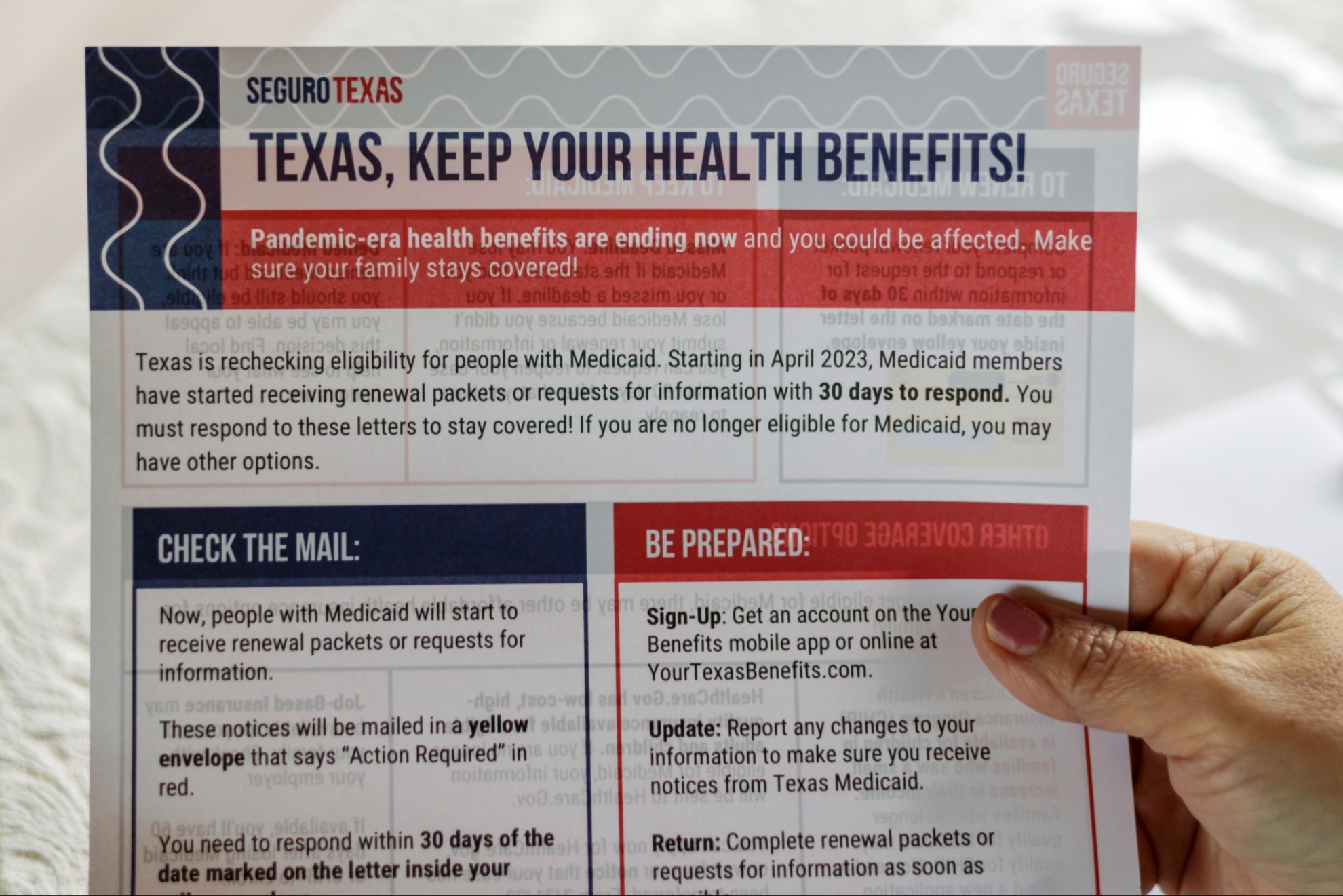
After you submit your application, the Texas Health and Human Services Commission (HHSC) will review it, verify your information, and determine your eligibility. This process typically involves:
- Review and Verification: HHSC staff will review your submitted documents and may contact you for additional information or clarification. They might also cross-reference your details with other state or federal databases.
- Interview (if needed): In some cases, an interview might be required, either by phone or in person, to gather more details about your household and financial situation.
- Decision Notification: Once a decision is made, you will receive a written notice in the mail. If approved, this notice will confirm your eligibility and outline the benefits you qualify for.
- Managed Care Plan Selection: In Texas, most Medicaid recipients enroll in a managed care health plan. This means you will need to choose a health plan from the options available in your service area (e.g., Austin, Houston, Dallas). These plans work similarly to private insurance, providing a network of doctors, specialists, and hospitals. You’ll receive information about how to select a plan, or one will be assigned to you if you don’t choose one by a certain deadline.
- Receiving Your ID Cards: Once enrolled in a managed care plan, you will receive a health plan ID card, along with your Texas Medicaid card (YourTexasBenefits card). These cards are essential for accessing medical services.
The waiting period for approval can vary, but generally, it’s advised to apply as soon as you anticipate needing coverage. Once approved and enrolled, you gain access to a network of healthcare providers, ensuring that from routine check-ups to unexpected medical needs, you have support. This level of security allows you to truly relax and savor your experiences, whether it’s a weekend getaway to the Texas Gulf Coast or simply enjoying a quiet evening in your new home.
Staying Covered: Renewals and Reporting Changes
Medicaid coverage is not a one-time approval; it requires ongoing engagement to ensure you remain eligible. Think of it like renewing your passport or extending your accommodation lease – periodic checks are necessary.
- Annual Renewals: Medicaid benefits in Texas are typically approved for a specific period, often 6 or 12 months. Before your benefits expire, HHSC will send you a renewal packet. It is crucial to complete and return this packet by the deadline to avoid a lapse in coverage. This renewal process involves re-verifying your income, residency, and other eligibility factors. Many people find it convenient to complete their renewals online via YourTexasBenefits.com.
- Reporting Changes: One of the most critical responsibilities of a Medicaid recipient is to report any changes in your household circumstances to HHSC within 10 days. This includes:
- Changes in Income: A new job, a raise, or a reduction in work hours can affect your eligibility.
- Changes in Household Size: Births, deaths, marriages, divorces, or children moving in or out of the home.
- Changes in Address: Moving to a new city like Corpus Christi or even a new neighborhood within Austin must be reported.
- Changes in Resources: If your assets increase significantly.
- Changes in Disability Status: If there’s a change in your medical condition or disability determination.
Failing to report changes can lead to incorrect benefit amounts, overpayments that you might have to repay, or even loss of coverage. Staying proactive ensures that your healthcare journey in Texas remains stable and secure, allowing you to continue exploring its many wonders, from the vibrant Riverwalk in San Antonio to the awe-inspiring Space Center Houston, without the underlying anxiety of potential health emergencies.
Ultimately, understanding and navigating the Medicaid application process is an integral part of establishing a truly fulfilling and secure lifestyle in Texas. Whether you are drawn by the promise of adventure, the warmth of its communities, or the boundless opportunities, knowing that you have access to essential healthcare provides an invaluable layer of peace of mind. It allows you to transform your vision of Texas from a temporary destination into a place where you can confidently live, thrive, and fully immerse yourself in every experience. By taking these proactive steps, you’re not just applying for a benefit; you’re investing in your future well-being and unlocking the full potential of your Texas journey.
LifeOutOfTheBox is a participant in the Amazon Services LLC Associates Program, an affiliate advertising program designed to provide a means for sites to earn advertising fees by advertising and linking to Amazon.com. Amazon, the Amazon logo, AmazonSupply, and the AmazonSupply logo are trademarks of Amazon.com, Inc. or its affiliates. As an Amazon Associate we earn affiliate commissions from qualifying purchases.