
The question “Is Puerto Rico Dangerous?” is a natural one for any traveler contemplating a visit to this vibrant Caribbean island. Like any travel destination, Puerto Rico has its nuances, but with proper preparation and awareness, it is overwhelmingly a safe and enchanting place for tourists. This guide aims to provide a comprehensive overview of safety in Puerto Rico, offering insights into common concerns, practical tips for a secure journey, and how to fully embrace the island’s unique charm with peace of mind.
Puerto Rico, an unincorporated territory of the United States, benefits from a blend of familiar infrastructure and distinct Caribbean culture. Its allure lies in its stunning beaches, lush rainforests, rich history, and lively local traditions. From the cobblestone streets of Old San Juan to the bioluminescent bays of Vieques and Fajardo, the island offers a mosaic of experiences. Understanding the safety landscape allows visitors to focus on enjoying these wonders rather than worrying about potential risks.
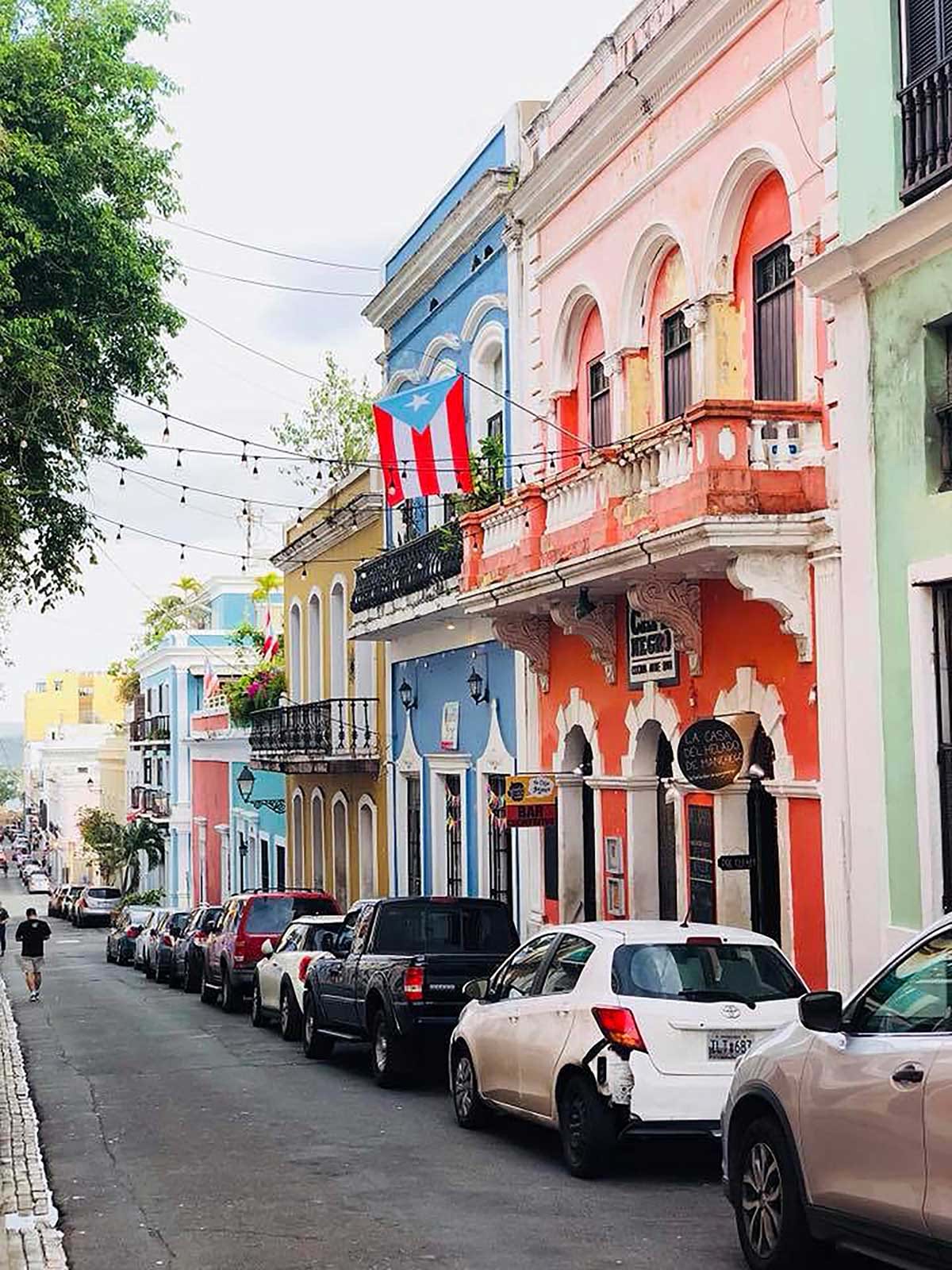
Overall, tourist areas in Puerto Rico are generally considered safe, particularly during the day. As with any travel, exercising common sense, being aware of your surroundings, and taking basic precautions will significantly enhance your safety. This includes safeguarding valuables, avoiding isolated areas at night, and respecting local customs. By addressing common safety concerns head-on, we hope to dispel myths and provide a realistic perspective for your next adventure.
Understanding Safety in Puerto Rico
To truly appreciate the safety profile of Puerto Rico, it’s essential to look beyond sensational headlines and consider various factors, from crime statistics to environmental realities. A balanced understanding allows travelers to make informed decisions and prepare effectively.
Crime Statistics and Tourist Safety
When travelers ask about danger, crime is often the first thing that comes to mind. Puerto Rico, like many places with significant economic disparities, does experience crime. However, the vast majority of serious criminal incidents are localized to specific neighborhoods, often related to drug trafficking, and rarely involve tourists.
The most common crimes affecting visitors are petty theft and opportunistic crimes. These include pickpocketing, bag snatching, and car break-ins. Such incidents typically occur in crowded tourist areas, on public transport, or at popular beach parking lots.
- Pickpocketing: Be vigilant in busy spots like markets, festivals, and crowded streets in San Juan or Ponce. Keep wallets in front pockets and bags secured.
- Car Break-ins: Never leave valuables visible in your rental car, especially when parked at beaches, trailheads in El Yunque National Forest, or remote attractions.
- Muggings: While rare for tourists, exercise caution when walking alone at night, particularly on poorly lit streets or in unfamiliar areas. Stick to well-populated and well-lit routes.
Violent crime, while present on the island, primarily affects the local population and is usually concentrated in specific communities. Tourist areas like Old San Juan, Condado, Isla Verde, and popular resort towns like Rincón and Dorado are generally well-patrolled and experience lower rates of crime involving visitors. The local authorities understand the importance of tourism to the island’s economy and strive to maintain a safe environment for international guests.
Common Tourist Scams and How to Avoid Them
Beyond direct crime, travelers should also be aware of potential scams, which are designed to trick visitors out of money or possessions.
- Overpriced Services: Taxis or vendors might try to charge inflated prices, especially if you don’t confirm the fare or price beforehand. Always agree on a price before services begin, or use metered taxis or ride-sharing apps like Uber where prices are fixed.
- Fake Guides or Tour Operators: Be wary of individuals offering unsolicited tour services. Book excursions through reputable hotels, established tour companies, or verified online platforms.
- “Helpful” Strangers: While most locals are genuinely friendly, a scammer might approach you offering “help” with directions or local information, only to demand payment or distract you for theft. Politely decline and seek assistance from official information centers or hotel staff.
- Timeshare Pitches: Be cautious of aggressive timeshare presentations that promise freebies but demand significant time or pressure you into purchases.
The best defense against scams is awareness and a healthy dose of skepticism. If an offer seems too good to be true, it probably is. Always verify legitimacy, read reviews, and trust your instincts.
Natural Disasters and Environmental Concerns
Puerto Rico is located in an active seismic zone and the hurricane belt, making it susceptible to natural disasters.
- Hurricanes: Hurricane season runs from June 1st to November 30th, with peak activity from August to October. While not every season brings a direct hit, travelers visiting during this period should stay informed about weather forecasts from sources like the National Hurricane Center (NHC). If a hurricane threatens, follow instructions from local authorities, which may include evacuation. Resorts and hotels often have robust emergency plans.
- Earthquakes: Puerto Rico experiences frequent, mostly minor, seismic activity. Significant earthquakes are less common but can occur, as seen in late 2019 and early 2020. Hotels are built to withstand seismic activity, but it’s wise to know emergency procedures (e.g., “drop, cover, hold on”). Information from the United States Geological Survey (USGS) provides real-time seismic data.
- Tsunamis: While rare, major earthquakes can trigger tsunamis. Coastal areas have evacuation routes and warning systems.
- Rip Currents: Puerto Rico’s beautiful beaches can have strong rip currents. Always swim near lifeguards, heed warning flags, and if caught in a rip current, swim parallel to the shore until you can break free, then swim towards the beach.
- Sun Exposure: The tropical sun is intense. Prevent sunburn and heatstroke by using high-SPF sunscreen, wearing hats and sunglasses, staying hydrated, and seeking shade during peak hours.
Being informed about potential natural events and knowing how to react is crucial for safety. Many travel insurance policies offer coverage for trip cancellations or interruptions due to natural disasters, which is worth considering.
Navigating Puerto Rico: Tips for a Safe Journey
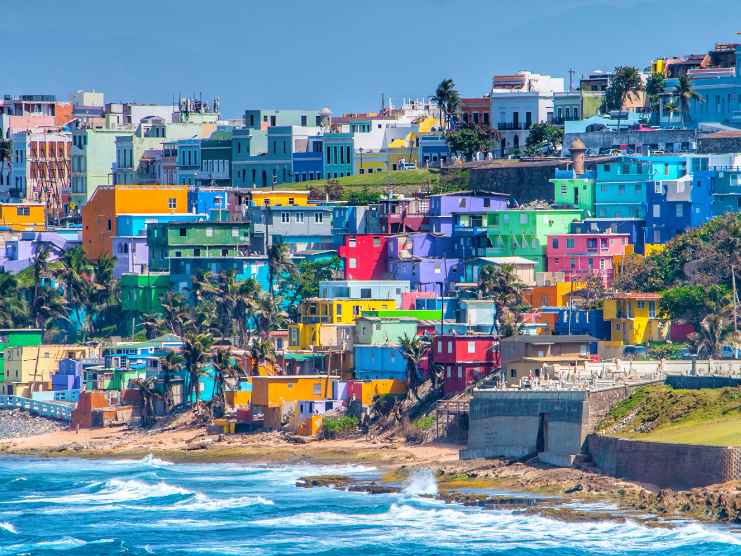
A safe trip to Puerto Rico begins with smart planning and continues with vigilant awareness throughout your stay. Here are practical tips to help you navigate the island securely.
Transportation Safety
Getting around Puerto Rico requires a thoughtful approach, especially for first-time visitors.
- Rental Cars: Renting a car offers flexibility to explore off-the-beaten-path destinations. However, driving conditions can differ from the mainland United States. Roads can be narrow, poorly maintained in rural areas, and driving habits can be aggressive. Use GPS, avoid driving at night in unfamiliar areas, and be wary of unmarked speed bumps (“reductores”). Always ensure your rental car is locked and never leave valuables inside.
- Taxis: Taxis are readily available at airports and major tourist hubs. Opt for licensed taxis, identifiable by specific markings and meters (or pre-agreed fares). Confirm the price before starting your journey, especially for longer distances.
- Ride-Sharing Apps: Services like Uber are widely available in metropolitan areas like San Juan and offer a convenient, transparently priced option. Verify the driver and vehicle match the app’s details before entering.
- Public Transportation: Public transportation is less comprehensive outside of San Juan and may not be the most reliable or comfortable option for tourists. For those looking to experience local life, it can be interesting, but always be aware of your surroundings, especially during off-peak hours or in less tourist-friendly areas.
Personal Safety and Awareness
Your personal safety hinges on your awareness and the precautions you take.
- Keep a Low Profile: Avoid flashy displays of wealth, such as expensive jewelry, watches, or large amounts of cash. Try to blend in and not stand out as an obvious tourist.
- Protect Valuables: Use hotel safes for passports, extra cash, and important documents. When out, carry only what you need and keep wallets and phones secured. Consider using a cross-body bag or a money belt.
- Be Mindful of Alcohol Consumption: Excessive alcohol consumption can impair judgment and make you a target. Drink responsibly, especially when out in bars or clubs, and never leave your drink unattended.
- Travel in Groups at Night: Whenever possible, travel with companions, especially after dark. If you must go out alone at night, stick to well-lit, populated areas and use reputable transportation.
- Inform Someone of Your Plans: If you’re venturing off alone, especially for outdoor activities like hiking, let someone know your itinerary and expected return time.
- Learn Basic Spanish Phrases: While English is widely spoken in tourist areas, knowing a few basic Spanish phrases can be helpful and is always appreciated by locals. It can also assist in navigating situations where English speakers might not be readily available.
Health and Medical Considerations
Staying healthy is a crucial aspect of travel safety.
- Water Safety: Tap water in Puerto Rico is generally safe to drink, especially in developed areas, as it is regulated by the United States Environmental Protection Agency. However, for those with sensitive stomachs or concerns about local water treatment systems, bottled water is a readily available and safe alternative.
- Food Safety: Enjoying local cuisine is a highlight, but use discretion. Opt for busy establishments with high turnover, where food is likely fresh. Be mindful of street food hygiene, and ensure cooked food is served hot.
- Mosquito-Borne Illnesses: Puerto Rico is a tropical environment where mosquito-borne illnesses like Dengue, Chikungunya, and Zika can occur. While outbreaks are not constant, it’s wise to use insect repellent containing DEET or picaridin, especially during dawn and dusk, and wear long sleeves and pants in wooded areas. Check for current health advisories from the Centers for Disease Control and Prevention (CDC) before your trip.
- Medical Facilities: Puerto Rico has a well-developed healthcare system, especially in major cities. Hospitals and clinics meet United States standards. It’s always advisable to have travel insurance that covers medical emergencies and potential evacuations. Bring any necessary prescription medications in their original containers, along with a copy of your prescription.
By adhering to these guidelines, you can significantly mitigate risks and focus on the incredible experiences Puerto Rico has to offer.
Embracing Puerto Rico: Experiences and Peace of Mind
With a solid understanding of safety precautions, you can now fully immerse yourself in the rich culture and breathtaking beauty of Puerto Rico. The island offers diverse experiences, each with its own charm and safety considerations.
Popular Destinations and Their Safety Profiles
Knowing which areas are generally safe and which might require extra vigilance is key to enjoying your trip.
- Old San Juan and San Juan Metro Area: This is the most visited part of Puerto Rico and is generally very safe for tourists. Old San Juan, with its colorful colonial architecture, historic forts like Castillo San Felipe del Morro and Castillo de San Cristóbal, and vibrant nightlife, is bustling and well-patrolled. Condado and Isla Verde are upscale beach resort areas known for their safety and tourist infrastructure. While petty crime can occur, staying aware of your belongings is usually sufficient.
- El Yunque National Forest: The only tropical rainforest in the United States National Forest System, El Yunque is a natural wonder. Safety here pertains more to nature: slippery trails, sudden rain showers, and staying on marked paths. Ensure you wear appropriate footwear, bring water, and follow park guidelines. Car break-ins at trailheads can be an issue, so leave no valuables visible.
- Coastal Towns (Rincón, Luquillo, Fajardo): These towns, popular for surfing, relaxation, and water sports, are generally laid-back and safe. Rincón on the west coast is known for its surf culture and stunning sunsets. Luquillo boasts its famous kiosks for local food. Fajardo is the gateway to the Bioluminescent Bays and sailing trips. Normal precautions against petty theft apply, especially at beaches and less crowded areas at night.
- The Islands of Vieques and Culebra: These smaller islands are incredibly tranquil and safe. Vieques is home to Mosquito Bay, one of the brightest Bioluminescent Bays in the world. Culebra boasts Flamenco Beach, consistently ranked among the world’s best. Crime rates here are extremely low, making them ideal for a truly relaxed escape. The main safety concerns are related to sun exposure, marine life, and navigating unpaved roads if renting a jeep.
- Ponce: Known as the “Pearl of the South,” Ponce offers a different historical and cultural experience. Its charming downtown area is generally safe for exploring during the day. As with any larger city, be more cautious at night and in less affluent neighborhoods.
Accommodations: Choosing Safe Stays
Your choice of accommodation plays a significant role in your overall safety and comfort.
- Reputable Hotels and Resorts: Booking stays at well-known hotels or resorts in established tourist areas like Condado, Isla Verde, or Dorado is often the safest bet. These properties typically have 24-hour security, secure access, and staff trained to assist guests. Examples include the St. Regis Bahía Beach Resort for luxury, or the Hyatt Centric San Juan for a central city stay.
- Vacation Rentals (Airbnb, Villas): If opting for an apartment or villa, read reviews carefully. Look for properties with consistent positive feedback regarding safety, location, and host responsiveness. Ensure the neighborhood feels safe, especially if you plan to walk around at night. Confirm security features like sturdy locks and external lighting.
- Amenities and Security: Prioritize accommodations that offer amenities like safes for valuables, secure parking (if you have a rental car), and good lighting in common areas. For long-term stays, consider gated communities or buildings with controlled access.
- Location, Location, Location: Research the neighborhood before booking. A cheaper rate in an unsafe area is not worth the risk. Choose locations known for their tourist-friendliness and accessibility to attractions you plan to visit.
Local Culture and Respectful Travel
Embracing local culture not only enriches your experience but can also foster goodwill and contribute to a safer environment.
- Respect Local Customs: Puerto Ricans are generally warm and hospitable. A respectful demeanor, polite greetings, and an attempt to speak some Spanish (even just “hola” and “gracias”) can go a long way.
- Dress Appropriately: While beachwear is fine on the beach, dress modestly when visiting churches or more conservative areas.
- Photography: Always ask for permission before taking photos of individuals, especially children.
- Support Local Businesses: Spending your money at local shops, restaurants, and tour operators directly benefits the community and helps create a positive relationship between tourists and residents.
- Environmental Responsibility: Help keep Puerto Rico beautiful by disposing of trash properly, respecting natural sites, and conserving resources.
By integrating these practices into your travel style, you not only ensure your own safety but also contribute positively to the local community, making your trip to Puerto Rico a truly memorable and meaningful one.
In conclusion, the answer to “Is Puerto Rico Dangerous?” is nuanced, but overwhelmingly, for the informed and prepared traveler, it is a resounding no. While no destination is entirely without risk, Puerto Rico is a captivating island that welcomes millions of visitors each year, with the vast majority enjoying safe and unforgettable experiences. By understanding potential challenges, taking sensible precautions against petty crime, being aware of natural phenomena, and choosing reputable services and accommodations, you can fully immerse yourself in the magic of this Caribbean gem. From the historic fortifications of Old San Juan to the vibrant nightlife, the serene beaches, and the lush depths of El Yunque National Forest, Puerto Rico offers an incredible array of attractions. With mindful travel, your journey to Puerto Rico will be nothing short of extraordinary.
LifeOutOfTheBox is a participant in the Amazon Services LLC Associates Program, an affiliate advertising program designed to provide a means for sites to earn advertising fees by advertising and linking to Amazon.com. Amazon, the Amazon logo, AmazonSupply, and the AmazonSupply logo are trademarks of Amazon.com, Inc. or its affiliates. As an Amazon Associate we earn affiliate commissions from qualifying purchases.