
Navigating the complexities of unemployment benefits in any state can be a daunting task, and for those in the Lone Star State, understanding the duration of these benefits is crucial for financial planning and career transition. The question, “How Long Can You Draw Unemployment In Texas?” delves into the specific regulations and potential extensions that govern unemployment insurance in this large and diverse state. This article aims to provide a comprehensive overview, focusing on the standard duration, eligibility for extensions, and factors that might influence the overall period one can receive benefits, all within the context of supporting a lifestyle while seeking new employment opportunities.

Understanding the Standard Duration of Unemployment Benefits in Texas
In Texas, the standard duration for receiving unemployment benefits is capped at a specific number of weeks. This period is designed to provide a safety net, allowing individuals time to search for new employment without immediate financial distress. However, this timeframe is not absolute and is subject to certain conditions and potential variations.
The Base Benefit Period
The Texas Workforce Commission (TWC) administers unemployment benefits. The standard benefit period in Texas is typically 26 weeks. This means that an eligible claimant can receive unemployment insurance payments for up to 26 weeks, provided they continue to meet all eligibility requirements throughout that period. These requirements are multifaceted and include actively searching for work, being able and available to work, and not refusing suitable employment. The weekly benefit amount is calculated based on the claimant’s previous wages. It’s important to note that this 26-week period is the maximum entitlement under normal circumstances and does not automatically extend without specific qualifying conditions.
Eligibility Requirements for Drawing Benefits
To even begin drawing unemployment benefits, individuals must meet a stringent set of eligibility criteria. The TWC requires claimants to have earned sufficient wages during their “base period,” which is typically the first four of the last five completed calendar quarters before they file their claim. Beyond the financial qualification, ongoing eligibility is contingent upon:
- Actively Seeking Work: Claimants must demonstrate a diligent and ongoing effort to find suitable employment. This often involves keeping records of job applications, interviews, and networking activities. The TWC may request these records as proof.
- Being Able and Available for Work: This means being physically and mentally capable of accepting suitable employment and being readily available to accept a job offer. Temporary illnesses or family emergencies might be excusable for short periods, but prolonged unavailability can lead to the suspension or termination of benefits.
- Not Refusing Suitable Employment: Refusing an offer of “suitable work” without good cause can result in disqualification from receiving benefits. What constitutes “suitable work” is defined by the TWC and generally relates to previous experience, wages, and working conditions.
- Meeting Reporting Requirements: Claimants must regularly certify their eligibility and report any earnings from part-time work to the TWC. Failure to do so can lead to overpayments and penalties.
Failing to meet any of these ongoing requirements can halt the flow of unemployment benefits, even if the claimant is still within their initial 26-week entitlement period.
Exploring Potential Extensions to Unemployment Benefits in Texas
While the standard duration is 26 weeks, there are specific circumstances under which unemployment benefits in Texas can be extended. These extensions are generally tied to federal programs or extraordinary economic conditions that impact the job market significantly.
Federal Unemployment Extensions
Historically, during periods of high national unemployment, the U.S. federal government has enacted programs that provide for extensions of unemployment benefits beyond the state’s standard duration. These programs, such as Emergency Unemployment Compensation (EUC) or Pandemic Emergency Unemployment Compensation (PEUC), are temporary and are enacted by Congress in response to economic downturns.
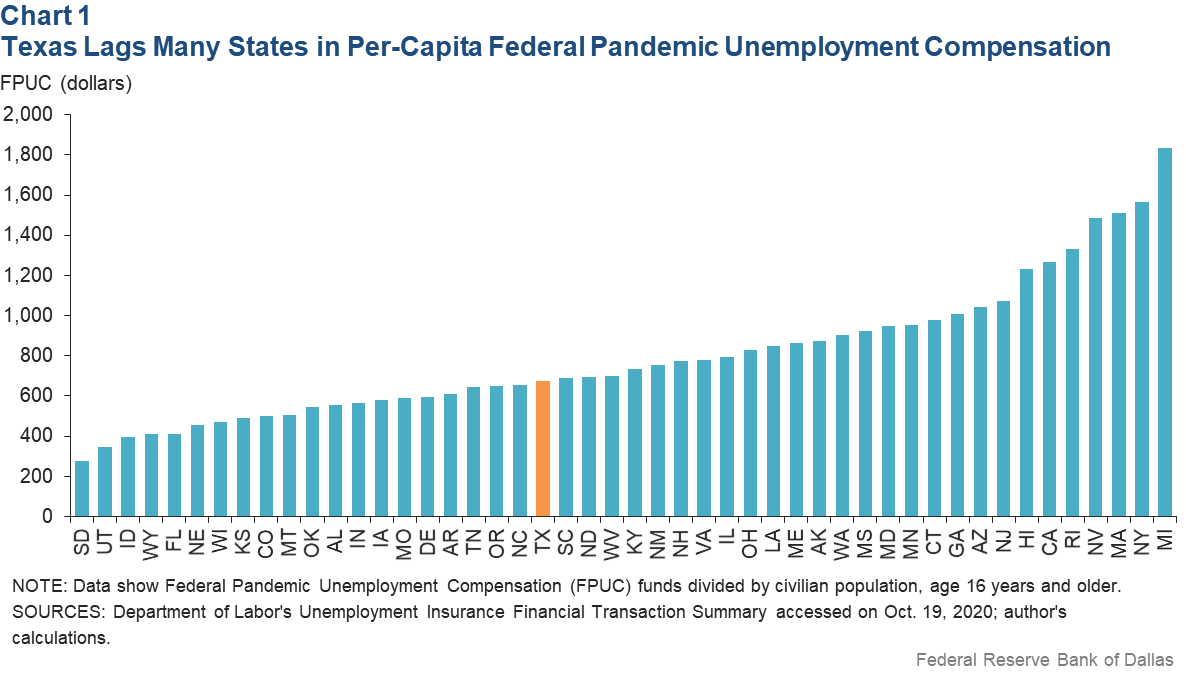
When these federal extensions are active, they typically offer additional weeks of benefits in tiered phases. The duration and availability of these federal extensions are entirely dependent on federal legislation and the prevailing economic conditions. It is crucial for claimants to stay informed about any such federal programs that might be enacted, as they are not automatically applied. The TWC would provide information on how to apply for and receive these federal extensions if they become available. These extensions are designed to provide a longer safety net during prolonged periods of economic hardship, allowing individuals more time to find employment in a challenging job market.
Extended Benefit (EB) Programs
Beyond federally funded extensions, Texas also has its own Extended Benefit (EB) program. This program is triggered when the state’s unemployment rate reaches certain thresholds. The EB program provides an additional 13 weeks of benefits to eligible individuals who have exhausted their regular state unemployment benefits. However, the EB program is not always active. Its activation is tied to specific economic indicators, and it is only available during periods of high unemployment as defined by federal and state law. When the EB program is active, it is often a crucial lifeline for those still struggling to find work after exhausting their initial entitlement.
The TWC will announce when the EB program is active and how individuals can qualify. This program aims to support individuals during cyclical or structural unemployment by providing an additional period of financial assistance, bridging the gap until the economy improves or individuals secure new employment.
Factors Influencing the Total Duration of Unemployment Benefits
Several factors can directly or indirectly influence how long an individual can draw unemployment benefits in Texas, beyond the standard 26 weeks and potential extensions. Understanding these nuances is vital for accurate financial forecasting and proactive job searching.
Cause of Unemployment
The reason an individual lost their job can impact their eligibility and the duration of benefits. For instance, if a person quit their job without good cause or was fired for misconduct, they may be disqualified from receiving unemployment benefits altogether or have their benefits temporarily suspended. Generally, unemployment benefits are intended for individuals who are unemployed through no fault of their own, such as layoffs due to company downsizing or job elimination. If an individual is discharged for cause, the TWC will conduct an investigation, and the outcome of that investigation will determine their eligibility.
Work Search Efforts and Suitability of Offers
As mentioned earlier, the intensity and quality of an individual’s work search efforts are paramount. If the TWC deems an individual’s search efforts to be insufficient, their benefits can be stopped. Similarly, refusing suitable job offers without good cause will lead to disqualification. What constitutes “good cause” is subjective but often includes situations like a significant reduction in pay, a change in working conditions that are detrimental, or a job that is substantially different from the claimant’s prior work. An individual who is actively seeking and reasonably accepting suitable employment is more likely to remain eligible for the full duration of their benefits.
Changes in State or Federal Law
The duration of unemployment benefits, including the availability of extensions, can be subject to changes in state and federal legislation. Economic conditions can prompt lawmakers to adjust the length of benefit periods or the criteria for eligibility for extensions. Therefore, it is essential for individuals to stay updated on any legislative changes that might affect their unemployment claims. The TWC website and its official communications are the best sources for the most current information. These changes can significantly impact the financial runway available to job seekers.

Personal Circumstances Affecting Availability
While short-term issues like illness can often be accommodated with proper documentation and communication with the TWC, longer-term personal circumstances that affect a person’s ability to work can terminate benefits. For example, if someone is incarcerated or on a lengthy medical leave without a clear prognosis for returning to work, they will likely become ineligible. It’s crucial to maintain open communication with the TWC regarding any personal situations that might impact one’s ability to be available for work.
By understanding these various aspects – from the standard benefit period and eligibility requirements to the possibilities of extensions and the factors that influence them – individuals in Texas can better manage their expectations and strategize their job search effectively while receiving unemployment benefits. This knowledge empowers claimants to navigate the system efficiently and maximize the support available to them during their period of transition.
LifeOutOfTheBox is a participant in the Amazon Services LLC Associates Program, an affiliate advertising program designed to provide a means for sites to earn advertising fees by advertising and linking to Amazon.com. Amazon, the Amazon logo, AmazonSupply, and the AmazonSupply logo are trademarks of Amazon.com, Inc. or its affiliates. As an Amazon Associate we earn affiliate commissions from qualifying purchases.