
Navigating the vibrant landscapes and bustling cities of Texas offers an unparalleled experience, whether you’re a seasoned traveler, a new resident, or simply exploring the vast opportunities this state presents. From the historical richness of San Antonio to the tech-driven innovation of Austin, the sprawling metropolis of Houston, and the energetic hub of Dallas, driving is often an essential part of the Texas lifestyle. For many, a clear understanding of their driving record is not just a matter of curiosity but a critical piece of personal and professional documentation. Whether you’re seeking to secure better auto insurance rates, applying for a new job, or addressing a court-related matter, knowing how to obtain your driving record in Texas is a fundamental skill.
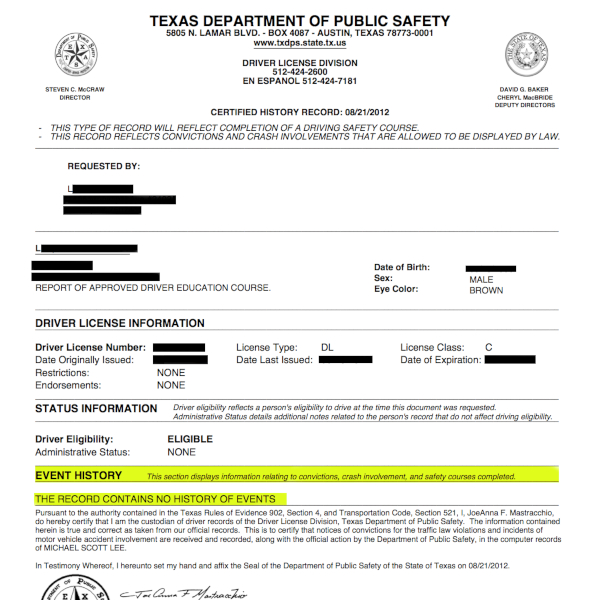
This comprehensive guide will demystify the process, detailing the various types of driving records available, the methods of acquisition, and why this document might be more crucial than you think, especially for those considering extended stays, relocation, or simply optimizing their travel and lifestyle within the Lone Star State. Understanding your driving history can impact everything from your cost of living and accommodation expenses (through insurance) to your career prospects, making it an invaluable piece of information for any resident or long-term visitor.
Why Your Texas Driving Record Matters for Travel and Lifestyle
Your driving record is more than just a summary of your traffic tickets; it’s a comprehensive report of your driving history, including accidents, convictions, and license status. For individuals immersed in travel, tourism, and diverse lifestyles, this document holds significant weight.
Securing Favorable Insurance Rates
One of the most common reasons individuals request their driving record is to obtain or review auto insurance policies. A clean driving record can lead to substantial discounts, directly impacting your budget and making luxury travel or extended family trips more affordable. Insurers often use your driving history to assess risk, and providing a certified abstract can sometimes help negotiate better terms, especially if minor infractions have recently been cleared or if you’ve completed defensive driving courses. For those planning long-term stays or considering purchasing a vehicle in Texas, optimizing insurance costs is a key aspect of financial planning and lifestyle management.
Employment Opportunities and Professional Travel
For many professions, particularly those involving driving, your record is a prerequisite for employment. This includes roles such as commercial truck drivers, delivery personnel, ride-sharing service drivers (like Uber or Lyft), and even corporate positions that require company vehicle usage or extensive travel. Employers use these records to evaluate a candidate’s responsibility and safety on the road, directly influencing hiring decisions. A clear driving history is essential for maintaining professional licenses and ensuring eligibility for jobs that are critical for supporting certain lifestyles, from adventurous solo travel to comfortable family living.
Court-Related and Legal Matters
There are instances where your driving record is required for legal purposes. This could involve dismissing a traffic ticket after completing a defensive driving course, proving compliance with court orders, or resolving disputes related to accidents. For those who encounter legal issues while traveling or during an extended stay, having ready access to your official driving record can streamline bureaucratic processes and help resolve matters more efficiently, allowing you to quickly return to enjoying the unique attractions and experiences Texas has to offer.
Personal Review and Identity Verification
Sometimes, you might simply want to review your own driving record to ensure its accuracy or for general personal knowledge. It’s a prudent practice to periodically check your record, especially after a certain period of driving, to confirm that all information is correct and that no erroneous entries exist. In some cases, it can also serve as a form of identity verification when dealing with various state agencies or financial institutions, reinforcing its status as an important personal document for a secure and well-managed lifestyle.
Understanding the Types of Texas Driving Records
The Texas Department of Public Safety (DPS) offers several types of driving records, each serving a different purpose. Knowing which type you need is crucial before making a request. Each record provides a specific level of detail, from basic license status to comprehensive crash and violation histories.
Type 1: Status Record
The Type 1 Driving Record is an abstract of your driving record that primarily shows your current license status. This record is often used for simple verification purposes where a detailed history isn’t required. It confirms whether your license is valid, suspended, or revoked, and provides basic identification information. While it doesn’t delve into your complete history of violations or accidents, it’s useful for quick checks where only the legality of your driving privilege is in question.
Type 2: Complete Abstract Record
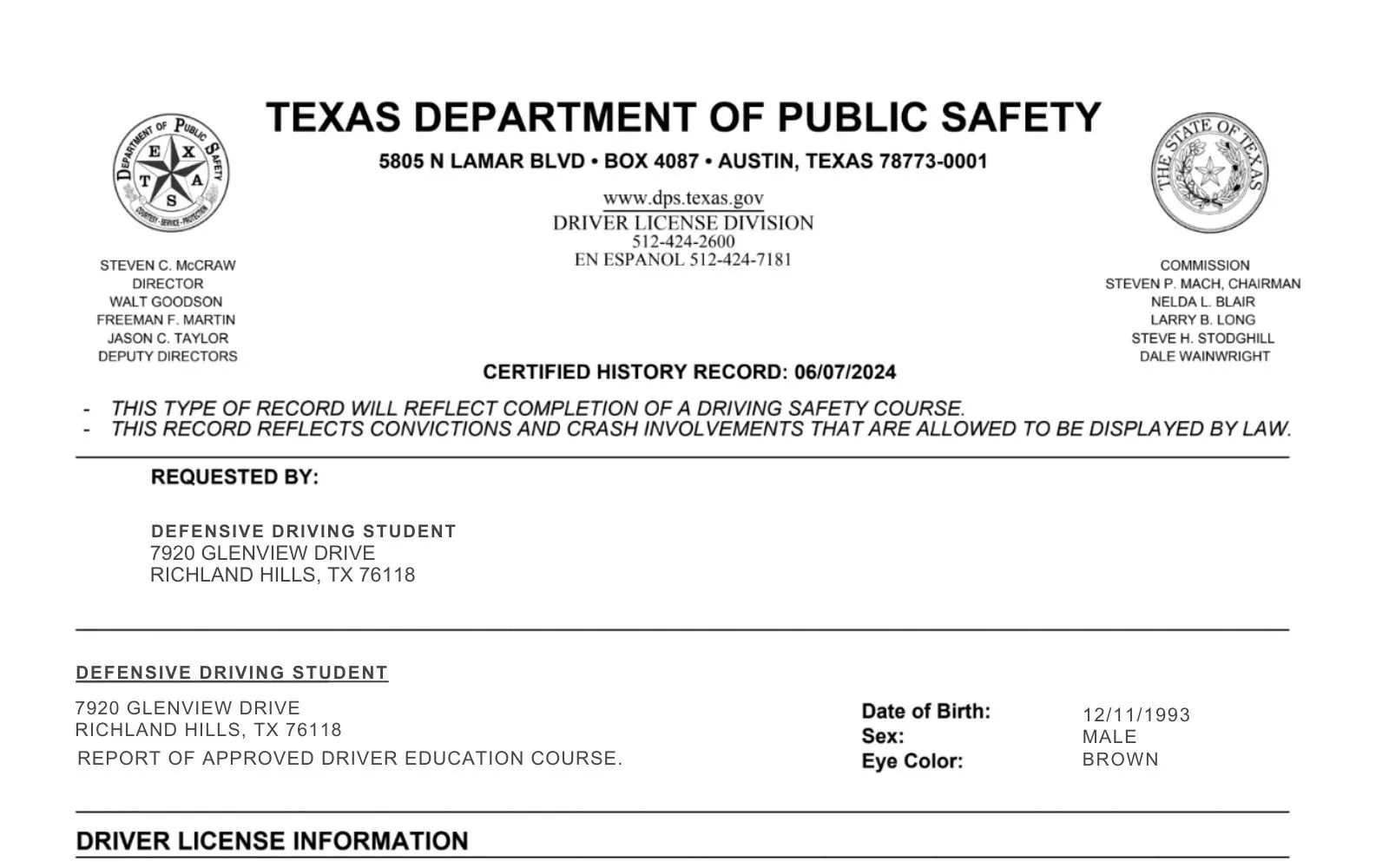
The Type 2 Driving Record provides a comprehensive abstract of your entire driving history in Texas. This includes all recorded traffic violations, suspensions, accidents, and any other entries related to your driving privilege. This is a much more detailed report than Type 1 and is frequently requested by employers, especially for roles requiring extensive driving or the operation of commercial vehicles. It gives a full picture of your past driving behavior, crucial for assessing long-term risk.
Type 3: Certified Abstract with Crash Data
The Type 3 Driving Record is a certified abstract of your driving record that includes both traffic violations and all reportable accident information. This record is often required for court proceedings, legal settlements, or by insurance companies when an individual has been involved in multiple accidents. The certification means it’s an official document suitable for legal use. For those who have been involved in accidents and need to provide comprehensive evidence, this record is indispensable.
Type 3A: Certified Abstract Without Crash Data
Similar to Type 3, the Type 3A Driving Record is a certified abstract, but it excludes crash report information. This is one of the most commonly requested records, particularly for insurance purposes or general employment background checks. It provides a certified history of your traffic violations and license status without including accident details, which can sometimes clutter a report not specifically focused on crash events. Many employers and insurance providers prefer this version for a clear view of driving habits and legal compliance.
Type AR: Certified Abstract of All Reported Accidents
The Type AR Driving Record is a certified abstract that specifically lists all reportable accidents in which you were involved. This record does not contain information about traffic violations, focusing solely on your accident history. It’s typically requested by insurance companies or legal entities when there’s a specific need to review an individual’s accident involvement, separate from their general traffic violation record. This can be critical for assessing liability or calculating specific risk premiums.
Methods for Obtaining Your Texas Driving Record
Once you’ve identified the specific type of driving record you need, the next step is to choose the most convenient method for obtaining it. The Texas Department of Public Safety provides several options, catering to different needs and urgency levels.

1. Requesting Your Driving Record Online
The most efficient and widely used method for obtaining your Texas driving record is through the official DPS online portal. This method offers instant access to your record, making it ideal for urgent requests, whether for an immediate job application or to meet a tight deadline for court.
Steps for Online Request:
- Access the Official DPS Website: Navigate to the specific section for driving records. Ensure you are on the official state website to avoid scams.
- Provide Required Information: You will need to accurately input several pieces of personal data. This typically includes your Driver License Number, Date of Birth, the last four digits of your Social Security Number (SSN), and a unique Audit Number found on your driver’s license. The Audit Number is a security feature that verifies your identity.
- Select Record Type: Choose the specific type of driving record (Type 1, 2, 3, 3A, or AR) that you require.
- Payment: Pay the associated fee using a credit or debit card. The fee is generally nominal, usually around $4 to $6, depending on whether it’s certified or not.
- Instant Access: Upon successful payment, your driving record will be available for immediate download and printing. You can save it as a PDF for future reference.
The online method is highly recommended for its speed and convenience, fitting seamlessly into a fast-paced lifestyle, especially for those who travel frequently or need immediate documentation for various purposes.
2. Requesting Your Driving Record By Mail
While slower than the online option, requesting your driving record by mail is a viable alternative, particularly for those who prefer traditional methods or cannot access the online portal for any reason.
Steps for Mail Request:
- Obtain the DR-1 Form: You must complete the Verification of Motor Vehicle Records Request form, also known as the DR-1 Form. This form can be downloaded from the official DPS website.
- Fill Out the Form Accurately: Provide all requested information, including your full name (First Name, Last Name), Date of Birth, Driver License Number, and mailing address. Clearly indicate the type of record you are requesting.
- Include Payment: Enclose a check or money order payable to the Texas Department of Public Safety for the correct fee. Do not send cash through the mail.
- Mail the Request: Send the completed form and payment to the address specified on the DR-1 Form. This will typically be:
Texas Department of Public Safety
P.O. Box 15999
Austin, TX 78761-5999 - Allow Processing Time: Be aware that mail requests take significantly longer to process compared to online requests. You should anticipate a waiting period of at least two to three weeks for your record to arrive. Plan accordingly if you have a deadline.
This method is suitable if you are not in a rush or if you are handling requests from an external location where online access is not feasible, perhaps when managing affairs from an international destination or during extended travel.
3. Requesting Your Driving Record In Person (Limited Availability)
While less common and generally discouraged due to the efficiency of online services, it is theoretically possible to request a driving record in person. However, most DPS Driver License offices primarily handle driver’s license issuance and renewals, not driving record requests.
- Check Local DPS Office Policies: Before attempting an in-person visit, it is essential to contact your local DPS Driver License office to confirm if they process driving record requests. Policies can vary, and many offices may direct you to the online or mail options.
- Be Prepared: If an office does provide this service, bring all necessary identification, including your driver’s license, and be ready to pay the fee.
- Expect Potential Delays: Even if available, in-person requests might involve waiting times and may not be as instantaneous as the online method.
For the vast majority of individuals, the online system remains the most practical and convenient way to obtain a driving record in Texas.
What to Do After Obtaining Your Driving Record
Once you have successfully obtained your driving record, whether through the instant online method or by mail, the process isn’t quite finished. There are a few crucial steps you should take to ensure accuracy and to leverage this document effectively for your travel, career, and lifestyle needs.
Review for Accuracy
The first and most important step is to carefully review every detail on your driving record. Check for:
- Personal Information: Ensure your name, Date of Birth, and Driver License Number are correct.
- Violation Entries: Verify that all listed traffic violations are accurate and pertain to you. Look for any discrepancies or errors in dates, locations, or types of infractions.
- Accident Reports (if applicable): If you requested a record with crash data (Type 3 or Type AR), confirm that the accident details are correct and that you were indeed involved in the incidents listed.
- License Status: Confirm that your license status (valid, suspended, revoked) is accurately reflected.
Errors on your driving record, even minor ones, can have significant consequences for your insurance rates, employment prospects, and legal standing. It’s imperative to identify and address any inaccuracies promptly.
Address Discrepancies
If you discover any errors or believe there are inaccurate entries on your driving record, you must contact the Texas Department of Public Safety immediately. You will typically need to provide documentation to support your claim (e.g., court dismissal papers, proof of identity, accident reports). The DPS will investigate the matter and make corrections if warranted. This process can take time, so initiating it as soon as possible is advisable, especially if you need a clean record for an impending application or legal matter.
Utilize Your Record Effectively
With an accurate driving record in hand, you can now use it for its intended purpose:
- Insurance: Provide a certified copy to your insurance company to explore potential discounts or to verify your driving history for policy renewals. This directly impacts your budget for travel and other lifestyle expenses.
- Employment: Submit the required record type to prospective employers. A clean record can be a significant asset in securing jobs that involve driving or require a general demonstration of responsibility. This is especially true for those considering relocating to Texas for new career opportunities.
- Court or Legal Matters: Present your certified record to the court or legal counsel as required. This might be for proof of defensive driving course completion, to contest a citation, or as part of a settlement.
- Personal Peace of Mind: Simply knowing the contents of your official driving history can provide peace of mind and allow you to proactively manage your driving behavior and record.
Driving Safely in Texas: A Travel & Lifestyle Perspective
Beyond obtaining your driving record, maintaining a safe driving history is paramount, especially when embracing the travel and lifestyle opportunities in Texas. The state’s vastness means long stretches of highway, diverse terrains, and varied urban driving conditions. From the scenic routes leading to Big Bend National Park to the bustling interstates of Houston and Dallas, and the coastal roads near South Padre Island on the Gulf Coast, safe driving practices are non-negotiable.
A clean driving record not only saves you money and opens up career paths but also enhances your overall experience of Texas. Imagine cruising down a country road to visit a historic landmark like the Alamo or exploring the vibrant nightlife of Austin’s Sixth Street without the worry of past infractions impacting your journey. Responsible driving contributes to a stress-free travel experience and ensures you can fully immerse yourself in local culture, cuisine, and attractions.
For those considering relocation or extended stays, a pristine driving history makes the transition smoother, from securing the best accommodation (as some landlords check background, including driving records for certain properties) to seamlessly integrating into local communities. It reflects a commitment to safety and responsibility, qualities valued whether you’re building a new life or simply passing through.
Conclusion
Obtaining your driving record in Texas is a straightforward process, thanks to the accessible online portal provided by the Texas Department of Public Safety. By understanding the different types of records available and choosing the most appropriate method for your needs, you can quickly acquire this essential document. Whether for securing better insurance rates, advancing your career, fulfilling legal obligations, or simply for personal verification, your driving record plays a significant role in managing your lifestyle, particularly in a state as vast and car-centric as Texas.
Proactive management of your driving record, coupled with a commitment to safe driving practices, will not only simplify administrative tasks but also enrich your overall experience of living, working, and traveling throughout the diverse and captivating landscapes of the Lone Star State. A clear record is a testament to responsible living, enabling you to explore every corner of Texas with confidence and ease, truly living life out of the box.
LifeOutOfTheBox is a participant in the Amazon Services LLC Associates Program, an affiliate advertising program designed to provide a means for sites to earn advertising fees by advertising and linking to Amazon.com. Amazon, the Amazon logo, AmazonSupply, and the AmazonSupply logo are trademarks of Amazon.com, Inc. or its affiliates. As an Amazon Associate we earn affiliate commissions from qualifying purchases.