
The question of whether California could secede from the United States is a fascinating thought experiment, stirring discussions that range from the deeply political and legal to the profound economic and cultural implications. While the notion of “Calexit” has gained sporadic traction among certain groups, particularly during periods of political divergence with Washington D.C., its practical feasibility is fraught with historical precedent, constitutional hurdles, and immense logistical challenges. Yet, exploring this hypothetical scenario allows us to delve into what makes California such a unique and powerful entity, and how its distinct identity inextricably links to its allure as a global destination for travel, tourism, and lifestyle.
The Golden State’s Distinct Identity and the Secession Question
California is not just another state; it’s an economic powerhouse, a cultural trendsetter, and a land of unparalleled natural beauty. This distinctiveness often fuels the underlying sentiment behind secessionist movements, a belief that the state’s values and interests diverge significantly from those of the federal government or other regions of the country.
A Brief Look at Secession in American History
The concept of secession is deeply rooted in American history, most notably culminating in the Civil War. During this tumultuous period, several southern states formed the Confederate States of America, claiming the right to withdraw from the Union. However, the Union’s victory, solidified by President Abraham Lincoln’s leadership, firmly established the principle that states do not possess a unilateral right to secede. This was later reinforced by the Supreme Court in cases like Texas v. White (1869), which declared that the United States is an “indestructible Union,” and any attempt at secession without the consent of the other states or through revolution is unconstitutional.
While the historical context clearly points away from the legality of unilateral secession, the discussion around California’s potential independence persists due to its sheer scale and unique character. The debate isn’t purely about legality; it’s also about a perceived cultural and political chasm that some believe has widened over the years, leading to the idea that the Golden State might be better off charting its own course.

California’s Unique Cultural and Economic Footprint
California’s economy is larger than that of many sovereign nations, ranking among the top five globally. This immense wealth is driven by diverse industries: the technological innovation of Silicon Valley, the entertainment empire of Hollywood, the vast agricultural output of the Central Valley, and its strategic position on the Pacific Rim. This economic might, coupled with a progressive political lean and a distinct, often trendsetting, culture, fosters a sense of self-reliance and exceptionalism that is distinct from other regions of the United States.
From the surfing beaches of Southern California to the vineyards of Napa Valley and the towering redwoods of Northern California, the state offers a lifestyle and landscape that feels almost like a country unto itself. This deep-seated identity is a crucial element in understanding why secession, however unlikely, remains a topic of conversation for some of its residents. It’s an expression of a profound connection to the land and a vision for its future that they believe is best realized independently.
The Tangled Legal and Constitutional Threads
Beyond the philosophical arguments, the practicalities of secession are almost insurmountable within the existing legal framework of the United States.
The Supreme Court and Unilateral Secession
The aforementioned Texas v. White ruling is the definitive legal stance against a state’s right to unilaterally secede. The court determined that states entered into an “indissoluble relation” with the United States upon joining the Union. Any attempt to break this bond would require either a constitutional amendment or a successful revolution, neither of which are simple propositions. A constitutional amendment would necessitate a two-thirds vote in both houses of Congress and ratification by three-fourths of the states – an extremely high bar to clear for something as divisive as allowing a state to leave.
Furthermore, the United States government has vast federal assets and military installations within California’s borders. The logistical nightmare of divvying up these assets, negotiating borders with the remaining United States, and resolving citizenship issues for millions of people would be unparalleled. The political will to even begin such a process does not exist at a national level, nor does it command overwhelming support within California itself.
The Path Less Traveled: Constitutional Amendments and Congressional Consent
The theoretical paths to secession include a constitutional amendment specifically allowing for it, or an agreement by the United States Congress to release California from the Union. Both scenarios are extraordinarily unlikely. The political ramifications for the remaining states would be devastating, setting a precedent that could unravel the entire federal system. The loss of California’s economic output, its representation in Congress, and its strategic importance on the West Coast would fundamentally alter the balance of power and prosperity for the United States. Therefore, while theoretically possible, practically speaking, secession by legal means remains firmly in the realm of political fantasy rather than realistic policy discussion.
The Economic Quake: Implications for Trade, Travel, and Investment
If, against all odds, California were to secede, the economic reverberations would be felt globally, profoundly reshaping everything from international trade to the tourism industry.
Reshaping California’s Economic Future
An independent California would face immediate and immense economic challenges. It would need to establish its own currency, central bank, and negotiate complex trade agreements with the United States and other global partners. The sudden loss of federal funding, which currently supports a vast array of programs from infrastructure to education, would create a massive budgetary hole for the new nation. Businesses reliant on frictionless trade within the United States might face tariffs and new regulatory hurdles, potentially leading to capital flight and economic instability. Furthermore, federal installations like military bases and research facilities, key components of the United States defense spending, would become points of contention, impacting local economies surrounding them.
The New Landscape for Travel and Tourism
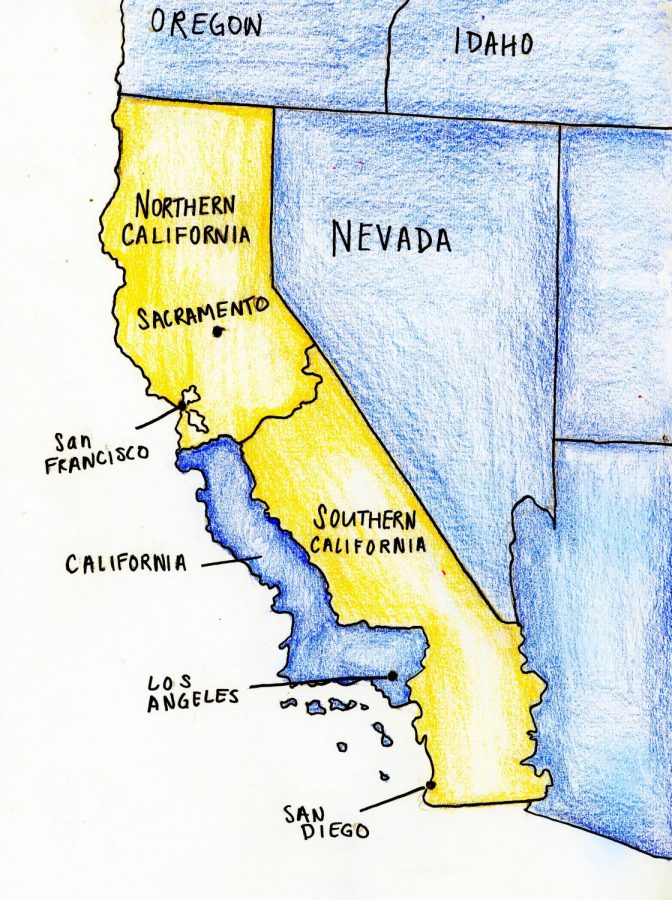
The tourism sector, a cornerstone of California’s economy, would undergo a dramatic transformation. For starters, international visitors planning trips to iconic cities like Los Angeles, San Francisco, or San Diego would suddenly require a new set of travel documents. Instead of seamlessly entering the United States and traveling to California, they might need separate visas or passports for the new “Republic of California.” This added complexity could deter some tourists, especially those on multi-state United States tours.
A new border would emerge with the remaining United States, potentially between California and states like Nevada, Arizona, and Oregon. This could affect domestic travel, making road trips between, say, Las Vegas and Los Angeles subject to border checks. Major international airports like Los Angeles International Airport (LAX) and San Francisco International Airport (SFO) would have to renegotiate international flight agreements and immigration procedures, potentially leading to initial disruptions and increased processing times. The appeal of “effortless West Coast adventures” could be complicated, at least in the short term, as travelers adapt to a new geopolitical reality.
Hotels, Accommodation, and the Investment Climate
The hospitality sector, including hotels, resorts, and various forms of accommodation, would experience significant shifts. Global hotel chains like Marriott and Hilton, with their extensive properties across California, would need to navigate new regulatory environments and potential changes in property laws. The investment climate for new luxury resorts in places like Palm Springs or charming boutique hotels along the Pacific Coast Highway would become uncertain, as investors weigh the risks of political instability and economic volatility.
On the other hand, an independent California might foster a new wave of local accommodation brands, emphasizing unique Californian experiences. The market for long-term stays, corporate travel, and digital nomads might see fluctuations depending on the economic prosperity and ease of doing business in the new nation. Ultimately, the industry would face a period of intense adjustment, balancing potential losses from decreased international tourism against the opportunity to brand itself as a unique, independent destination.
A New Golden Republic: Redefining Lifestyle and Landmarks
Beyond the economics, secession would redefine the very essence of the Californian lifestyle and the perception of its world-renowned landmarks.
The Californian Lifestyle Transformed
The iconic Californian lifestyle, from its laid-back surf culture to its health-conscious culinary scene and its cutting-edge arts and fashion, is deeply intertwined with its identity as a progressive, diverse part of the United States. An independent California would need to forge a new national identity, yet it would likely retain many of its intrinsic qualities. The question remains whether this identity would become more insular or if it would embrace a new form of globalism.
Luxury travel experiences, such as wine tours in Sonoma or stays at exclusive Hollywood Hills villas, might continue to thrive if the economy remains strong. However, budget travel and family trips, often reliant on accessible infrastructure and consistent economic conditions, could face more challenges during a transitional period. The rich tapestry of local culture, from the vibrant street art of Los Angeles to the historic missions of San Juan Capistrano, would become part of a new national heritage, potentially gaining a new layer of significance.
Landmarks and Attractions in a New Nation
California’s landmarks are some of the most recognizable in the world. The majestic Golden Gate Bridge in San Francisco, the magical realm of Disneyland in Anaheim, and the awe-inspiring grandeur of Yosemite National Park would suddenly belong to a new nation. Their appeal would likely endure, given their inherent beauty and cultural significance, but their contextual identity might shift. Yosemite, for instance, would transition from being a United States National Park to a national park of California, managed by a newly formed Californian parks service.
Other iconic sites such as Alcatraz Island, Hearst Castle, Universal Studios Hollywood, and the Santa Monica Pier would retain their draw but might be marketed differently. A new independent California would have the task of developing its own national tourism brand, perhaps emphasizing its unique blend of innovation, nature, and cultural diversity. Destinations like Lake Tahoe, Big Sur, Catalina Island, Death Valley National Park, Sequoia National Park, and Redwood National Park would remain natural wonders, but their preservation and promotion would fall solely under the purview of the new state. The historical narratives associated with places like the Spanish Missions or the Gold Rush towns would be recontextualized within the story of the new Californian nation.
The Enduring Allure: Why California Will Always Be a Premier Destination
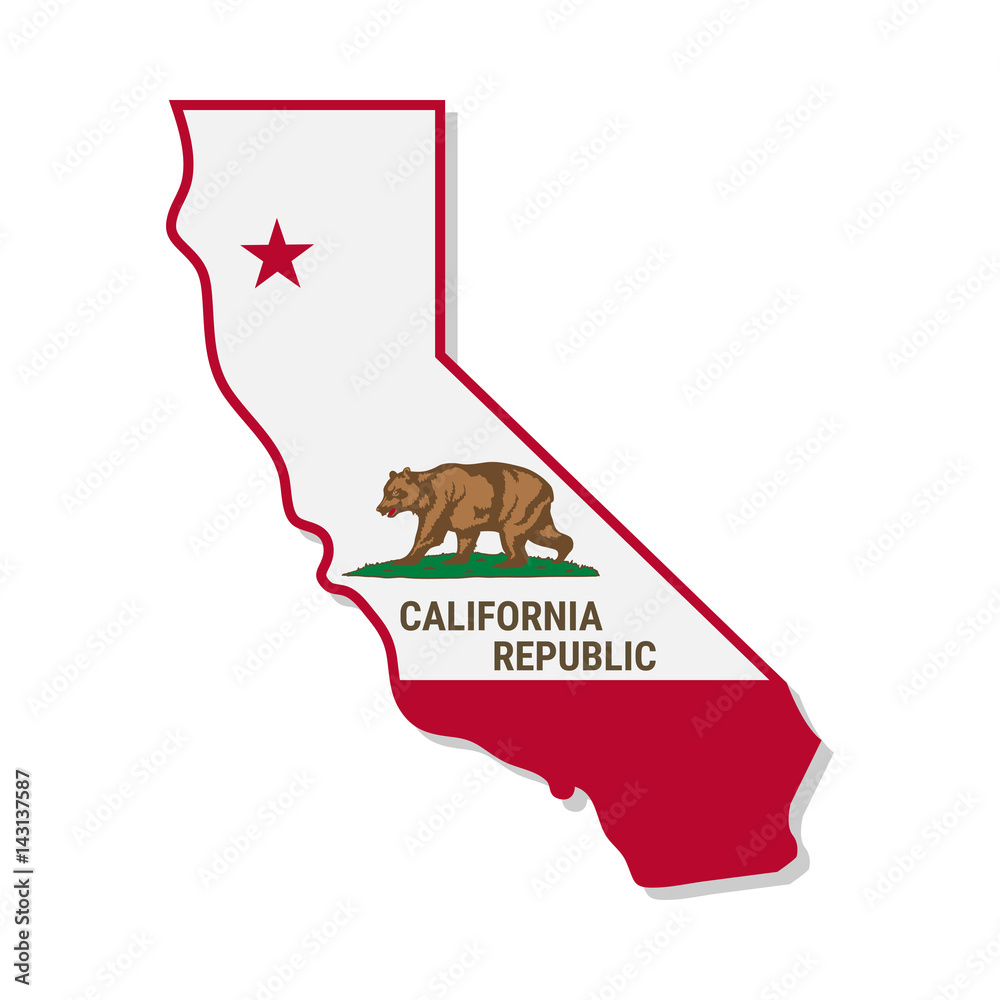
Despite the monumental complexities and overwhelming unlikelihood of California’s secession, the hypothetical discussion serves to underscore the profound and singular appeal of the Golden State. Whether as a state within the United States or as an independent nation, California’s magnetic draw stems from its extraordinary geographical diversity, from the sun-drenched beaches of the Pacific Ocean to the snowy peaks of the Sierra Nevada mountains.
It’s a place where innovation thrives, where diverse cultures intermingle, and where the pursuit of dreams has always been a defining characteristic. This inherent allure ensures that California will remain a premier destination for travelers seeking adventure, luxury, relaxation, or cultural immersion. From the bustling streets of San Jose to the artistic enclaves of Santa Barbara, and from the historic capital of Sacramento to the pristine wilderness of Yosemite Valley, the state offers an unparalleled array of experiences.
The question of secession, while legally and politically improbable, highlights California’s distinct place in the world—a vibrant hub of culture, economy, and natural splendor that commands attention and admiration, regardless of its political affiliations. Its unique spirit is what makes it a bucket-list destination for millions, a place that continues to define trends and inspire journeys for adventurers and dreamers alike.
LifeOutOfTheBox is a participant in the Amazon Services LLC Associates Program, an affiliate advertising program designed to provide a means for sites to earn advertising fees by advertising and linking to Amazon.com. Amazon, the Amazon logo, AmazonSupply, and the AmazonSupply logo are trademarks of Amazon.com, Inc. or its affiliates. As an Amazon Associate we earn affiliate commissions from qualifying purchases.