
Texas, the Lone Star State, is renowned for its vast landscapes, vibrant cities, rich history, and unique culture. From the bustling streets of Dallas and Houston to the live music scene in Austin and the historic charm of San Antonio, it offers a diverse array of experiences for travelers and residents alike. However, for those navigating the contemporary landscape of wellness and lifestyle products, a crucial question often arises: what is the legal status of THC in Texas in 2024? This question is particularly pertinent given the evolving legal frameworks surrounding cannabis derivatives across the United States.
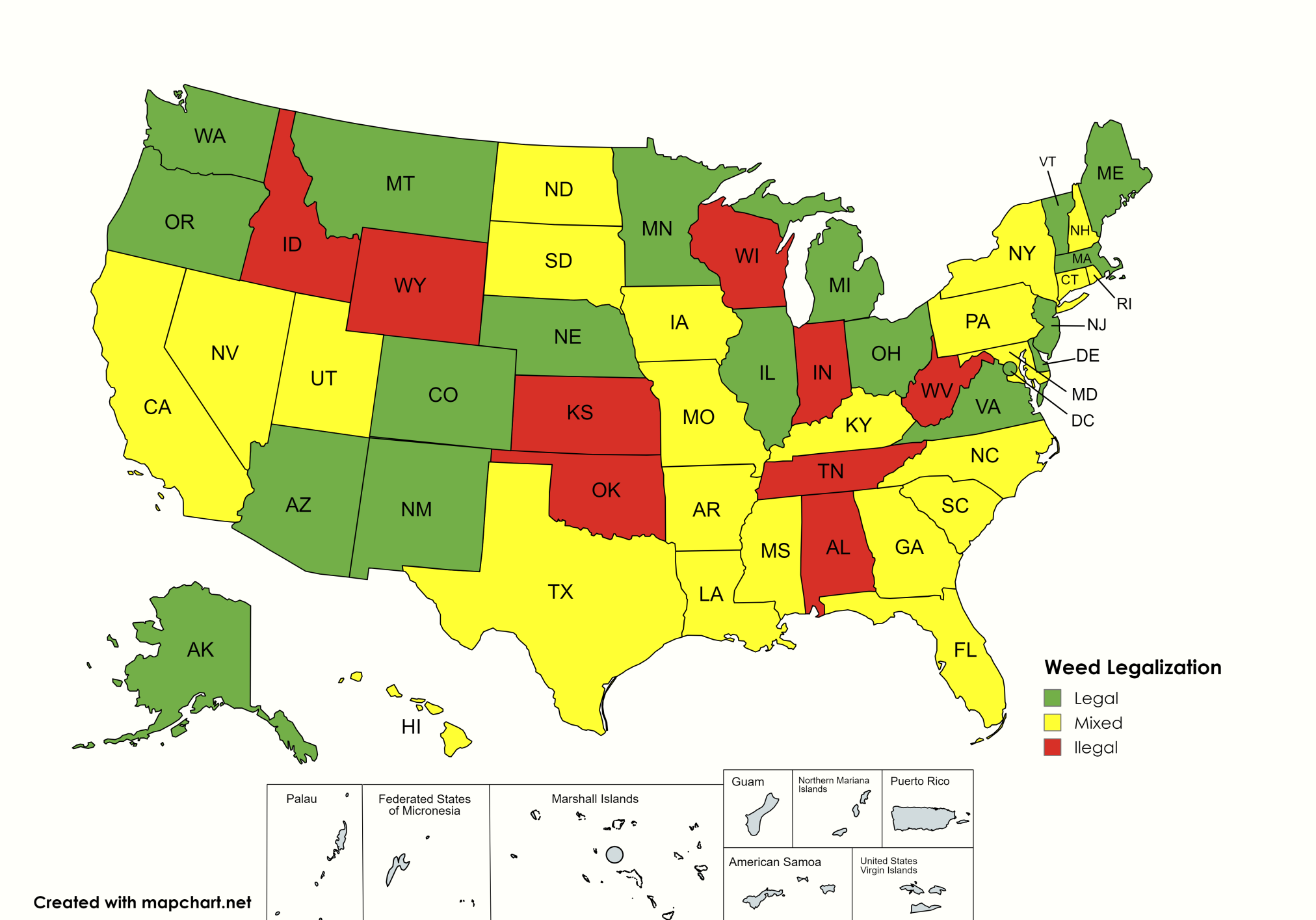
Understanding the nuances of THC legality in Texas is not just about adhering to the law; it’s about making informed decisions for your travel plans, lifestyle choices, and overall well-being. Unlike some states that have embraced full recreational or broad medical marijuana programs, Texas maintains a conservative stance, leading to a complex and sometimes confusing patchwork of regulations. This article aims to demystify the current situation, offering clarity for anyone exploring Texas in 2024, whether for a quick getaway, an extended stay, or as a long-term resident.
Understanding the Cannabis Landscape in Texas
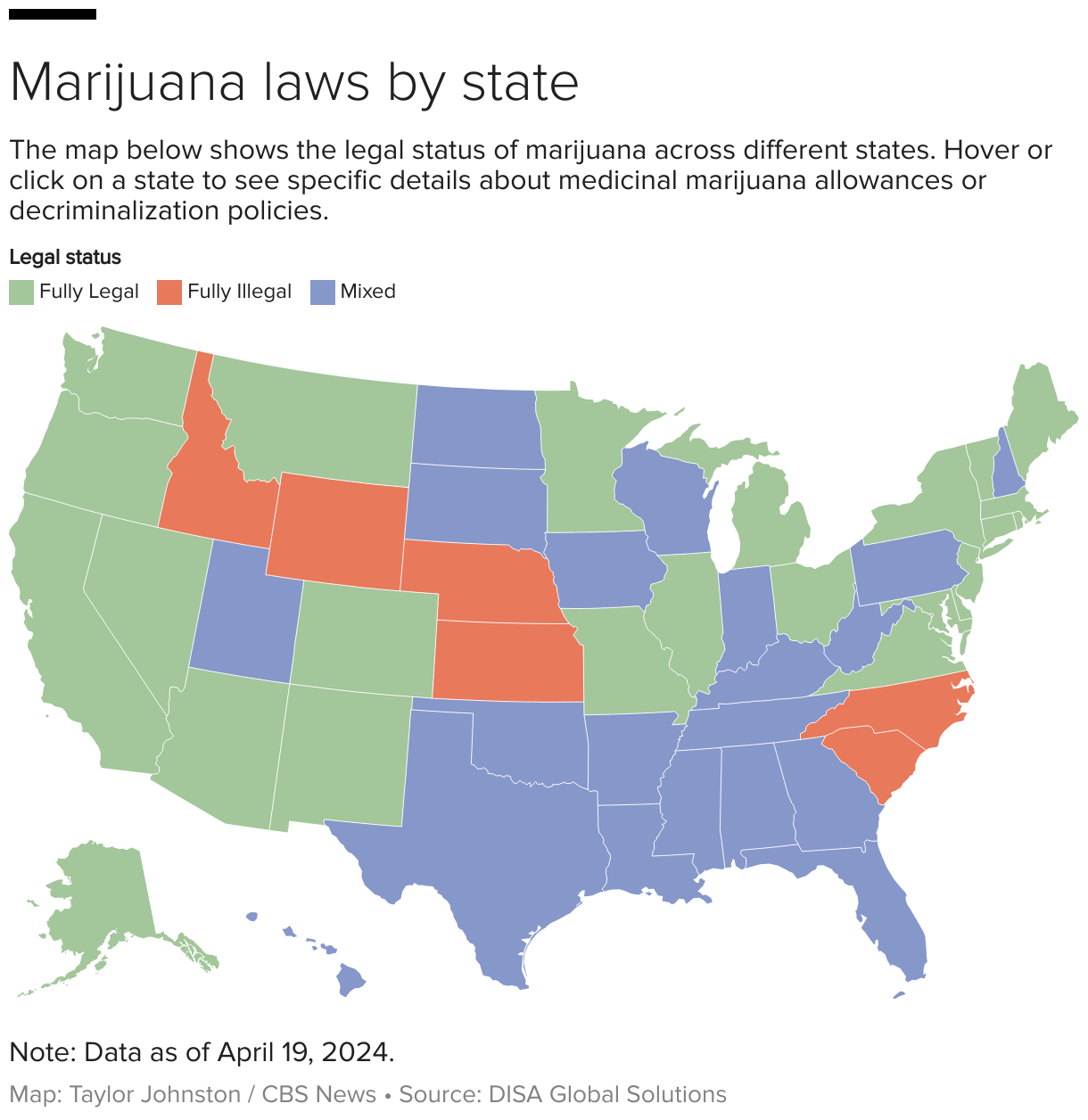
The legal status of THC in Texas is, at best, a study in distinctions. While recreational marijuana remains illegal, the state’s approach to hemp-derived cannabinoids has created a unique market. The key to understanding this lies in the difference between marijuana and hemp under both federal and state law.
The Nuance of Texas Hemp Laws
In 2019, Texas passed House Bill 1325, aligning its state law with the federal 2018 Farm Bill. This landmark legislation legalized the cultivation, processing, and sale of hemp and hemp-derived products. The critical definition here is that hemp is defined as the cannabis plant with a Delta-9 THC concentration of no more than 0.3% on a dry weight basis. Anything above this threshold is considered marijuana and remains a controlled substance.
This distinction is fundamental. It means that while the psychoactive compound Delta-9 THC is largely illegal if derived from marijuana, it is technically legal if it comes from hemp and stays below the 0.3% threshold. This legal framework has opened the door for a variety of products to be sold legally across the state, creating both opportunities and challenges for consumers and regulators.
Distinguishing Delta-8, Delta-9, and CBD
The Texas hemp law has inadvertently created a market for other cannabinoids, most notably Delta-8 THC.
- Delta-9 THC: This is the primary intoxicating compound found in marijuana. In Texas, products containing more than 0.3% Delta-9 THC are illegal, with the exception of specific medical cannabis products under the Texas Compassionate Use Program.
- Delta-8 THC: This cannabinoid is naturally present in cannabis plants but in much smaller quantities than Delta-9 THC. Crucially, Delta-8 THC can be synthesized from CBD extracted from legal hemp. Because the law specifies a limit only for Delta-9 THC, Delta-8 THC products have occupied a legal gray area, leading to their widespread sale in Texas. Despite attempts by the Texas Department of State Health Services to classify Delta-8 THC as a Schedule I controlled substance, court rulings in favor of hemp retailers have kept it legal as of early 2024, though its status could always change with future legislation. Other analogous compounds like Delta-10 THC and THC-O often fall under similar interpretations.
- CBD: Cannabidiol, or CBD, is non-intoxicating and is widely legal and available in Texas, provided it contains less than 0.3% Delta-9 THC. CBD products are readily found in various forms, from oils and tinctures to edibles and topicals, and are popular for their purported wellness benefits without the “high.”
The Role of the Texas Compassionate Use Program (TCUP)
For individuals seeking cannabis for medical purposes, Texas has the Texas Compassionate Use Program (TCUP). However, TCUP is one of the most restrictive medical marijuana programs in the United States. It allows for the prescription of low-THC cannabis (defined as no more than 0.5% Delta-9 THC by weight) for a very limited list of qualifying conditions. These conditions have expanded over time to include certain forms of epilepsy, multiple sclerosis, spasticity, autism, terminal cancer, and incurable neurological diseases. It is not a broad medical marijuana program, and access is tightly controlled, requiring a prescription from a registered physician. This program is distinct from the general hemp market and offers no pathway for recreational use or for individuals with conditions not on the approved list.
Navigating THC Products for Travelers and Residents
Whether you’re a tourist exploring Texas’ iconic attractions or a resident enjoying its unique lifestyle, understanding how to navigate the available THC products is crucial for a hassle-free experience. The legal distinctions outlined above have direct implications for where you can purchase, consume, and transport these products.
Where Can You Purchase Legal Products?
Thanks to House Bill 1325, hemp-derived products, including those containing Delta-8 THC, Delta-10 THC, and CBD (all within the 0.3% Delta-9 THC limit), are widely available. You can find these items in specialized hemp shops, CBD stores, convenience stores, gas stations, and online retailers across major cities like Austin, Dallas, Houston, and San Antonio.
Key Considerations for Purchase:
- Reputable Vendors: Always purchase from established and reputable businesses. The unregulated nature of some of these products means quality and safety can vary significantly.
- Third-Party Lab Testing: Look for products that provide Certificates of Analysis (COAs) from independent third-party labs. These reports verify the cannabinoid content (ensuring it’s below the 0.3% Delta-9 THC limit) and confirm the absence of harmful contaminants like pesticides, heavy metals, and residual solvents.
- Labeling: Clear and accurate labeling is essential, detailing the type of cannabinoid, dosage, and ingredients.
Consumption Guidelines in Public and Private Spaces
Even if a product is legally purchased, its consumption is subject to specific rules and societal norms, especially for visitors.
- Public Consumption: Generally, consuming any intoxicating substance, even legally derived ones, in public spaces is ill-advised and could lead to issues. While specific laws against public consumption of hemp-derived Delta-8 THC are still evolving, it’s best to err on the side of caution. Laws regarding public intoxication can be broad.
- Private Spaces: In private residences or hotel rooms, consumption becomes more feasible. However, specific accommodations may have their own policies.
- Driving Under the Influence: Texas has strict laws against driving while intoxicated by any substance, including Delta-8 THC or other intoxicating cannabinoids. Even if legally purchased, if it impairs your ability to drive safely, you can face a Driving While Intoxicated (DWI) charge. Never consume intoxicating products before or while operating a vehicle.
Crossing State Lines: A Word of Caution
For travelers, the legal intricacies become even more complex when crossing state borders. Even if Delta-8 THC is legal in Texas, it may be illegal in a neighboring state, or vice versa. The federal legality of hemp does not always supersede state laws.
Furthermore, federal law still classifies marijuana as a Schedule I controlled substance. This means transporting any THC product across state lines, especially via air travel, carries significant federal risks, even if derived from hemp. While the 0.3% Delta-9 THC distinction applies to hemp products, the federal stance on synthetically derived cannabinoids or products that can cause intoxication is less clear and subject to interpretation by federal agencies. It is always safest to purchase and consume products within the state where they are legal and avoid inter-state transport.
Implications for Texas Tourism and Lifestyle
The evolving legal status of THC in Texas profoundly influences both its tourism industry and the lifestyle choices of its residents. It presents unique considerations for visitors planning their itineraries and shapes the local wellness and retail landscape.
Planning Your Trip: What Tourists Need to Consider
For those traveling to Texas, understanding these laws is paramount to a smooth and enjoyable trip.
- Research Current Laws: Laws can change rapidly. Before your trip, always check the latest regulations concerning hemp-derived products in Texas. Official state government websites or reliable legal news sources are the best resources.
- Airport Security: As mentioned, avoid bringing any THC products to airports. Transportation Security Administration (TSA) focuses on security threats, but if illegal substances are discovered, they are referred to law enforcement. Even with legal hemp products, proving their legality on the spot can be challenging and delay your travel.
- National Parks and Federal Lands: Remember that federal law applies on federal property. This includes national parks like Big Bend National Park or Guadalupe Mountains National Park, national forests, and other federal lands. Cannabis and THC products, even hemp-derived ones, are generally prohibited on these properties.
- Travel Insurance: Most travel insurance policies will not cover incidents related to illegal activities. Even in legal gray areas, it’s essential to understand your policy’s limitations.
Accommodation Policies and THC Use
When booking hotels, suites, resorts, apartments, or villas in Texas, it’s important to be aware of their individual policies regarding THC products.
- No Smoking Policies: Many accommodations, from luxury hotels to budget-friendly apartments, have strict no-smoking policies that apply to all substances, including vapes. Even if a Delta-8 THC vape is legal, using it in a non-smoking room could incur cleaning fees or other penalties.
- General Rules: Some establishments may explicitly prohibit the use or possession of cannabis products, regardless of their legal status under state hemp law. It’s always best to check with your accommodation provider directly if you plan to use such products.
- Airbnb/Short-term Rentals: Policies can vary widely. Some hosts might be more lenient, while others might have explicit bans. Communicate with your host if you have questions. Generally, discretion is advised.
Impact on the Local Business and Wellness Scene
The legality of hemp-derived THC has fostered a growing industry within Texas. This includes a proliferation of hemp farms, processing facilities, and retail outlets.
- Wellness and Lifestyle: CBD and Delta-8 THC products have become integrated into the wellness routines of many Texans, offered in forms ranging from tinctures and edibles to bath bombs and topicals. This has expanded the local “lifestyle” economy, providing more choices for consumers seeking alternative wellness solutions.
- Economic Impact: The hemp industry supports jobs and generates tax revenue, contributing to the state’s economy. This economic incentive could play a role in future legislative discussions.
- Cultural Shift: While Texas remains conservative, the open sale and discussion around hemp-derived cannabinoids represent a subtle but significant cultural shift, influencing public perception and the broader conversation around cannabis.
Staying Informed: What to Know Before You Go (or Stay)
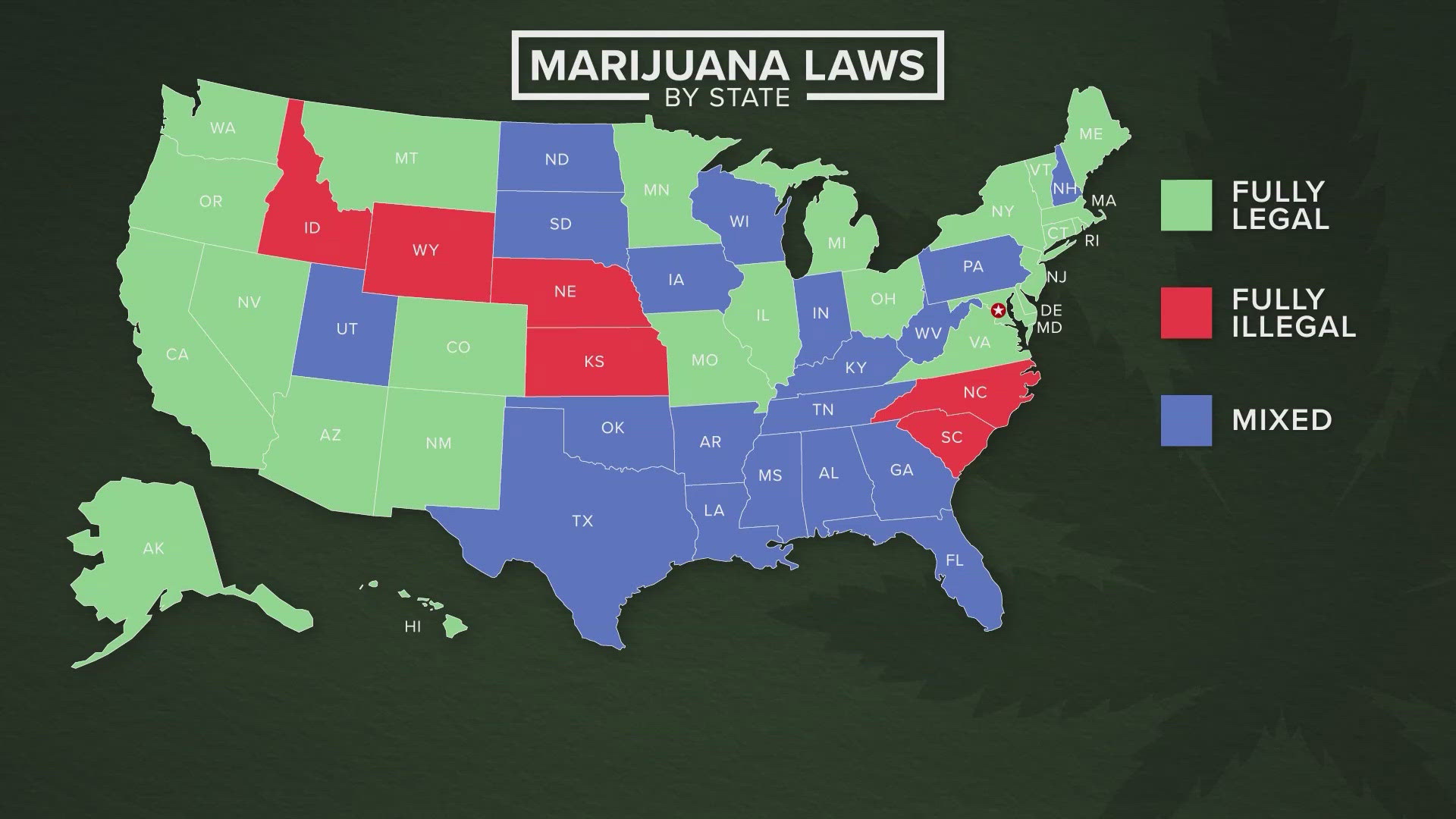
The legal status of THC in Texas in 2024 is best characterized by its complexity and ongoing evolution. For both visitors and long-term residents, an informed approach is the most responsible way to navigate this landscape.
- Due Diligence is Key: Always verify the most current laws and regulations. Legal interpretations and legislative efforts can change the status of certain cannabinoids with little notice.
- Prioritize Safety and Responsibility: If you choose to consume hemp-derived THC products, do so responsibly. Understand the effects, dosage, and avoid situations where impairment could be dangerous (e.g., driving, operating heavy machinery, supervising children).
- Respect Local Customs and Policies: While Texas is known for its hospitality, individual businesses and communities may have varying levels of acceptance regarding THC products. Always be mindful and discreet.
- Focus on Reputable Sources: When purchasing, prioritize vendors who offer transparency, third-party lab testing, and clear product information to ensure you are buying legal and safe products.
In conclusion, “Is THC legal in Texas in 2024?” is not a simple yes or no answer. While traditional marijuana (high Delta-9 THC) remains illegal and the Texas Compassionate Use Program is highly restrictive, the state’s embrace of hemp has opened a pathway for other cannabinoids like Delta-8 THC to be sold and consumed. For those traveling to or living in Texas, understanding these distinctions and adhering to responsible practices will ensure a safe and enjoyable experience within this dynamic state. Stay informed, stay cautious, and enjoy all that Texas has to offer.
LifeOutOfTheBox is a participant in the Amazon Services LLC Associates Program, an affiliate advertising program designed to provide a means for sites to earn advertising fees by advertising and linking to Amazon.com. Amazon, the Amazon logo, AmazonSupply, and the AmazonSupply logo are trademarks of Amazon.com, Inc. or its affiliates. As an Amazon Associate we earn affiliate commissions from qualifying purchases.