
Los Angeles, California, stands as a global metropolis, a vibrant hub of culture, entertainment, and innovation that beckons millions from every corner of the globe. This sprawling city, often simply referred to as L.A., is not just a destination for dreamers and tourists; it’s home to a massive, diverse population that shapes its unique character and fuels its dynamic economy. Understanding the sheer scale of Los Angeles’s population is crucial to grasping its profound impact on everything from its bustling travel industry to its extensive range of hotels, its rich local tourism experiences, and the diverse lifestyles it accommodates.
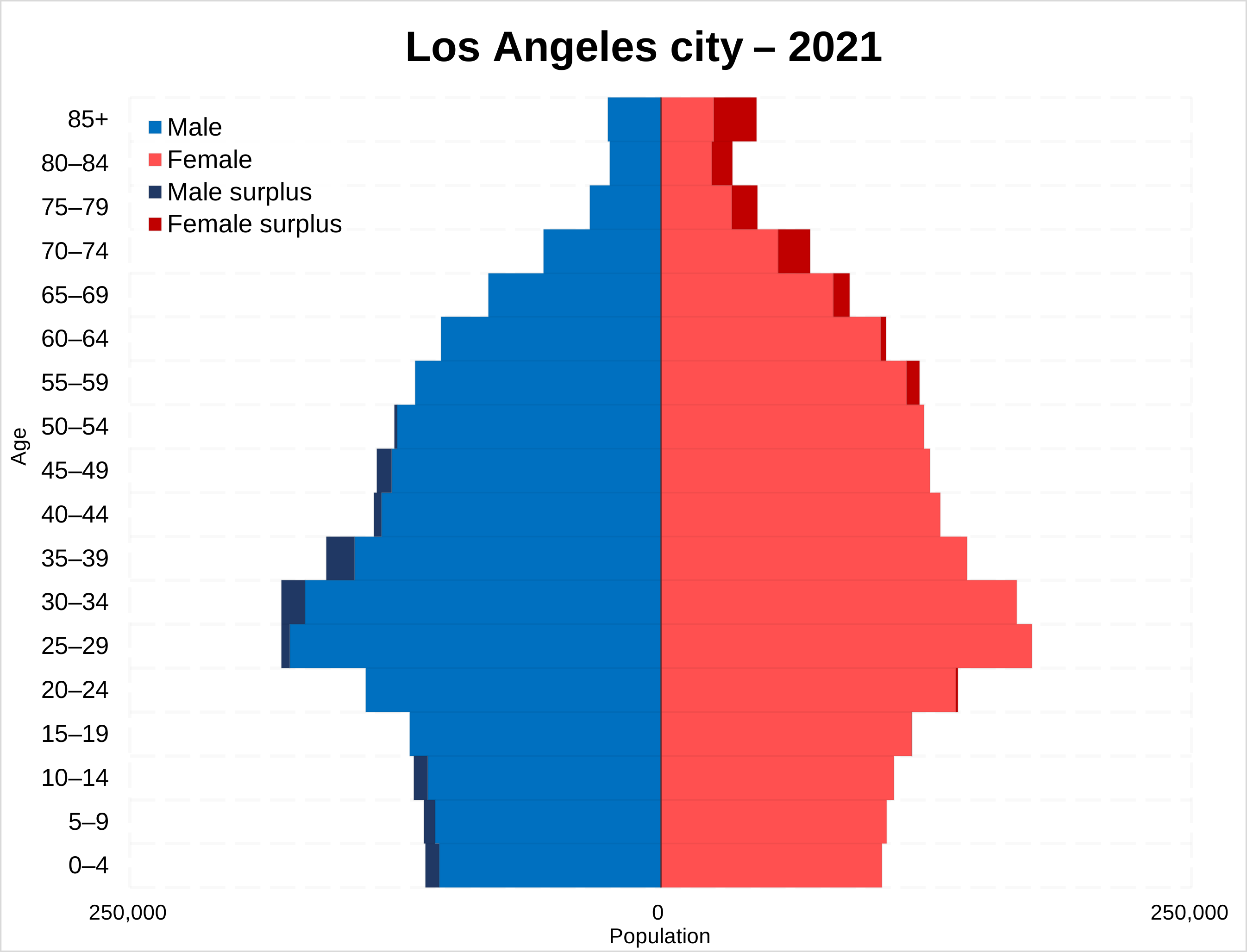
At its core, the city of Los Angeles is a vast urban center. According to the latest estimates, the population of the City of Los Angeles proper is approximately 3.8 million to 3.9 million residents, making it the second-most populous city in the United States, trailing only New York City. However, to truly comprehend the scale of human habitation in this region, one must look beyond the city limits to the broader Los Angeles County. Los Angeles County is home to more than 10 million people, making it the most populous county in the United States. This immense metropolitan area encompasses a mosaic of distinct cities, neighborhoods, and communities, each contributing to the fabric of what many perceive as “L.A.” This dense concentration of people, cultures, and aspirations is the very engine that drives the city’s global appeal, influencing its tourism infrastructure, the array of accommodation options, and the myriad of landmarks and experiences available to both residents and visitors.
The Vibrant Heart of Southern California: Understanding Los Angeles’s Population
The demographic landscape of Los Angeles is a complex and fascinating tapestry, constantly evolving and reflecting global trends. The sheer number of people living in this area is a testament to its enduring appeal, drawing individuals from all walks of life seeking opportunities, dreams, and a unique lifestyle.
A Demographic Tapestry: Who Calls Los Angeles Home?
The population of Los Angeles is renowned for its incredible diversity. It is a melting pot of cultures, ethnicities, and languages, arguably one of the most multicultural cities in the world. This demographic richness is not merely a statistical fact but a defining characteristic that permeates every aspect of daily life, from its culinary scene to its vibrant arts and entertainment industries. Major ethnic groups include a significant Hispanic/Latino population, a substantial Asian community, a notable African American presence, and a diverse White population, alongside numerous other smaller but vital communities. This blend creates a unique cultural synergy, where festivals, cuisines, and traditions from around the globe flourish side-by-side. The city’s open, welcoming atmosphere attracts immigrants and migrants from various states and countries, all contributing to a continuous influx that keeps its population robust and dynamic. This diversity directly enriches the tourism experience, offering visitors authentic encounters with various global cultures without ever leaving the city limits. Travelers can explore distinct neighborhoods like Little Tokyo, Koreatown, and Olvera Street, each offering a slice of a different part of the world, complete with specialized eateries, shops, and cultural events. This global village aspect of Los Angeles is a primary draw for those interested in experiencing a wide array of local cultures and international flavors.
The Metropolitan Scope: Beyond City Limits
While the City of Los Angeles proper holds a significant population, its influence and sprawl extend far beyond its official boundaries. The Los Angeles-Long Beach-Anaheim metropolitan area, which includes all of Los Angeles County and Orange County, is an even more colossal entity. This broader region is home to over 13 million people, establishing it as one of the largest metropolitan statistical areas globally. This expansive reach means that when people speak of “living in L.A.,” they often refer to residing in one of the many cities or unincorporated areas within this vast county, such as Santa Monica, Beverly Hills, Pasadena, or the San Fernando Valley. Each of these areas possesses its own distinct identity, local economy, and community feel, yet all are interconnected by a sprawling network of freeways and shared cultural influence. This widespread population distribution contributes significantly to the demand for diverse accommodation options, from luxury resorts along the coast to family-friendly hotels near theme parks in Orange County and business-oriented suites in Downtown Los Angeles. The sheer number of residents across this metropolitan region directly translates into a vast consumer base, bolstering the service industry, retail, and, crucially, the extensive travel and tourism sector that caters to both local leisure and international visitors.

Population Dynamics and Their Impact on Travel & Tourism in Los Angeles
The immense population of Los Angeles is not just a number; it’s a powerful force that shapes the city’s economic landscape, particularly in the realm of travel and tourism. A large resident base provides both the workforce and a significant portion of the consumer demand that sustains a thriving tourism industry.
Fueling the Tourist Economy: Attractions and Experiences for Millions
With millions of residents and an equally impressive influx of visitors each year, Los Angeles has cultivated an unparalleled array of attractions and experiences. The entertainment capital of the world thrives on its ability to draw crowds, whether for world-class theme parks, iconic cultural institutions, or stunning natural landscapes. The presence of a massive local population ensures a constant demand for these attractions, which in turn encourages their continuous development and expansion. From the magic of Universal Studios Hollywood and the historical glamor of Grauman’s Chinese Theatre on the Hollywood Walk of Fame, to the serene beauty of The Getty Center and the educational exhibits at the California Science Center, there is something for every taste and age group. Families living within the Los Angeles area often frequent these sites, alongside tourists from across the globe, creating a bustling, vibrant atmosphere.
Beyond the major landmarks, the high population density also supports a thriving ecosystem of niche attractions and local experiences. This includes everything from bustling farmers’ markets in various neighborhoods to a diverse range of live music venues, independent art galleries, and specialized food tours that delve into the city’s rich culinary scene. The sheer volume of people ensures that even less mainstream attractions can find an audience, contributing to a diverse and dynamic tourism offering. Furthermore, the extensive resident base fuels the demand for high-quality dining and nightlife, translating into world-class restaurants, bars, and clubs that attract both locals and tourists looking for authentic Los Angeles experiences. The guide aspect of tourism is particularly well-developed here, with numerous local experts offering curated tours that delve into the city’s history, film industry, or architectural gems, enhancing the experience for many visitors.

Navigating the Urban Landscape: Accommodation for Every Traveler
The challenge of accommodating millions of residents and tens of millions of annual visitors has resulted in an incredibly sophisticated and diverse hotel and accommodation sector in Los Angeles. The sheer scale of the population directly drives the demand for a vast range of options, ensuring that every type of traveler, from the luxury seeker to the budget-conscious backpacker, can find suitable lodging. In terms of luxury travel, Los Angeles boasts some of the most opulent hotels and resorts in the world. Iconic establishments like The Beverly Wilshire, A Four Seasons Hotel in Beverly Hills, the Waldorf Astoria Beverly Hills, and The London West Hollywood offer unparalleled amenities, exquisite service, and breathtaking views, often frequented by celebrities and high-profile guests.
For those seeking more unique or design-centric experiences, boutique hotels like The LINE LA in Koreatown or The Standard Downtown LA provide stylish accommodations with a distinct local flair. The strong corporate presence in areas like Downtown Los Angeles also ensures a robust market for business hotels, complete with conference facilities, executive suites, and convenient access to the financial district. Beyond traditional hotels, the high population density and diverse needs have fostered a thriving market for alternative accommodations. This includes serviced apartments for longer stays, guesthouses, and a robust short-term rental market through platforms that cater to visitors seeking a more residential experience. For budget travelers, numerous motels and hostels are strategically located near public transport routes and popular attractions, offering affordable options without compromising on access. The constant comparison and review of these myriad options, driven by a large user base, help travelers make informed decisions, ensuring a vibrant and competitive accommodation market that continually innovates to meet diverse demands.
Los Angeles: A Lifestyle For Every Resident and Visitor
The colossal population of Los Angeles doesn’t just create demand for hotels and attractions; it cultivates an incredibly diverse and dynamic lifestyle that is reflected in every aspect of the city, from its culinary scene to its landmarks and social fabric. This fusion of millions of individual lives creates a tapestry of experiences unique to L.A.
Culinary Delights and Cultural Riches: A Diverse Palate
The multi-ethnic population of Los Angeles is perhaps most vividly expressed through its culinary landscape. The city is a gastronomic paradise, offering an unparalleled range of international cuisines, from authentic Mexican food in East Los Angeles to exquisite Korean BBQ in Koreatown, vibrant Vietnamese dishes in the San Gabriel Valley, and a burgeoning fine-dining scene across Beverly Hills and West Hollywood. Food trucks, hole-in-the-wall gems, and Michelin-starred restaurants coexist, catering to every palate and budget. This rich food culture is not just for tourists; it’s an integral part of the daily life for residents, who enjoy a perpetual exploration of new flavors and traditional comforts.
Beyond food, the city’s cultural activities are equally rich and varied. The diverse population supports a thriving arts scene, including world-class institutions like the Los Angeles County Museum of Art (LACMA), the Walt Disney Concert Hall, and numerous smaller theaters and galleries. The local culture is a dynamic mix of Hollywood glamor, beach town casualness, urban sophistication, and a myriad of ethnic traditions. Residents enjoy access to a constant calendar of events, from film festivals and music concerts to community gatherings and cultural celebrations, often reflecting the specific heritage of the surrounding neighborhoods. This makes Los Angeles a living, breathing cultural experience for anyone who steps foot in it, whether for a short trip or a long-term stay.
Iconic Landmarks and Natural Wonders: Drawing the Crowds
The sheer number of people living in and visiting Los Angeles means that its famous places and natural beauty spots are constantly bustling. Landmarks like the majestic Hollywood Sign, the celestial Griffith Observatory, and the historic Santa Monica Pier are not just tourist attractions; they are integral parts of the local landscape that residents frequent for recreation, stunning views, and a sense of community. The city’s unique blend of urban development and natural splendor—from the expansive Pacific Ocean coastline to the rolling hills of the Santa Monica Mountains—provides ample opportunities for outdoor activities. Places like Runyon Canyon Park offer popular hiking trails with panoramic city views, drawing both fitness enthusiasts and casual strollers. The famous beaches of Malibu, Santa Monica, and Venice Beach are frequented by locals and tourists alike, showcasing the city’s inherent connection to nature. The city’s history is embedded in its architecture, from the Art Deco buildings of Downtown Los Angeles to the Spanish Colonial Revival homes of Pasadena, offering a visual narrative of its past. These landmarks, whether man-made or natural, serve as vital gathering points and symbols for both the local population and visitors, embodying the diverse appeal of Los Angeles.
The Spectrum of Living: From Luxury to Budget Lifestyles
The vast population of Los Angeles means that the city caters to an incredibly broad spectrum of lifestyles and budgets. On one end, there’s the epitome of luxury travel and living, epitomized by the high-end shopping on Rodeo Drive in Beverly Hills, exclusive dining experiences, and stays in five-star suites. This glamorous image, often depicted in media, is a reality for a segment of the population and a significant draw for luxury travelers worldwide. High-net-worth individuals and celebrities are attracted to its exclusive communities and the bespoke services available.
Conversely, Los Angeles also provides for budget travelers and residents seeking a more accessible way of life. Affordable eateries, free public parks, numerous museums with free admission days, and a comprehensive public transport system (though often overshadowed by its car culture) make it possible to experience the city without breaking the bank. Family trips often involve planning around more budget-friendly attractions or taking advantage of the city’s many free outdoor spaces. Even business stays, while sometimes demanding luxury, also find options for more pragmatic, extended-stay accommodations. The sheer scale of the city’s population dictates this wide range of options, ensuring that Los Angeles remains accessible and appealing to a diverse global audience, whether they are visiting for a short vacation, a business trip, or contemplating a long-term move. This ability to cater to such a wide array of economic backgrounds and lifestyle preferences is a direct consequence of having millions of people call this sprawling metropolis home.
In conclusion, the question of “How many people live in Los Angeles, California?” reveals far more than a simple demographic statistic. It points to a dynamic urban center of nearly 4 million people within its city limits, expanding to over 10 million in the broader county. This immense population is the heartbeat of Los Angeles, driving its incredible diversity, fueling its world-renowned tourism industry, shaping its extensive accommodation options, and fostering a lifestyle that is as varied and vibrant as its residents themselves. It’s a city where every person, every neighborhood, and every cultural nuance contributes to a grand, ever-evolving narrative, making it an endlessly fascinating destination for travel, discovery, and living.
LifeOutOfTheBox is a participant in the Amazon Services LLC Associates Program, an affiliate advertising program designed to provide a means for sites to earn advertising fees by advertising and linking to Amazon.com. Amazon, the Amazon logo, AmazonSupply, and the AmazonSupply logo are trademarks of Amazon.com, Inc. or its affiliates. As an Amazon Associate we earn affiliate commissions from qualifying purchases.