
The very name Alaska conjures images of majestic glaciers, sprawling wilderness, and, inevitably, bone-chilling cold. It’s a state synonymous with extreme temperatures, a rugged frontier where nature reigns supreme. But just how cold can it get in Alaska? For many prospective travelers, especially those planning a winter adventure, this isn’t just a curiosity; it’s a vital question that shapes their packing list, itinerary, and overall expectations. Far from being a deterrent, understanding Alaska’s formidable cold opens the door to truly unique travel experiences, from witnessing the ethereal Northern Lights to embracing thrilling winter sports. This guide will delve into the frosty realities of Alaska’s climate, explore how different regions experience the cold, and provide essential insights for anyone looking to visit this extraordinary destination, prepared and comfortably warm.
Unpacking Alaska’s Extreme Temperatures
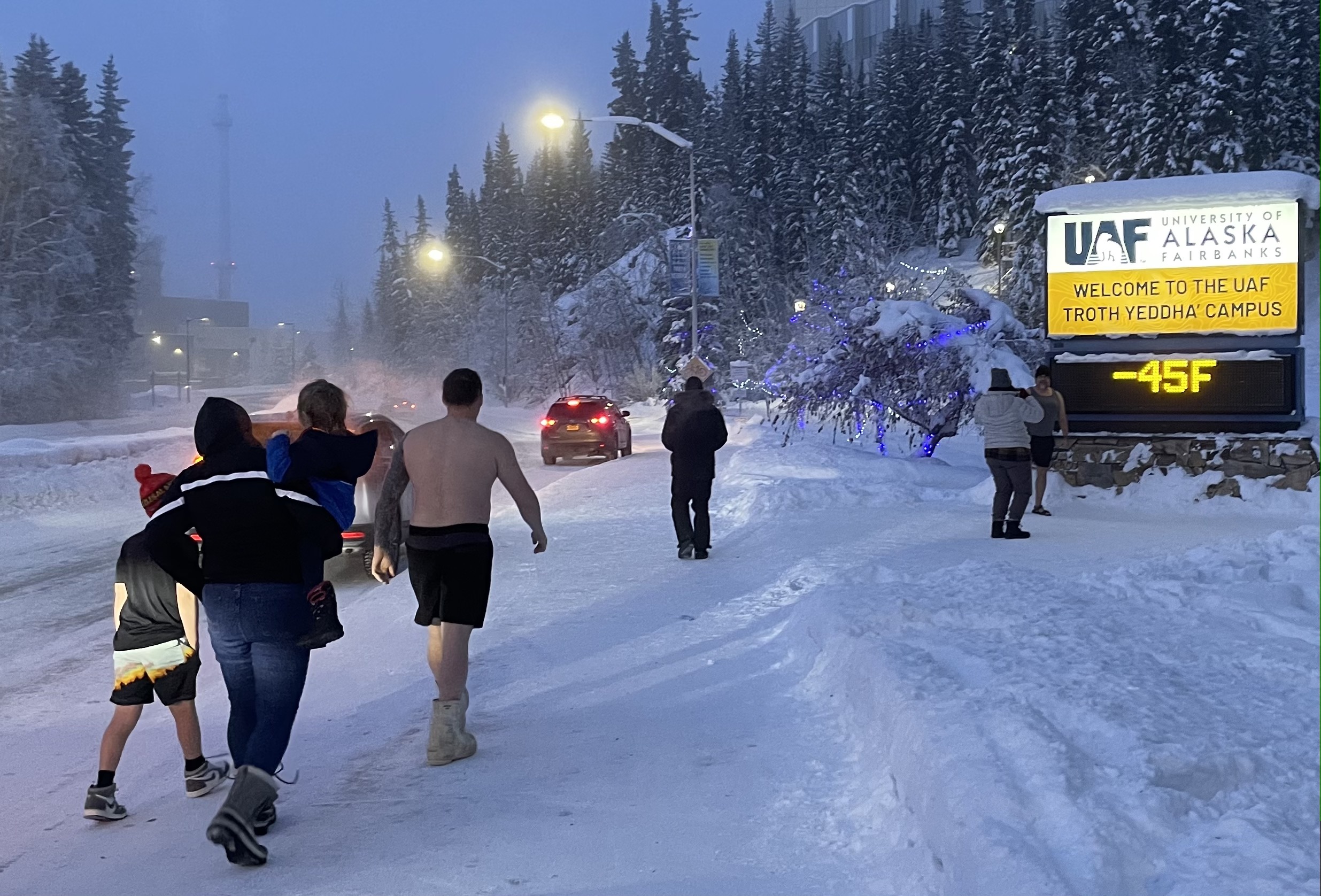
Alaska’s vastness means its climate is far from monolithic. While the stereotype of frigid temperatures holds true for much of the state, especially during winter, the exact degree of cold varies significantly depending on geographic location and proximity to the coast or mountains. Understanding these nuances is key to appreciating the state’s diverse weather patterns and planning an appropriate visit.
The Science Behind the Chill
At its core, Alaska’s extreme cold is a product of its high latitude, vast landmass, and the influence of ocean currents and mountain ranges. The state is divided into several distinct climate zones, each with its own temperature characteristics.
The Interior region, encompassing cities like Fairbanks and areas around Denali National Park, experiences the most extreme temperature swings. Far from the moderating influence of the ocean, these areas are subject to continental climate patterns. Winter temperatures routinely plunge far below zero degrees Fahrenheit, with record lows dipping into the -60s F (-50s C). For instance, Fairbanks has seen temperatures as low as -66°F (-54°C). The long nights of winter, combined with snow cover reflecting heat back into space, contribute to these profound lows.
Further north, the Arctic Slope region, home to communities like Utqiagvik (formerly Barrow), truly defines sustained cold. Being above the Arctic Circle, these areas experience weeks of perpetual darkness during winter, which allows temperatures to plummet and stay low. While record lows might not always match the absolute extremes of the Interior (due to the moderating effect of the Arctic Ocean, albeit a frozen one for much of winter), average winter temperatures are consistently lower, often hovering between -10°F and -20°F (-23°C to -29°C), with wind chill making it feel much colder.
In contrast, the Southcentral and Southeast regions, which include Anchorage and Juneau, benefit from coastal influences. Anchorage, for example, typically experiences milder winters, with average temperatures in the teens and twenties Fahrenheit (-9°C to -1°C). While cold snaps certainly occur, dropping temperatures to -20°F (-29°C) or lower, they are less frequent and prolonged than in the Interior. Juneau, being a rainforest climate, is comparatively warmer and wetter, with winter temperatures often staying above 0°F (-18°C), though snowfall is abundant.
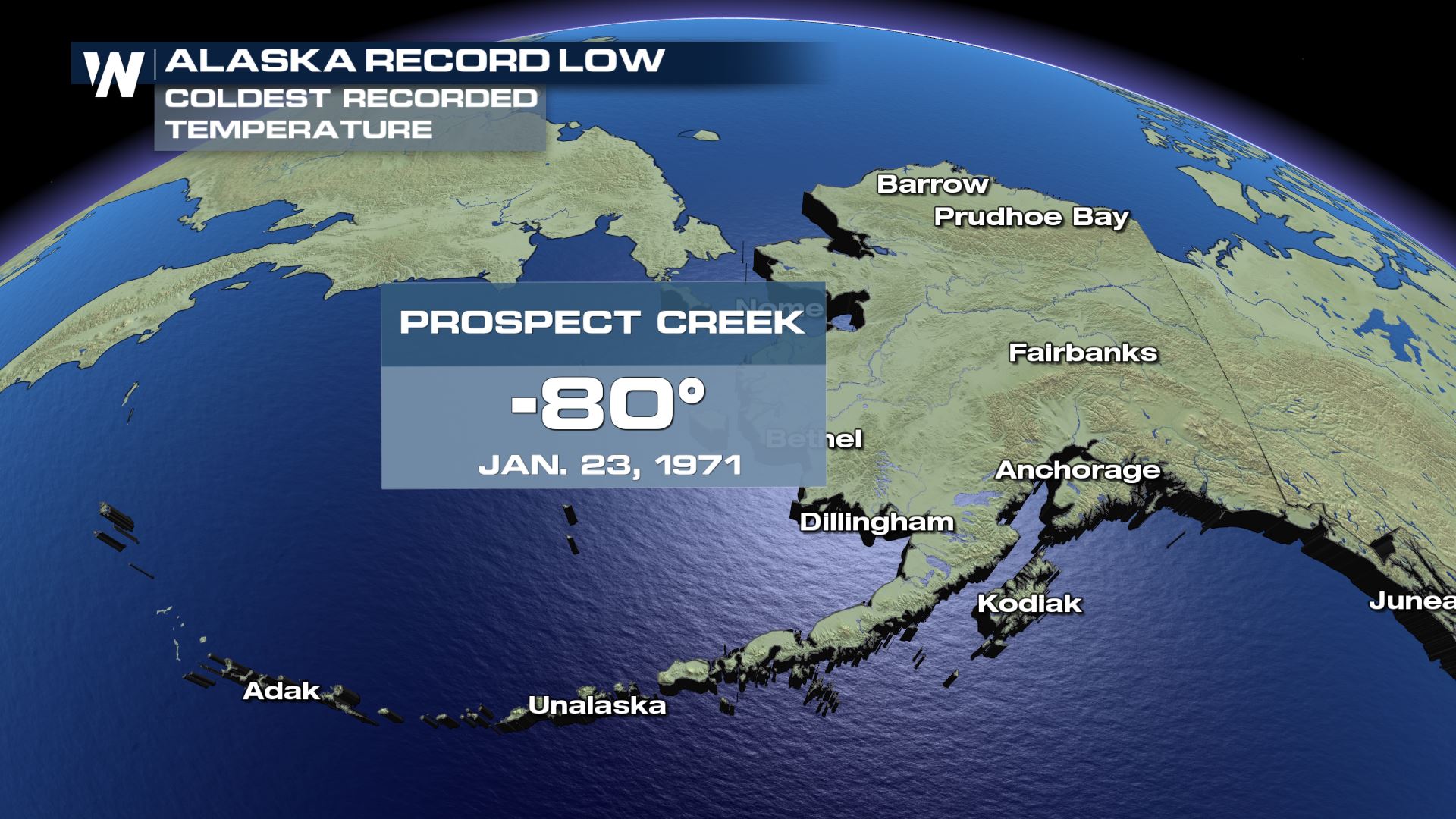
The absolute record for the coldest temperature recorded in the United States belongs to Alaska: -80°F (-62°C) at Prospect Creek Camp in the Endicott Mountains of the Interior, near the Dalton Highway. While not a typical tourist destination, it underscores the profound cold capabilities of the state’s interior wilderness.
Seasonal Variations and Microclimates
It’s crucial to understand that “winter” in Alaska is not a static condition. Early winter (November-December) can differ greatly from the depths of mid-winter (January-February) and the thawing of late winter/early spring (March-April). January and February generally represent the coldest months across most of the state.
Furthermore, microclimates play a significant role. Valleys can trap cold air, leading to inversions where low-lying areas are colder than higher elevations. Wind chill is another critical factor; even a seemingly mild -10°F (-23°C) can feel like -40°F (-40°C) with a brisk wind, increasing the risk of frostbite and hypothermia dramatically. Travelers need to be aware that the temperature reported by a thermometer is only part of the story; wind speed must also be considered.
Embracing the Alaskan Winter: Activities and Attractions
Despite, or perhaps because of, its extreme cold, Alaska transforms into a breathtaking winter wonderland, offering a unique array of activities and sights that are simply not possible in warmer climates. For the prepared traveler, the cold is not a barrier but an enhancement to an unforgettable experience.
Iconic Winter Experiences
The ultimate draw for many winter visitors is the chance to witness the spectacular Northern Lights (Aurora Borealis). Fairbanks, situated beneath the auroral oval, is often lauded as one of the best places on Earth to see this celestial phenomenon, especially during the long, dark, and often clear winter nights. Various tour operators offer specialized excursions, including heated viewing cabins and guided photography trips, ensuring comfort even in frigid temperatures.
Dog sledding, Alaska’s official state sport, offers an authentic and exhilarating way to experience the snowy landscape. From short recreational rides to multi-day expeditions, visitors can engage with this historic mode of transportation. The famous Iditarod Trail Sled Dog Race in March attracts global attention, showcasing the incredible endurance of mushers and their teams.
Other popular winter activities include ice fishing on frozen lakes, snowmobiling (or “snowmachining” as locals call it) through vast wilderness trails, and cross-country or downhill skiing. Alyeska Resort in Girdwood, just south of Anchorage, is Alaska’s premier ski destination, offering extensive terrain and stunning views of the Chugach Mountains and Turnagain Arm.
Even seemingly passive activities like wildlife viewing take on a new dimension in winter. Moose are frequently seen foraging in snowy fields near urban areas, and bison herds can be spotted in the Interior. The silence of the snowy landscape often enhances the sense of wilderness and isolation, offering a profound connection to nature.
Cities and Towns in the Cold
Alaska’s urban centers are well-equipped to handle the cold, offering a variety of indoor attractions and amenities. Anchorage, the state’s largest city, serves as a hub for many visitors. The Anchorage Museum provides fascinating insights into Alaska’s art, history, and science, while numerous art galleries, breweries, and restaurants offer warm respite. The city also maintains an extensive network of groomed multi-use trails, perfect for cross-country skiing and fat-tire biking.
Fairbanks embraces its cold identity with unique attractions like the Ice Museum and the World Ice Art Championships (held annually in March), where artists craft intricate sculptures from massive blocks of ice. The University of Alaska Museum of the North offers a comprehensive look at the state’s natural and cultural history.

Juneau, the capital, while less intensely cold, provides access to the stunning Mendenhall Glacier, which is spectacular in its winter garb. Visitors can enjoy hiking, snowshoeing, and even ice cave exploration opportunities, though always with a guide and proper safety precautions.
Even smaller towns like Talkeetna or North Pole (near Fairbanks, famous for its year-round Christmas theme) offer charming local experiences, warm cafes, and unique souvenir shops, providing a glimpse into the resilient Alaskan lifestyle.
Essential Preparation for Cold-Weather Travel
The difference between an unforgettable Alaskan adventure and a miserable one often boils down to preparation. Understanding how to dress and what to expect from the cold is paramount for safety and enjoyment.
What to Pack: Layering and Gear
The golden rule for dressing in Alaska’s cold is layering. This allows you to adjust your clothing to varying activity levels and temperatures, trapping warm air while wicking away moisture.
- Base Layer: Start with a moisture-wicking synthetic or merino wool base layer (long underwear). Avoid cotton, which retains moisture and can chill you quickly.
- Mid-Layers: Add one or two insulating layers, such as fleece jackets, wool sweaters, or down vests. These provide warmth.
- Outer Layer: A waterproof, windproof, and breathable parka or heavy winter jacket is essential. Look for options with high fill power down or synthetic insulation designed for extreme cold.
- Bottoms: Insulated, waterproof snow pants are a must, worn over base layers. Jeans are highly discouraged.
- Footwear: Insulated, waterproof winter boots are critical. They should be rated for temperatures well below what you expect to encounter, with thick soles and good traction. Ensure they are roomy enough to wear thick wool socks without constricting circulation.
- Headwear: A warm hat that covers your ears is non-negotiable, as significant body heat is lost through the head. A balaclava or neck gaiter provides additional protection for your face and neck.
- Gloves/Mittens: Mittens are generally warmer than gloves in extreme cold, as they allow your fingers to share warmth. Waterproof and insulated options are best. Consider thin liner gloves for dexterity when needed.
- Accessories: Hand and foot warmers can be lifesavers. Sunglasses are also important to protect against glare from snow.
When considering gear, prioritize quality over cost. Investing in good cold-weather clothing will ensure comfort and safety. Many local outfitters in Anchorage or Fairbanks offer gear rentals for those who don’t want to purchase specialized items.
Staying Warm and Safe: Tips for Travelers
Beyond clothing, several practical tips can enhance your safety and enjoyment in the cold:
- Stay Hydrated: Cold, dry air can quickly dehydrate you. Drink plenty of water and warm beverages.
- Eat Well: Your body burns more calories to stay warm, so ensure you’re consuming enough food.
- Recognize Frostbite and Hypothermia: Be aware of the symptoms. Numbness, tingling, and discoloration are signs of frostbite. Shivering, confusion, and slurred speech indicate hypothermia. Seek warmth immediately if symptoms appear.
- Protect Electronics: Cold drains battery life quickly. Keep phones, cameras, and extra batteries close to your body or in insulated pouches.
- Car Preparation: If driving, ensure your vehicle is winterized with block heaters, emergency kits, and good winter tires. Carry extra fuel, food, and warm blankets. Road conditions can change rapidly.
- Inform Others: If venturing into remote areas, always let someone know your plans and expected return time.
- Limit Exposure: Even with proper gear, limit your time outdoors in extreme cold, especially if inactive. Take frequent breaks indoors to warm up.
Accommodation and Comfort in the Alaskan Chill
While the wilderness beckons, having a warm, comfortable base is essential for a successful Alaskan winter trip. Accommodation options range from cozy cabins to luxurious resorts, all designed to provide a refuge from the elements.
Finding Your Warm Haven
Alaska offers a diverse range of lodging choices. In larger cities like Anchorage, you’ll find familiar hotel chains alongside unique local establishments. For example, the Hotel Captain Cook in Anchorage provides upscale amenities and is a landmark in itself, perfect for a comfortable stay. In Fairbanks, Pike’s Waterfront Lodge offers scenic views of the Chena River and is well-regarded for its warm hospitality and proximity to Northern Lights viewing spots.
Many properties across the state understand the importance of warmth and comfort. Look for hotels and resorts that boast amenities such as fireplaces in common areas or rooms, hot tubs for a relaxing soak after a day in the cold, and even heated indoor pools. Some boutique lodges and cabins, especially those catering to aurora viewers, might offer private balconies or large windows specifically designed for sky gazing from the warmth of your room.
For those seeking a more rustic or secluded experience, private cabin rentals or bed and breakfasts in areas like the Kenai Peninsula or near Seward provide a cozy escape. These often come equipped with wood stoves, full kitchens, and a more intimate atmosphere, allowing guests to fully immerse themselves in the quiet beauty of the Alaskan winter.
Luxury vs. Budget Cold-Weather Stays
The choice between luxury and budget travel in Alaska significantly impacts the level of comfort and convenience in cold weather.
Luxury travel in Alaska often means staying in high-end resorts or specialized lodges that offer all-inclusive packages. These might include gourmet dining, private guides for winter activities, dog sledding excursions from the lodge, and even dedicated aurora viewing facilities with heated spaces. Such options provide unparalleled comfort and ease, minimizing exposure to the harshest elements while maximizing unique experiences. They often feature amenities like spa services, fine dining, and transportation, allowing travelers to focus entirely on their adventure.
Budget travel, while requiring more self-reliance, is entirely feasible and rewarding. Hostels, smaller motels, and Airbnb rentals offer more affordable accommodation options. The key for budget travel in the cold is to prioritize functional warmth and proper gear investment over lavish lodging. Cooking your own meals in self-catering units can also save money. While you might not have a private hot tub, the public amenities in cities (libraries, community centers, cafes) provide plenty of warm spaces to relax and plan your next adventure. Many affordable tours still offer excellent opportunities for activities like Northern Lights viewing or dog sledding, often departing from central locations.
Ultimately, whether opting for luxury travel or sticking to a budget travel plan, careful planning and proper gear will ensure a warm and memorable experience in Alaska’s winter. The state’s incredible landscapes and unique activities are accessible to all who come prepared.
In conclusion, Alaska is undeniably cold, with temperatures capable of plummeting to breathtaking lows, particularly in its vast Interior and Arctic regions. However, this profound cold is not a drawback but rather a defining characteristic that shapes its stunning winter landscapes and unique recreational opportunities. From chasing the elusive Northern Lights to embarking on thrilling dog sledding adventures, Alaska in winter offers experiences found nowhere else. With proper preparation, including strategic layering, investing in quality gear, and choosing appropriate accommodation, travelers can not only withstand the cold but truly thrive in it. Alaska’s winter is a testament to nature’s raw power and beauty, inviting the well-prepared to discover its unparalleled magic.
LifeOutOfTheBox is a participant in the Amazon Services LLC Associates Program, an affiliate advertising program designed to provide a means for sites to earn advertising fees by advertising and linking to Amazon.com. Amazon, the Amazon logo, AmazonSupply, and the AmazonSupply logo are trademarks of Amazon.com, Inc. or its affiliates. As an Amazon Associate we earn affiliate commissions from qualifying purchases.