
For many embarking on a memorable travel adventure or planning a business trip, understanding local driving laws is just as crucial as packing the right essentials or booking the perfect accommodation. Especially when traversing the scenic routes and bustling cities of the United States, familiarity with traffic regulations can significantly enhance your experience. One common query that often arises, particularly for visitors from countries with different rules or those new to a specific state, is about turning right on a red light. So, can you turn right on red in Arizona? The straightforward answer is generally, yes, you can, but with critical stipulations that every driver must understand and adhere to for safety and legal compliance.
Arizona, like most states across America, permits drivers to make a right turn at a red light after coming to a complete stop. This seemingly simple rule is designed to improve traffic flow and reduce congestion, particularly in areas with lower traffic volumes or during off-peak hours. However, the seemingly simple “right on red” law is steeped in nuances that are vital for both seasoned drivers and first-time visitors to grasp. Missing these details can lead to hazardous situations, fines, and an unpleasant interruption to your Arizona journey. This comprehensive guide will delve into the specifics of Arizona’s right-on-red law, outline exceptions, discuss safety considerations, and offer practical tips for navigating the state’s diverse roadways, ensuring your tourism adventures are smooth and stress-free.
The General Rule: A Staple of American Driving
The ability to turn right on a red light is a concept deeply embedded in American driving culture. Initiated in the 1970s as a measure to conserve fuel during energy crises and to improve traffic efficiency, the “right on red” law quickly spread across the nation. For visitors from countries where this practice is strictly prohibited, it can initially feel counterintuitive or even dangerous. However, when executed correctly, it’s a practical aspect of traffic management.
Understanding the “Right on Red” Principle
At its core, the right-on-red principle is about conditional permission. It’s not a blanket allowance to proceed. The underlying philosophy is that if the intersection is clear and safe, a right turn can be made without waiting for a green signal, thus reducing idle time and vehicle emissions. This principle assumes a driver’s full attention, judgment, and adherence to specific steps. It’s an implicit trust placed in the driver to prioritize safety and the rules of the road above all else. Understanding this fundamental premise is the first step in mastering driving in Arizona or any other state that permits right on red. It’s about being proactive and responsible, rather than merely reactive to traffic signals.
The Arizona Specifics: Stop, Look, Go
In Arizona, as codified in the state’s traffic laws (specifically Arizona Revised Statutes, Title 28, Transportation), the procedure for turning right on red is very clear and echoes the standard practice found in most of the United States:
- Come to a Complete Stop: This is non-negotiable. Before initiating any right turn on red, your vehicle must come to a full and complete stop at the stop line, before the crosswalk, or before entering the intersection. Rolling stops, even slow ones, are illegal and can result in a traffic citation. This ensures you have ample time to assess the traffic situation and prioritize pedestrian safety.
- Yield to All Traffic and Pedestrians: After stopping, you must yield the right-of-way to any vehicles approaching the intersection from other directions that have a green light, and crucially, to any pedestrians or cyclists who are legally in the crosswalk or preparing to enter it. This means waiting until the path is entirely clear and there is no potential for conflict with other road users. This step emphasizes that while you can turn, you only may turn if it is absolutely safe to do so.
- Proceed When Safe: Only once you have ensured the intersection is completely clear of all cross traffic, pedestrians, and cyclists, and you have a clear line of sight, may you proceed with your right turn. The turn should be made into the nearest right-hand lane available to you.
These three steps – Stop, Yield, and Proceed When Safe – form the bedrock of performing a legal and safe right turn on red in Arizona. Ignoring any of these steps not only puts you at risk of a traffic violation but, more importantly, endangers lives.
Navigating Exceptions and Restrictions
While the general rule in Arizona is permissive, there are significant exceptions and restrictions that drivers must be acutely aware of. These exceptions are put in place for specific safety reasons or to manage complex traffic patterns in certain areas. Failing to recognize these can quickly turn a legal maneuver into a costly mistake.
When “No Turn on Red” Means No Turn
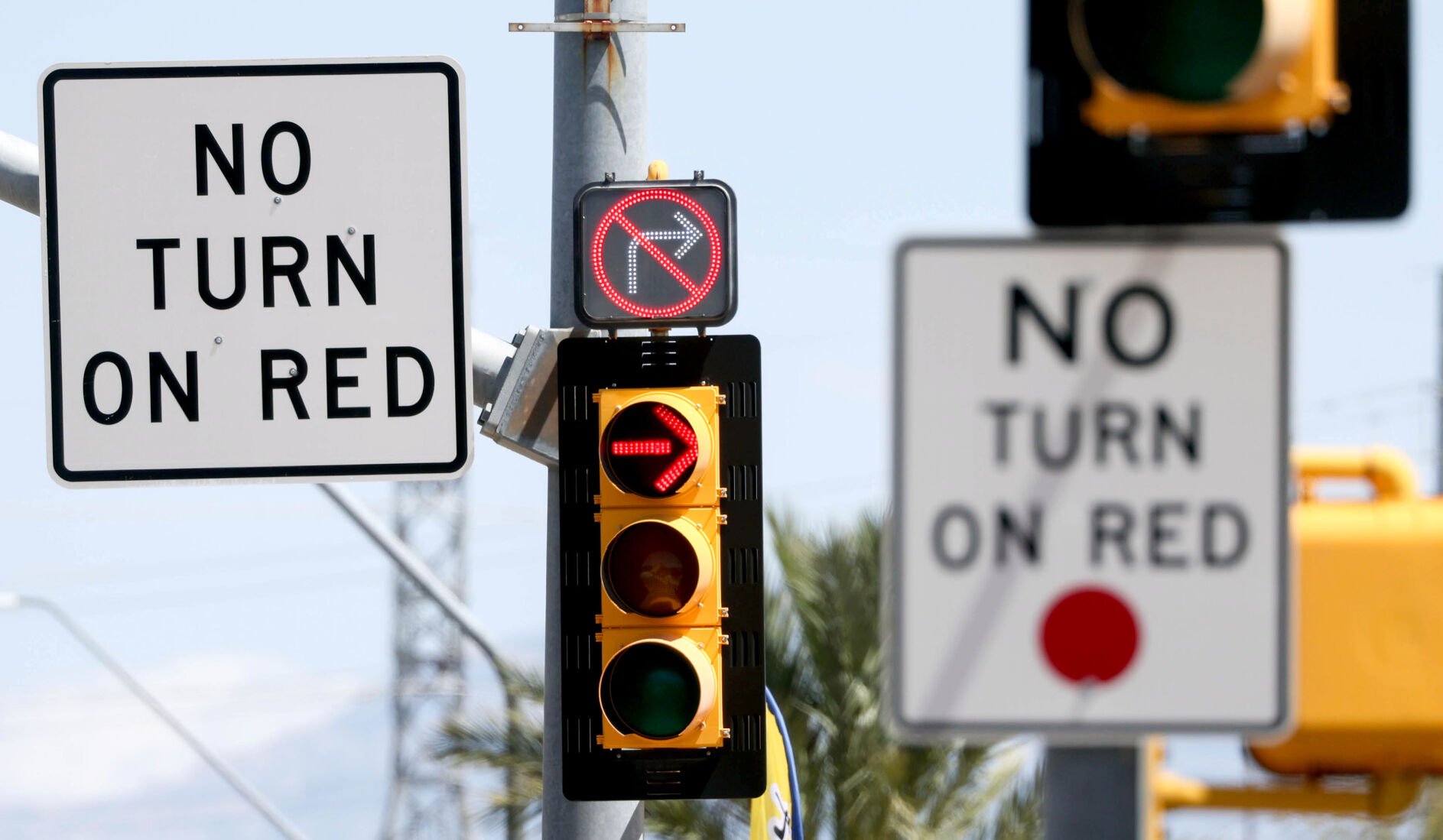
The most explicit and undeniable exception to the right-on-red rule is the presence of a “NO TURN ON RED” sign. These signs are typically posted at intersections where visibility is poor, where there’s heavy pedestrian traffic, near schools, or in areas with complex traffic flows that require all vehicles to wait for a green signal. You might find these signs in busy urban centers like downtown Phoenix or Tucson, or at intersections near major attractions or shopping districts.
Always look for signage: Before preparing to turn right on red, make it a habit to quickly scan the intersection for any posted signs. These signs are legally binding, and ignoring them will result in a traffic violation, regardless of how clear the intersection might appear. The presence of such a sign overrides the general permissive rule.
Pedestrians and Oncoming Traffic: The Priority
Even without a “NO TURN ON RED” sign, the inherent priority of pedestrians and cross-traffic serves as a crucial restriction. Arizona law, like federal traffic guidelines set by the Department of Transportation, places a high emphasis on pedestrian safety.
- Pedestrians in Crosswalks: If a pedestrian is in a crosswalk, or even appears to be stepping into one, you must wait. This applies even if they are far from your immediate path, as their intent to cross gives them the right-of-way. In scenic destinations like Sedona or Flagstaff, where visitors often walk, pedestrian traffic can be significant.
- Oncoming Traffic: Vehicles approaching from your left, which have a green light, always have the right-of-way. You must not pull out in front of them, even if they seem distant. Judging speed and distance accurately is paramount to avoid accidents. This also applies to vehicles making a left turn on a green arrow or green light from the opposite direction.

These considerations highlight the defensive driving mindset required for a safe right on red. It’s not about asserting your right to turn, but about exercising caution and yielding to all who have priority.
Designated Turn Lanes and Signals
Some intersections feature dedicated right-turn lanes with their own specific signals. In such cases, if there is a red arrow specifically for the right turn lane, you must wait for it to turn green. A red arrow explicitly prohibits a turn in that direction until it changes, even if the general traffic signal for straight-through traffic is green. These are often seen in complex intersections in metropolitan areas like Scottsdale or Phoenix to manage flow more precisely. Always pay close attention to the specific signals applicable to your lane.
Safety, Violations, and Driving Tips for Arizona Visitors
For those exploring Arizona’s breathtaking landmarks and vibrant cities, understanding traffic laws is more than just about avoiding tickets; it’s about ensuring a safe and enjoyable journey. From the towering saguaros of the Sonoran Desert to the majestic vistas of the Grand Canyon, Arizona offers unparalleled driving experiences. However, these can be marred by a lack of attention to road rules.
The Importance of Caution and Awareness
Driving in an unfamiliar environment always demands heightened awareness. This is especially true when navigating intersections and considering a right turn on red.
- Be Patient: While turning right on red can save time, it’s never worth rushing. If you’re unsure if it’s safe to proceed, simply wait for the green light. A few extra seconds of waiting is infinitely better than an accident or a ticket.
- Check Blind Spots: Always check your blind spots, especially for cyclists and motorcyclists who might be harder to see.
- Assume Other Drivers’ Intentions: Be aware that not all drivers will be as cautious as you. Always be prepared for unexpected actions from other vehicles.
- Weather Conditions: Rain, dust storms, or intense sunlight can significantly reduce visibility in Arizona. In adverse conditions, exercising caution and waiting for a green light is highly advisable.
Consequences of Violating Right-on-Red Laws
Ignoring the rules for turning right on red can lead to various penalties, which can be particularly disruptive for tourists.
- Traffic Fines: A common penalty is a monetary fine, which can vary depending on the specific violation (e.g., failing to stop, failure to yield). These fines can be substantial.
- Points on Your Driving Record: For Arizona residents, violations can add points to their driving record, potentially leading to increased insurance premiums. For out-of-state or international visitors, while points might not directly transfer, the violation itself will remain on your record and may affect future driving privileges or insurance in your home jurisdiction.
- Court Appearances: Serious violations or accidents resulting from illegal right-on-red turns can necessitate a court appearance, which is a major inconvenience, especially for travelers.
- Accidents and Injuries: The most severe consequence is the potential for an accident, causing property damage, injuries, or even fatalities. This can lead to legal liabilities and turn a pleasant trip into a nightmare.
Driving in Arizona: Essential Tips for Tourists
Beyond right-on-red rules, here are general driving tips crucial for visitors exploring Arizona:
- Speed Limits: Observe posted speed limits. Arizona’s rural highways often have higher limits (up to 75 mph), but residential and urban areas strictly enforce lower speeds.
- Desert Driving: Be prepared for extreme heat, especially during summer. Carry extra water, ensure your vehicle is in good condition, and be mindful of wildlife crossing roads, particularly at dawn and dusk.
- Rental Cars: If renting a car, familiarize yourself with its controls before hitting the road. Ensure you understand the insurance coverage options.
- Roadside Assistance: Have a plan for roadside assistance, especially when driving through remote areas like those leading to Monument Valley or sections of Route 66.
- Navigation: While GPS is invaluable, always have a map or offline navigation available, as cell service can be spotty in wilderness areas.
- Designated Driver: If consuming alcohol, always have a designated sober driver. Arizona has strict DUI laws.
Exploring Arizona by Car: How Right-on-Red Impacts Your Journey
Arizona is a state built for road trips. Its vast landscapes, from the vibrant red rocks of Sedona to the awe-inspiring depths of the Grand Canyon National Park, are best experienced from behind the wheel. Understanding traffic nuances like the right-on-red rule plays a subtle yet significant role in the overall flow and enjoyment of your trip.
From Desert Landscapes to Vibrant Cities: Ease of Travel
The ability to turn right on red contributes to a smoother traffic flow, especially in less congested areas or at quieter times of the day. This can be particularly beneficial when you’re navigating between Arizona’s stunning natural landmarks and its bustling urban centers. For instance, after a day exploring Saguaro National Park near Tucson, being able to make a quick right turn on red can shave minutes off your drive back to your hotel or resort, allowing you more time to relax or enjoy local dining. Similarly, when driving along the scenic highways towards Petrified Forest National Park or Antelope Canyon, minor intersections where right on red is permitted help maintain momentum and reduce travel fatigue. The cumulative effect of these small efficiencies contributes to a more relaxed and productive travel itinerary, making your Arizona adventure more enjoyable.
Planning Your Arizona Itinerary: Iconic Destinations
Your Arizona itinerary will undoubtedly include a list of must-see attractions. Knowing when and how to correctly execute a right turn on red means you can focus more on the beauty around you and less on navigating complex traffic rules.
- Grand Canyon National Park: A drive to the Grand Canyon typically involves entering through park entrances where traffic flow is managed. Once inside, roads are well-marked, and right-on-red rules apply to public intersections outside the park.
- Sedona: Famous for its red rock formations and spiritual retreats, Sedona experiences high tourism. Be extra vigilant for pedestrians and “No Turn on Red” signs, especially in its vibrant downtown area.
- Phoenix & Scottsdale: In these major cities, traffic can be dense. While right on red is generally allowed, complex intersections may have specific signage or dedicated turn signals. Always be aware of your surroundings and consider the local culture, food, and activities you are heading to.
- Hoover Dam & Four Corners: These iconic stops often involve traveling through smaller towns or less populated areas, where right on red can be a common occurrence, helping you maintain a steady pace between landmarks.

Choosing Your Arizona Accommodation and Its Proximity to Roads
When planning your accommodation – be it a luxury resort, a cozy hotel suite, an apartment rental, or a spacious villa – considering its proximity to major roads and intersections is key. A well-located hotel near an easily navigable intersection, where right-on-red maneuvers are safely executable, can make your daily commutes to attractions much smoother. When looking at booking platforms or reading reviews, you might not explicitly see comments about right-on-red laws, but understanding the general traffic flow and intersection layouts around your chosen lodging can save you time and frustration. For business travelers, efficiency is paramount, and minimizing time spent in traffic is always a plus. For family trips, smoother transitions between destinations mean happier travelers.
In conclusion, the answer to “Can you turn right on red in Arizona?” is a resounding yes, provided you adhere to the strict protocol of stopping completely, yielding to all traffic and pedestrians, and only proceeding when it is safe. Always be on the lookout for “NO TURN ON RED” signs and respect designated turn signals. By mastering this fundamental rule and practicing overall defensive driving, you’ll ensure your journey through the magnificent landscapes and vibrant cities of Arizona is not only memorable but also safe and compliant. Enjoy the open road and all the incredible experiences that Arizona has to offer.
LifeOutOfTheBox is a participant in the Amazon Services LLC Associates Program, an affiliate advertising program designed to provide a means for sites to earn advertising fees by advertising and linking to Amazon.com. Amazon, the Amazon logo, AmazonSupply, and the AmazonSupply logo are trademarks of Amazon.com, Inc. or its affiliates. As an Amazon Associate we earn affiliate commissions from qualifying purchases.