
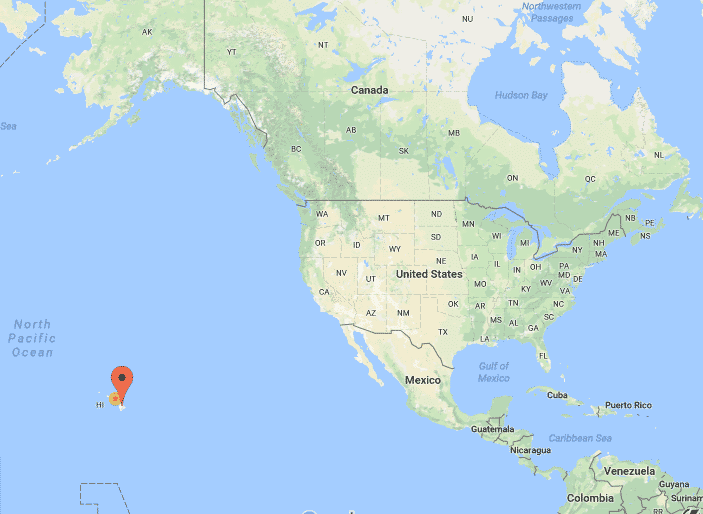
Dreaming of golden sands, crystal-clear waters, and the gentle sway of palm trees? For many on the United States mainland, a getaway to Hawaii represents the pinnacle of tropical escapes. As one of the most sought-after destinations in the Pacific Ocean, the allure of the Aloha State is undeniable. But before you can swap your daily routine for a lei and a luau, a crucial question often arises: “How long is the flight from California to Hawaii?” While seemingly straightforward, the answer involves several factors, from your departure city and specific island destination to wind conditions and the type of aircraft. Understanding these elements is the first step in planning an unforgettable Hawaiian adventure that balances travel time with the richness of your chosen island experience.
This comprehensive guide will not only delve into the specifics of flight durations but also explore essential aspects of planning your Hawaiian journey. We’ll cover everything from choosing the right island and finding the perfect accommodation to discovering iconic landmarks and embracing the local lifestyle, ensuring your trip is as seamless and enjoyable as possible.
Understanding Your Flight Path: California to Hawaii
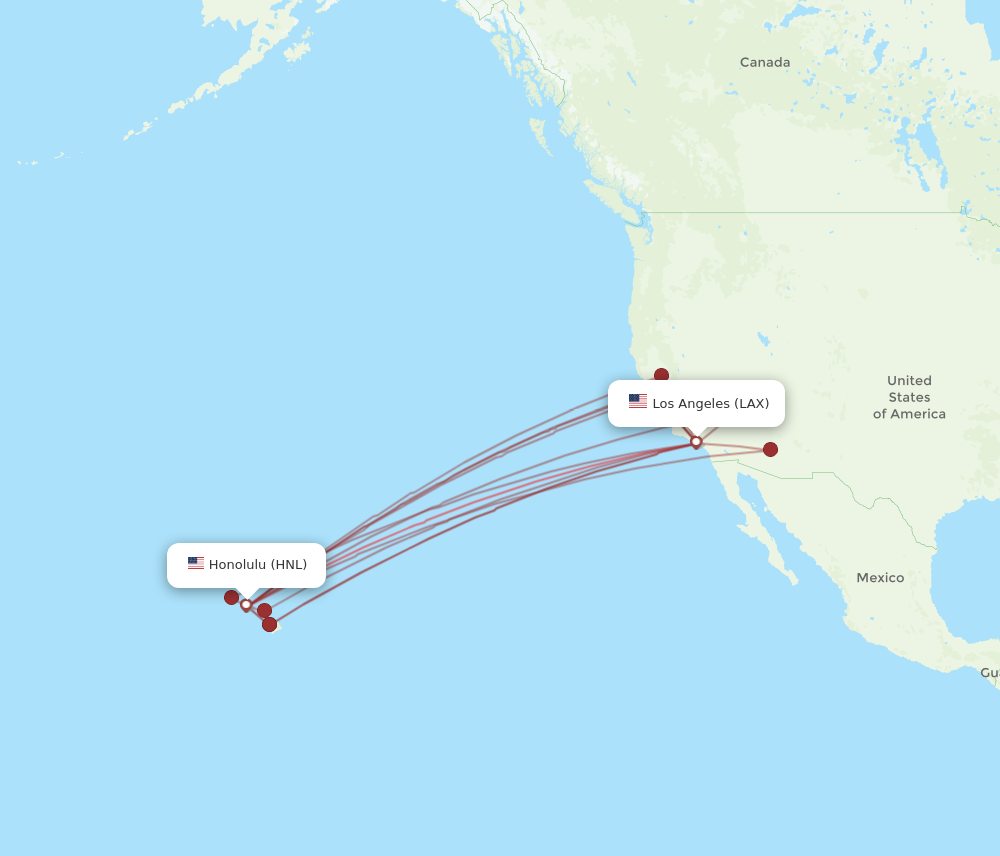
The flight from California to Hawaii is a trans-Pacific journey, crossing a significant stretch of the Pacific Ocean. While it feels like stepping into another world, the actual flight time is often shorter than many imagine, placing Hawaii well within reach for a variety of travelers, from weekenders to those seeking an extended stay.
Average Flight Times from Major California Hubs
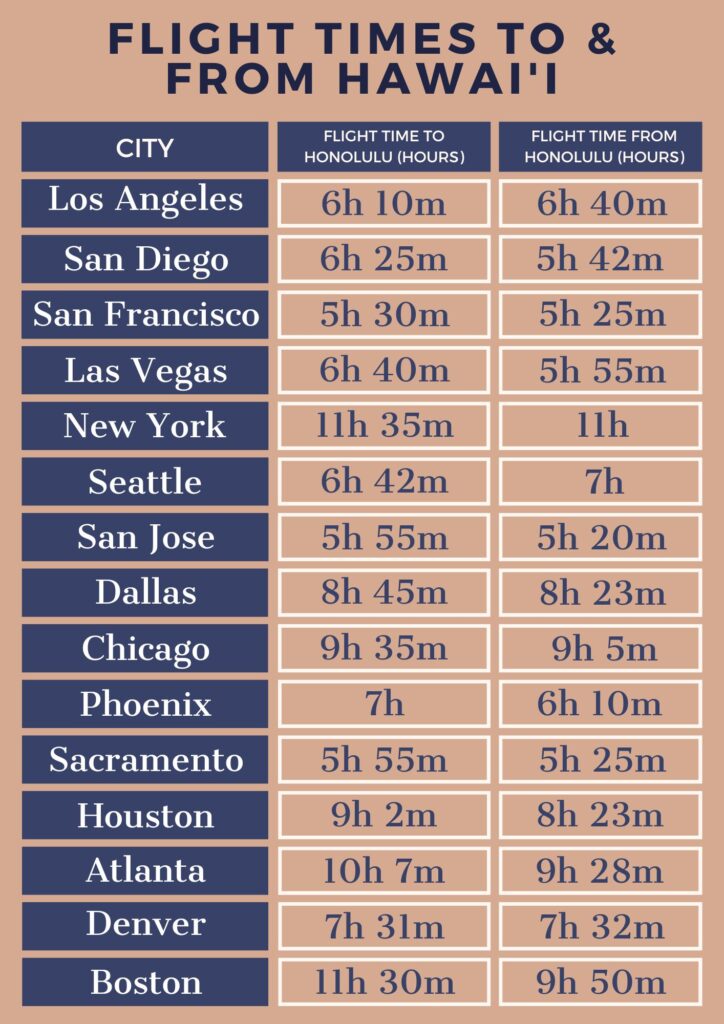
Most direct flights to Hawaii depart from major international airports across California. The exact duration will vary based on your departure point and final destination within the Hawaiian islands.
- From Los Angeles (LAX): A direct flight from Los Angeles International Airport (LAX) to Daniel K. Inouye International Airport (HNL) in Honolulu, Oahu, typically ranges from 5 hours and 30 minutes to 6 hours and 15 minutes. Flights to Kahului Airport (OGG) in Maui or Kona International Airport (KOA) on the Big Island are usually similar, perhaps adding an extra 15-30 minutes.
- From San Francisco (SFO) / Oakland (OAK) / San Jose (SJC): Departing from the San Francisco Bay Area, whether San Francisco International Airport (SFO), Oakland International Airport (OAK), or San Jose International Airport (SJC), flights tend to be slightly longer due to the northern departure point. Expect flight times to Honolulu between 5 hours and 45 minutes to 6 hours and 30 minutes.
- From San Diego (SAN): Flights from San Diego International Airport (SAN) are comparable to those from Los Angeles, typically falling within the 5 hours and 45 minutes to 6 hours and 30 minutes range to Honolulu or Maui.
- To Other Hawaiian Islands: If your final destination is Lihue Airport (LIH) on Kauai or Hilo International Airport (ITO) on the Big Island, direct flights might be less frequent from certain California airports. In such cases, a layover in Honolulu or Maui for an inter-island connection will add to your total travel time. Inter-island flights are typically very short, ranging from 20 to 50 minutes.
Factors Influencing Flight Duration
Several variables can cause slight fluctuations in these estimated times:
- Tailwinds and Headwinds: The most significant factor. Flights heading west from California to Hawaii often contend with headwinds, slowing the journey, while return flights heading east benefit from tailwinds, making them noticeably shorter (often by 30-60 minutes).
- Aircraft Type: Modern, fuel-efficient aircraft like the Boeing 787 Dreamliner or Airbus A330 are designed for long-haul routes and can maintain higher average speeds, potentially shaving a few minutes off the flight.
- Air Traffic Control and Route Optimization: Air traffic can cause minor delays on departure or arrival, and pilots often choose routes optimized for fuel efficiency and weather, which can slightly alter flight paths and times.
- Direct vs. Connecting Flights: While direct flights are generally preferred for convenience, a connecting flight will significantly increase total travel time. Always factor in layover durations and potential delays when booking non-direct routes.
Major Airlines and Routes
The route from California to Hawaii is well-served by several major airlines, offering a variety of options for travelers.
- Hawaiian Airlines is the flagship carrier of Hawaii, providing extensive direct service from multiple California airports to various islands, renowned for its authentic Hawaiian hospitality.
- United Airlines offers numerous daily flights, especially from its hubs in Los Angeles and San Francisco.
- Delta Air Lines also has a strong presence, particularly from Los Angeles and Seattle (though Seattle is not in California, it’s a major West Coast hub).
- American Airlines operates frequent flights, predominantly from Los Angeles.
- Southwest Airlines has expanded its service to Hawaii, offering competitive pricing and its signature two-free-checked-bags policy.
- Alaska Airlines provides solid coverage, particularly from California’s northern airports.
Checking various airlines and booking in advance, especially during peak seasons, is always recommended to secure the best fares and flight times.
Planning Your Dream Hawaiian Escape
Beyond the flight itself, the beauty of Hawaii lies in its diverse islands, each offering a unique character and a wealth of experiences. Thoughtful planning can transform a good trip into an unforgettable journey.
Choosing Your Island Paradise
Selecting which island to visit is perhaps the most exciting part of planning your trip.
- Oahu: Known as “The Gathering Place,” Oahu is home to the bustling city of Honolulu, the iconic Waikiki Beach, and historical sites like Pearl Harbor. It offers a vibrant mix of urban amenities, world-class surfing on the North Shore, and stunning natural beauty.
- Maui: “The Valley Isle” is celebrated for its pristine beaches, luxurious resorts in areas like Kaanapali and Lahaina, the scenic Road to Hana, and the breathtaking sunrises from Haleakala National Park volcano. It’s ideal for romantic getaways and adventurous families.
- Kauai: “The Garden Isle” lives up to its name with lush rainforests, dramatic cliffs, and cascading waterfalls. The majestic Na Pali Coast and the vast Waimea Canyon offer unparalleled hiking and scenic vistas, perfect for nature lovers and those seeking tranquility.
- Big Island (Hawaii Island): The youngest and largest island, the Big Island boasts incredible diversity, from the active volcanoes of Hawaii Volcanoes National Park (including Kilauea and Mauna Loa) to snow-capped Mauna Kea, black sand beaches, and lush coffee farms. It’s an island of contrasts and geological wonders.
Best Time to Visit Hawaii
Hawaii enjoys pleasant weather year-round, but specific seasons offer different advantages:
- Peak Season (Mid-December to Mid-April & Mid-June to Mid-August): These periods coincide with winter breaks, spring breaks, and summer vacations, meaning higher prices for flights and accommodations, and more crowds. However, winter is excellent for whale watching and big wave surfing on Oahu’s North Shore.
- Shoulder Seasons (April-May & September-November): Often considered the best times to visit. You’ll find fewer crowds, lower prices, and consistently great weather. This is ideal for a more relaxed and budget-friendly trip while still enjoying all that Hawaii has to offer.
- Off-Season (Late Fall, Early Winter): While offering the lowest prices and fewest crowds, be mindful of potential rainfall, especially on the windward (eastern) sides of the islands.
Crafting Your Itinerary
Whether you’re planning a short break or an extended stay, a well-thought-out itinerary is key. Consider how many islands you want to visit; for a 7-10 day trip, focusing on one or two islands allows for deeper exploration without feeling rushed. Allocate time for relaxation, adventure, cultural experiences, and, of course, delicious local cuisine. Research local events, festivals, or activities like a traditional luau to immerse yourself fully in the Hawaiian culture.
Accommodation and Experiences in Hawaii
Once you’ve landed, where you stay and what you do will define your Hawaiian experience. From opulent resorts to charming local guesthouses, the accommodation options are as diverse as the islands themselves.
Finding Your Perfect Stay: Resorts, Hotels, and More
Hawaii caters to every taste and budget when it comes to lodging.
- Luxury Resorts: For an indulgent experience, properties like the Four Seasons on Maui or the Ritz-Carlton on Kapalua offer world-class amenities, stunning oceanfront views, and impeccable service. The Grand Hyatt Kauai Resort & Spa in Poipu is another excellent option for those seeking a high-end experience on Kauai.
- Family-Friendly Options: Many resorts are designed with families in mind, providing kids’ clubs, multiple pools, and activities. Aulani, A Disney Resort & Spa on Oahu is a prime example, offering a magical experience for all ages.
- Boutique Hotels and Vacation Rentals: For a more personalized and local feel, consider a boutique hotel in areas like Lahaina on Maui or Kailua-Kona on the Big Island. Vacation rentals, from beachfront condos to private villas in Princeville on Kauai, offer flexibility, kitchens, and often more space, ideal for longer stays or groups.
- Budget-Friendly Stays: Hostels and smaller hotels, particularly in Honolulu, provide more affordable alternatives without sacrificing access to attractions. Camping is also an option in designated areas for the truly adventurous.
Booking accommodation well in advance, especially during peak seasons, is crucial to secure your desired stay and often yields better rates. Utilize comparison websites and direct hotel bookings to find the best deals.
Unforgettable Hawaiian Attractions and Activities
Each island is a treasure trove of natural wonders and cultural experiences.
- Oahu: Beyond Waikiki Beach, hike up Diamond Head for panoramic views, visit the solemn USS Arizona Memorial at Pearl Harbor, snorkel in the pristine waters of Hanauma Bay, or catch a surf lesson on the legendary North Shore breaks like Banzai Pipeline.
- Maui: Drive the famous Road to Hana, witness a stunning sunrise above the clouds at Haleakala National Park, embark on a whale-watching tour (seasonal), or relax on the golden sands of Ka’anapali Beach. Don’t miss the charming historic town of Lahaina.
- Kauai: Explore the “Grand Canyon of the Pacific” at Waimea Canyon State Park, take a boat or helicopter tour of the breathtaking Napali Coast State Wilderness Park, or discover hidden waterfalls along scenic hiking trails. The lush landscapes make it a cinematographer’s dream.
- Big Island: Experience the raw power of nature at Hawaii Volcanoes National Park, stargaze from the summit of Mauna Kea, swim with manta rays off the Kona coast, or stroll along the black sands of Punalu’u Beach.
Beyond specific landmarks, embracing local culture through a luau, trying authentic Hawaiian food, or simply chatting with locals are invaluable experiences that enrich any visit.
Essential Travel Tips for Your Journey
A smooth journey begins long before you reach the airport. Practical considerations ensure your travel from California to Hawaii is as stress-free as possible.
Navigating Airports and Minimizing Jet Lag
- Airport Arrival: Arrive at your California departure airport well in advance, especially for international-style flights to Hawaii. Two to three hours before departure is standard to account for security, baggage drop, and potential delays.
- In-Flight Comfort: The 5-6 hour flight is manageable, but comfortable clothing, an entertainment loaded device, noise-canceling headphones, and a good book are essential. Stay hydrated to combat cabin dryness.
- Jet Lag: Traveling west from California to Hawaii means crossing three time zones (or two if California is on Daylight Saving Time). This often results in feeling tired earlier in the evening in Hawaii. To minimize jet lag:
- Adjust your sleep schedule slightly before departure.
- Stay hydrated during the flight.
- Upon arrival, try to get into the local rhythm immediately. Expose yourself to daylight, even if you feel tired, and avoid napping for too long. Resist the urge to go to bed before local bedtime.
Budgeting and Lifestyle Choices for Your Trip
Hawaii can accommodate a range of budgets, from lavish luxury to adventurous budget travel.
- Accommodation Costs: As mentioned, luxury resorts come with a price tag, but mid-range hotels, vacation rentals, and even hostels offer more economical choices. Consider staying outside of prime tourist areas for better value.
- Food Expenses: Dining out can be expensive. Balance restaurant meals with grocery shopping for snacks, breakfast, and some lunches, especially if your accommodation has a kitchen. Explore local food trucks and farmers’ markets for delicious and affordable options.
- Transportation: Renting a car is highly recommended for exploring most islands, especially Maui, Kauai, and the Big Island. Book in advance for better rates. On Oahu, public transport in Honolulu is available, but a car still offers flexibility for exploring beyond the city, like Lanikai Beach or the North Shore.
- Activities: Many of Hawaii’s best attractions—beaches, hiking trails, scenic drives—are free or low-cost. Budget for specific tours, like snorkeling trips, surf lessons, or helicopter rides, if they are priorities.
- Packing Essentials: Beyond typical vacation wear, pack reef-safe sunscreen to protect Hawaii’s delicate marine ecosystem. A reusable water bottle, comfortable walking shoes, and a light jacket for evenings or higher elevations (like Haleakala or Mauna Kea) are also highly recommended.
The flight from California to Hawaii is a manageable journey, bridging the gap between the mainland and a truly unique tropical paradise. With average flight times hovering around 5.5 to 6.5 hours, the adventure is far closer than you might think. By understanding the travel logistics, carefully planning your island choice and activities, and preparing for the minor time zone adjustment, you’re well on your way to experiencing the profound beauty and welcoming spirit of Hawaii. Safe travels, and aloha!
LifeOutOfTheBox is a participant in the Amazon Services LLC Associates Program, an affiliate advertising program designed to provide a means for sites to earn advertising fees by advertising and linking to Amazon.com. Amazon, the Amazon logo, AmazonSupply, and the AmazonSupply logo are trademarks of Amazon.com, Inc. or its affiliates. As an Amazon Associate we earn affiliate commissions from qualifying purchases.