
For aspiring entrepreneurs and seasoned professionals alike, the dream of establishing a thriving business in the Golden State is often intertwined with the allure of its vibrant landscapes, innovative spirit, and unparalleled opportunities. From launching a boutique hotel in Napa Valley, a unique tour company exploring Yosemite National Park, or a luxury vacation rental service in Laguna Beach, California offers a dynamic environment for travel, tourism, and lifestyle ventures. A crucial first step for many of these enterprises is forming a Limited Liability Company (LLC). This legal structure provides significant advantages, particularly for those operating in the hospitality and travel sectors, offering both protection and a professional foundation.
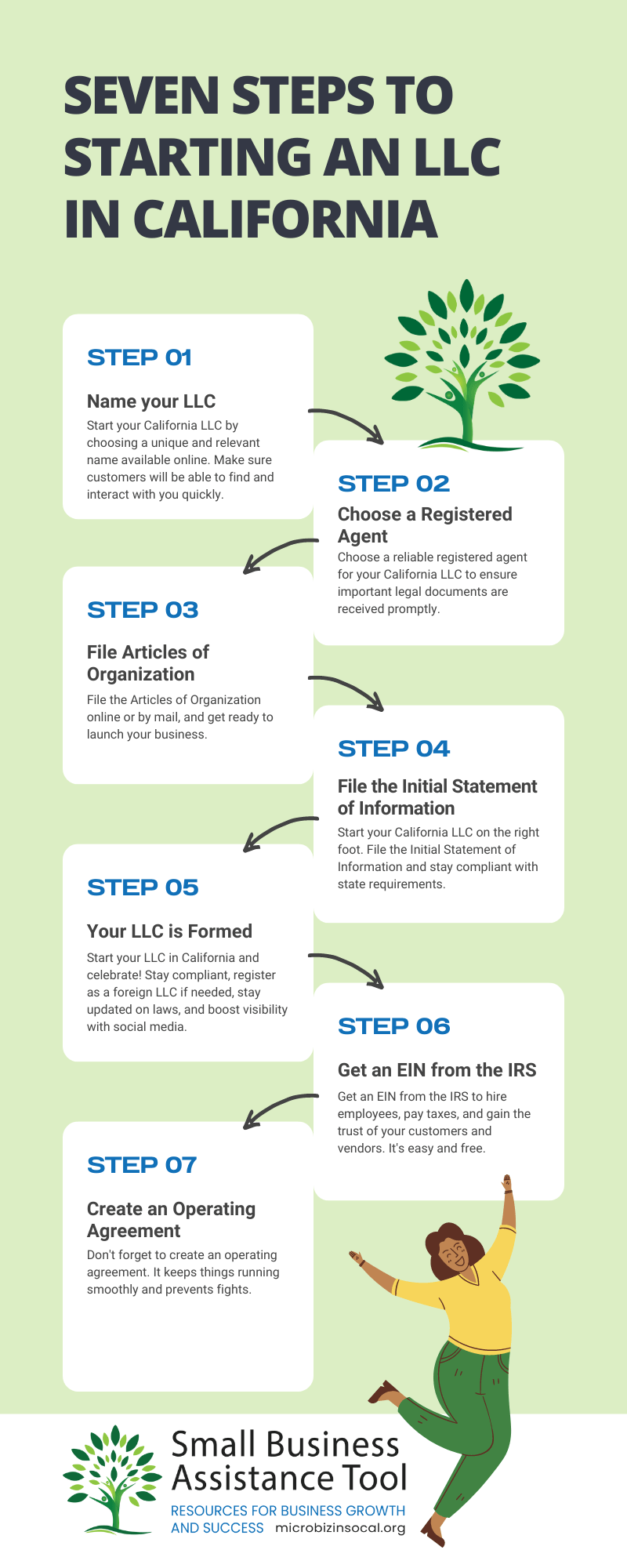
This comprehensive guide will demystify the process of filing an LLC in California, tailored specifically for individuals looking to make their mark in the state’s bustling travel, accommodation, and lifestyle industries. We’ll explore why an LLC is often the preferred choice, walk you through the essential steps, and highlight specific considerations for travel-related businesses in this diverse and opportunity-rich state.
Why Form an LLC for Your California Travel Venture?
Establishing an LLC in California goes beyond a mere bureaucratic formality; it’s a strategic decision that can significantly impact the longevity, credibility, and financial health of your travel or hospitality business. Especially in an industry that often deals directly with the public, managing assets, and navigating diverse regulations, the benefits of an LLC are particularly pronounced.
Protecting Your Personal Assets in the Golden State
One of the most compelling reasons to form an LLC is the robust liability protection it offers. As a distinct legal entity separate from its owners, an LLC shields your personal assets (such as your home, personal savings, and other investments) from business debts and legal liabilities. For a tour operator, this means that if an unforeseen accident occurs on a guided hike through Death Valley National Park, or if a guest at your San Francisco apartment rental suffers an injury, your personal finances are generally protected from lawsuits and creditors. This peace of mind is invaluable, allowing you to focus on delivering exceptional experiences rather than worrying about potential personal financial ruin.
Consider the diverse risks inherent in the travel industry: guest injuries at an accommodation in Palm Springs, property damage at a vacation villa in Beverly Hills, or even disputes over booking cancellations for a luxury retreat in Carmel-by-the-Sea. Without an LLC, you, as a sole proprietor, would be personally responsible for these liabilities. The LLC structure provides a vital barrier, ensuring that the risks of your travel business remain distinct from your personal financial well-being.
Enhancing Your Professional Image and Credibility
In the competitive California market, credibility and professionalism are paramount. Operating as an LLC immediately elevates your business’s standing in the eyes of potential clients, partners, investors, and vendors. An LLC designation signals a serious, legitimate enterprise, fostering trust and confidence.
Imagine you’re seeking financing to expand your eco-tourism operation near Muir Woods National Monument, or partnering with a major online travel agency to list your boutique hotel in Santa Barbara. Banks and business partners are more likely to engage with an established LLC than with an individual operating under their personal name. Similarly, for travelers planning their dream California getaway, booking with an LLC-registered business provides an added layer of assurance, implying a commitment to professional standards and accountability. This is especially true for businesses catering to luxury travel or offering specialized, high-value experiences where reputation is everything.
Tax Advantages for Travel Entrepreneurs
While specific tax implications should always be discussed with a qualified tax professional, LLCs in California offer flexible taxation options that can be advantageous for travel and hospitality entrepreneurs. By default, an LLC is treated as a “pass-through” entity for federal income tax purposes. This means the business’s profits and losses “pass through” directly to the owners’ personal tax returns, avoiding the “double taxation” that corporations can experience (where both the corporation and its shareholders are taxed on profits).
For a single-member LLC, this structure is similar to a sole proprietorship, but with the added benefit of liability protection. Multi-member LLCs are typically taxed as partnerships. Furthermore, an LLC has the option to elect to be taxed as an S corporation or C corporation, which can offer additional tax efficiencies depending on the business’s revenue and structure. These options can allow travel entrepreneurs to optimize their tax burden, freeing up more capital to invest back into their business – whether that’s upgrading amenities at a resort in Lake Tahoe or marketing a new adventure tour along the Pacific Coast Highway.
Essential Steps to Filing Your LLC in California
Navigating the legal landscape to establish your LLC in California involves a series of clear, actionable steps. While the process can seem daunting, breaking it down into manageable stages makes it much more accessible for any aspiring travel or hospitality magnate.
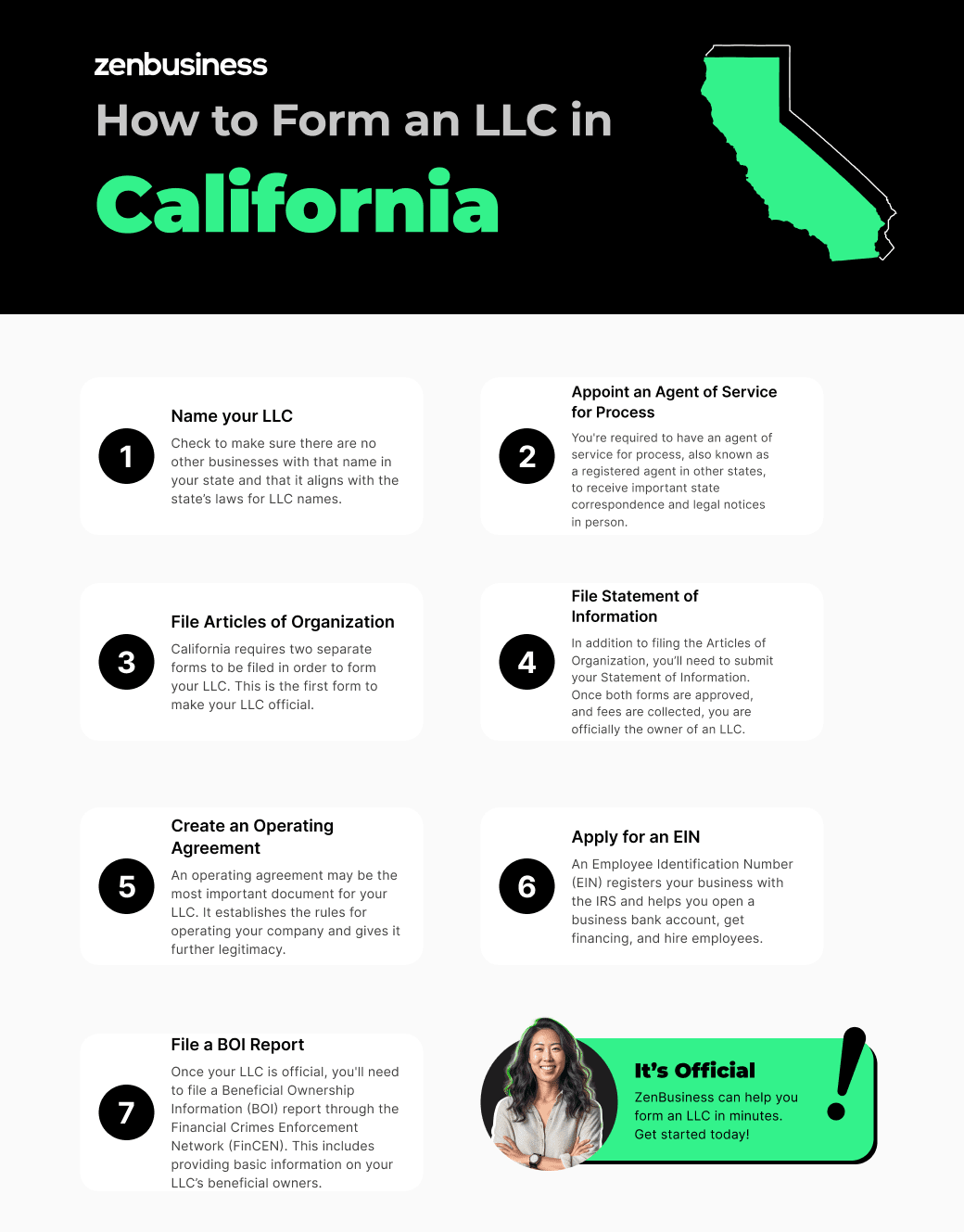
Step 1: Naming Your California LLC
Choosing the right name for your LLC is more than just picking a catchy title; it’s about establishing your brand identity and ensuring legal compliance. Your chosen name must be distinguishable from other registered entities in California and must include “Limited Liability Company,” “LLC,” or “L.L.C.”
- Availability Search: Before you commit, perform a name availability search through the California Secretary of State’s website. This crucial step helps prevent rejections and ensures your desired name isn’t already taken by another business.
- Branding for Travel: For a travel-related LLC, consider names that are memorable, evocative of California’s destinations (e.g., “Golden Gate Bridge Tours LLC” or “Santa Monica Pier Rentals LLC”), and easy for potential customers to find and recall. A strong, distinctive brand name is a cornerstone of marketing in the tourism industry.
- Reservation: If your chosen name is available but you’re not ready to file immediately, you can reserve it for a limited period by filing a Name Reservation Request with the Secretary of State.
Step 2: Appointing a Registered Agent
Every LLC in California must designate a Registered Agent. This is a crucial individual or entity responsible for receiving legal documents (like service of process if your business is sued) and official government communications on behalf of your LLC.
- Requirements: A Registered Agent must have a physical street address in California (not a P.O. Box) and be available during normal business hours. You can act as your own Registered Agent if you meet these criteria, or you can hire a professional Registered Agent service.
- Importance for Travel Businesses: For travel entrepreneurs who might frequently be on the go, leading tours or managing properties in different locations like Monterey or Solvang, using a professional service can ensure critical documents are always received promptly, regardless of your whereabouts. This maintains your compliance and prevents missed deadlines.
Step 3: Drafting and Filing Your Articles of Organization
The Articles of Organization are the foundational legal document that officially creates your LLC. This document is filed with the California Secretary of State.
- Key Information: It includes your LLC’s name, its street address, the name and address of your Registered Agent, and a statement that the purpose of the LLC is to engage in any lawful act or activity. While basic, this document officially brings your travel venture into existence as a legal entity.
- Filing Process: You can file the Articles of Organization (Form LLC-1) online, by mail, or in person. Online filing is generally the quickest method for getting your California LLC approved.
Step 4: Creating an Operating Agreement
While not legally required to file with the California Secretary of State, an Operating Agreement is arguably the most important internal document for your LLC. It outlines the ownership structure, management responsibilities, rights and duties of members, profit and loss distribution, and procedures for decision-making and resolving disputes.
- Essential for Multi-Member LLCs: For partnerships in the travel sector (e.g., co-owning a hotel, running a joint tour operation near Joshua Tree National Park), a comprehensive Operating Agreement is vital. It acts as a roadmap for how the business will function, preventing misunderstandings and providing a framework for conflict resolution.
- Benefits for Single-Member LLCs: Even for a sole owner, an Operating Agreement strengthens the liability protection of the LLC by clearly separating personal and business affairs. It also demonstrates to courts and creditors that your LLC is a legitimate, separate entity.
Step 5: Obtaining an EIN (Employer Identification Number)
An Employer Identification Number (EIN), also known as a Federal Tax Identification Number, is like a Social Security number for your business. It’s required if your LLC has employees or if it is taxed as a corporation. Even if you’re a single-member LLC without employees, you’ll generally need an EIN to open a business bank account.
- Application: You can obtain an EIN for free directly from the IRS website. The application is straightforward and typically takes only a few minutes.
- Banking for Travel Businesses: Having a separate business bank account for your California travel LLC is critical for maintaining limited liability protection and simplifying financial management. It helps distinguish business expenses from personal ones, which is invaluable for accounting, tax preparation, and demonstrating the separate nature of your business.
Step 6: Complying with California’s Annual Requirements and Fees
California has specific ongoing compliance requirements for LLCs that must be met to maintain good standing.
- Annual Franchise Tax: Every California LLC, regardless of income, is subject to an annual minimum franchise tax. This fee must be paid annually to the California Franchise Tax Board.
- Statement of Information: You must file a Statement of Information (Form LLC-12) with the California Secretary of State within 90 days of filing your Articles of Organization, and then biennially (every two years) thereafter. This updates the state with your LLC’s current information, such as address, Registered Agent, and manager details.
- Additional Fees: Be aware that California LLCs may also be subject to an additional fee if their total income reaches a certain threshold.
Navigating Specific Requirements for California Travel & Hospitality Businesses
Beyond the general LLC filing process, operating a travel or hospitality business in California often entails specific licenses, permits, and regulatory considerations unique to the industry. Understanding these will ensure your LLC operates smoothly and legally within the state’s diverse economy.
Local Licenses and Permits
While your LLC is registered at the state level, most travel and hospitality businesses will require additional licenses and permits from the city and/or county where they operate. These can vary significantly depending on the nature of your business and its location.
- Short-Term Rentals: If your LLC manages vacation rentals (e.g., an Airbnb property in Los Angeles or a beach house in Newport Beach), you’ll likely need to register with the local city or county, obtain a business license, and comply with specific short-term rental ordinances (which can include occupancy limits, noise restrictions, and transient occupancy taxes). Cities like San Diego and Santa Monica have detailed regulations.
- Hotels and Bed & Breakfasts: Operating a hotel, motel, or B&B (e.g., in Sonoma wine country or near Hearst Castle) involves numerous health, safety, and operational permits, including food service permits if you offer dining, and potentially alcohol licenses.
- Tour Operators: Tour companies, whether offering bus tours of Hollywood Walk of Fame, kayaking tours in Big Sur, or wine tasting excursions in Temecula Valley, may need specific permits related to vehicle operation, guiding in public lands (like state parks), and business licenses.
- Theme Parks and Attractions: Businesses related to major attractions like Disneyland Park or Universal Studios Hollywood will have their own complex web of local and state regulations for everything from public safety to concessions.
It’s essential to check with the city clerk or business license department of your specific operational area (e.g., Orange County, Sacramento) to identify all necessary local requirements.
Understanding California’s Unique Regulatory Landscape
California’s robust regulatory environment extends to various aspects of business operations, particularly for those in customer-facing industries.
- Employee Regulations: If your LLC plans to hire staff (e.g., hotel managers, tour guides, cleaning crews), you must comply with California’s often stringent labor laws, including minimum wage requirements (which can vary by city), meal and rest break rules, workers’ compensation insurance, and specific employment posters.
- Sales Tax and Tourism Taxes: Many tourism-related services and goods are subject to California sales tax. Additionally, some cities and counties impose specific tourism or transient occupancy taxes on hotel stays and short-term rentals, which your LLC will be responsible for collecting and remitting.
- Privacy Laws: With the California Consumer Privacy Act (CCPA) and California Privacy Rights Act (CPRA), businesses that collect personal data from California residents (which most travel businesses do through bookings, loyalty programs, or website analytics) need to be aware of and comply with strict data privacy regulations.
Insurance Considerations for Travel-Related LLCs
While an LLC provides a layer of liability protection, it’s not a substitute for comprehensive business insurance. For travel and hospitality ventures, robust insurance coverage is non-negotiable.
- General Liability Insurance: This is foundational, protecting your LLC from claims of bodily injury, property damage, and personal injury (like slander) that may occur on your premises or as a result of your operations. Essential for any business interacting with the public, from hotels to tour groups.
- Property Insurance: Critical for LLCs that own or manage physical assets like hotels, rental properties, or vehicles used for tours.
- Professional Indemnity Insurance: Also known as Errors & Omissions (E&O) insurance, this covers claims of negligence, misrepresentation, or mistakes in professional services. Relevant for travel agents, tour planners, or consultants.
- Workers’ Compensation Insurance: Legally required in California if your LLC has employees.
- Commercial Auto Insurance: If your LLC uses vehicles for business purposes (e.g., shuttle services for a resort, tour buses), specific commercial auto policies are needed.
Working with an experienced insurance broker who understands the nuances of the California travel and hospitality industry can help your LLC secure adequate and appropriate coverage.
Beyond Filing: Sustaining Your California Travel Business
Forming your LLC is a critical first step, but the journey of building a successful travel or lifestyle business in California extends far beyond initial registration. Long-term success hinges on strategic planning, effective management, and a deep understanding of the market.
Building a Brand in California’s Competitive Market
California is a global magnet for tourism, making its market both lucrative and highly competitive. For your LLC to thrive, it needs a strong brand identity that resonates with your target audience.
- Online Presence: A professional website, active social media engagement (showcasing stunning California destinations), and robust online booking capabilities are non-negotiable. Leverage high-quality photography and compelling storytelling to capture the essence of what your travel business offers, whether it’s a serene retreat in Mendocino or an exhilarating adventure in Mammoth Lakes.
- Marketing and SEO: Invest in search engine optimization (SEO) to ensure your LLC appears prominently in searches for “hotels in Santa Monica,” “tours of San Francisco,” or “vacation rentals Lake Tahoe.”
- Partnerships and Local Connections: Collaborate with local tourism boards, chambers of commerce, and complementary businesses. A boutique hotel might partner with a local winery, or a tour company could collaborate with an adventure gear shop in Truckee. These connections can significantly amplify your reach and enhance the traveler experience.
Financial Management and Growth Strategies
Sustainable growth requires meticulous financial management and forward-thinking strategies.
- Budgeting and Forecasting: Develop realistic budgets and financial forecasts. The travel industry can be seasonal, so understanding cash flow fluctuations is vital for businesses like a ski resort in Squaw Valley or a coastal bed and breakfast.
- Reinvestment: Strategically reinvest profits back into your LLC. This could mean upgrading facilities, expanding your fleet of tour vehicles, or investing in new technology to enhance guest experiences.
- Seeking Funding: As your LLC grows, you may need additional capital. Having a well-structured LLC and a solid business plan will make it easier to secure loans, attract investors, or even pursue grants related to tourism development.

Exploring California’s Diverse Regions for Business Opportunities
California’s immense geographical and cultural diversity offers a kaleidoscope of opportunities for travel-focused LLCs. Each region presents unique niches and target markets.
- Coastal Escapes: From the surf towns of Orange County to the dramatic cliffs of Big Sur, coastal regions beckon with opportunities for beachfront accommodations, water sports rentals, and scenic tours.
- Wine Country: Napa Valley and Sonoma are world-renowned for viticulture, creating demand for vineyard tours, luxury accommodations, and gourmet dining experiences.
- Mountain Adventures: The Sierra Nevada mountains, home to Lake Tahoe and Mammoth Lakes, are prime for ski resorts, hiking guides, and cabin rentals.
- Desert Retreats: Destinations like Palm Springs and the areas around Joshua Tree National Park attract visitors seeking unique landscapes, wellness retreats, and distinctive lodging.
- Urban Explorations: Global cities like Los Angeles and San Francisco offer endless possibilities for city tours, cultural experiences, upscale hotels, and diverse culinary tourism.
By thoroughly researching specific regions and their tourism trends, your LLC can carve out a specialized niche and cater to specific traveler demographics, maximizing its potential for success in the vast California market.
Filing an LLC in California is a strategic and foundational step for any entrepreneur aiming to establish a presence in the state’s dynamic travel, hospitality, or lifestyle sectors. By providing personal asset protection, enhancing credibility, and offering tax flexibility, an LLC lays a solid groundwork for growth. While the process involves careful attention to state and local regulations, the rewards of building a thriving business in one of the world’s most captivating destinations are well worth the effort. With proper planning and execution, your California travel venture can not only navigate the legal landscape with confidence but also flourish, offering unforgettable experiences to visitors from around the globe.
LifeOutOfTheBox is a participant in the Amazon Services LLC Associates Program, an affiliate advertising program designed to provide a means for sites to earn advertising fees by advertising and linking to Amazon.com. Amazon, the Amazon logo, AmazonSupply, and the AmazonSupply logo are trademarks of Amazon.com, Inc. or its affiliates. As an Amazon Associate we earn affiliate commissions from qualifying purchases.