
The phrase “Is There A Fire In California?” immediately conjures images of vast, unpredictable wildfires, a recurring challenge for the Golden State. While the immediate thought might be of destruction and danger, for those considering a visit, understanding the implications of these events is crucial for safe and enjoyable travel. This article will delve into the realities of wildfires in California, offering insights into how they can affect travel plans, what measures are in place, and how travelers can stay informed and prepared, ultimately ensuring that the allure of California’s diverse landscapes remains accessible and safe.

Understanding California’s Fire Season
California’s geography and climate create a perfect storm for seasonal wildfires. From the dry chaparral of Southern California to the dense forests of the Sierra Nevada, vast expanses are prone to ignition, especially during the warmer, drier months. Understanding the typical patterns and contributing factors of these fires is the first step in appreciating their impact on tourism and travel.
The Natural and Anthropogenic Factors
California experiences a Mediterranean climate characterized by hot, dry summers and mild, wet winters. This natural cycle exacerbates the fire risk. During summer and fall, vegetation dries out, becoming highly flammable. Factors such as high temperatures, low humidity, and strong winds, often exacerbated by weather phenomena like the Santa Ana winds in Southern California and the Diablo winds in Northern California, can rapidly spread fires. While lightning can spark natural ignitions, a significant portion of wildfires are unfortunately human-caused, stemming from activities like unattended campfires, discarded cigarettes, equipment malfunctions, or arson. The increasing frequency and intensity of these fires in recent years are also linked to broader climate change trends, which lead to prolonged droughts and hotter conditions. This necessitates a proactive approach to understanding the fire season and its potential disruptions.
Impact on Travel and Tourism
The presence of wildfires, even if not directly threatening a traveler’s destination, can significantly impact a trip to California. Air quality is a primary concern. Smoke from distant fires can travel hundreds of miles, blanketing cities and natural areas in a haze that obscures views, reduces visibility, and poses health risks, particularly for those with respiratory conditions. This can lead to the cancellation of outdoor activities, the closure of national parks and forests, and general disruption to travel plans. Road closures are also common as firefighters work to contain blazes, potentially rerouting travelers and causing significant delays. For destinations heavily reliant on outdoor recreation, such as Yosemite National Park or the beaches of Southern California, the economic impact can be substantial, affecting hotels, restaurants, and other local businesses.
Navigating Fire Season: Preparation and Information
While wildfires are a concern, they do not have to deter visitors from experiencing the wonders of California. Strategic planning and staying informed are key to mitigating risks and ensuring a safe and enjoyable journey.
Staying Informed: Resources for Travelers
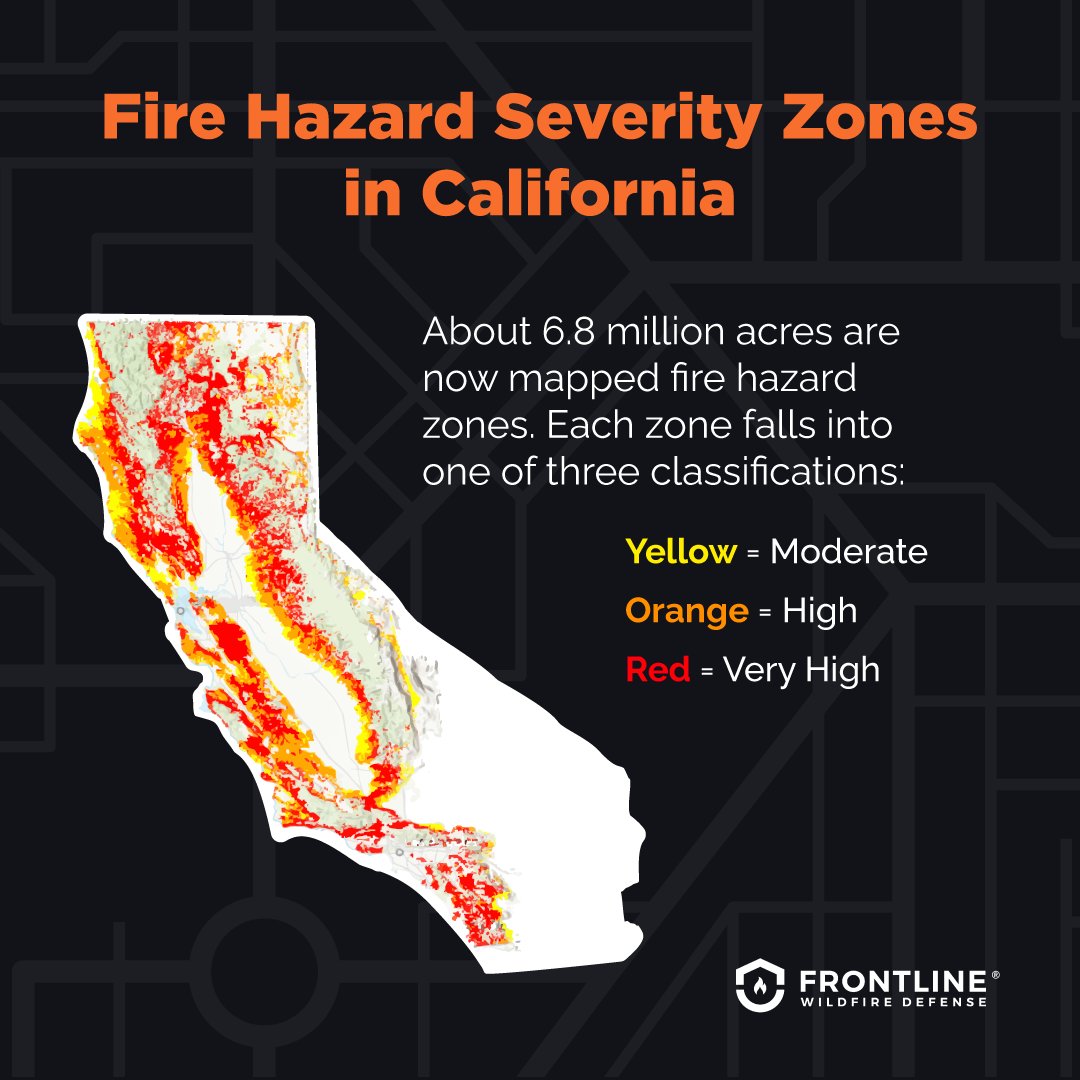
Before and during your trip, reliable information is your best ally. Several official sources provide up-to-date details on fire activity and air quality. The U.S. Forest Service and the California Department of Forestry and Fire Protection (Cal Fire) are primary resources for fire maps, incident reports, and evacuation orders. Websites and apps dedicated to air quality monitoring, such as AirNow.gov, provide real-time data on particulate matter levels, helping travelers assess the safety of outdoor activities. Local news outlets and emergency management agencies for specific counties also offer localized updates. It is advisable to bookmark these resources and check them regularly, especially if traveling during the peak fire season. Emergency alert systems, often opt-in via text messages, can also provide immediate notifications for your specific location.
Planning for Contingencies
When planning a trip to California, particularly between late spring and early fall, incorporating contingency plans is a wise precaution. This might involve having flexible booking options for accommodations and activities, allowing for last-minute changes if fire conditions worsen in your intended destination. Consider booking accommodations that offer indoor amenities or are located in areas less prone to immediate fire impact. Researching alternative attractions or indoor activities in the vicinity of your planned itinerary can provide valuable backup options. For road trips, have alternative routes mapped out, as main highways can be affected by closures. It’s also prudent to pack a basic emergency kit, including N95 masks for smoke protection, and ensure your travel insurance covers potential disruptions due to natural disasters.
California’s Response and Resilience
California is not passively waiting for fires to ignite; a multi-faceted approach is employed to manage and mitigate the risks associated with wildfires, aiming to protect both its residents and its vital tourism industry.
Fire Prevention and Management Strategies
Combating wildfires in California involves a comprehensive strategy that spans prevention, detection, and suppression. Proactive measures include prescribed burns, a controlled method of using fire to reduce fuel loads in forests and grasslands, and fuel management projects that clear brush and remove dead trees. Advanced technology plays a significant role in early detection, with networks of cameras, lookout towers, and aerial surveillance continuously monitoring vast areas. When fires do ignite, highly trained firefighting crews, supported by an array of aerial resources like air tankers and helicopters, are deployed rapidly to contain and extinguish them. These efforts are coordinated by state and federal agencies, working in tandem to manage incidents effectively across the state’s diverse landscapes, from the mountains of Lake Tahoe to the coastal ranges.

The Role of Infrastructure and Community
Beyond direct firefighting, California is investing in infrastructure and community resilience to better withstand the impacts of wildfires. This includes creating defensible spaces around communities and critical infrastructure, as well as developing evacuation plans and warning systems. For the tourism sector, this translates into enhanced safety protocols and communication channels to keep visitors informed. Many businesses and destinations, particularly within national parks and popular tourist hubs, have well-rehearsed emergency procedures. While the scars of past fires are a stark reminder of the challenges, the state’s commitment to innovation in fire science, coupled with community-level preparedness, continues to shape a more resilient future, allowing the natural beauty of California to be experienced safely by all.
LifeOutOfTheBox is a participant in the Amazon Services LLC Associates Program, an affiliate advertising program designed to provide a means for sites to earn advertising fees by advertising and linking to Amazon.com. Amazon, the Amazon logo, AmazonSupply, and the AmazonSupply logo are trademarks of Amazon.com, Inc. or its affiliates. As an Amazon Associate we earn affiliate commissions from qualifying purchases.