
Los Angeles, a sprawling metropolis often dubbed the City of Angels, is renowned globally for its vibrant culture, iconic landmarks, and, perhaps most famously, its perpetually pleasant weather. Nestled in southern California, this dynamic urban landscape offers visitors a diverse array of experiences, from sun-kissed beaches to mountainous retreats, all underpinned by a climate that significantly influences everything from fashion choices to daily activities. Understanding the temperature in Los Angeles isn’t merely about checking a forecast; it’s about unlocking the secrets to planning the perfect trip, choosing the right accommodations, and fully embracing the distinctive LA lifestyle. Whether you’re dreaming of a luxurious escape, an adventurous expedition, or a cultural immersion, knowing what to expect from the mercury will be your first step towards an unforgettable journey.

Understanding Los Angeles’ Diverse Climate
The climate of Los Angeles is one of its most compelling attractions, drawing millions of visitors year-round. However, to truly grasp what the temperature means for your travel plans, it’s essential to look beyond simple averages and appreciate the nuances that define this unique region.
A Mediterranean Climate: General Overview
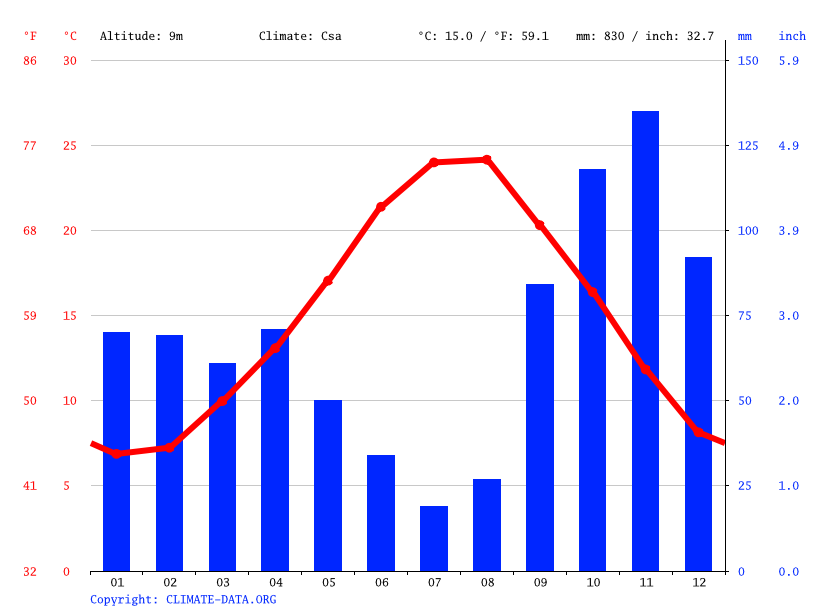
Los Angeles enjoys a quintessential Mediterranean climate, characterized by warm to hot, dry summers and mild, wet winters. This pattern ensures an abundance of sunshine for most of the year, making it an ideal destination for outdoor enthusiasts and those seeking an escape from harsher climates.
During the peak summer months, from June to August, temperatures in central Los Angeles typically hover in the high 70s to low 80s Fahrenheit (25-29°C), with some days pushing into the 90s (32°C and above). The humidity generally remains low, making even higher temperatures feel more comfortable than in humid regions. Nights are usually cool and pleasant, often dropping into the mid-60s (18-20°C), perfect for al fresco dining or evening strolls. The sun shines brightly for an average of 12-14 hours a day, inviting visitors to explore Hollywood‘s glamour, relax on Venice Beach, or discover the artistic enclaves.
Winter, from December to February, sees average daytime temperatures in the mid-60s Fahrenheit (18-20°C), with nighttime lows dipping into the upper 40s to low 50s (8-12°C). While this is the “wet season,” rainfall is generally moderate and often occurs in short bursts, leaving plenty of sunny days between showers. Snow is a rarity in the city proper, reserved for the higher mountain peaks surrounding the basin, offering a stark contrast to the verdant city below. This mild winter allows for continuous enjoyment of attractions like Disneyland in nearby Anaheim or exploring the historic architecture of Downtown Los Angeles.
Spring and autumn act as delightful transitional periods. Spring (March-May) brings blooming flora and comfortable temperatures ranging from the low 70s (21-24°C), making it ideal for visiting gardens or taking scenic drives. Autumn (September-November) often extends the summer warmth, with clear skies and temperatures frequently remaining in the 70s (21-24°C) well into October, offering what many consider the best weather of the year.
Microclimates: The Nuances of the City of Angels
One of the most fascinating aspects of Los Angeles’ climate is its pronounced microclimates. Due to its varied topography—encompassing coastal plains, inland valleys, and mountain ranges—temperatures can vary significantly even within a short driving distance. This phenomenon is crucial for travelers to understand, as a sweater might be necessary at the beach while inland areas swelter.
Along the immediate coast, cities like Santa Monica, Malibu, and Venice Beach experience cooler, milder temperatures year-round, heavily influenced by the cool breezes from the Pacific Ocean. Summers here are often characterized by daytime highs in the pleasant mid-70s Fahrenheit (23-25°C), with a refreshing coolness in the evenings. The famous “marine layer” or “June Gloom” can bring overcast mornings and early afternoons during late spring and early summer, burning off to reveal sunny skies by midday. This coastal moderation makes beachfront resorts and activities particularly appealing, even when inland temperatures soar.
Moving inland, particularly into areas like the San Fernando Valley (where Universal Studios Hollywood is located) or further east towards Pasadena, temperatures tend to be significantly warmer. Summer highs can easily reach the 90s (32-37°C) and occasionally exceed 100°F (38°C), especially during heatwaves. Winters are still mild but can see slightly cooler overnight lows compared to the coast. The lack of direct ocean influence means less morning fog and more consistent sunshine, albeit with higher temperature extremes. For those planning a stay in a Beverly Hills villa or a West Hollywood boutique hotel, these inland temperatures will be more indicative of their experience.
Even higher elevations, such as near the Griffith Observatory or in the foothills, experience their own distinct microclimates, often cooler than the valleys but warmer than the immediate coast. This intricate tapestry of weather conditions emphasizes the importance of checking localized forecasts for specific areas within the greater Los Angeles region as you plan your itinerary.
Seasonal Temperatures and What to Expect for Your Trip
Understanding the general climate and microclimates allows for a more detailed look at how each season impacts the travel experience, from the types of attractions to visit to the kind of accommodation that best suits your needs.
Summer (June-August): Sun-Kissed and Lively
Summer in Los Angeles is a time of vibrant energy and endless sunshine. Average temperatures range from 75-85°F (24-29°C) during the day, with coastal areas often a few degrees cooler and inland valleys significantly hotter. The warmth invites visitors to fully immerse themselves in outdoor activities. Days are long, providing ample opportunity to explore.
This is prime time for beach tourism, with Santa Monica Pier bustling and surfers flocking to Malibu. Theme parks like Universal Studios Hollywood and Disneyland in nearby Orange County are in full swing, though they can be crowded and hot, especially in the afternoon. For those seeking luxury travel, beachfront resorts offer a refreshing escape, with amenities like infinity pools and private beach access. The Hollywood Walk of Fame and tours of celebrity homes in Beverly Hills remain popular, best enjoyed with a refreshing beverage in hand. Evenings are generally mild and comfortable, perfect for rooftop bars in Downtown Los Angeles or outdoor concerts. However, staying hydrated and seeking shade during peak sun hours (11 AM – 3 PM) is advisable.
Autumn (September-November): The Golden Sweet Spot
Many seasoned travelers consider autumn the ideal time to visit Los Angeles. The scorching summer heat begins to recede, but the sunny, dry weather persists, often delivering some of the clearest skies of the year. Daytime temperatures typically range from 70-80°F (21-27°C), with crisp, pleasant evenings in the 50s and 60s (10-18°C).
This season offers the perfect balance for exploring all facets of LA tourism. Hiking trails, such as those in Runyon Canyon, become more enjoyable. Outdoor dining experiences flourish, and the city’s myriad festivals and events capitalize on the superb weather. It’s an excellent time for cultural explorations at places like The Getty Center, where the panoramic views are often spectacular. Accommodation options are plentiful, and it’s a great time to find deals on hotels before the holiday rush, making it ideal for both budget and luxury travelers. The ocean remains warm enough for swimming into early October, and the crowds at popular attractions tend to thin out slightly after the summer peak.
Winter (December-February): Mild and Occasionally Rainy
Los Angeles winters are mild compared to much of the world, with average daytime temperatures ranging from 60-70°F (16-21°C). While this is the rainy season, significant downpours are usually intermittent, and prolonged periods of sunshine are common. Nighttime lows can drop into the 40s (4-9°C), especially in inland areas, requiring warmer clothing.
Despite the cooler temperatures and occasional rain, winter offers a unique charm. The air feels fresh and clean, and the landscape often turns a vibrant green after rainfall. It’s a fantastic time for museum visits, gallery hopping in the Arts District, or enjoying cozy cafes. Holiday lights and festivities add a magical touch to areas like Beverly Hills and Hollywood. Theme parks are less crowded, and hotels may offer attractive off-season rates. For those seeking a long-term stay, winter in Los Angeles provides a comfortable retreat from colder climes, allowing for an extended immersion in local culture without extreme weather conditions. Just pack an umbrella and a warm jacket for evenings.
Spring (March-May): Blooming and Beautiful
Spring in Los Angeles is a period of rejuvenation, characterized by increasingly warm temperatures and vibrant landscapes. Daytime averages range from the upper 60s to mid-70s Fahrenheit (19-24°C), with evenings growing milder, usually in the 50s (10-15°C). Rainfall becomes less frequent as the season progresses.
This is a beautiful time to explore the city’s parks, botanical gardens, and scenic drives. The hills around Los Angeles are often lush and green, sometimes adorned with wildflowers. Outdoor festivals and farmers’ markets begin to pick up, and the city hums with renewed energy. It’s an excellent time for family trips, with pleasant temperatures for children to enjoy playgrounds, zoos, and outdoor attractions without the intensity of summer heat. Boutique hotels in fashionable districts like West Hollywood become particularly appealing as their outdoor patios and pools spring to life. Spring also marks the beginning of the “marine layer” phenomenon along the coast, which can bring cool, foggy mornings that burn off to sunny afternoons, making for a refreshing start to the day.
Planning Your Los Angeles Adventure: Beyond the Thermometer
While temperature is a significant factor, a truly successful Los Angeles trip involves integrating weather considerations with other essential travel elements, from packing to choosing the right activities and accommodations.
Packing Smart for Any LA Weather
Given the city’s distinct microclimates and the potential for significant temperature swings between day and night, smart packing is key. The golden rule for Los Angeles is layers. Even on a hot summer day, coastal breezes can bring a chill, and air-conditioned interiors can feel cold.
- Year-Round Essentials: Always pack lightweight long-sleeved shirts, a light jacket or cardigan, and comfortable walking shoes. Sunglasses, sunscreen, and a hat are non-negotiable, regardless of the season.
- Summer Specifics: Think breathable fabrics, shorts, t-shirts, swimwear, and sandals. Crucially, still bring that light jacket or sweater for evenings and coastal excursions.
- Winter Specifics: Add a warmer jacket, sweaters, and closed-toe shoes. While heavy winter coats are rarely needed in the city, if you plan to visit nearby mountain areas, more substantial outerwear would be appropriate. An umbrella or light rain jacket is a good idea.
- Spring/Autumn Specifics: These seasons are perfect for mixing and matching. Jeans, dresses, light sweaters, and comfortable sneakers will serve you well.
Remember that LA fashion tends to be casual but chic. You’ll fit right in with comfortable yet stylish attire.
Accommodations: Finding Your Perfect Climate-Controlled Oasis
The type of accommodation you choose can greatly enhance your comfort level, especially concerning temperature. Los Angeles offers an astonishing range of options, from luxurious resorts to budget-friendly apartments.
- Coastal Retreats: If you prefer cooler temperatures and ocean breezes, consider booking a hotel or apartment in Santa Monica, Malibu, or Venice Beach. Beachfront properties like the Shutters on the Beach Hotel (hypothetical example) offer prime access to the cooler marine air.
- Inland Sanctuaries: For those who don’t mind the warmth and prefer proximity to attractions like Hollywood or Downtown Los Angeles, look for hotels with excellent air conditioning and pool facilities. Many luxury hotels in Beverly Hills or boutique hotels in West Hollywood provide sophisticated amenities to beat the heat.
- Budget-Friendly Stays: Even budget hotels and long-term stay apartments will typically offer air conditioning, a crucial amenity during warmer months in the valleys. Always check reviews for comfort, especially regarding climate control.
When booking, consider the specific microclimate of your chosen neighborhood. Comparing options and reading recent reviews on accommodation websites can give you invaluable insights into how well a property handles the local temperature variations.

Embracing the LA Lifestyle: Activities for Every Forecast
Los Angeles’ diverse climate means that no matter the temperature, there’s always something incredible to do. The city’s lifestyle revolves around leveraging its good weather, but also offers ample indoor attractions.
- Hot Days: Head to the beach for swimming or surfing. Explore indoor attractions like the Academy Museum of Motion Pictures (hypothetical example) or the numerous art galleries. Many hotels offer refreshing pool experiences. Alternatively, take a scenic drive up to higher elevations for slightly cooler air and stunning views.
- Mild Days: Perfect for hiking in Runyon Canyon or at Griffith Observatory, exploring the botanical wonders of the Huntington Library, Art Museum, and Botanical Gardens (hypothetical example), or enjoying outdoor markets. Al fresco dining is a must.
- Cooler/Rainy Days: Dive into the city’s rich cultural scene. Visit The Getty Center for art and architecture, or explore the California Science Center (hypothetical example). Catch a show at the Pantages Theatre (hypothetical example) or indulge in LA’s renowned food scene in the Arts District.
From luxury travel to budget-conscious adventures, Los Angeles’ ability to offer a range of activities suited to its ever-changing, yet generally pleasant, climate makes it a truly versatile destination. Even when the desert heat of Palm Springs is just a short drive away, Los Angeles maintains its unique meteorological personality.
In conclusion, while the question “What is the temperature in La California?” might seem simple, the answer reveals a complex and wonderfully diverse climate that is integral to the Los Angeles experience. From the refreshing coastal breezes to the warm inland valleys, the City of Angels offers a climate for every preference. By understanding its seasonal variations and microclimates, travelers can confidently plan their packing, choose ideal accommodations, and curate an itinerary that perfectly aligns with their vision of a dream California getaway. Whether seeking sun-drenched adventures, cultural exploration, or simply a mild escape, Los Angeles stands ready to welcome you with its famously amiable weather, any time of year.
LifeOutOfTheBox is a participant in the Amazon Services LLC Associates Program, an affiliate advertising program designed to provide a means for sites to earn advertising fees by advertising and linking to Amazon.com. Amazon, the Amazon logo, AmazonSupply, and the AmazonSupply logo are trademarks of Amazon.com, Inc. or its affiliates. As an Amazon Associate we earn affiliate commissions from qualifying purchases.