
When planning a trip to the Golden State, one of the most fundamental aspects to consider, often overlooked until the last minute, is time. The vastness of the United States means that keeping track of time zones can be a significant factor in coordinating travel, booking accommodations, and even enjoying local attractions. This leads to a frequently asked question, especially for those traveling from the East Coast or internationally: “Is California Eastern Or Pacific Time?” The answer is definitively Pacific Time, and understanding this distinction is crucial for a seamless travel experience.
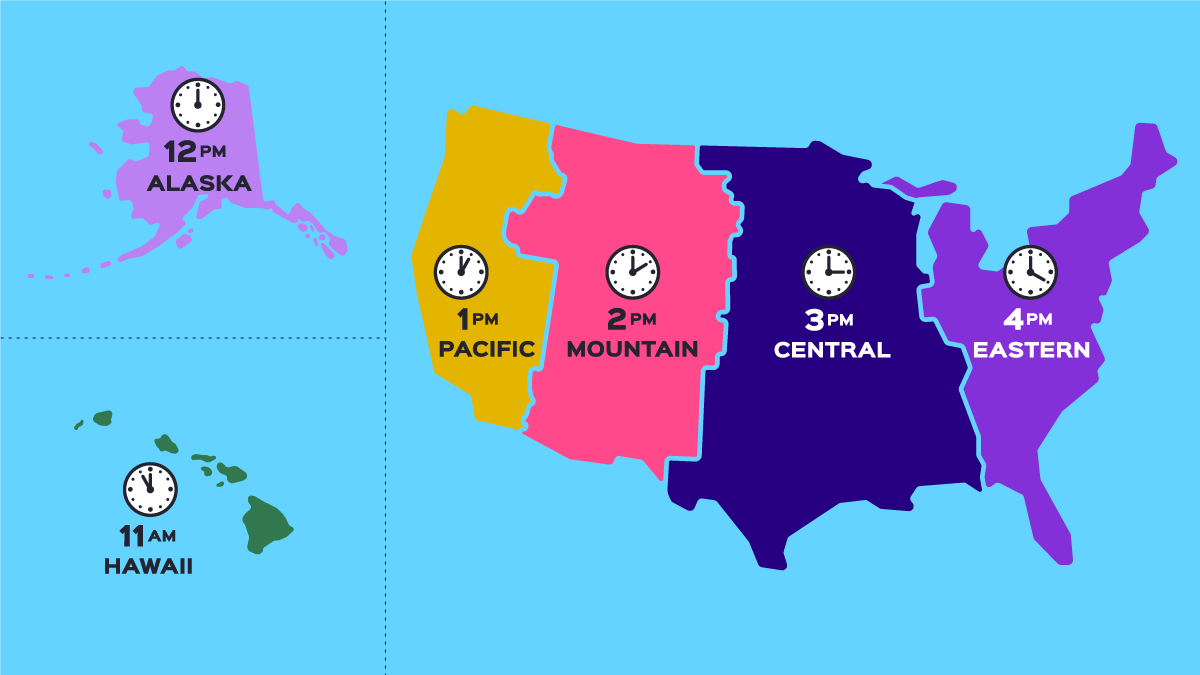
California, with its iconic cities like Los Angeles and San Francisco, its sprawling deserts like the Mojave Desert, and its majestic mountains like the Sierra Nevada, operates squarely within the Pacific Time Zone. This means that when it’s noon in New York, it’s 9 AM in California. This three-hour difference can impact everything from flight arrival times to restaurant reservations.

Understanding the Pacific Time Zone
The Pacific Time Zone (PT) is one of North America’s principal time zones, covering the westernmost states of the contiguous United States. It is six hours behind Coordinated Universal Time (UTC−8) during standard time, which is known as Pacific Standard Time (PST). During daylight saving time, it shifts to UTC−7 and is known as Pacific Daylight Time (PDT). This shift, which typically occurs in the spring and fall, is a critical detail for travelers, especially those booking flights or tours that span across these periods.
The Geographical Reach of Pacific Time
California is not alone in observing Pacific Time. The zone also encompasses the states of Washington, Oregon, Nevada, and parts of Idaho. Additionally, the Canadian province of British Columbia, and the Mexican state of Baja California (including cities like Tijuana and Ensenada), also observe Pacific Time. This widespread adoption makes PT a significant time zone for travel and commerce across North America’s western seaboard.
Navigating Time Zone Differences for Travel
The most immediate impact of California being in the Pacific Time Zone is on travel arrangements. Flights from the East Coast, for example, might depart at 9 AM Eastern Time and arrive in Los Angeles at 12 PM Pacific Time. While the flight duration is only a few hours, the perceived time jump can be disorienting. It’s essential to always double-check flight times in the local time of your destination.
Impact on Itinerary Planning
When you’re planning your California adventure, whether it’s a week exploring the theme parks of Anaheim, a road trip along the stunning Pacific Coast Highway, or a cultural immersion in San Diego, understanding the time difference is paramount.
- Morning Activities: If you’ve booked a sunrise hike in Joshua Tree National Park, and you’re coming from the East Coast, remember that “sunrise” will be three hours earlier by your body clock. This can be advantageous, allowing for early starts to beat the heat or crowds.
- Dinner Reservations: Making a dinner reservation for 7 PM in San Francisco means you’ll be dining at 10 PM Eastern Time. This is crucial for planning your day and ensuring you don’t miss your culinary experiences.
- Business Meetings: For those on business trips, a 10 AM meeting in San Jose is a 1 PM meeting back in New York City. This difference needs to be factored into scheduling and communication with colleagues or clients on the East Coast.
- Booking Accommodations: While hotels operate on local time, your booking confirmations and any pre-trip communications should clearly indicate the local time for check-in and check-out. For example, a checkout time of 11 AM in a San Francisco hotel means 11 AM Pacific Time.
The Daylight Saving Time Factor
The observance of Daylight Saving Time (DST) by California adds another layer to consider. Most of the state participates in DST, meaning clocks are advanced by one hour during the warmer months. This transition typically happens on the second Sunday in March and reverts on the first Sunday in November. While the actual time difference with the Eastern Time Zone remains three hours year-round, the specific UTC offsets change. This means that during DST, California observes Pacific Daylight Time (PDT), and the Eastern Time Zone observes Eastern Daylight Time (EDT). During standard time, it’s Pacific Standard Time (PST) and Eastern Standard Time (EST). Always confirm the current time in both your departure and arrival locations, especially if your travel dates fall near the DST transition dates.
Experiencing California’s Attractions Across Time Zones
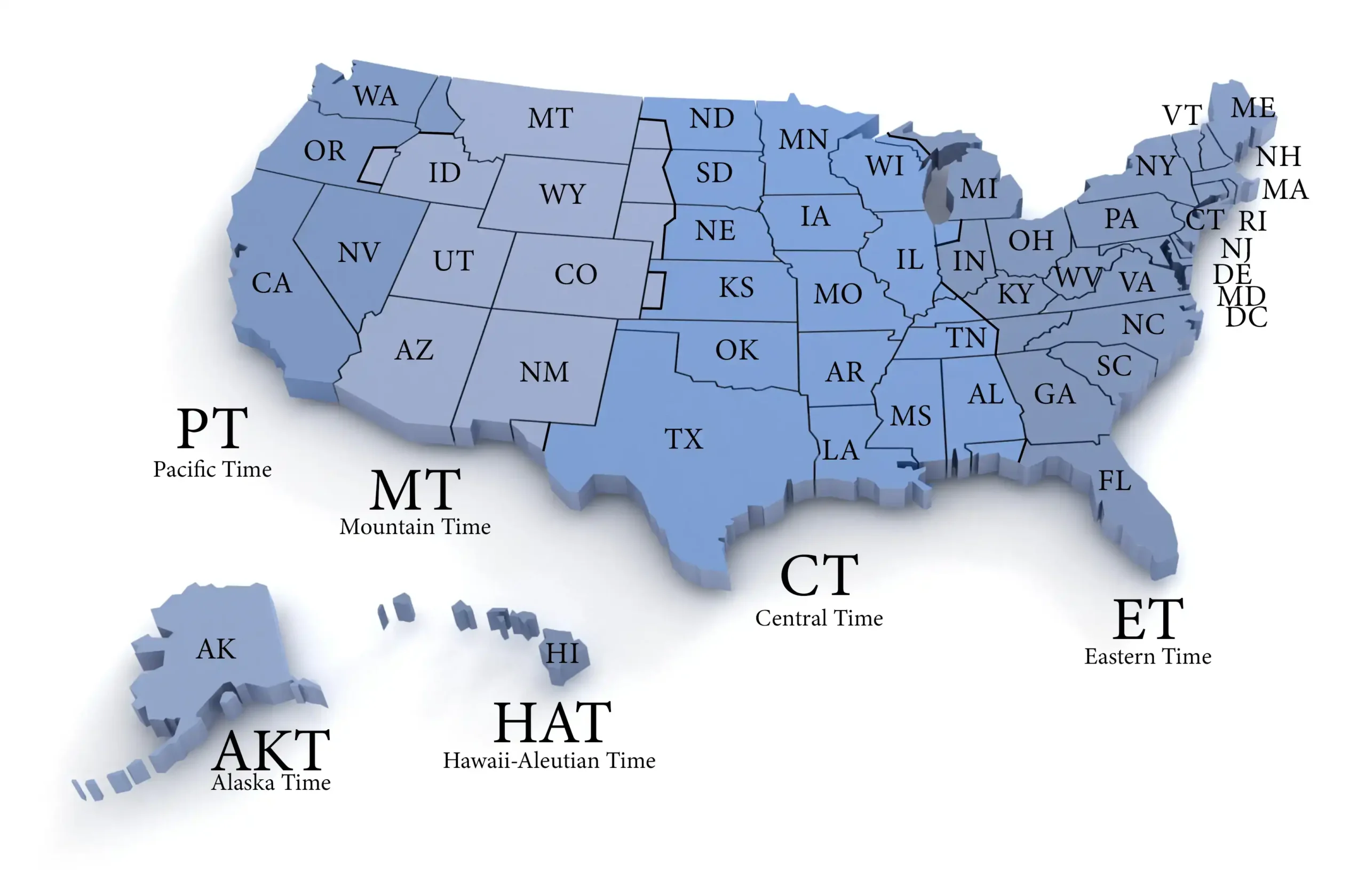
California offers an unparalleled array of attractions, from the world-renowned theme parks of Southern California to the dramatic coastline of Big Sur and the vibrant cultural scenes of its major cities. Understanding the Pacific Time Zone is essential for maximizing your enjoyment of these experiences.
Theme Parks and Entertainment
Imagine planning a day at Disneyland or Universal Studios Hollywood. Park opening times are crucial for experiencing popular rides with shorter queues. If you’re coming from the East Coast, a 9 AM park opening in Anaheim is essentially a noon opening by your internal clock. This can be a blessing, allowing for a more relaxed start to your day, or a challenge if you’re an early riser accustomed to starting your adventures at dawn.
National Parks and Natural Wonders
Exploring the vast landscapes of California also requires time zone awareness. A sunrise visit to the Grand Canyon (though technically in Arizona, many California-based itineraries include it) or a sunset viewing over the Pacific Ocean from a viewpoint near San Francisco are quintessential California experiences. Remember that the sun sets earlier in California than on the East Coast. Planning your photography sessions or stargazing excursions requires precise timing relative to local sunset and sunrise hours. For instance, if you’re hoping to catch the iconic “golden hour” light for photos of the Golden Gate Bridge, you’ll need to adjust your schedule based on the Pacific Time Zone.
Culinary and Nightlife Experiences
California’s diverse culinary scene, from farm-to-table restaurants in Napa Valley to vibrant food trucks in Los Angeles, often operates on Pacific Time. Reservations are highly recommended, and it’s vital to confirm the reservation time in local PT. Similarly, the bustling nightlife in cities like San Diego or Las Vegas (which is in the Mountain Time Zone, but often visited in conjunction with California) will be synchronized with PT. Understanding the time difference ensures you don’t miss out on reservations or arrive too early or late for events.
Luxury Stays and Relaxation
Whether you’re indulging in a luxurious stay at a Beverly Hills resort or a secluded villa in Carmel-by-the-Sea, the operational hours of amenities like spas, pools, and dining facilities will adhere to Pacific Time. When booking spa appointments or planning your relaxation time at a resort like the Ritz-Carlton Laguna Niguel, always clarify the local time for services. This is particularly important if you have connecting flights or onward travel plans that might be affected by time zone changes.
Time Zones in Adjacent Areas and Travel Tips
While California is firmly in the Pacific Time Zone, it’s worth noting the time zones of its neighboring states and popular vacation spots. Arizona, for example, observes Mountain Standard Time (MST) year-round and does not typically use Daylight Saving Time, except for the Navajo Nation. This means that during the period when California is on PDT, Arizona is effectively one hour ahead.
Staying Connected and Informed
In our interconnected world, staying informed about time zones is easier than ever. Most smartphones and smartwatches automatically adjust to local time when you travel, but it’s always prudent to manually verify.
- Flight Bookings: Always confirm flight departure and arrival times in the local time of each city.
- Hotel Reservations: Double-check check-in and check-out times against the Pacific Time Zone.
- Meeting and Event Schedules: If you have commitments, clearly communicate and confirm times in PT to avoid confusion.
- Communication with Home: When calling family or friends in different time zones, be mindful of their local time to avoid inconvenient calls. A 6 PM call to Los Angeles might be 9 PM in New York, but it’s only 3 PM in Honolulu (which is in the Hawaii Time Zone, UTC−10).
By understanding that California operates on Pacific Time, travelers can significantly reduce stress and enhance their enjoyment of the diverse attractions, accommodations, and experiences the state has to offer. This simple piece of information is a cornerstone of any well-planned California itinerary.
LifeOutOfTheBox is a participant in the Amazon Services LLC Associates Program, an affiliate advertising program designed to provide a means for sites to earn advertising fees by advertising and linking to Amazon.com. Amazon, the Amazon logo, AmazonSupply, and the AmazonSupply logo are trademarks of Amazon.com, Inc. or its affiliates. As an Amazon Associate we earn affiliate commissions from qualifying purchases.