
Obtaining a Commercial Driver’s License (CDL) in the state of Florida is a significant step for anyone aspiring to a career in professional driving. This license is not just a permit; it’s a testament to a driver’s advanced skills, knowledge, and adherence to safety standards required for operating large and heavy vehicles like trucks, buses, and combination vehicles. Whether you dream of navigating the scenic routes of the Florida Keys, transporting goods across the country, or ensuring the safe passage of passengers through bustling cities like Miami or Orlando, a CDL is your ticket to opportunity. This guide will demystify the process, outlining the requirements, steps, and essential considerations for securing your Florida CDL.
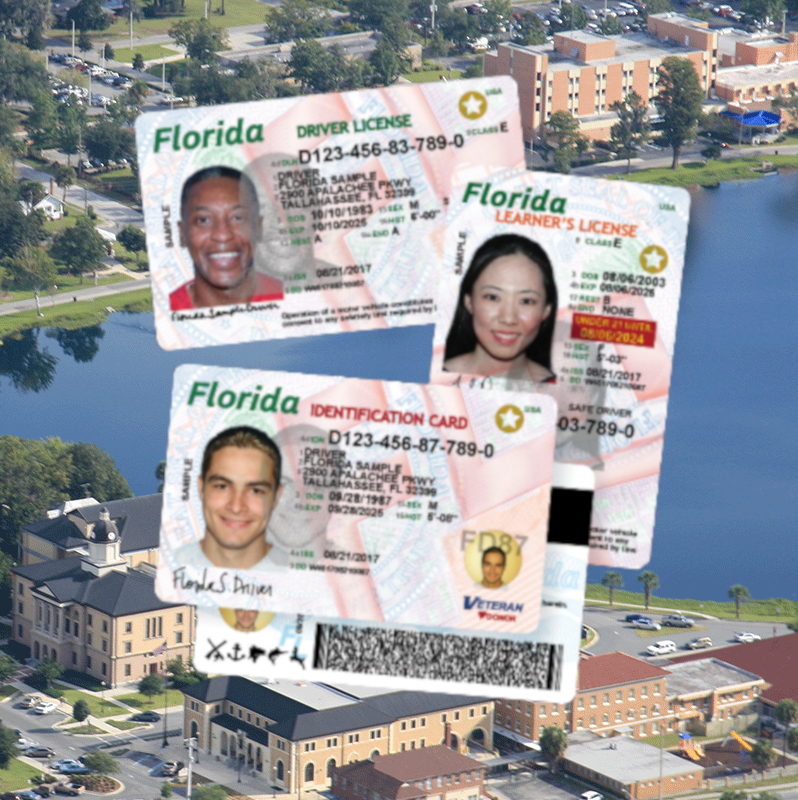
The journey to obtaining a CDL involves several key stages, each designed to ensure that only the most competent drivers enter the commercial driving profession. These stages typically include meeting eligibility criteria, undergoing specialized training, passing rigorous written and practical examinations, and obtaining the necessary endorsements and classifications to operate specific types of commercial vehicles. Florida‘s Department of Highway Safety and Motor Vehicles (FLHSMV) oversees this process, ensuring compliance with both state and federal regulations.
Understanding CDL Classifications and Requirements
Before embarking on your CDL journey, it’s crucial to understand the different classifications and the general requirements set forth by Florida. The classification of your CDL will depend on the type and weight of the vehicle you intend to drive, as well as whether it carries passengers or hazardous materials.
CDL Classifications
Florida follows the Federal Motor Carrier Safety Administration (FMCSA) guidelines for CDL classifications:
-
Class A CDL: This is required for operating any combination of vehicles with a Gross Combination Weight Rating (GCWR) of 26,001 pounds or more, provided the Gross Vehicle Weight Rating (GVWR) of the vehicle(s) being towed is in excess of 10,000 pounds. This is the license for large tractor-trailer rigs, often seen on the highways connecting Tampa to Jacksonville.
-
Class B CDL: This is necessary for operating a single vehicle with a GVWR of 26,001 pounds or more, or any such vehicle towing a vehicle with a GVWR not in excess of 10,000 pounds. This classification covers vehicles like straight trucks, dump trucks, and larger buses.
-
Class C CDL: This is for vehicles that do not meet the criteria for Class A or Class B, but are designed to transport 16 or more occupants (including the driver) or are transporting materials classified as hazardous under the U.S. Department of Transportation Act. This includes smaller buses and vehicles carrying specific regulated goods.
General Eligibility Requirements
To be eligible for a CDL in Florida, applicants must meet several fundamental criteria:
-
Age: You must be at least 18 years old to obtain a CDL for intrastate commerce (within Florida). To drive a commercial vehicle in interstate commerce (across state lines), you must be at least 21 years old.
-
Valid Driver’s License: You must possess a valid, non-commercial Florida driver’s license. This demonstrates a foundational understanding of driving laws and safe operation.
-
Social Security Number: Proof of your Social Security number is required.
-
Residency: You must provide proof of Florida residency. This can include utility bills, lease agreements, or other official documents.
-
Medical Certification: A valid Medical Examiner’s Certificate is a critical component. This certification is issued by a certified medical examiner after a thorough physical examination to ensure you meet the stringent health and physical requirements for commercial driving. This is vital for professions that might involve long hours on the road, perhaps driving between popular tourist destinations like Key West and Everglades National Park.
-
Vision and Hearing Standards: You must meet specific vision and hearing standards as defined by the FLHSMV.
-
No Disqualifying Conditions: You cannot have certain disqualifying medical conditions or a history of specific traffic violations that would preclude you from obtaining a CDL.
Essential Steps to Obtaining Your Florida CDL
The path to getting your CDL in Florida is structured and requires careful attention to detail. Here’s a breakdown of the essential steps:
1. Obtain a Commercial Learner’s Permit (CLP)
Before you can even think about driving a commercial vehicle under supervision, you need to secure a Commercial Learner’s Permit (CLP). This permit signifies that you have begun the process of learning to operate a commercial vehicle and are preparing for your CDL skills test.
-
Study the Florida Commercial Driver License and Commercial Motor Vehicle Handbook: This is your bible for CDL preparation. It covers all the necessary information regarding rules, regulations, safe driving practices, and specific vehicle operation procedures. You can usually download this handbook from the FLHSMV website.
-
Pass the Knowledge Tests: To obtain your CLP, you’ll need to pass a series of written knowledge tests administered by the FLHSMV. The specific tests depend on the CDL classification you are pursuing and any endorsements you plan to obtain. These tests assess your understanding of general knowledge, air brakes, combination vehicles, and other specialized areas.
-
Pass a Vision Test: You’ll need to pass a vision screening to ensure your eyesight meets the required standards.
-
Provide Required Documentation: You will need to present proof of identity, Social Security number, Florida residency, and your Medical Examiner’s Certificate.
-
Pay the Fees: There are associated fees for the CLP application and tests.
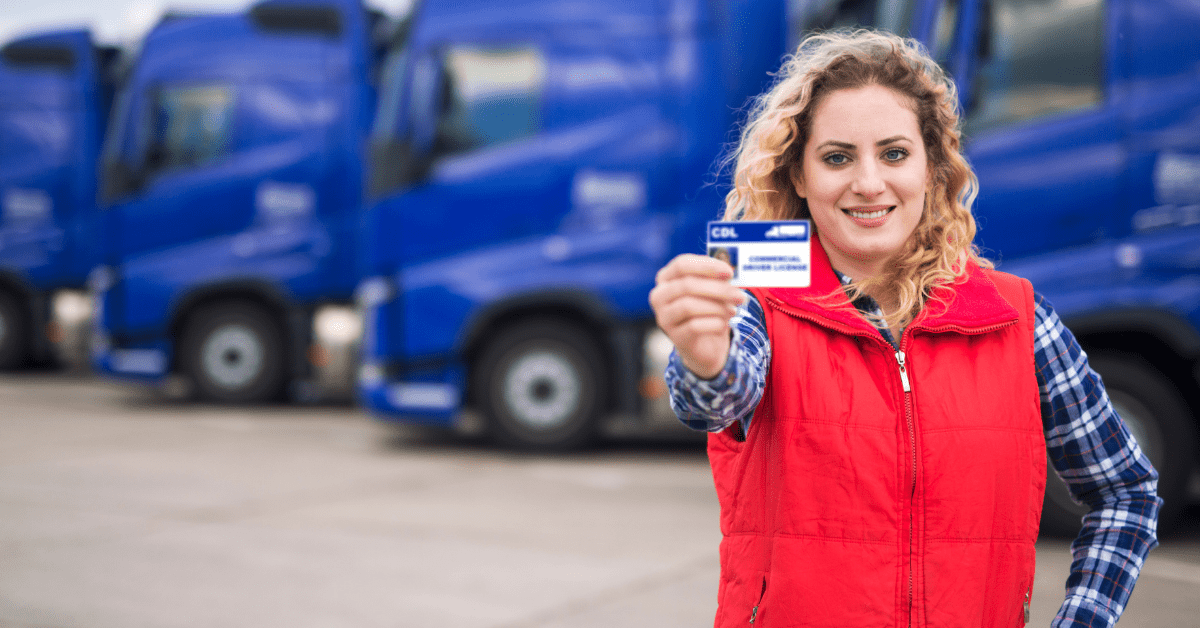
Once you have your CLP, you are permitted to practice driving a commercial vehicle, but only when accompanied by a fully licensed CDL holder who is at least 21 years old and has the proper class of CDL and endorsements for the vehicle you are operating. This supervised practice is invaluable for honing your skills before the official test.
2. Complete Entry-Level Driver Training (ELDT)
A significant change in the CDL application process is the implementation of Entry-Level Driver Training (ELDT) requirements. As of February 7, 2022, all individuals applying for their initial CDL (Class A, B, or C), or for a passenger (P) or hazardous materials (H) endorsement, must have successfully completed the ELDT program from an FMCSA-registered training provider.
-
Find an FMCSA-Registered Training Provider: Not all driving schools are equipped to offer ELDT. You must ensure the provider is registered with the Federal Motor Carrier Safety Administration. These providers offer comprehensive training covering both theoretical knowledge and practical skills.
-
Complete the Curriculum: The ELDT curriculum is standardized and includes both classroom instruction and behind-the-wheel training. The program covers topics such as:
- Basic operation of commercial motor vehicles.
- Safe operating procedures.
- Driving skills.
- Vehicle inspection.
- Post-crash procedures.
- Hours of service.
- Driver-specific safety issues.
- Non-driving activities.
-
Pass the Provider’s Assessment: Upon successful completion of the training, the training provider will report your completion to the FMCSA’s Training Provider Registry (TPR). This is a crucial step, as the FLHSMV will verify your ELDT completion through the TPR before you can take your CDL skills test.
This ELDT requirement is designed to elevate the baseline of knowledge and skills for all new commercial drivers, contributing to increased safety on Florida‘s roadways.
3. Pass the CDL Skills Test
This is the culminating practical examination where you demonstrate your ability to safely operate a commercial vehicle. The skills test is typically administered by a Florida-authorized third-party examiner or at a Florida Driver License Service Center.
-
Vehicle Inspection: You’ll be required to perform a thorough pre-trip inspection of the vehicle, identifying any potential safety defects. This demonstrates your understanding of vehicle maintenance and safety.
-
Basic Vehicle Control: This part of the test assesses your ability to maneuver the vehicle in various controlled scenarios, such as backing into a parking space, turning, and precise control at low speeds. These maneuvers are often conducted in a designated testing area.
-
On-Road Driving: You will then drive the commercial vehicle on public roads under various traffic conditions. This portion evaluates your ability to merge, change lanes, navigate intersections, and maintain safe distances, all while demonstrating a complete understanding of traffic laws and defensive driving techniques.
You must pass all components of the skills test to be eligible for your CDL. It’s advisable to practice these maneuvers extensively with your instructor or a qualified CDL holder before your scheduled test.
4. Obtain Your CDL
Upon successful completion of all requirements, including the knowledge tests, ELDT verification, and the skills test, you can proceed to the final step of obtaining your official CDL.
-
Visit a Driver License Service Center: You’ll need to visit an authorized Florida Driver License Service Center to finalize your application.
-
Present Documentation: Ensure you have all your required documents, including your CLP, Medical Examiner’s Certificate, proof of ELDT completion, and any other identification or residency documents.
-
Pay the Fees: There are issuance fees associated with the CDL.
-
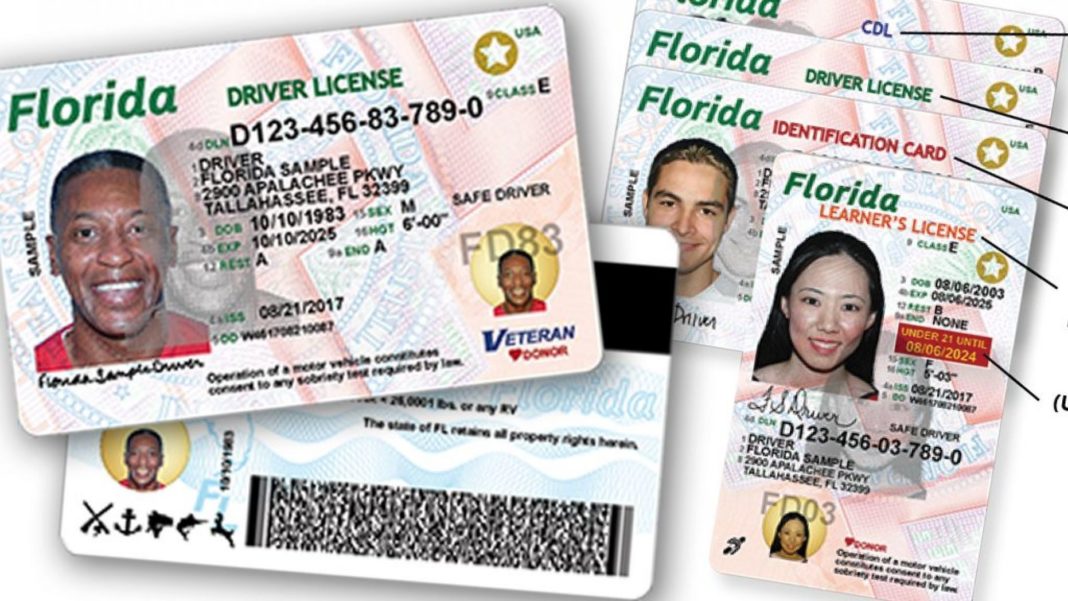
Receive Your CDL: Once all the paperwork is processed and approved, you will be issued your Florida Commercial Driver’s License. This license will specify your CDL class, any endorsements, and any restrictions.
Additional Considerations and Endorsements
Beyond the basic CDL, Florida offers various endorsements and restrictions that cater to specialized driving needs. Understanding these can significantly broaden your career opportunities.
-
Hazardous Materials (H) Endorsement: This is required for drivers transporting materials that are regulated by the U.S. Department of Transportation as hazardous. Obtaining this endorsement involves passing a rigorous written test and undergoing a Transportation Security Administration (TSA) background check, including fingerprinting. This is crucial for industries dealing with chemicals, fuels, or other dangerous goods, perhaps impacting transport routes near industrial areas or ports like those in Port Everglades.
-
Passenger (P) Endorsement: Required for anyone driving a vehicle designed to transport 16 or more occupants, including the driver. This is essential for bus drivers, school bus drivers, and shuttle operators. This endorsement involves both a written test and a skills test specifically tailored to passenger transport safety.
-
School Bus (S) Endorsement: For those intending to drive school buses, a specific School Bus endorsement is required, which includes additional training and testing beyond the standard Passenger endorsement.
-
Tank Vehicle (N) Endorsement: For drivers operating vehicles designed to haul liquids or gaseous materials in bulk.
-
Double/Triple Trailers (T) Endorsement: For drivers pulling two or three trailers behind a tractor.
-
Medical Variance: If you have a medical variance, such as a vision waiver or a medical exemption, you will have specific restrictions noted on your CDL.
The process of obtaining a CDL in Florida is comprehensive and designed to ensure a high standard of safety. While it requires dedication and diligent preparation, the rewards of a career in professional driving are substantial. By understanding the classifications, eligibility, and steps involved, and by committing to thorough training and practice, you can successfully navigate the requirements and earn your Florida Commercial Driver’s License, opening doors to a fulfilling and dynamic career on the road. Remember to consult the official FLHSMV website for the most current and detailed information, as regulations can be updated.
LifeOutOfTheBox is a participant in the Amazon Services LLC Associates Program, an affiliate advertising program designed to provide a means for sites to earn advertising fees by advertising and linking to Amazon.com. Amazon, the Amazon logo, AmazonSupply, and the AmazonSupply logo are trademarks of Amazon.com, Inc. or its affiliates. As an Amazon Associate we earn affiliate commissions from qualifying purchases.