
Embarking on a journey from the heartland of the United States to its sun-drenched western coast is an endeavor that sparks the imagination. The vast expanse of the continent separates the Buckeye State of Ohio from the Golden State of California, presenting a travel challenge and an opportunity for adventure. Understanding the distance between these two iconic American locales is the first step in planning an unforgettable trip, whether you’re drawn by the allure of iconic landmarks, the promise of diverse culinary experiences, or the simple desire for a change of scenery. This exploration delves into the physical separation, the most popular travel methods, and the myriad of experiences awaiting travelers at either end of this cross-country trek.
Navigating the Miles: Understanding the Distance
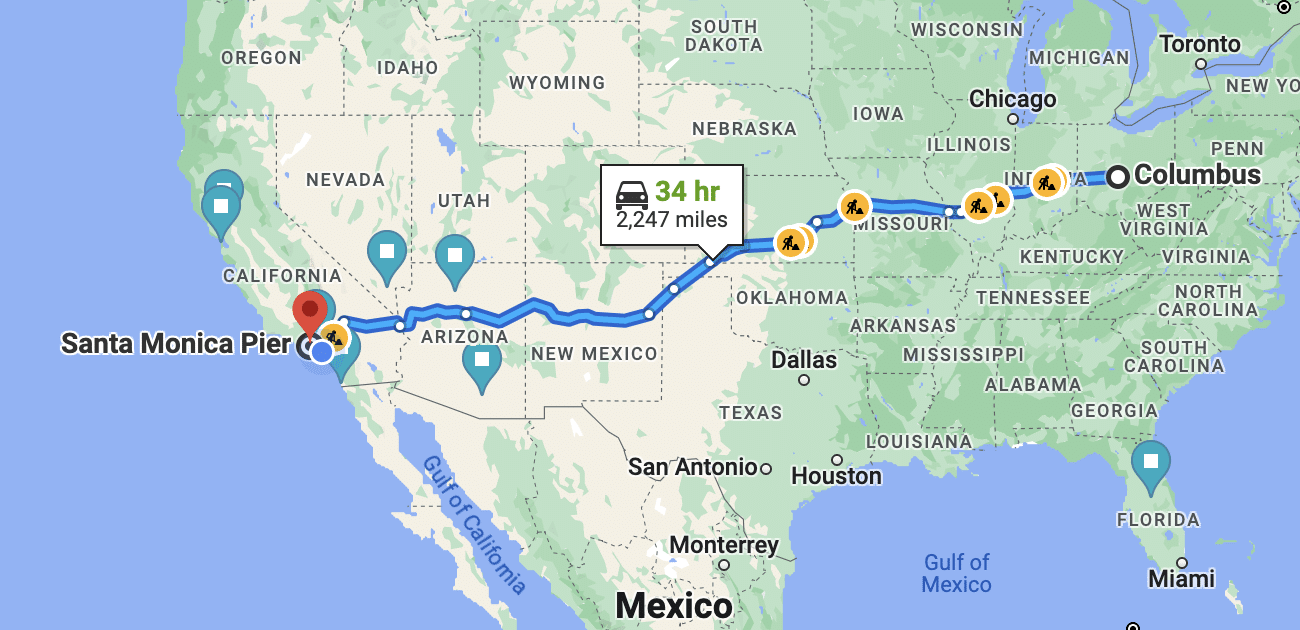
The question of “How far is Ohio from California?” is not a simple one, as both states are geographically expansive, and the precise starting and ending points significantly influence the total mileage. Ohio, situated in the Midwest, stretches from the shores of Lake Erie to the Ohio River. California, a Pacific coast behemoth, extends from its northern redwood forests down to its southern desert landscapes.
Driving Distances and Times
For those opting for the classic American road trip, the driving distance between Ohio and California can vary considerably. A common route, for example, from Columbus, Ohio, to Los Angeles, California, typically spans around 2,400 to 2,700 miles, depending on the specific highways chosen. This journey is not for the faint of heart, usually requiring a minimum of 35 to 40 hours of pure driving time. In practical terms, this translates to a trip of at least four to five days, assuming an average of 8-10 hours of driving per day.
Travelers might choose to traverse through states like Illinois, Missouri, Kansas, Colorado, Utah, and Nevada to reach California. Each route offers its own set of attractions and challenges. For instance, a northern route might take you through Chicago, Illinois, and across the vast plains of the Midwest, while a southern route could lead you through the majestic landscapes of the American Southwest, perhaps even passing by national landmarks like the Grand Canyon National Park. The choice of route can add or subtract hundreds of miles and significantly alter the character of the journey. Factors such as weather, road construction, and the desire to explore roadside attractions can further extend travel times.
Flying: The Speediest Solution
For many, the sheer distance makes flying the most practical option. The aerial distance between Ohio and California is considerably shorter than driving, typically ranging from 1,900 to 2,200 miles as the crow flies. However, the actual flight time is influenced by factors such as headwinds, tailwinds, and the specific flight path taken by the airline.
Direct flights between major airports in Ohio, such as Cleveland Hopkins International Airport (CLE) or John Glenn Columbus International Airport (CMH), and prominent Californian hubs like Los Angeles International Airport (LAX), San Francisco International Airport (SFO), or San Diego International Airport (SAN), usually take between 4.5 to 5.5 hours. While this is significantly faster than driving, it’s important to factor in the time spent at the airport for check-in, security, boarding, and baggage claim. Therefore, a day dedicated to travel by air is still a reasonable expectation.
For those seeking budget travel options, booking flights in advance, being flexible with travel dates, and considering smaller, regional airports can often lead to more affordable fares. Many airlines, including United Airlines, American Airlines, and Delta Air Lines, offer regular services connecting these two major states, making cross-country travel accessible for a wide range of budgets.
Experiencing the Best of Both Worlds: Ohio and California
The vast distance between Ohio and California is bridged not just by miles, but by the incredible diversity of experiences each state offers. From the industrial heritage and natural beauty of Ohio to the iconic entertainment hubs and stunning coastlines of California, travelers have a world of exploration awaiting them.
Ohio: A Tapestry of History and Nature
Ohio, often perceived as a purely Midwestern state, boasts a rich history and surprising natural beauty. Its heritage is deeply rooted in industrial innovation and agricultural bounty. Travelers can immerse themselves in the history of flight at the National Museum of the U.S. Air Force in Dayton, Ohio, a sprawling museum showcasing centuries of aviation advancements. For those interested in presidential history, the William McKinley Presidential Library and Museum in Canton, Ohio, offers insights into the life and times of one of America’s most influential leaders.

Nature enthusiasts will find much to admire in Ohio as well. The Cuyahoga Valley National Park offers a scenic escape with its rolling hills, waterfalls, and the historic Ohio & Erie Canal Towpath Trail, perfect for hiking and biking. The shores of Lake Erie provide opportunities for boating, fishing, and enjoying picturesque sunsets. For a touch of unique natural wonder, the Hocking Hills State Park features stunning rock formations, caves, and ancient hemlock forests, drawing visitors year-round.
When it comes to accommodation, Ohio offers a spectrum of choices, from charming bed and breakfasts in historic towns to modern hotels in bustling cities like Cincinnati, Ohio, and Cleveland, Ohio. The hospitality industry caters to all types of travelers, whether on a luxury travel adventure or a budget-conscious family trip. Foodies can delight in Ohio’s diverse culinary scene, from hearty comfort food to innovative farm-to-table experiences, often influenced by its strong German and Eastern European heritage.
California: The Golden State’s Allure
California is synonymous with sunshine, innovation, and unparalleled entertainment. Its diverse geography ranges from the dramatic cliffs of the Big Sur coastline to the arid beauty of the Joshua Tree National Park and the towering sequoias of Sequoia National Park.
For those seeking the glitz and glamour of Hollywood, Los Angeles offers an endless array of attractions. Visitors can walk the Hollywood Walk of Fame, visit the Universal Studios Hollywood, or explore world-class museums like the Getty Center. Further north, San Francisco captivates with its iconic landmarks, including the Golden Gate Bridge, Alcatraz Island, and the bustling waterfront of Fisherman’s Wharf. San Diego, in the south, offers a more relaxed vibe with its beautiful beaches, the famous San Diego Zoo, and the historic Balboa Park.
California’s tourism industry is renowned for its immersive experiences. From wine tasting in the Napa Valley and Sonoma County to exploring the vibrant street art and culinary scenes of its major cities, there’s something to satisfy every palate and interest. The state is also a hub for tech innovation, with Silicon Valley attracting business travelers and curious minds alike.
Accommodation in California is as varied as its landscape. Luxury resorts dot the coastline, offering breathtaking ocean views. Charming boutique hotels can be found in historic districts, while budget-friendly motels and vacation apartments cater to a wider range of travelers. Long-term stay options are also abundant, particularly for those relocating or working on extended projects. The food scene is equally diverse, from fresh seafood along the coast to authentic Mexican cuisine in Southern California and innovative fusion dishes in its urban centers.
Planning Your Transcontinental Journey: Tips for a Smooth Transition
The significant distance between Ohio and California necessitates careful planning to ensure a smooth and enjoyable transition. Whether you’re driving or flying, understanding the logistics and preparing adequately will make all the difference.
Packing and Preparation for a Road Trip
For those embarking on a driving adventure, meticulous preparation is key. This includes a thorough vehicle inspection, ensuring tires, brakes, and fluids are in optimal condition. It’s also wise to pack an emergency kit with jumper cables, a first-aid kit, and basic tools. Navigation is paramount; having a reliable GPS device or smartphone app, along with physical maps as a backup, is advisable, especially in areas with spotty cell service.
Packing should be done with layering in mind, as temperatures can vary dramatically across states and elevations. Consider bringing entertainment for long stretches of road, such as audiobooks, podcasts, or curated playlists. Planning overnight stops in advance can alleviate stress and ensure you have comfortable accommodation. Websites and apps that compare hotels and offer booking services can be invaluable in finding suitable places to rest. Remember to factor in time for spontaneous stops at roadside attractions that pique your interest, turning the journey into an integral part of the experience.

Essential Considerations for Air Travel
When flying from Ohio to California, booking your flights well in advance is often the best strategy for securing favorable prices, especially if traveling during peak seasons or holidays. Familiarize yourself with the baggage allowances and restrictions of your chosen airline to avoid any last-minute surprises.
Arriving at the airport with ample time is crucial. Most airlines recommend arriving two hours before domestic flights. For carry-on luggage, pack essentials like medications, a change of clothes, and entertainment within easy reach. If you require specific amenities or have dietary restrictions, contact the airline in advance to make arrangements. For those needing accommodation upon arrival, exploring hotel booking sites that offer comparison tools and reviews can help secure suitable lodging in advance, particularly in popular destinations like San Francisco or Los Angeles.
Ultimately, the journey from Ohio to California is more than just covering a large distance; it’s an opportunity to experience the vast and varied landscape of the United States. By understanding the geographical separation and thoughtfully planning your travel, you can transform this cross-country passage into an enriching and memorable adventure, filled with discoveries from coast to coast.
LifeOutOfTheBox is a participant in the Amazon Services LLC Associates Program, an affiliate advertising program designed to provide a means for sites to earn advertising fees by advertising and linking to Amazon.com. Amazon, the Amazon logo, AmazonSupply, and the AmazonSupply logo are trademarks of Amazon.com, Inc. or its affiliates. As an Amazon Associate we earn affiliate commissions from qualifying purchases.