
The allure of Hawaii is undeniable. From its pristine beaches and lush rainforests to its vibrant culture and warm hospitality, the Hawaiian Islands offer an unparalleled travel experience. But have you ever paused, perhaps while watching a sunset paint the sky over the Pacific Ocean, to wonder how these magnificent islands came to be? The story of their formation is a testament to the immense power and artistry of nature, a geological saga spanning millions of years. It’s a narrative deeply intertwined with the very essence of Hawaii as a destination, influencing its unique landscapes, biodiversity, and even its cultural heritage. Understanding the genesis of these islands enriches any visit, transforming a simple vacation into a profound connection with the earth’s dynamic forces.

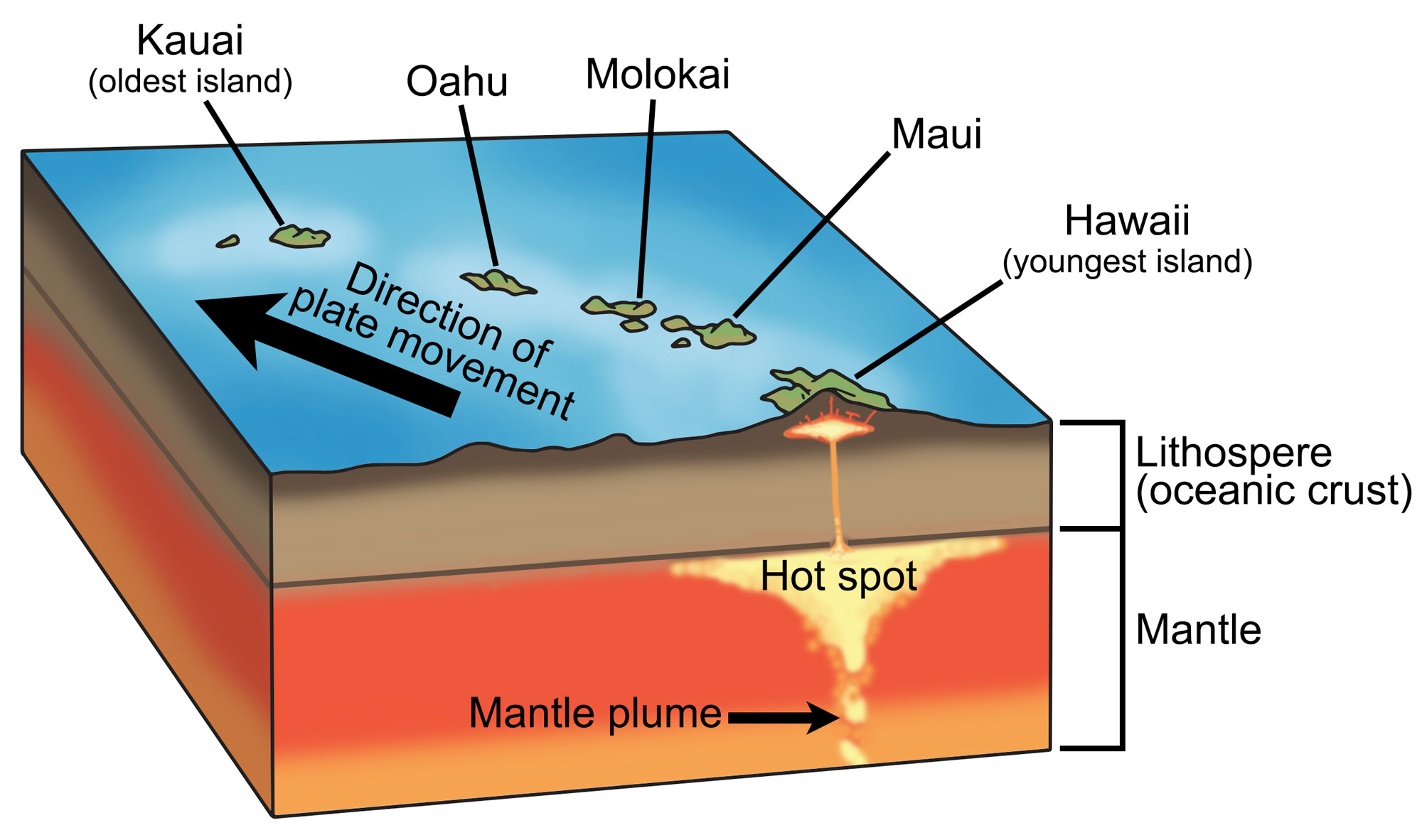
The Hawaii archipelago, a chain of volcanic islands scattered across the vast expanse of the Pacific Ocean, is not a random scattering of landmasses. Instead, it represents a carefully orchestrated geological ballet, a continuous creation process driven by forces deep beneath the Earth’s crust. The prevailing scientific theory attributes the formation of Hawaii to a geological phenomenon known as a hotspot. Imagine a persistent plume of molten rock, a superheated anomaly in the Earth’s mantle, that rises from deep within the planet. This plume remains relatively stationary, while the massive Pacific Plate, one of the Earth’s tectonic plates, slowly drifts over it.
The Unveiling of a Volcanic Legacy
The creation of the Hawaiian Islands is a story of relentless volcanic activity, a testament to the planet’s internal heat. The hotspot, a stable upwelling of magma, acts like a blowtorch beneath the Earth’s crust. As the Pacific Plate moves, this stationary hotspot punches through the oceanic crust, erupting lava and building up underwater mountains. Over vast stretches of time, these volcanic edifices grow, inching upwards from the ocean floor. Eventually, if they rise high enough, they breach the surface of the Pacific Ocean, forming new islands.
The Northward March of Creation
This process, driven by the westward movement of the Pacific Plate, results in a distinctive chain of islands. The youngest and most volcanically active islands are found at the southeastern end of the archipelago, directly over the hotspot. As the plate continues its relentless journey, the older islands are carried away from the hotspot, their volcanic activity gradually ceasing. This explains why the islands to the northwest, such as Kauai and Niihau, are older, more eroded, and less volcanically active than their younger counterparts like the island of Hawaii itself, which is currently home to the most active volcanoes in the chain, including Kilauea and Mauna Loa.
The island of Hawaii, also known as the “Big Island,” is a prime example of this ongoing geological process. It is the largest island and the youngest in the chain, still actively growing as new lava flows contribute to its landmass. The dramatic landscapes of Hawaii Volcanoes National Park, with its steaming vents, active craters, and vast lava fields, offer a visceral glimpse into the forces that shaped this island and its neighbors. This dynamic environment is a powerful reminder of Hawaii’s volcanic origins, a constant interplay between destruction and creation.
From Underwater Seamounts to Majestic Peaks
The journey from a submerged volcanic vent to a fully formed island is a long and arduous one, measured in millions of years. The process begins deep beneath the ocean’s surface, where volcanic eruptions on the seafloor create cone-shaped mountains. These underwater volcanoes, known as seamounts, are the nascent stages of island formation. As repeated eruptions occur, layer upon layer of solidified lava builds up, gradually increasing the height of the seamount.
The Birth of an Island Above the Waves
The critical moment arrives when the summit of a seamount rises above the ocean’s surface. This marks the birth of a new island. Initially, these islands are stark, barren landscapes of cooled lava. However, the relentless forces of nature soon begin their work of transformation. Rain, wind, and the relentless crash of waves start to erode the volcanic rock, breaking it down into smaller particles. Over time, these particles accumulate, forming soil. This fertile volcanic soil, enriched by the minerals from the lava, provides a foundation for life to take hold.
The colonization of these new lands by plants is a remarkable feat of adaptation. Seeds are carried by the wind, by birds, or by ocean currents. Those that find suitable conditions begin to sprout, their roots anchoring themselves in the nascent soil. As plant life proliferates, it further aids in soil formation and stabilization, preventing erosion. Insects and other small animals begin to arrive, attracted by the growing vegetation. Eventually, birds, including many endemic species, find their way to these isolated islands, introducing new seeds and contributing to the ecosystem’s development.
This slow, deliberate process of erosion, soil formation, and biological colonization gradually transforms the raw volcanic landscape into the lush, verdant paradises that we associate with Hawaii today. The dramatic cliffs of Na Pali Coast on Kauai, carved by millennia of erosion, stand as a testament to this prolonged transformation, a stark contrast to the actively forming landscapes on the island of Hawaii. Each island in the chain tells a part of this story, with older islands showcasing more advanced stages of erosion and ecological development, while the younger islands still bear the fresh scars of recent volcanic activity.
The Enduring Power of Volcanism and Erosion
The formation of the Hawaiian Islands is not a static event but an ongoing process. The hotspot continues its fiery work beneath the Pacific Plate, and the islands continue their slow march across the ocean. This dynamic interplay between volcanism and erosion is what shapes the diverse landscapes of Hawaii.

A Living Laboratory of Geological Processes
The active volcanoes on the island of Hawaii, such as Kilauea and Mauna Loa, provide an unparalleled opportunity to observe geological processes in action. Visitors to Hawaii Volcanoes National Park can witness firsthand the creation of new land as molten lava flows into the ocean, a dramatic display of nature’s raw power. This constant renewal is a defining characteristic of the islands.
Meanwhile, the older islands in the northwest of the chain, like Kauai, have been sculpted by millions of years of erosion. Their dramatic cliffs, deep valleys, and verdant rainforests are the result of wind, rain, and the relentless power of the ocean working on ancient volcanic structures. These islands, while no longer volcanically active, are no less awe-inspiring, showcasing the profound impact of geological time and the forces of weathering and erosion. The stark, black sand beaches, testament to recent lava flows, are a constant reminder of the islands’ fiery birth, while the lush green slopes, teeming with endemic flora and fauna, speak to the triumph of life over rock. This duality is the essence of the Hawaiian Islands, a continuously evolving masterpiece of natural creation.
The formation of the Hawaiian Islands is a captivating geological narrative, a story of fire and water, of immense pressure and slow, patient erosion. It’s a process that has not only shaped the physical landscape but has also laid the foundation for the unique ecosystems and the rich cultural tapestry that make Hawaii such a beloved destination. Whether you are exploring the luxury resorts of Maui, the historical significance of Pearl Harbor, or simply relaxing on the beaches of Waikiki, a deeper understanding of the islands’ volcanic origins adds a profound layer to the experience, a connection to the ancient forces that continue to shape this extraordinary corner of the world.
LifeOutOfTheBox is a participant in the Amazon Services LLC Associates Program, an affiliate advertising program designed to provide a means for sites to earn advertising fees by advertising and linking to Amazon.com. Amazon, the Amazon logo, AmazonSupply, and the AmazonSupply logo are trademarks of Amazon.com, Inc. or its affiliates. As an Amazon Associate we earn affiliate commissions from qualifying purchases.