
New Orleans is a city steeped in tradition, a vibrant tapestry woven with the threads of history, music, and unparalleled joie de vivre. Among its many unique cultural expressions, the second line stands out as a quintessential New Orleans experience, a joyous, spontaneous, and deeply communal celebration. More than just a parade, it’s a living, breathing embodiment of the city’s soul, a tradition that invites everyone to join in the revelry. Understanding what a second line is requires delving into its origins, its components, and the spirit it encapsulates.
The Heartbeat of Celebration: Understanding the Second Line
At its core, a second line is a procession, most famously associated with jazz funerals, but also appearing at parades, festivals, and other celebratory events throughout the city. It’s a dynamic, evolving dance of participation, a stark contrast to the more formal, spectator-oriented processions found elsewhere. The defining characteristic of a second line is its communal nature, where the boundaries between performers and audience blur, and everyone is encouraged to become part of the moving celebration.
The First Line: Leading the Way
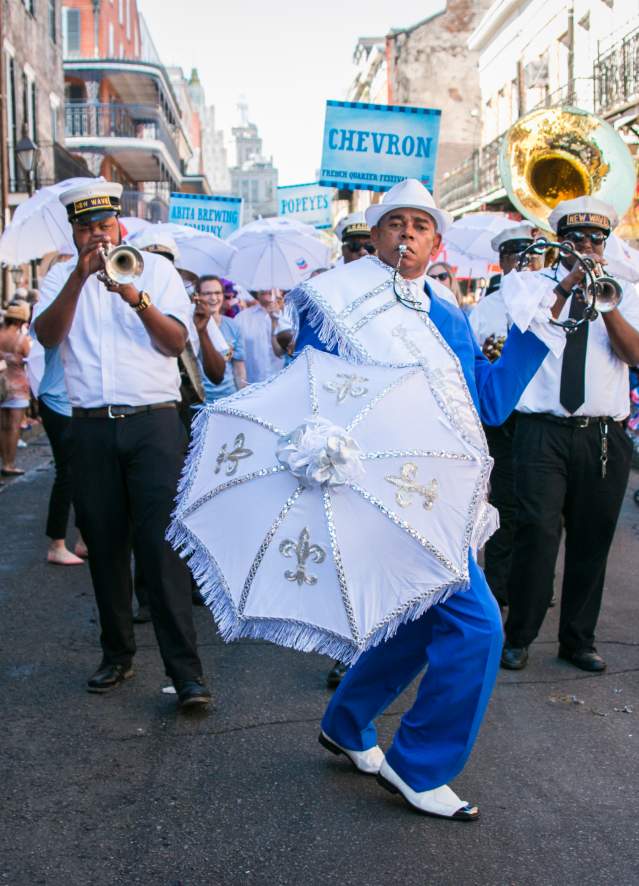
The “first line” refers to the brass band, the pulsating heart of the second line. These bands are the orchestrators of the joy, their infectious rhythms and soulful melodies setting the pace and mood for the entire procession. Typically comprised of trumpets, trombones, clarinets, saxophones, tubas, and drums, New Orleans brass bands are masters of improvisation and improvisation, capable of shifting from mournful dirges to jubilant, foot-stomping anthems in the blink of an eye.
The music played is as varied as the occasions themselves. For jazz funerals, the band will begin with a somber, spiritual hymn, walking slowly and solemnly. As the procession moves away from the cemetery, the mood shifts. The tempo quickens, and the music transitions to upbeat, celebratory jazz numbers, signifying the release of the spirit and the celebration of a life well-lived. This musical transformation is a profound expression of the New Orleans philosophy of finding joy even in sorrow.
The musicians themselves are not just performers; they are integral to the narrative of the second line. Their skill, passion, and ability to connect with the crowd are what truly bring the tradition to life. They are the guides, leading the way, their music an irresistible invitation to follow.
The Second Line: The Followers and the Festive Swirl
The “second line” is the group of people who follow the brass band. This is where the true essence of the second line tradition unfolds. Unlike a passive audience, the second line is an active participant. Spectators who are not part of the immediate mourners or designated participants are invited to “jump in” and join the revelry. This spontaneous inclusion is a hallmark of New Orleans hospitality and its embrace of shared experience.
Those in the second line often carry parasols or handkerchiefs, waving them in the air to the beat of the music. This visual element adds to the vibrant, energetic spectacle. Men might twirl canes, women might toss their hats, and children will dance with uninhibited glee. The energy is infectious, a collective outpouring of emotion and celebration.
The second line isn’t just about dancing; it’s about community. It’s about strangers becoming friends for a few hours, united by the rhythm and the spirit of the moment. It’s a powerful reminder of the interconnectedness of life in New Orleans, where shared experiences forge strong bonds. Whether it’s a joyous wedding procession or a solemn funeral, the second line embraces all who wish to participate, creating an unforgettable communal experience.
From Mourning to Merriment: The Evolution of the Second Line
The roots of the second line are deeply entwined with the history of New Orleans, particularly its African and Caribbean influences. The tradition is widely believed to have evolved from West African funeral processions, where music, dance, and community played a vital role in honoring the deceased and comforting the living. When enslaved Africans were brought to the Americas, they brought their rich cultural heritage with them, adapting and blending it with other traditions to create unique expressions like the second line.
The Jazz Funeral: A Sacred and Celebratory Rite
The most iconic manifestation of the second line is the jazz funeral. These are not somber, silent affairs; rather, they are a profound and deeply moving blend of grief and celebration. The funeral procession begins with a slow, mournful dirge played by the brass band as the hearse and the closest mourners, the “first line,” make their way to the cemetery. The mood is respectful, contemplative, and filled with a palpable sense of loss.
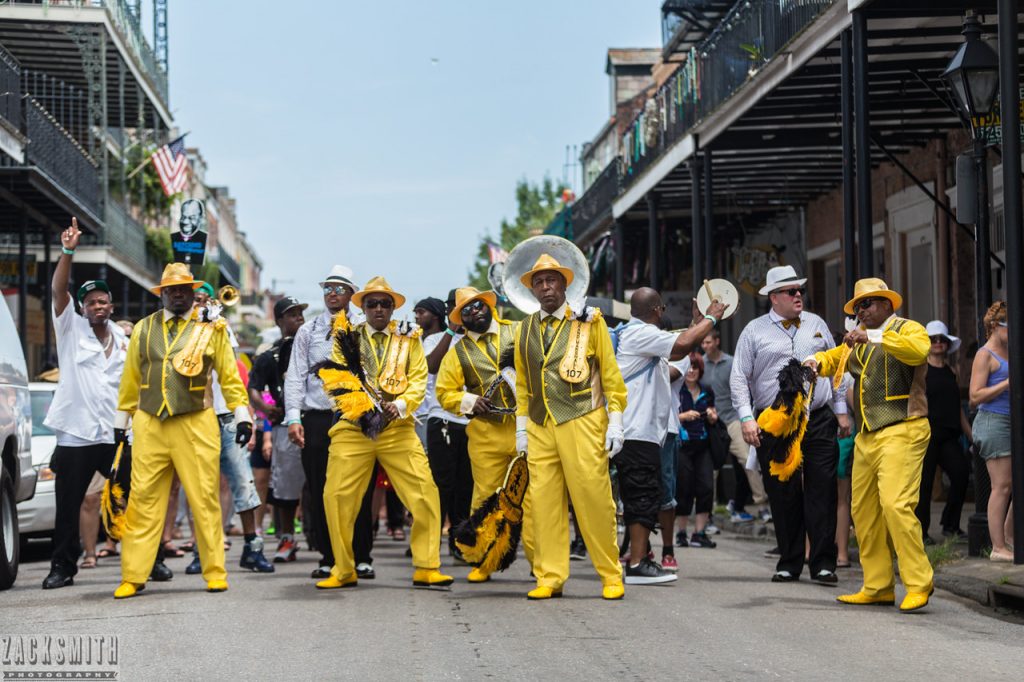
However, as the body is laid to rest, the music undergoes a transformative shift. The band strikes up an upbeat, lively jazz tune, and the second line erupts in a frenzy of dancing, singing, and clapping. This “hot” music symbolizes the release of the spirit to the afterlife and the celebration of the life that was lived. It’s a cathartic expression, allowing the community to mourn and rejoice simultaneously. The second line attendees, often strangers who have joined the procession along the way, dance with uninhibited joy, their movements reflecting the vibrant spirit of the departed. This duality of emotion – sorrow and elation – is a hallmark of New Orleans culture, reflecting a unique perspective on life and death.
The jazz funeral is a powerful testament to the resilience of the human spirit and the enduring power of community. It’s a sacred ritual, a spiritual journey, and a public performance all rolled into one, offering comfort and catharsis to those who grieve while celebrating the vibrant legacy of the deceased.
Beyond Funerals: Second Lines for Every Occasion
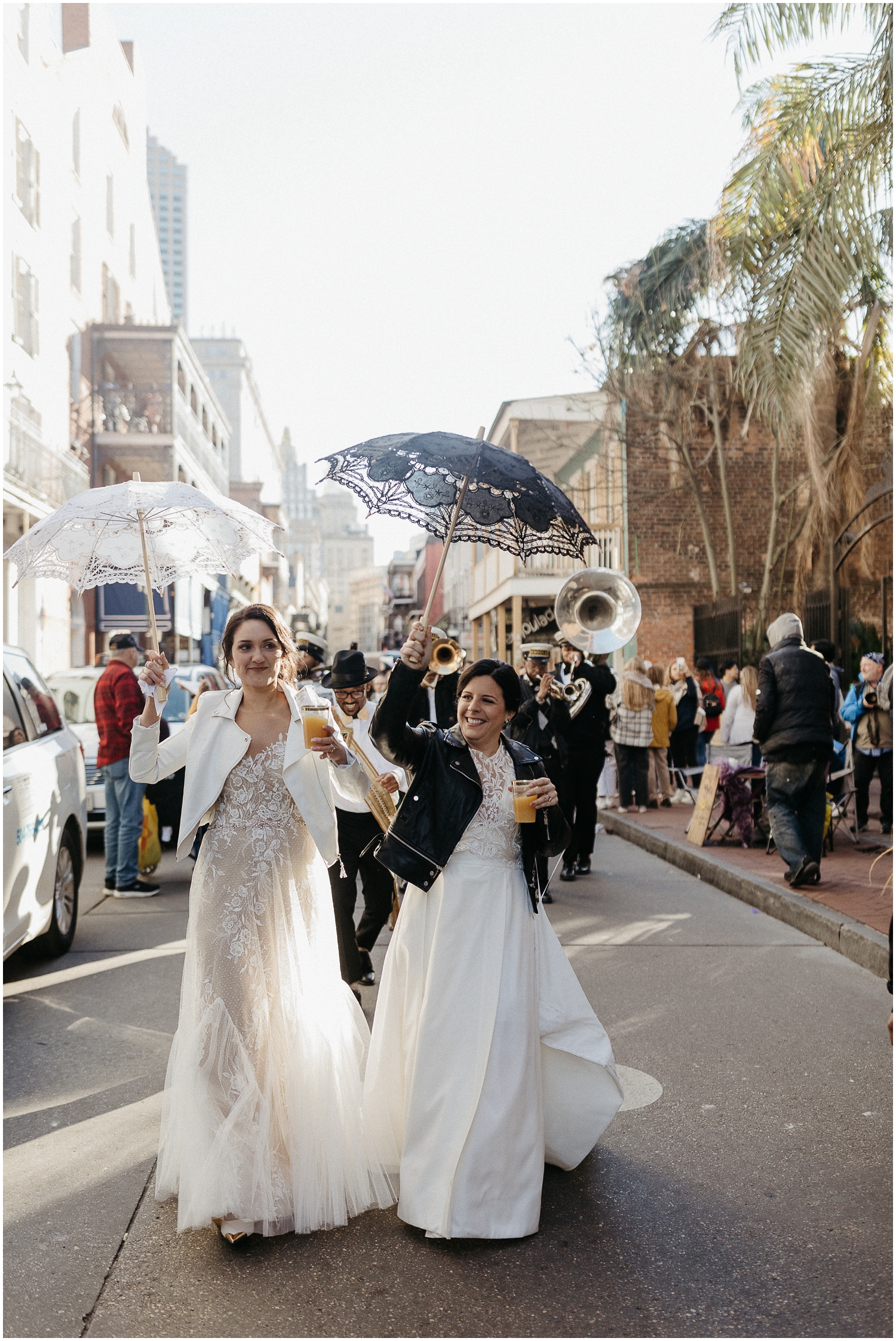
While jazz funerals are perhaps the most well-known, the second line tradition has expanded to encompass a wide array of celebratory events. Today, you’re likely to encounter second lines at Mardi Gras parades, second line parades organized by social aid and pleasure clubs, weddings, birthdays, and even political rallies. Any occasion that calls for a public display of joy and community participation can be enhanced by a second line.
Social Aid and Pleasure Clubs, a distinctly New Orleans phenomenon, are instrumental in keeping the second line tradition alive and vibrant. These clubs, often rooted in specific neighborhoods or communities, organize elaborate parades throughout the year, complete with brass bands, elaborate costumes, and, of course, a spirited second line. These events are not just parties; they are expressions of civic pride, community solidarity, and the unwavering commitment to preserving the unique cultural heritage of the city.
The spirit of the second line is adaptable, its infectious energy finding a home in any event that calls for a collective expression of happiness. It’s a tradition that continues to evolve, demonstrating the dynamic nature of New Orleans culture and its ability to find joy and connection in both solemn and celebratory moments.
Experiencing a Second Line: Tips for Travelers
For any visitor to New Orleans, experiencing a second line is an absolute must. It offers an authentic glimpse into the heart and soul of the city, a chance to participate in a tradition that is both deeply meaningful and incredibly fun. However, to truly appreciate and respectfully engage with this unique cultural expression, a few pointers can enhance your experience.
Embracing the Spirit of Participation
The most important tip for experiencing a second line is to embrace its spirit of participation. Don’t be a passive observer. If you see a brass band and a procession, feel free to join in. The second line is about inclusivity, and your presence adds to the collective energy. Wave your handkerchief, dance to the music, and let the rhythm move you.
It’s important to remember that while second lines are celebratory, they can also have solemn origins, especially jazz funerals. Observe the general mood and adjust your level of boisterousness accordingly. However, even in more somber contexts, a respectful nod to the music and a gentle sway to the beat are always appreciated.
When a second line passes by, especially on the streets of the French Quarter or in neighborhoods like the Tremé, it’s an invitation. Don’t hesitate to follow the music. You’ll often find yourself swept up in a wave of pure New Orleans joy. This spontaneous immersion is what makes the second line so special.
Respectful Engagement and Local Etiquette
While participation is encouraged, it’s also vital to be respectful of the tradition and the people involved. Always give way to the first line, especially during jazz funerals where the immediate family and close friends are the focus. Avoid blocking the path of the procession or disrupting the musicians.
If you are near a jazz funeral procession, maintain a respectful distance and demeanor until the mood shifts to celebration. Once the upbeat music begins, joining in is generally welcome, but always be mindful of the circumstances.
When photographing or filming, be discreet and ask for permission if you are focusing on individuals, especially during more intimate parts of a funeral procession. The goal is to capture the spirit of the event, not to intrude.
Finally, remember that a second line is a living tradition. It’s fluid, unpredictable, and deeply personal to the community. By approaching it with an open heart and a willingness to participate, you’ll gain a profound appreciation for this unique and exhilarating aspect of New Orleans culture. It’s an experience that transcends mere tourism, offering a genuine connection to the city’s vibrant spirit.
LifeOutOfTheBox is a participant in the Amazon Services LLC Associates Program, an affiliate advertising program designed to provide a means for sites to earn advertising fees by advertising and linking to Amazon.com. Amazon, the Amazon logo, AmazonSupply, and the AmazonSupply logo are trademarks of Amazon.com, Inc. or its affiliates. As an Amazon Associate we earn affiliate commissions from qualifying purchases.