
The allure of a winning hand, the thrill of a spinning roulette wheel, the anticipation of a horse race – for many, these are quintessential elements of travel and leisure. Destinations worldwide often boast vibrant casinos, offering entertainment and a chance to strike it rich. However, when planning a trip to the vast and diverse state of Texas, visitors will quickly discover a significant absence: widespread, legal gambling. This raises a pertinent question for travelers and locals alike: why is gambling illegal in Texas? The answer is deeply rooted in the state’s history, culture, and a complex interplay of political and social forces.
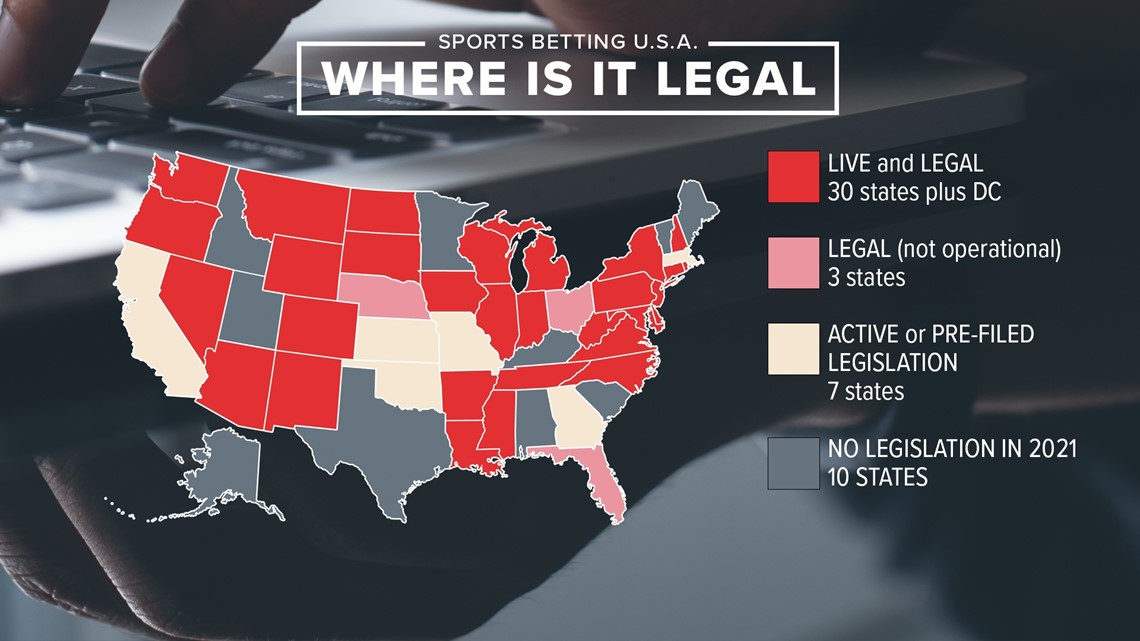
A Deep Dive into Texas’s Stance on Gambling
Understanding the prohibition of gambling in Texas requires exploring its historical context, examining the specific types of gambling that are restricted, and considering the arguments for and against legalization. While Texas is renowned for its expansive landscapes, rich history, and unique cultural attractions, its restrictive gambling laws set it apart from many other states, particularly those that heavily rely on casino tourism.
The Historical Roots of Prohibition
The legal landscape surrounding gambling in Texas has been shaped by a long and often contentious history. Early settlers brought with them a mixture of attitudes towards recreation and vice. While some forms of amusement were tolerated, gambling, particularly in organized or commercial forms, often faced moral and religious opposition.
The state’s constitution, ratified in 1876, laid the groundwork for its restrictive stance. Article III, Section 47 of the Texas Constitution explicitly prohibits the legislature from authorizing lotteries and explicitly grants the legislature the power to prohibit the sale of lottery tickets. This constitutional provision has served as a significant barrier to the introduction of widespread gambling, including state-run lotteries, which are a common revenue source in many other states.
Throughout the 20th century, various attempts were made to introduce or expand gambling opportunities. However, these efforts consistently faced strong opposition from conservative religious groups, law enforcement agencies concerned about organized crime, and politicians who viewed gambling as a social ill. The prevailing sentiment often framed gambling as a predatory activity that disproportionately harms vulnerable populations and contributes to social problems like addiction and financial ruin.
The fight against illegal gambling operations became a significant focus for law enforcement. Raids on underground poker rooms, cockfighting rings, and other illicit betting enterprises were common. These enforcement actions reinforced the public perception of gambling as a criminal enterprise, further solidifying the political will to maintain its prohibition.
What is Illegal and What is Not?
It’s important to clarify that Texas does not have a blanket ban on all forms of betting or games of chance. The legality often hinges on the specific activity, the location, and the presence of a state-sanctioned or constitutionally permitted framework.
Strictly Prohibited Activities
- Casino Gambling: Traditional casino-style gambling, including slot machines, table games like blackjack and poker (played for stakes outside of specific regulated settings), and roulette, is largely illegal. There are no commercial casinos operating within the state’s borders in the same vein as those found in Nevada or New Jersey.
- State Lottery: Despite significant debate and numerous legislative attempts, Texas does not have a state-run lottery. The constitutional prohibition remains a formidable obstacle.
- Horse and Dog Racing (with limitations): While pari-mutuel betting on horse and dog races was once legal, it has faced significant restrictions and regulatory challenges over the years. The current landscape is complex, with some forms of betting on live racing being permitted under strict regulation, but the scale and accessibility are far from what one might find in states with robust racing industries.
- Illegal Betting Operations: Backyard poker games or informal betting pools that involve significant stakes and are conducted for profit are generally considered illegal and can lead to criminal charges. This includes a wide range of activities, from illegal bookmaking to underground card rooms.

Permitted or Regulated Activities
- Social Gambling: Small, informal games played among friends in a private residence, where the house does not take a cut (known as “the rake”), are generally not prosecuted. The key distinction here is the absence of a commercial enterprise profiting from the game.
- Charitable Bingo and Raffles: Texas allows certain non-profit organizations to conduct bingo games and raffles as a means of fundraising. These activities are heavily regulated by the Texas Lottery Commission, with strict rules on licensing, prize limits, and the use of proceeds. This provides a legal avenue for some forms of games of chance to exist within the state, primarily for charitable purposes.
- Fantasy Sports: Fantasy sports leagues, where participants draft virtual teams and compete based on real-life player statistics, have generally been treated as games of skill rather than chance by Texas courts and regulators. This has allowed platforms like DraftKings and FanDuel to operate within the state, though the legal landscape for such activities can evolve.
- Tribal Casinos: Texas does not have federally recognized Indian tribes that operate casinos within the state. This is a key distinction from many other states where tribal sovereignty allows for the establishment of casinos on reservation lands.
- Live Greyhound Racing and Thoroughbred Racing (limited): While the future of these industries has been uncertain and subject to legislative changes, Texas has had a history of permitting pari-mutuel wagering at live horse and dog racing tracks. However, recent legislative actions have significantly impacted the industry, leading to the closure of some tracks and a reduction in live racing opportunities. Betting on races held outside of Texas may also be permissible through licensed out-of-state simulcasting facilities.
Arguments For and Against Legalization
The debate surrounding gambling legalization in Texas is multifaceted, with proponents and opponents presenting compelling arguments.
Arguments for Legalization
- Increased State Revenue: Proponents argue that legalizing casinos and a state lottery would generate substantial tax revenue for Texas, which could then be used to fund public services such as education, infrastructure, and healthcare. They point to other states that have successfully implemented such measures.
- Job Creation: The establishment of casinos and related hospitality industries would create numerous jobs, from casino dealers and hotel staff to security personnel and marketing professionals. This could provide a significant economic boost to the state.
- Economic Development and Tourism: Legalized gambling could attract tourists, similar to how Las Vegas or Atlantic City draw visitors. This influx of tourism could stimulate local economies, leading to increased business for hotels, restaurants, and other attractions across Texas. Imagine the potential synergy with existing Texas travel experiences, from the Alamo to the Gulf Coast.
- Suppression of Illegal Gambling: Legalizing and regulating gambling could help to dismantle underground and illegal betting operations, which are often associated with organized crime and exploitation. By bringing gambling into the open, authorities could better monitor and control it.
- Consumer Choice and Freedom: Advocates for legalization often cite individual liberty, arguing that adults should have the freedom to choose how they spend their money, including on recreational gambling, as long as it doesn’t harm others.
Arguments Against Legalization
- Moral and Religious Objections: Many conservative religious groups and individuals in Texas view gambling as morally reprehensible, arguing that it encourages greed, idleness, and addiction. They believe that the state should not sanction or profit from such activities.
- Social Costs and Addiction: Opponents raise concerns about the potential increase in gambling addiction, which can lead to devastating financial, social, and personal consequences for individuals and their families. They argue that the costs associated with treating addiction and addressing its fallout would outweigh any tax revenue generated.
- Impact on Vulnerable Populations: Critics contend that gambling disproportionately affects low-income individuals and those with pre-existing vulnerabilities, exacerbating existing inequalities.
- Potential for Increased Crime and Corruption: While proponents argue legalization would suppress crime, opponents fear that a legal gambling industry could attract organized crime, lead to increased corruption, and create new avenues for money laundering.
- **Erosion of *Texas* Values:** For some, the prohibition of gambling is seen as a core component of Texas‘s traditional values and identity. Legalization is viewed as a step towards a more secularized and less principled society.
The Future of Gambling in Texas
The conversation surrounding gambling legalization in Texas is far from over. While the constitutional barriers and deeply ingrained opposition present significant hurdles, the potential economic benefits remain a powerful incentive for proponents.
Recent legislative sessions have seen renewed efforts to introduce some form of expanded gambling, often focusing on the possibility of allowing casino resorts in major metropolitan areas like Houston, Dallas, or San Antonio, or exploring the creation of a state lottery. These proposals typically involve promises of substantial revenue for education and infrastructure projects, and often include provisions for responsible gambling measures.
However, each attempt has been met with fierce resistance, highlighting the enduring influence of anti-gambling sentiment and the complex political landscape. The outcome of future legislative battles will likely depend on shifts in public opinion, the lobbying efforts of proponents and opponents, and the evolving economic priorities of the state.
For travelers planning a visit to Texas, understanding these legal restrictions is crucial. While you won’t find sprawling casino complexes like those in Nevada‘s Las Vegas or on the Mississippi coast, Texas offers an abundance of other unique attractions and experiences. From exploring the historic San Antonio Riverwalk and enjoying world-class Texas barbecue to experiencing the vibrant music scene in Austin or venturing into the vast Big Bend National Park, the Lone Star State provides a rich tapestry of activities that do not involve the spin of a roulette wheel or the shuffle of cards. The absence of widespread gambling is, in many ways, a defining characteristic of the Texas travel experience, contributing to its unique cultural identity and historical narrative.
LifeOutOfTheBox is a participant in the Amazon Services LLC Associates Program, an affiliate advertising program designed to provide a means for sites to earn advertising fees by advertising and linking to Amazon.com. Amazon, the Amazon logo, AmazonSupply, and the AmazonSupply logo are trademarks of Amazon.com, Inc. or its affiliates. As an Amazon Associate we earn affiliate commissions from qualifying purchases.