
The Colorado River, a lifeline of the American Southwest, is more than just a waterway; it’s an epic saga etched into the landscape, a testament to nature’s power, and a crucial resource for millions. For adventurers, history buffs, and those seeking awe-inspiring natural beauty, tracing its path is a journey filled with unforgettable experiences. But for a river that once flowed freely to the sea, its ultimate destination has become a complex question, deeply intertwined with human innovation, burgeoning populations, and the ever-present challenges of climate change. For travelers looking to explore its wonders, understanding its journey and its current “stop” is key to appreciating the profound impact this river has had on the region’s geography, culture, and very existence.

The Majestic Journey: From Rockies to the Sea (or Not)
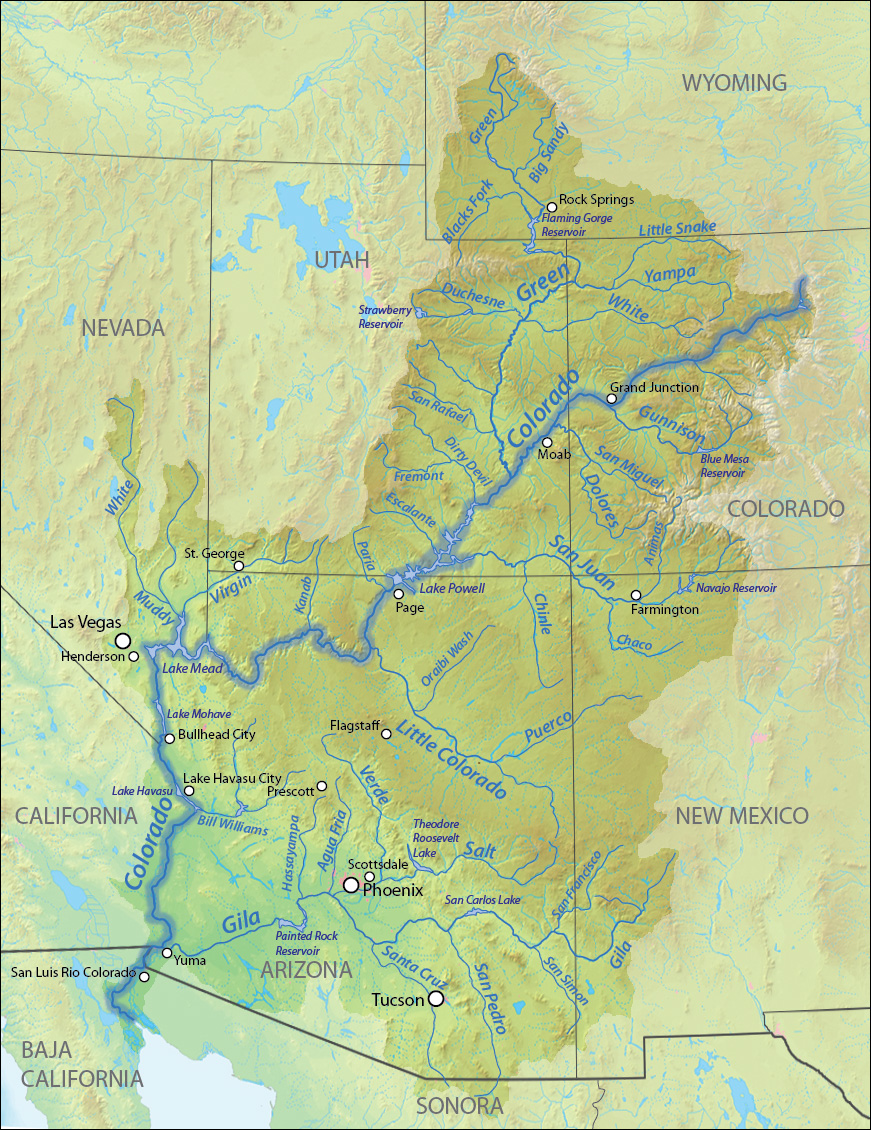
The Colorado River’s narrative begins high in the pristine Rocky Mountains and historically concluded its 1,450-mile journey in the Gulf of California, emptying into the Pacific Ocean off the coast of Mexico. Today, however, that destination is rarely reached. The river’s path is a masterclass in natural engineering, carving some of the planet’s most iconic landscapes, while simultaneously serving as a vital artery for seven U.S. states and two Mexican states.
The River’s Birthplace: High in the Rocky Mountains
Our journey begins in La Poudre Pass, within Rocky Mountain National Park in north-central Colorado. Here, at an elevation of over 10,000 feet, tiny trickles of snowmelt converge, forming the nascent Colorado River. In its upper basin, the river gathers strength, fed by numerous tributaries winding through Colorado, Wyoming, Utah, and New Mexico. This region is a haven for outdoor enthusiasts, offering pristine wilderness, opportunities for white-water rafting on rivers like the Fraser and Blue Rivers, and access to charming mountain towns. Travelers seeking serene experiences can find boutique accommodations in towns like Grand Lake or Steamboat Springs, ideal for exploring the natural beauty and rugged landscapes that characterize the river’s formative stages. The lifestyle here is centered around adventure: hiking, fishing, skiing in winter, and soaking in the tranquil vastness of the mountains.
Winding Through Wonders: Utah and Arizona‘s Masterpiece
As the Colorado River flows southwest, it enters a dramatic chapter, sculpting the mesmerizing canyonlands of Utah and Arizona. This is where the river truly earns its reputation, carving out iconic geological formations that draw millions of visitors annually. In Utah, near Moab, the river winds past the red rock marvels of Arches National Park and Canyonlands National Park, creating a breathtaking backdrop for hiking, mountain biking, and scenic drives. Here, you can find a range of accommodations from charming inns and vacation rentals to more adventurous glamping sites, catering to both budget and luxury travelers.
The undisputed highlight, however, is the Grand Canyon National Park in Arizona. For millennia, the Colorado River has patiently chiseled this immense chasm, revealing layers of Earth’s history in vibrant hues. A trip to the Grand Canyon is a bucket-list experience, whether you’re gazing from the rim, hiking down to Phantom Ranch at the river’s edge, or embarking on a multi-day rafting trip through its powerful rapids. Near Page, Arizona, the river offers more accessible natural wonders like Horseshoe Bend and the slot canyons of Antelope Canyon, managed by the Navajo Nation. Accommodation options range from hotels in Grand Canyon Village to resorts in nearby Tusayan, with booking well in advance essential due to high demand.
Human Ingenuity and Intervention: Shaping the River’s Fate
Beyond its natural marvels, the Colorado River is also a testament to human ingenuity and, at times, human hubris. Its powerful flow has been extensively harnessed through a series of colossal dams, fundamentally altering its course and destiny. The most famous of these is the Hoover Dam, an engineering marvel completed in 1936 that created Lake Mead on the border of Nevada and Arizona. Further upstream, the Glen Canyon Dam formed Lake Powell, one of the largest man-made reservoirs in North America. These dams serve multiple purposes: hydroelectric power generation, flood control, and, most critically, water supply for agriculture and urban centers across the Southwest, including metropolises like Las Vegas and Los Angeles.
It is these immense diversions that largely dictate “where the Colorado River stops.” By the time it reaches the Mexican border, years of withdrawals for irrigation and municipal use have typically reduced its flow to a mere trickle, if anything at all. The river rarely makes it to its historical delta in the Gulf of California anymore, a stark reminder of the delicate balance between human needs and ecological health. This transformation highlights the critical importance of water conservation and sustainable tourism practices for any traveler exploring the river basin.
Discovering the Colorado: A Traveler’s Guide to Iconic Destinations
For those planning a trip, the Colorado River basin offers an incredible array of destinations and experiences, catering to every travel style. From rugged outdoor adventures to luxurious resort stays, the river’s influence extends far and wide, touching the lives and landscapes of countless communities.
Unforgettable Adventures in the Upper Basin
The upper basin, encompassing Colorado, Wyoming, and much of Utah, is a paradise for active travelers. Destinations like Moab, Utah, stand out as a hub for adventure tourism, offering world-class mountain biking, hiking, and rock climbing. Here, you can base yourself in a comfortable hotel or an apartment rental, spending your days exploring Arches and Canyonlands National Parks. Whitewater rafting trips are popular, ranging from gentle floats suitable for families to challenging multi-day expeditions through rapids in canyons like Cataract Canyon.
Further west, the waters of Lake Powell, created by the Glen Canyon Dam, invite visitors to explore its serpentine canyons by houseboat, kayak, or paddleboard. The nearby town of Page, Arizona, serves as a gateway to iconic sites like Antelope Canyon and Horseshoe Bend, offering a blend of natural wonder and cultural experiences with guided tours often led by members of the Navajo Nation. Accommodation in Page caters to all budgets, with hotels, motels, and even luxury resorts providing a comfortable base for exploration.
The Lower Basin’s Allure: From Desert Oases to Engineering Marvels
The lower basin, primarily Nevada, Arizona, and California, offers a different but equally compelling set of experiences. The crown jewel here is undoubtedly the Grand Canyon National Park. Travelers can experience the canyon from various vantage points along the North and South Rims, staying in historic lodges like El Tovar Hotel or more modern accommodations in Grand Canyon Village. Activities include scenic drives, helicopter tours, mule rides, and intense hikes, requiring careful planning and preparation.
Further downstream, Lake Mead and the Hoover Dam stand as monumental landmarks. Visitors can take guided tours of the dam, marveling at its scale and history, or enjoy boating and fishing on Lake Mead. The proximity of Las Vegas offers a striking contrast of natural wonder and vibrant city life. Many visitors combine a trip to the Grand Canyon or the Hoover Dam with a stay in Las Vegas, where luxury resorts, world-class dining, and entertainment options abound.
Beyond the major attractions, smaller towns like Lake Havasu City in Arizona offer unique draws, including the transplanted London Bridge. These areas provide opportunities for water sports, golfing, and a relaxed desert lifestyle. Accommodation ranges from family-friendly resorts to vacation rentals, perfect for longer stays.
South of the Border: The Colorado River Delta in Mexico
Historically, the Colorado River’s grand finale was its expansive delta, a rich ecosystem teeming with biodiversity in Baja California and Sonora, Mexico. Today, this region is largely dry, a poignant reminder of the upstream diversions. However, ongoing conservation efforts and occasional “pulse flows” aim to reintroduce water to parts of the delta, bringing hope for ecological restoration. For travelers interested in environmental tourism and seeing the impact of water management firsthand, visiting areas around San Felipe or the bird sanctuaries in the upper Gulf of California can be an insightful experience. While not a typical tourist destination for river activities, the delta region offers a unique perspective on the river’s “stop” and the global efforts to revive it. Accommodation here includes modest hotels and guesthouses, reflecting a more rustic travel experience focused on nature and conservation.
Planning Your Colorado River Experience: Accommodation, Lifestyle, and Responsible Tourism
Exploring the Colorado River is more than just sightseeing; it’s an immersive journey that requires thoughtful planning, especially when it comes to accommodation and embracing responsible tourism.
Finding Your Perfect Stay: From Rustic Camps to Luxury Resorts
The vastness of the Colorado River basin means there’s an accommodation type for every preference and budget. For those seeking adventure and connection with nature, camping is prevalent in national parks and forests along the river, offering rustic charm and unparalleled stargazing opportunities. Glamping options, increasingly popular, provide a touch of luxury amidst the wilderness, with comfortable tents, proper beds, and often gourmet meals.
In gateway towns like Moab, Page, or near the Grand Canyon rims, you’ll find a wide range of hotels and motels, from budget-friendly chains to unique boutique hotels that capture the local spirit. For families or longer stays, vacation rentals, apartments, and villas offer more space and amenities, allowing travelers to experience a home-away-from-home lifestyle. Luxury seekers will find high-end resorts in destinations like Las Vegas or Scottsdale (an hour or two drive from the river), offering spas, golf courses, and exquisite dining experiences, often perfect for a “hub and spoke” approach to exploring the river. When booking, always check reviews, compare prices across different platforms, and consider seasonal demand, as popular areas like the Grand Canyon can book out months in advance, especially for peak seasons.
Crafting Your Journey: Lifestyle Choices Along the River
The Colorado River region supports diverse travel lifestyles. For adventure travelers, multi-day rafting trips, strenuous hikes into canyons, and technical climbing are primary attractions. For family trips, national parks offer ranger programs, accessible trails, and opportunities for educational exploration of natural history and geology. Consider cabin rentals or resorts with kid-friendly amenities.
Luxury travelers might opt for private guided tours, scenic helicopter flights over the Grand Canyon, stays at five-star resorts, and gourmet dining experiences in nearby urban centers. Meanwhile, budget travelers can find affordable camping, self-guided hikes, and meals at local diners. The key is to blend experiences that align with your personal lifestyle and budget, leveraging comprehensive travel guides and local tips. From the tranquil solitude of a desert sunrise to the bustling energy of a river town, the Colorado River offers a tapestry of lifestyles.

Embracing Sustainable Travel and Local Culture
Tourism along the Colorado River also comes with a responsibility. Given the severe water scarcity issues and the ecological fragility of the desert environment, sustainable travel practices are paramount. This includes conserving water during your stay, respecting wildlife, staying on marked trails, and minimizing your environmental footprint. Supporting local businesses, particularly those run by Indigenous communities like the Hopi Tribe or Navajo Nation (whose lands encompass significant portions of the river and its canyons), enriches your experience and contributes directly to the welfare of these stewards of the land. Engaging with local culture, trying regional cuisine, and learning about the history of the diverse communities connected to the river adds a deeper dimension to your travels.
In conclusion, while the Colorado River historically flowed uninterrupted to the Gulf of California, its modern “stop” is largely dictated by the needs and ingenuity of human civilization. Yet, this transformation has also created a landscape rich with unique travel opportunities, from dramatic canyons and vast reservoirs to bustling cities and tranquil desert oases. For those who venture to explore its magnificent journey, the Colorado River offers not just a destination, but a profound narrative about nature, humanity, and the enduring power of one of the world’s most vital waterways.
LifeOutOfTheBox is a participant in the Amazon Services LLC Associates Program, an affiliate advertising program designed to provide a means for sites to earn advertising fees by advertising and linking to Amazon.com. Amazon, the Amazon logo, AmazonSupply, and the AmazonSupply logo are trademarks of Amazon.com, Inc. or its affiliates. As an Amazon Associate we earn affiliate commissions from qualifying purchases.