
Florida, known for its sun-drenched beaches, vibrant theme parks, and rich cultural tapestry, also presents a robust healthcare sector. A critical component of this sector is the Certified Nursing Assistant (CNA), whose role is indispensable in providing direct patient care. For those considering a career path within the Sunshine State, understanding the earning potential for CNAs is a significant factor. This exploration delves into the average salaries, influencing factors, and the overall financial landscape for CNAs in Florida, providing a comprehensive outlook for aspiring and current professionals.
Understanding CNA Compensation in Florida
The earning potential for Certified Nursing Assistants in Florida is influenced by a multifaceted array of factors, extending beyond a simple hourly wage. While the national average provides a benchmark, specific geographic locations within Florida, the type of healthcare facility, and the experience level of the CNA all play a crucial role in determining their income. Understanding these variables is key to setting realistic salary expectations and navigating career advancement opportunities.
Average CNA Salaries in Florida
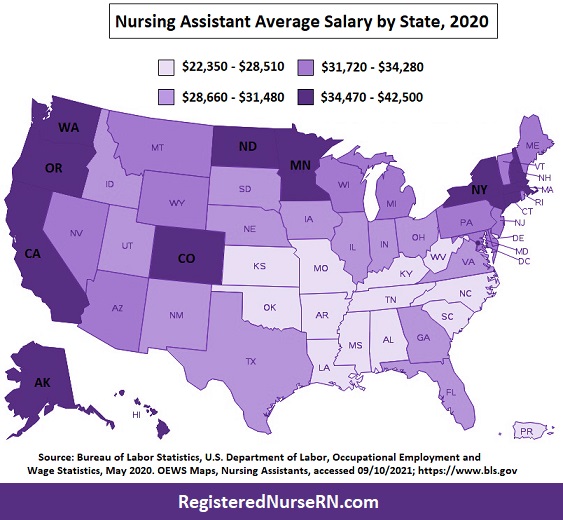
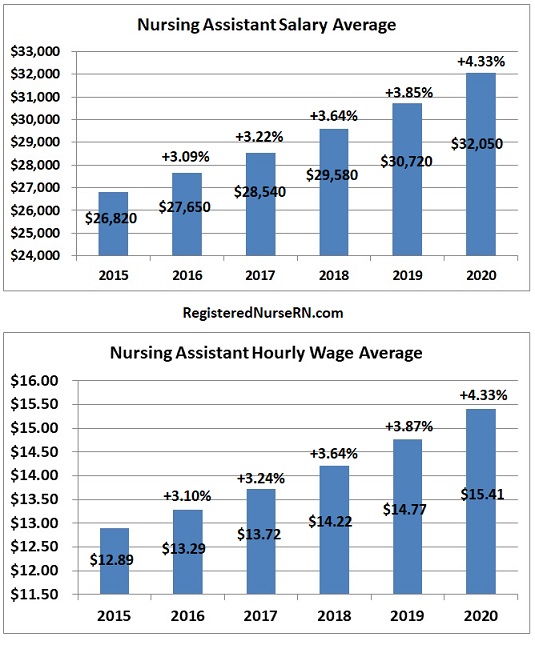
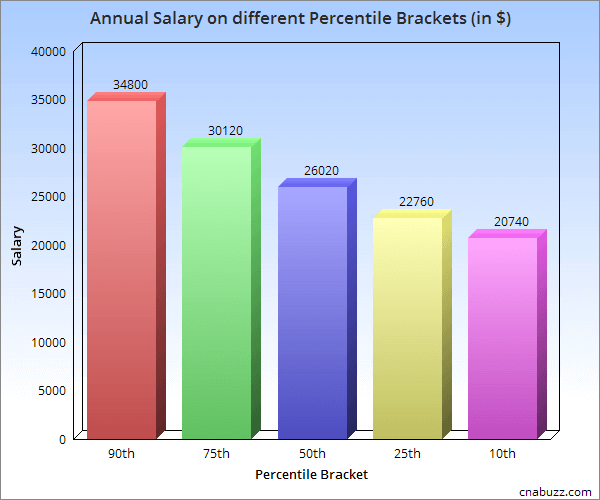
On average, Certified Nursing Assistants in Florida can expect to earn an hourly wage that typically falls between $15 and $20. This translates to a monthly income range of approximately $2,400 to $3,200, and an annual salary of roughly $29,000 to $38,000. However, these figures represent a broad average, and significant variations can be observed across different regions and employment settings. For instance, CNAs working in major metropolitan areas like Miami, Orlando, or Tampa may command higher salaries due to a greater demand and a higher cost of living compared to more rural areas.
The demand for skilled CNAs remains consistently high across the state. As Florida’s population, particularly its senior demographic, continues to grow, the need for compassionate and competent caregivers in nursing homes, assisted living facilities, hospitals, and home healthcare agencies intensifies. This sustained demand provides a degree of job security and negotiation power for CNAs.
Factors Influencing CNA Earnings
Several key elements contribute to the variance in CNA salaries within Florida:
-
Geographic Location: As mentioned, urban centers often offer more competitive compensation packages. Cities like Jacksonville, with its diverse healthcare landscape, or the affluent areas of South Florida, might see higher average pay. Conversely, CNAs in smaller towns or more remote parts of the state might earn slightly less. This aligns with broader economic principles where salaries tend to be adjusted based on local market conditions and cost of living. For travelers exploring Florida, understanding these regional salary differences can also shed light on cost-of-living adjustments they might expect if their travels involve temporary work assignments.
-
Type of Healthcare Facility: The setting in which a CNA works significantly impacts their pay.
- Hospitals: Generally, hospitals, especially larger medical centers like those affiliated with Florida Hospital (now AdventHealth) or Jackson Health System, tend to offer higher hourly wages and more comprehensive benefits packages, including health insurance and paid time off. This is often due to the complexity of care provided and the unionization presence in some hospital systems.
- Skilled Nursing Facilities (SNFs) and Long-Term Care Homes: These facilities form a substantial part of the employment landscape for CNAs. Salaries here can be competitive, but might be slightly lower than in hospitals. However, the consistent need for care in these settings provides stable employment.
- Assisted Living Facilities (ALFs): ALFs offer a less intensive level of care than SNFs. CNA salaries in ALFs can vary widely, often depending on the facility’s luxury level and the range of services offered. Some upscale resorts that also offer assisted living services might offer higher pay to attract qualified staff.
- Home Healthcare Agencies: CNAs working for home healthcare agencies often have more autonomy and can set their own hours, but their pay structure might be hourly and can sometimes be less than facility-based roles, though this varies greatly by agency and client needs.
- Private Duty/Independent Care: Some CNAs choose to work directly for individuals, offering a high degree of flexibility. Their rates are negotiated directly with clients and can be significantly higher per hour, but this also means they are responsible for their own taxes and benefits.
-
Experience and Tenure: Like most professions, a CNA’s experience level directly correlates with their earning potential. Entry-level CNAs will typically start at the lower end of the pay scale. As a CNA gains more experience, acquires additional certifications (e.g., in specialized areas like dementia care or vital signs monitoring), and demonstrates a track record of reliability and quality care, their salary can increase. Many facilities offer incremental raises based on years of service.
-
Shift Differentials and Overtime: Working less desirable shifts, such as nights, weekends, or holidays, often comes with a shift differential, meaning a higher hourly pay rate. Additionally, CNAs who work overtime are typically compensated at a higher rate, boosting their overall earnings.
-
Benefits Packages: While not always reflected in the base hourly wage, the overall compensation package is crucial. Comprehensive benefits, including health insurance, dental and vision coverage, retirement plans (like 401(k)s), paid time off, and tuition reimbursement for further education, can significantly add to the total value of a CNA’s employment. Facilities that offer robust benefits often attract and retain higher-quality staff.
Navigating Career Growth and Salary Advancement
For CNAs in Florida looking to enhance their earning potential, several avenues exist for career growth and salary advancement. Proactive steps, such as pursuing further education and certifications, gaining experience in specialized roles, and demonstrating exceptional performance, can lead to significant improvements in income.
Further Education and Certifications
One of the most direct ways to increase earning potential is by obtaining additional certifications or pursuing higher levels of education.
- Advanced Certifications: Florida offers various specialized certifications that can make a CNA more valuable to employers. These might include certifications in medication administration (where permitted by law and facility policy), wound care, CPR/Basic Life Support (BLS) instructor, or specialized training for working with specific patient populations, such as geriatrics or individuals with developmental disabilities.
- Licensed Practical Nurse (LPN): For CNAs aspiring to a more advanced role, becoming a Licensed Practical Nurse (LPN) is a natural progression. LPN programs build upon the foundational knowledge of a CNA, equipping individuals with the skills to administer medications, perform more complex treatments, and supervise CNAs. LPNs in Florida typically earn significantly more than CNAs, with average salaries often ranging from $40,000 to $55,000 annually.
- Registered Nurse (RN): The ultimate goal for many in the nursing field is to become a Registered Nurse (RN). RNs possess a broader scope of practice, including assessment, diagnosis, treatment planning, and patient education. RN salaries in Florida are considerably higher, often starting around $55,000 to $70,000 annually and increasing with experience and specialization. Many RN programs offer pathways for LPNs and even CNAs to enter, often with credit for prior learning.
Specialization and Experiential Advantages
Gaining experience in specific, high-demand areas can also lead to better compensation.
- Specialized Care Units: Working in specialized units within hospitals, such as intensive care units (ICUs), emergency departments (ERs), or oncology units, can often command higher pay due to the critical nature of the patients and the specialized skills required.
- Dementia and Alzheimer’s Care: With an aging population, the demand for CNAs skilled in caring for individuals with dementia and Alzheimer’s disease is high. Facilities that specialize in memory care often offer competitive wages for experienced CNAs in this field.
- Pediatric Care: While less common than geriatric care, some CNAs may find opportunities in pediatric settings, which can also offer specialized pay rates.
- Supervisory Roles: As CNAs gain experience, they may have opportunities to move into supervisory roles, such as lead CNA or unit supervisor, within nursing homes or assisted living facilities. These positions typically come with increased responsibilities and higher salaries.
Maximizing Income Through Other Avenues
Beyond formal education and specialization, there are other strategies to consider:
- Networking: Building a strong professional network within the Florida healthcare community can open doors to better-paying job opportunities and provide insights into salary trends. Attending industry events and connecting with peers and employers can be invaluable.
- Negotiation Skills: Developing strong negotiation skills is essential. When interviewing for a new position, or during annual reviews, being prepared to discuss your skills, experience, and value to the organization can lead to a better starting salary or a pay increase. Researching average salaries for similar roles in the specific geographic area can provide leverage.
- Considering Travel CNA Roles: While not a permanent career path for everyone, travel CNA positions can offer significantly higher pay rates, often with housing stipends or allowances. These roles require flexibility and a willingness to relocate for short-term assignments, which are plentiful in a state as popular as Florida, attracting many tourists and seasonal residents.
The Economic Outlook for CNAs in Florida
The economic outlook for Certified Nursing Assistants in Florida is generally positive, driven by a confluence of demographic trends and healthcare needs. The state’s growing and aging population, coupled with the increasing demand for accessible and affordable healthcare services, ensures a sustained need for skilled and compassionate CNAs.
Demographic Shifts and Healthcare Demand
Florida is a popular retirement destination, attracting a significant number of seniors each year. This demographic trend directly translates into a higher demand for long-term care services, including those provided by CNAs in nursing homes, assisted living facilities, and home healthcare settings. As individuals age, their need for assistance with daily living activities, personal care, and medical monitoring increases, placing CNAs at the forefront of providing essential support.
Furthermore, advancements in medical technology and treatments allow individuals to live longer, often with chronic conditions that require ongoing care. This necessitates a robust healthcare workforce, with CNAs playing a pivotal role in the continuum of care, supporting nurses and physicians in delivering comprehensive patient services.
Job Market Growth and Stability
The Bureau of Labor Statistics projects a steady growth in employment for nursing assistants nationwide, and Florida is expected to mirror this trend. The continuous demand for caregivers in various healthcare settings, from large hospital systems like the Mayo Clinic Jacksonville to smaller, specialized clinics and private residences, offers a stable job market for CNAs. This stability is a significant advantage for those seeking a secure career.
Cost of Living and Salary Adjustments
While Florida offers many lifestyle attractions, from the pristine beaches of Clearwater Beach to the vibrant entertainment of Miami Beach, the cost of living, particularly in desirable coastal areas and major metropolitan centers, can be a consideration. Salaries for CNAs, as discussed, are often adjusted to reflect these regional economic differences. It is important for CNAs to research the cost of living in their specific desired location within Florida to fully understand their purchasing power and financial well-being. Areas like Palm Beach might offer higher salaries but also come with a significantly higher cost of living compared to inland communities.
The Role of Tourism in the CNA Job Market
The robust tourism industry in Florida also indirectly impacts the CNA job market. The influx of visitors, especially during peak seasons, can strain healthcare resources and sometimes increase the demand for temporary or contract nursing staff, including CNAs. This can create opportunities for CNAs seeking short-term assignments or higher pay rates, particularly if they are willing to work in tourist-heavy areas or facilities that cater to seasonal residents. For example, a CNA might find opportunities near popular attractions like Walt Disney World or in retirement communities that experience a significant increase in occupancy during the winter months.
In conclusion, the earning potential for Certified Nursing Assistants in Florida is a dynamic figure influenced by a variety of factors. By understanding these elements and by proactively pursuing opportunities for professional development, CNAs can position themselves for financial success and a rewarding career in the Sunshine State’s vital healthcare system. Whether working in a bustling hospital in Miami, a serene assisted living facility near the Everglades, or providing home care to a resident in Tallahassee, the role of a CNA is both challenging and deeply fulfilling, with a compensation structure that offers potential for growth.
LifeOutOfTheBox is a participant in the Amazon Services LLC Associates Program, an affiliate advertising program designed to provide a means for sites to earn advertising fees by advertising and linking to Amazon.com. Amazon, the Amazon logo, AmazonSupply, and the AmazonSupply logo are trademarks of Amazon.com, Inc. or its affiliates. As an Amazon Associate we earn affiliate commissions from qualifying purchases.