
California, a state synonymous with sunshine, diverse landscapes, and iconic landmarks, often conjures images of sprawling beaches, majestic mountains, and vibrant cities. From the bustling streets of Los Angeles to the natural wonders of Yosemite National Park, visitors flock to experience its unique charm. However, when planning a trip to the Golden State, it’s natural to wonder about potential wildlife encounters, especially those that might be a cause for concern. One such creature that frequently sparks questions is the brown recluse spider. Given its venomous bite and reclusive nature, many travelers and residents alike ponder, “Are there brown recluses in California?”
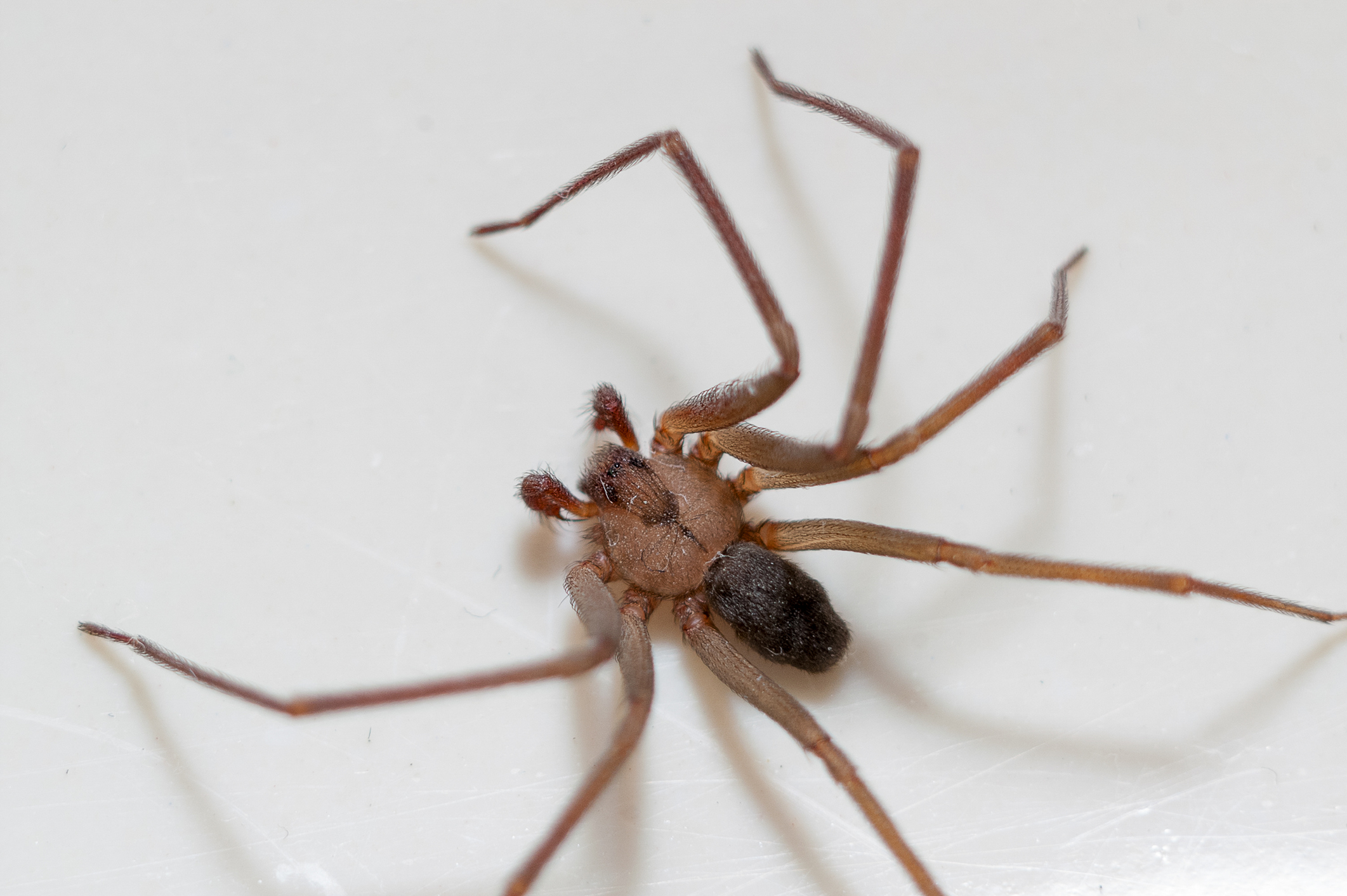
The short answer is: officially, no, native brown recluse spiders are not established in California. This is a widely accepted fact within the entomological community and a crucial piece of information for anyone concerned about encountering these arachnids. However, the nuance of this answer lies in the rare possibility of introduction and the confusion with similar-looking spiders. This article will delve into why the brown recluse is not typically found in California, discuss the spiders that are often mistaken for them, and offer practical advice for travelers and residents regarding spider encounters in the state.
Understanding the Brown Recluse Spider
To understand why the brown recluse spider is not a native Californian resident, it’s essential to know its typical habitat and preferred environmental conditions. The brown recluse spider (Loxosceles reclusa) is an arachnid found primarily in the south-central and midwestern United States. Their range traditionally extends from Texas and Oklahoma northward to Kansas and Missouri, and eastward to parts of Tennessee and Kentucky.
Several factors contribute to their limited geographical distribution:
Habitat Preferences
Brown recluse spiders thrive in dry, sheltered environments. They are nocturnal hunters and spend their days hidden in dark, undisturbed places. This often includes:
- Indoors: Clutter, attics, basements, crawl spaces, inside walls, behind furniture, in storage boxes, and in closets.
- Outdoors: Underneath rocks, logs, debris, in woodpiles, and in sheds.
They prefer areas with moderate temperatures and low humidity, which are not as prevalent across the diverse climatic zones of California. While parts of California can experience dry conditions, the specific temperature ranges and humidity levels, particularly in coastal and mountainous regions, are not ideal for the long-term establishment of brown recluse populations.
Climate Requirements
Brown recluse spiders are sensitive to extreme cold and prolonged dampness. While some areas in California can experience cooler temperatures, especially at higher elevations, the state’s overall climate, particularly in the southern regions, is generally too warm and dry for their specific needs. They are not adapted to the cooler, wetter winters found in many parts of their native range, nor the consistently high humidity of some other regions.
Lack of Natural Establishment
The primary reason for their absence is that the species has not naturally migrated or established viable breeding populations in California. Their natural dispersal mechanisms are limited, and the geographical barriers, along with the lack of suitable contiguous habitats, have prevented them from reaching the state on their own.
The Confusion: Spiders Mistaken for Brown Recluses
Despite the scientific consensus, questions about brown recluse spiders in California persist. This is largely due to misidentification. Several other common spider species found in California share some physical characteristics with the brown recluse, leading to confusion. It’s crucial to understand these look-alikes to alleviate unnecessary fear.
The “Violin” Mark: A Common Misconception
The most distinctive feature of the brown recluse spider is the dark, violin-shaped marking on its cephalothorax (the fused head and chest). The neck of the violin points towards the spider’s abdomen. However, this marking is not unique to the brown recluse, and many other spiders possess similar patterns.
Common Californian Spiders Often Mistaken for Brown Recluses
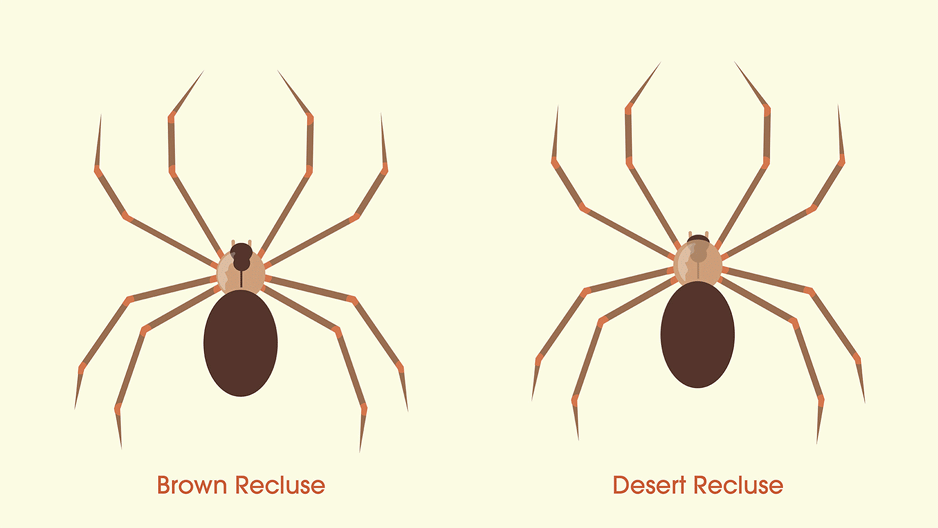
Several common species in California share some traits that lead to misidentification:
- Hobo Spiders (Eratigena agrestis): While originally from Europe, hobos have established populations in parts of the northwestern United States, including some border areas with California. They can have faint markings on their cephalothorax that some might interpret as a violin. However, hobos are funnel-web weavers, unlike the ground-dwelling recluses. Their bites are also a subject of debate regarding their medical significance, but they are distinct from brown recluse bites.
- Wolf Spiders (Lycosidae family): California is home to numerous species of wolf spiders. These are ground-dwelling hunters that do not build webs to catch prey. They are typically robust, hairy, and fast-moving. Some wolf spiders may have markings on their carapace, but they lack the distinct violin shape and, importantly, have eight eyes arranged in three rows, whereas brown recluses have six eyes arranged in three pairs.
- Parson Spiders (Herpyllus genus): These spiders are part of the ground spider family (Gnaphosidae). They are often dark with a pale, band-like marking across their thorax, which can sometimes be mistaken for the violin. However, they are generally more active hunters and do not possess the recluse’s characteristic eye arrangement or leg structure.
- False Widow Spiders (Steatoda genus): While not native, false widow spiders have become established in many parts of the world, including parts of California. Species like the noble false widow (Steatoda nobilis) are sometimes mistaken for dangerous spiders due to their dark coloration and somewhat bulbous abdomen. However, they do not have the violin marking and have a different eye arrangement. Their bites, while sometimes painful, are generally not medically significant in the way a true recluse bite can be.
- Cellar Spiders (Pholcidae family): Often found in homes, cellar spiders are known for their extremely long, thin legs and small bodies. They are harmless and are often confused with other spiders due to their presence indoors. They are completely different in appearance and behavior from brown recluse spiders.
Key Distinguishing Features of the Brown Recluse
To confidently identify a brown recluse spider, entomologists look for a combination of features:
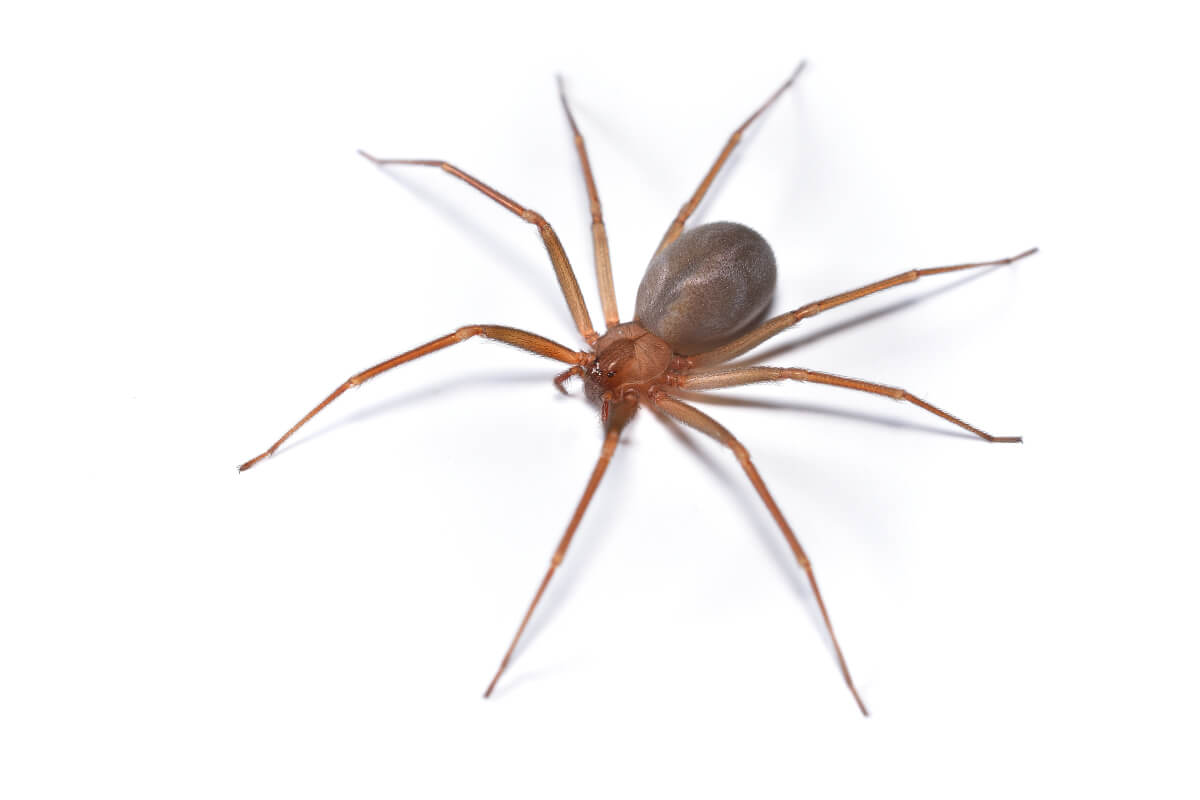
- Six Eyes: This is a definitive characteristic. Brown recluse spiders have six eyes arranged in three pairs (dyads) in a semicircle on the front of their head. Most other spiders have eight eyes.
- Uniform Coloration: While they are called “brown recluse,” their coloration can vary from tan to dark brown. They typically lack prominent stripes or other complex markings on their legs or abdomen, with the exception of the faint violin shape on their cephalothorax.
- Smooth, Hairless Appearance: Their legs and body appear relatively smooth and free of significant hairs or spines.
- Body Shape: They have a relatively flattened body, which allows them to hide in tight crevices.
Traveling to and Living in California: Spider Safety
Given that brown recluse spiders are not native to California, the risk of encountering one is exceptionally low. This should provide significant peace of mind for travelers planning their California adventures, whether they are staying in luxurious resorts, charming boutique hotels, or seeking budget-friendly accommodation.
Understanding Local Arachnids
California does have its share of native spiders, and while most are harmless and play a vital role in the ecosystem, some can deliver bites that may cause discomfort or localized reactions. The most commonly discussed venomous spider in California is the western black widow spider (Latrodectus hesperus).
The Western Black Widow Spider
The western black widow spider is indeed found throughout California. These spiders are characterized by their shiny black bodies and the distinctive red or orange hourglass marking on the underside of their abdomen. They prefer secluded, dark, and undisturbed areas, often building irregular webs in:
- Woodpiles
- Sheds
- Garages
- Under eaves
- Outdoor furniture
- Meter boxes
- Unused containers
While a bite from a black widow spider can be medically significant and cause symptoms like muscle pain, cramping, nausea, and sweating, they are generally not aggressive and will only bite if they feel threatened or are accidentally provoked. Bites are relatively rare, and fatalities are extremely uncommon, especially with prompt medical attention.
Practical Tips for Spider Encounters in California
For travelers and residents in California, the focus should be on general spider safety and being aware of the species that are present, rather than worrying about the absent brown recluse.
- Inspect Your Surroundings: When staying in hotels, apartments, or any form of accommodation, it’s always a good practice to briefly check areas like closets, behind furniture, and under beds for any signs of spider activity, especially if you’re in a more natural or rustic setting.
- Be Cautious Outdoors: When exploring California’s diverse natural landscapes, from hiking trails in the Sierra Nevada to exploring botanical gardens, be mindful of where you place your hands and feet. Avoid reaching into dark crevices or piles of debris without looking first.
- Shake Out Clothes and Shoes: If you’re staying in or visiting areas known for spiders (like rural settings or cabins), it’s wise to shake out clothing and shoes before putting them on, especially if they’ve been left on the floor or outdoors.
- Seal Entry Points: In your accommodation, if you notice spiders entering, try to identify and seal any cracks or openings in screens, windows, and doors.
- Identify with Caution: If you do see a spider and are concerned, try to take a clear photo without getting too close. Many local extension offices or online entomology resources can help with identification. Remember the key features of the brown recluse (six eyes, distinct violin) and compare them to what you see.
- Seek Medical Attention If Bitten: If you or someone you know is bitten by a spider and experiences concerning symptoms, seek medical attention promptly. Inform the healthcare provider about the circumstances of the bite and try to describe or capture the spider if it is safe to do so for identification purposes.
Conclusion: Peace of Mind for Your California Adventures
In summary, for those wondering, “Are there brown recluses in California?”, the answer remains a confident “no” regarding established native populations. While the theoretical possibility of an individual spider being accidentally transported into the state exists, it is an exceedingly rare occurrence and does not constitute a breeding population. The spiders that are commonly found in California and might bear superficial resemblances are distinct species, most notably the western black widow spider, which does require awareness due to its venom.
By understanding the habitat and characteristics of the brown recluse spider and familiarizing yourself with the spiders that are native to California, you can travel and live in the Golden State with greater peace of mind. Enjoy the vast array of attractions, from the iconic Golden Gate Bridge to the sun-drenched shores of Southern California, without undue concern about this particular arachnid. Focus on enjoying the natural beauty and vibrant culture that California has to offer!
LifeOutOfTheBox is a participant in the Amazon Services LLC Associates Program, an affiliate advertising program designed to provide a means for sites to earn advertising fees by advertising and linking to Amazon.com. Amazon, the Amazon logo, AmazonSupply, and the AmazonSupply logo are trademarks of Amazon.com, Inc. or its affiliates. As an Amazon Associate we earn affiliate commissions from qualifying purchases.