
The allure of Las Vegas, a city synonymous with glittering lights, world-class entertainment, and unparalleled nightlife, draws millions of visitors annually. For many, the journey begins in the bustling metropolis of New York City. Understanding the flight duration between these two iconic destinations is a crucial piece of information for anyone planning a trip, whether for a spontaneous weekend getaway or a meticulously planned vacation.
The primary factor determining the flight time from New York City to Las Vegas is whether the flight is non-stop or has one or more layovers. Generally, a non-stop flight offers the quickest route, allowing travelers to reach their destination with minimal interruption. However, flights with layovers, while potentially longer in duration, can sometimes offer more affordable ticket prices, making them an attractive option for budget-conscious travelers.
Non-Stop Flights: The Swift Path to the Entertainment Capital
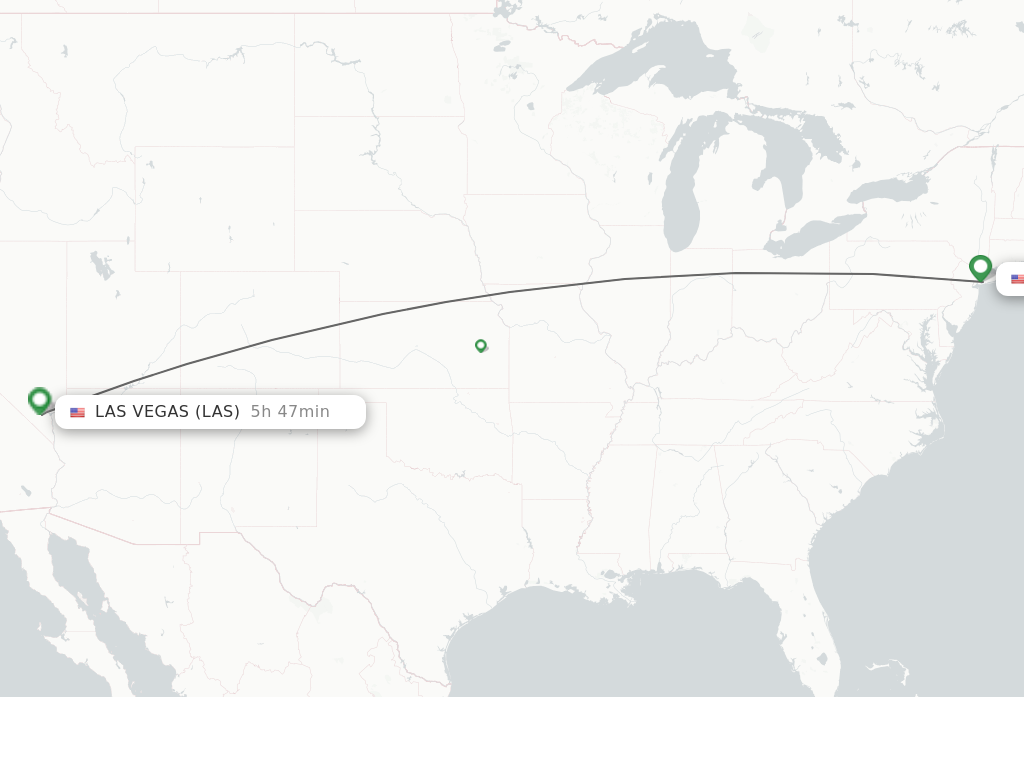
When considering the flight from New York City to Las Vegas, non-stop flights are the most sought-after for their efficiency. These direct services bypass the need for intermediate stops, allowing passengers to experience the shortest possible travel time.
Typical Duration of Non-Stop Flights
On average, a non-stop flight from New York City to Las Vegas takes approximately 5 to 6 hours. This duration can fluctuate slightly based on several factors, including prevailing wind conditions, the specific aircraft being used, and the exact departure and arrival airports within the metropolitan areas.
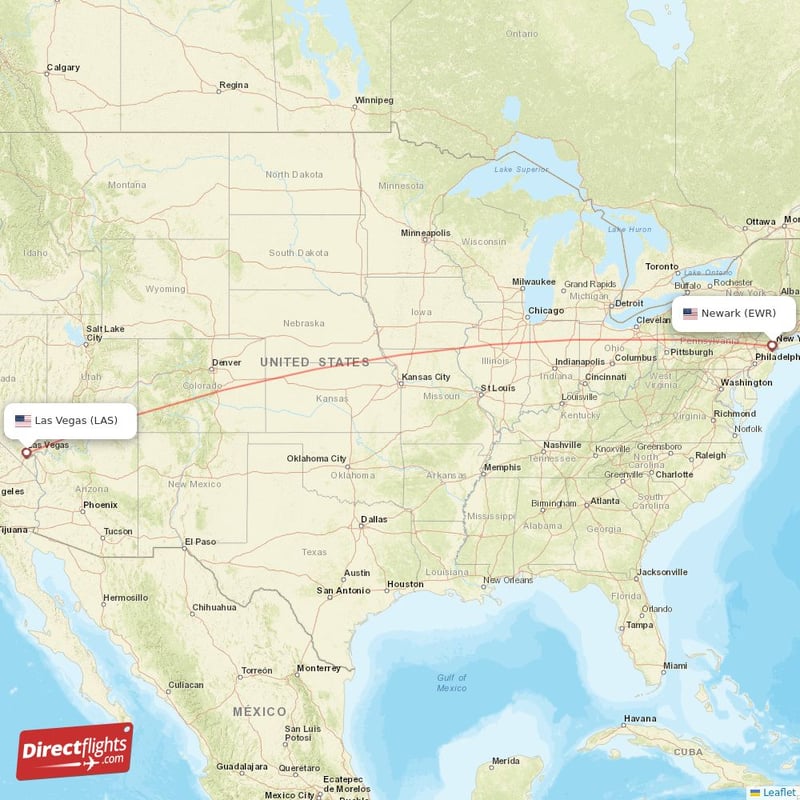
Major airports serving New York City include John F. Kennedy International Airport (JFK), LaGuardia Airport (LGA), and Newark Liberty International Airport (EWR). In Las Vegas, the primary gateway is Harry Reid International Airport (LAS), formerly known as McCarran International Airport. While most non-stop flights will operate from JFK or EWR to LAS, it’s always wise to check the specific flight details when booking.
Airlines such as Delta Air Lines, American Airlines, and United Airlines typically offer non-stop services on this route. The slight variations in flight time can be attributed to air traffic control patterns, flight path optimization, and even the specific cruising altitude maintained by the aircraft. For instance, flights departing from the East Coast and heading west often benefit from prevailing tailwinds, which can slightly reduce the flight duration. Conversely, headwinds can marginally increase the time spent in the air.
When booking your flight, always pay close attention to the scheduled departure and arrival times. While the average flight time is around 5.5 hours, the total travel experience will also involve time spent at the airport for check-in, security, and boarding, as well as deplaning and collecting baggage upon arrival in Las Vegas. Therefore, it’s prudent to factor in additional time for these pre- and post-flight activities.
Factors Influencing Non-Stop Flight Time
Several elements contribute to the precise duration of a non-stop flight from New York City to Las Vegas.
Headwinds and Tailwinds
The most significant meteorological factor influencing flight duration is the presence of headwinds or tailwinds. Airplanes travel through the atmosphere, and their speed relative to the ground is affected by the air’s movement. A headwind is a wind blowing in the opposite direction of the aircraft’s flight, which slows it down and increases the flight time. Conversely, a tailwind blows in the same direction as the aircraft, increasing its ground speed and reducing the flight time. The jet stream, a powerful high-altitude air current, plays a substantial role in this phenomenon. Flying west from New York City to Las Vegas often means flying against a portion of the jet stream, while the return journey eastward can benefit from it.
Aircraft Type and Performance
Different aircraft models have varying cruising speeds and fuel efficiency. Larger, more modern jets might have slightly different optimal cruising speeds compared to older models. While the difference is usually marginal for this specific route, it can contribute to slight variations in flight duration. Airlines also optimize their flight plans based on aircraft performance and efficiency.
Air Traffic Control and Flight Paths
Air traffic control (ATC) plays a critical role in managing the airspace and ensuring safe flight operations. ATC may direct aircraft along specific routes or at certain altitudes to maintain separation from other flights and to manage congestion. These assigned flight paths, which can sometimes deviate from the most direct geographical route, can influence the total distance flown and, consequently, the flight time. Additionally, during peak travel times, ATC might impose speed restrictions or hold patterns, adding to the overall travel duration.
Departure and Arrival Airport Operations
The efficiency of operations at both the departure airport in New York City and the arrival airport in Las Vegas can also have a minor impact. Congestion at taxiways, gate availability, and the speed of deplaning can all contribute to the total time spent from wheels-up to reaching the gate. However, these are generally considered part of the airport experience rather than the in-air flight duration.
Flights with Layovers: Balancing Cost and Time
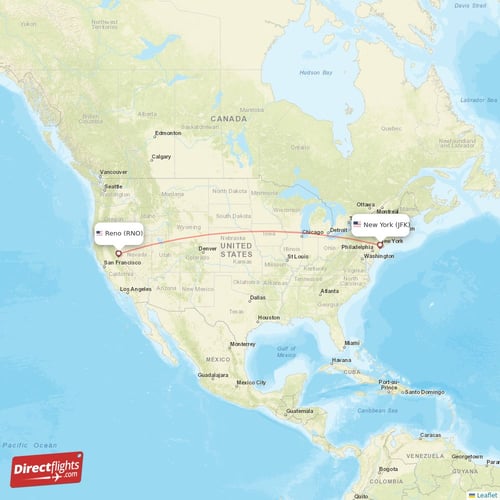
For travelers prioritizing cost savings over the fastest possible journey, flights with one or more layovers present a viable alternative. These flights break up the journey into segments, typically involving a stop in a connecting city before continuing to Las Vegas.
Average Duration of Flights with Layovers
The total travel time for flights with layovers from New York City to Las Vegas can vary significantly. This duration is a combination of the flight time for each segment and the layover period at the connecting airport. Generally, you can expect total travel times to range from 8 hours to 12 hours or even longer, depending on the length of the layover and the specific connecting city.
Common layover cities for this route might include places like Denver, Chicago, or other major airline hubs. The duration of the layover itself can be as short as an hour or as long as several hours, depending on the airline’s schedule and the available connections.
When considering a flight with a layover, it’s essential to meticulously examine the entire itinerary. The advertised “total travel time” provided by airlines accounts for both flight segments and the layover. While these flights may take longer, they often come with a lower price tag, making them a popular choice for those on a tighter budget. It’s also worth noting that some travelers might strategically choose a layover in a city they wish to explore briefly, turning a long journey into a multi-destination trip.
Strategies for Choosing Flights with Layovers
When opting for a flight with layovers, careful planning can optimize the travel experience.
Choosing the Right Layover City
The choice of layover city can influence the overall experience. Some airports are known for their efficient connections and ample amenities, making a shorter layover more manageable. Others might be larger and more complex, requiring more time to navigate. Consider the comfort and convenience of the layover airport. For example, airports like Denver International Airport offer a good balance of services.
Optimizing Layover Duration
The length of the layover is a critical factor. A very short layover increases the risk of missing a connection if the first flight is delayed. A very long layover can lead to fatigue and extended travel time. Aim for a layover that provides sufficient time to comfortably make your connection without being excessively long, unless you intentionally plan to explore the layover city. Many airlines offer tools to help you find flights with optimal layover durations.
Considering the Total Travel Package
When comparing flights with layovers, look at the total travel package. This includes not only the flight duration and cost but also the airline’s reputation, baggage allowances, and in-flight services. Sometimes, a slightly more expensive flight with a more convenient layover or better amenities might be worth the additional cost. Remember to factor in the potential for delays, especially during peak travel seasons.
Beyond the Flight: Arriving in Las Vegas
Once your flight touches down in Las Vegas, your adventure truly begins. The flight duration, whether short and direct or longer with layovers, is merely the prelude to the vibrant experiences awaiting you.
Transportation from Harry Reid International Airport
Harry Reid International Airport (LAS) is conveniently located just a few miles southeast of the famous Las Vegas Strip. A variety of transportation options are available to whisk you away to your hotel or resort. Taxis and ride-sharing services like Uber and Lyft are readily available at designated pick-up zones. Rental car facilities are also present for those who prefer to have their own transportation during their stay. For a more budget-friendly option, shuttle services can transport you to various hotels along the Strip and downtown areas.
Exploring Las Vegas
The flight duration you experienced is a small price to pay for the incredible array of attractions that Las Vegas offers. From the iconic hotels and casinos like the Bellagio with its mesmerizing fountains and the Caesars Palace with its Roman-inspired grandeur, to the dazzling shows and culinary delights, there is something for everyone. You can explore the unique architecture of various resorts, try your luck at the tables, indulge in world-class dining, or simply soak in the electric atmosphere of this unique desert oasis. Whether you’re staying at a luxurious suite in the Wynn Las Vegas or a more budget-friendly accommodation, the entertainment possibilities are endless. Don’t forget to venture beyond the Strip to discover local culture, perhaps visiting the Neon Museum for a glimpse into the city’s history, or taking a day trip to the magnificent Grand Canyon or the stark beauty of Death Valley National Park. Your journey from New York City to Las Vegas is the first step into a memorable travel experience.
LifeOutOfTheBox is a participant in the Amazon Services LLC Associates Program, an affiliate advertising program designed to provide a means for sites to earn advertising fees by advertising and linking to Amazon.com. Amazon, the Amazon logo, AmazonSupply, and the AmazonSupply logo are trademarks of Amazon.com, Inc. or its affiliates. As an Amazon Associate we earn affiliate commissions from qualifying purchases.