
California, often referred to as the Golden State, is a dream destination for travelers worldwide, boasting an incredible diversity of landscapes from sun-kissed beaches and vibrant cities to majestic mountains and serene deserts. Whether you’re planning a scenic drive along the Pacific Coast Highway, exploring the vineyards of Napa Valley, or embarking on an epic adventure through its world-renowned National Parks like Yosemite or Death Valley, a significant part of the California experience often involves hitting the open road. However, for many visitors and residents alike, the cost of fuel can be a considerable factor in their travel budget. California consistently ranks among the states with the highest gas prices in the United States, and a major contributor to this is the state’s intricate and substantial gas tax structure.
Understanding the various components of California’s gas tax is crucial for anyone planning a trip, considering a move, or simply curious about the economics behind their fuel purchases. This article delves into the specifics of how much the California gas tax is, what makes it so high, and how these costs can impact your travel and lifestyle choices within the state. From budgeting for a family vacation to deciding on your preferred mode of transportation, the gas tax plays an often-underestimated role in the overall cost of experiencing all that California has to offer. By breaking down the levies and fees, and offering practical advice tailored to various travel styles and needs, we aim to provide a comprehensive guide that helps you navigate the roads of the Golden State more wisely.
Understanding California’s Fuel Levies: A Traveler’s Perspective
For any traveler embarking on a quintessential California road trip, or even just commuting within its sprawling cities like Los Angeles or San Francisco, the price at the pump is an undeniable reality. California’s unique blend of environmental policies, infrastructure needs, and a large population contributes to a gas tax structure that is more complex and, consequently, higher than in many other states. This isn’t just a simple excise tax; it’s a multi-layered system designed to fund everything from highway maintenance to public transit and environmental initiatives.
The Core Components of Gas Tax in the Golden State
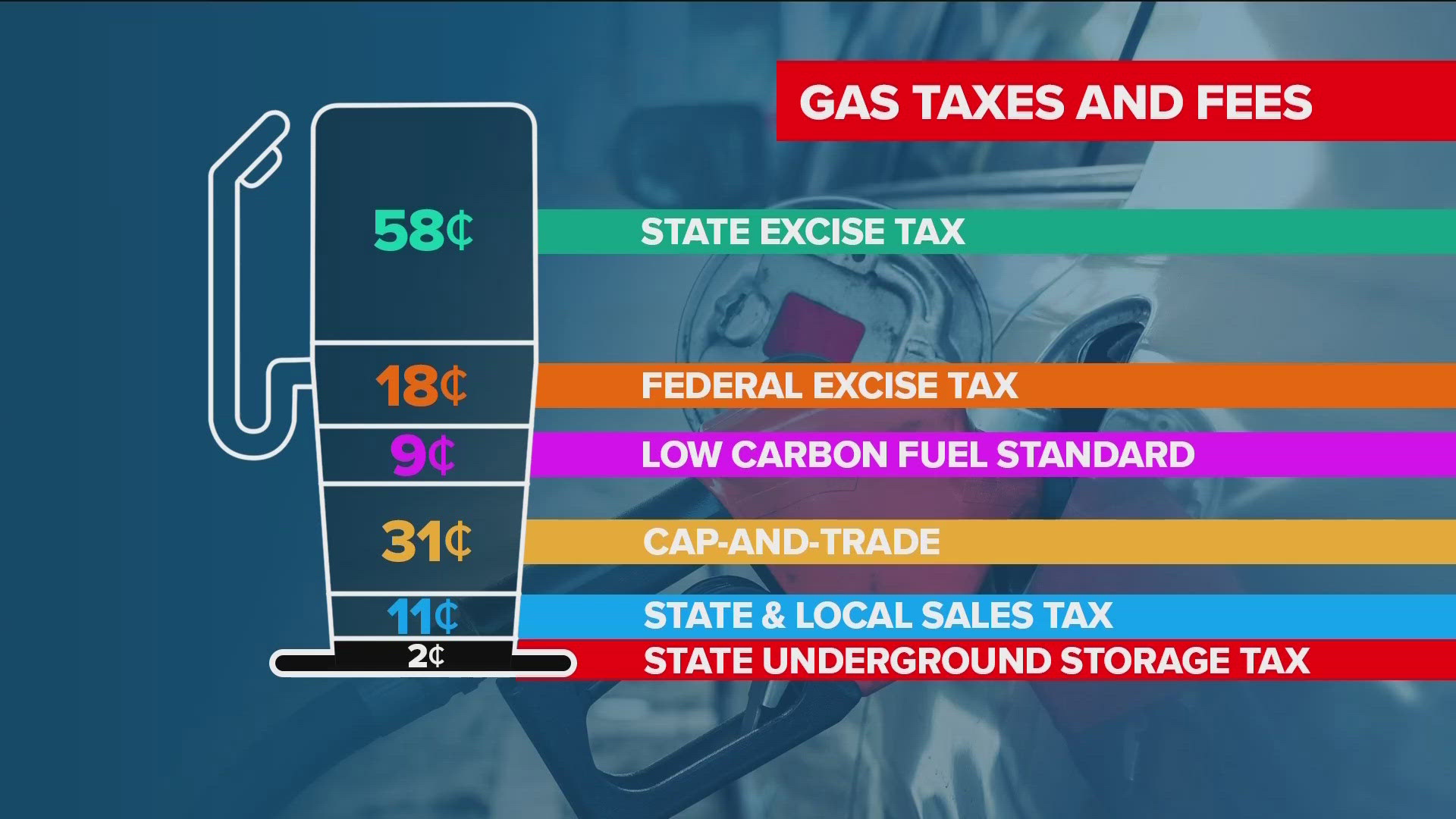
The gas tax in California is not a single, flat fee but rather an amalgamation of several distinct taxes and fees. As of late 2023 and early 2024, the primary components typically include:
- State Excise Tax: This is the largest component of the gas tax. It is a per-gallon tax levied on gasoline and diesel fuel. California has one of the highest state excise taxes in the nation, frequently adjusted for inflation. As of July 1, 2023, the excise tax on gasoline increased to approximately 57.9 cents per gallon. This tax is primarily earmarked for transportation projects, including road repairs, bridge maintenance, and public transportation improvements, which are vital for tourists and residents alike navigating the state’s vast network of roads.
- Sales Tax: Unlike many other states that exempt gasoline from sales tax, California applies a portion of its sales tax rate to the average statewide price of gasoline. This adds several cents per gallon, varying with the fluctuating price of crude oil and the base sales tax rate.
- Cap-and-Trade Program: As part of California’s efforts to combat climate change, fuel distributors must purchase allowances under the state’s cap-and-trade program for greenhouse gas emissions. The cost of these allowances is passed on to consumers at the pump, adding an additional charge per gallon. This component fluctuates based on market prices for carbon credits but typically adds a significant amount to the per-gallon cost.
- Underground Storage Tank Fee (UST Fee): This fee, a few cents per gallon, funds a program to prevent and clean up leaks from underground petroleum storage tanks, protecting the state’s groundwater resources. While seemingly small, it’s another layer contributing to the overall price.
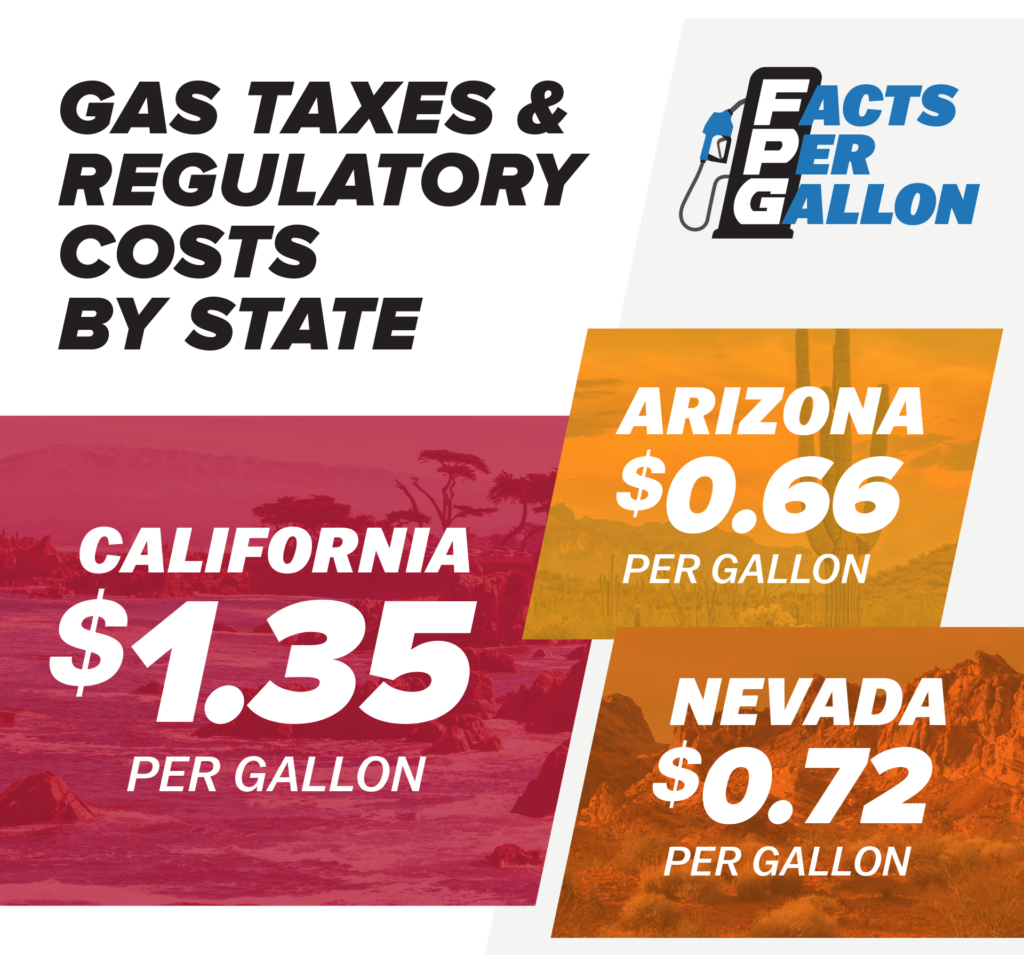
When all these components are combined, along with federal excise taxes (currently 18.4 cents per gallon for gasoline) and local sales taxes that can vary by county or city, it becomes clear why pump prices in California are often well above the national average. These taxes are not just numbers on a receipt; they represent the state’s commitment to maintaining its infrastructure, protecting its environment, and funding essential services that, directly or indirectly, enhance the travel experience.
Why California’s Gas Prices Stand Out
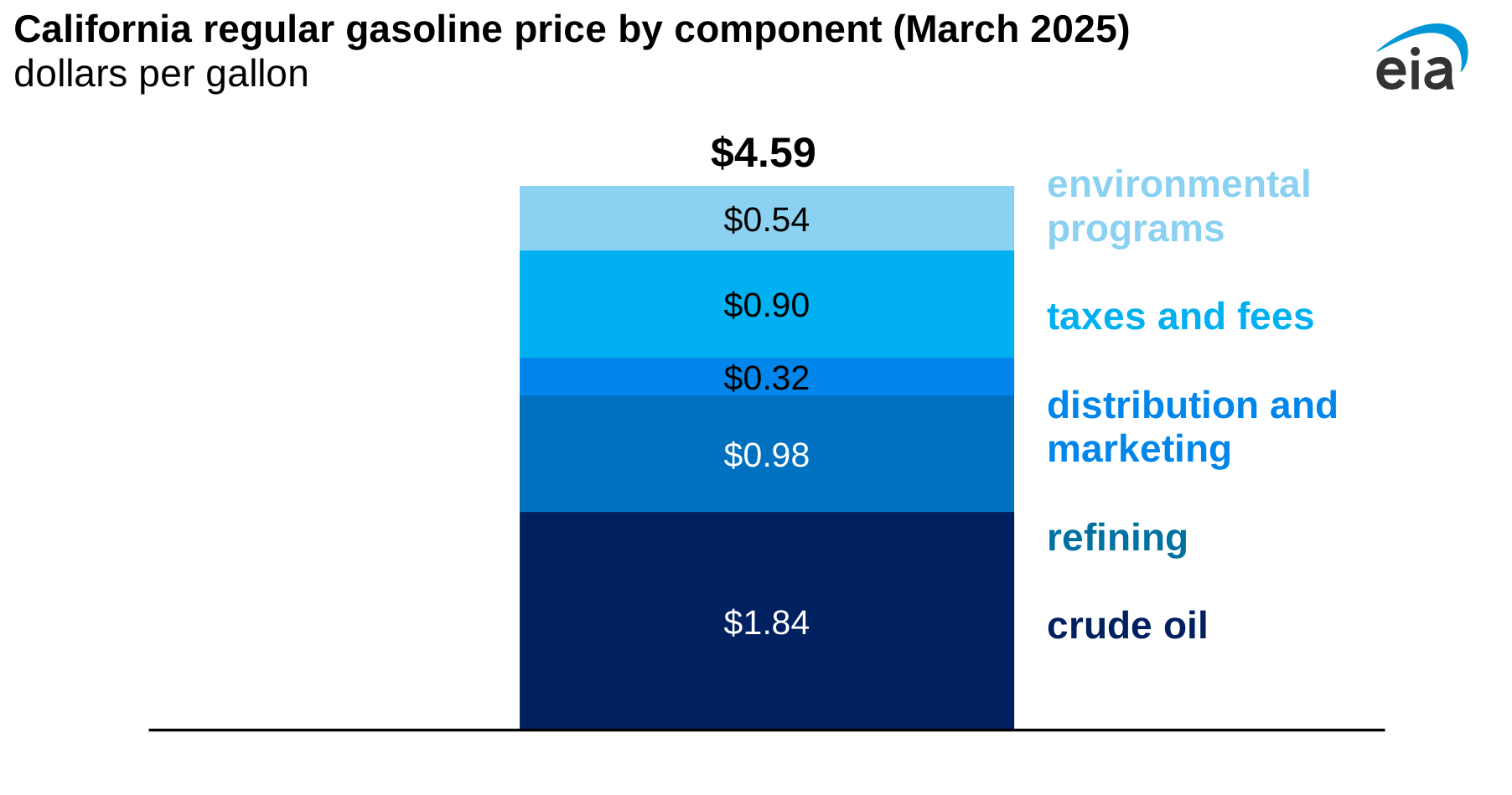
Beyond the multi-layered tax system, several other factors contribute to California’s notably high gas prices. Its unique blend of regulations and geographical isolation from major refining hubs means that gas here isn’t just taxed more, but it also costs more to produce and distribute.
Firstly, environmental regulations mandate a specific “summer-blend” gasoline in California to reduce smog, which is more expensive to refine than the standard blends used in other states. This specialized formulation limits the supply to refineries within the state or those specifically equipped to produce it, making the market less flexible to external supply shocks.
Secondly, limited refining capacity within the state means that any disruption, such as a refinery outage due to maintenance or unexpected issues, can disproportionately impact supply and prices. California is somewhat isolated from the national pipeline network, limiting its ability to import refined gasoline cheaply from other regions when local supply dwindles.
Finally, the high cost of living and doing business in California also affects gas station operating costs, from real estate to labor, which are then factored into the retail price. This combination of high taxes, stringent environmental standards, and market dynamics creates a price environment that truly stands out.
Impact on Road Trips and Exploration
For travelers dreaming of iconic California road trips, such as cruising down Highway 1 from San Francisco to San Diego, exploring the vastness of Joshua Tree National Park, or venturing into the towering forests of Redwood National Park, gas prices are a critical budgeting consideration. The total fuel cost for a multi-day, multi-hundred-mile journey across California can easily run into hundreds of dollars, potentially equaling the cost of several nights of accommodation or a significant portion of a travel budget. This impact can steer travelers towards more fuel-efficient rental cars, compel them to plan their routes more meticulously to avoid excessive detours, or even influence their choice of destination if certain remote areas require extensive driving. Understanding these costs upfront allows for more realistic planning and ensures that the scenic beauty of California can be enjoyed without financial stress.
Navigating California’s Diverse Landscapes: Gas Tax and Your Travel Budget
California’s allure lies in its boundless opportunities for adventure, from the glitz of Hollywood to the natural splendor of Lake Tahoe. Yet, for every traveler, managing the budget is a key aspect of a successful trip. The state’s substantial gas tax, combined with its unique market dynamics, necessitates careful consideration when planning how to traverse its diverse landscapes.
Budgeting for Your California Adventure
Effective budgeting is paramount when traveling through California, especially when driving is your primary mode of transport. Here are some strategic considerations:
- Consider Rental Car Fuel Efficiency: When booking a rental car, prioritize fuel-efficient models. Opting for a compact sedan or a hybrid over a large SUV, if your luggage and passenger needs permit, can lead to significant savings over the course of a long trip. Researching the MPG (miles per gallon) of various models and doing a quick calculation based on your estimated mileage can help you make an informed decision.
- Planning Routes to Minimize Driving: While spontaneous detours are part of the adventure, having a well-planned itinerary can reduce unnecessary mileage. Grouping attractions that are geographically close, choosing direct routes where possible, and utilizing mapping apps that show gas prices along your route can help you save both time and money. For instance, if you’re exploring Southern California, try to visit Disneyland and Knott’s Berry Farm on consecutive days to reduce back-and-forth travel.
- Using Public Transport in Major Cities: In metropolitan areas like Los Angeles, San Francisco, and San Diego, public transportation can be a cost-effective alternative to driving. San Francisco’s BART and Muni systems, and Los Angeles’s extensive Metro lines, offer access to many major attractions, reducing both gas expenses and the often-exorbitant parking fees. This strategy also enhances the travel experience by allowing you to immerse yourself in the local culture.
- Impact on Accommodation Choices: High gas prices can influence where you choose to stay. Opting for hotels or accommodations closer to your primary attractions, or with easy access to public transport, might initially seem more expensive but could save you considerably on fuel and parking over your trip. For example, staying in Santa Monica might be pricier than further inland, but its walkability and access to beaches and dining could offset daily driving costs if your main interest is the coastal experience.
The Lifestyle of Driving: From Luxury to Budget Travel
The gas tax doesn’t discriminate, but its impact is certainly felt differently across various travel lifestyles.
- Luxury Travelers: While the individual cost of gas may be less of a concern for luxury travelers, the overall convenience and seamlessness of their journey can still be affected. They might opt for premium EVs (electric vehicles) or chauffeured services to mitigate direct fuel costs or simply absorb the expense as part of their high-end experience, perhaps factoring it into the cost of staying at a luxury resort in Beverly Hills or Palm Springs.
- Budget Travelers: For those on a tight budget, every dollar counts. Gas expenses can be a make-or-break factor. Meticulous planning becomes essential, possibly involving more self-catering to save on food, choosing hostels or budget hotels, and prioritizing attractions that minimize travel distance. Budget travel in California often means maximizing efficiency and leveraging every available saving.
- Family Trips: Families often require larger vehicles, which tend to be less fuel-efficient. The cumulative effect of high gas prices on a long family road trip, perhaps to Disneyland Resort in Anaheim or a cabin near Yosemite, can significantly inflate the total vacation cost. Strategies like carpooling, packing snacks to reduce stops, and choosing destinations with concentrated activities become even more vital.
The Role of Gas Tax in Maintaining California’s Infrastructure
While the high cost of gas can be a pain point, it’s important to recognize that a significant portion of these taxes directly funds the maintenance and improvement of California’s extensive transportation infrastructure. The state’s roads, bridges, and public transit systems are under constant strain from heavy usage, diverse climates, and seismic activity. The funds generated by the gas tax, particularly the state excise tax, are crucial for:
- Road and Bridge Repair: Filling potholes, repaving highways, and retrofitting bridges are ongoing, expensive necessities. Without these funds, the quality of roads would deteriorate, making travel less safe and less enjoyable for everyone.
- Public Transportation: A portion of the gas tax supports local and regional public transit agencies, helping to expand and maintain bus, light rail, and subway networks in cities like San Jose, Oakland, and Sacramento. This provides viable alternatives to driving, especially for those who wish to avoid gas costs or city traffic.
- Environmental Protection: The cap-and-trade component and the UST fee demonstrate California’s commitment to environmental stewardship, protecting air quality and natural resources that are themselves tourist attractions.
In essence, while you feel the pinch at the pump, you also benefit from the investment in smoother roads, safer bridges, and more accessible public transport options, all of which enhance the overall travel experience in California.
Beyond the Pump: The Broader Implications for California Tourism
The California gas tax has ripple effects that extend far beyond the immediate cost of filling up your tank. It shapes decisions about transportation, influences the sustainability of local tourism, and even plays a subtle role in the preservation and accessibility of the state’s iconic landmarks. Understanding these broader implications provides a more holistic view of why the gas tax is structured as it is and how it impacts the very fabric of California’s vibrant travel and lifestyle ecosystem.
Sustaining California’s Iconic Attractions
It might not be immediately obvious, but the gas tax contributes indirectly to the sustained beauty and accessibility of California’s numerous landmarks and natural wonders. The improved infrastructure funded by these taxes ensures that roads leading to Muir Woods National Monument, scenic overlooks in Big Sur, or the entrance to Sequoia National Park remain well-maintained and safe. This accessibility is crucial for tourism, allowing millions to visit and experience these cherished sites.
Furthermore, by funding environmental initiatives, particularly through the cap-and-trade program, the gas tax helps maintain the pristine conditions of California’s natural parks and coastal areas, which are themselves major tourist draws. Cleaner air and protected ecosystems are not just good for residents; they are fundamental to preserving the very attractions that draw visitors from across the globe. From the beaches of Santa Cruz to the Sierra Nevada mountains, the quality of these environments directly enhances the visitor experience.
Choosing Your Mode of Transport: EVs, Ride-Shares, and Public Transit
The high cost of gasoline in California acts as a strong incentive for both residents and visitors to explore alternative modes of transportation. This push towards diversification has significant implications for tourism.
- The Rise of Electric Vehicles (EVs): California is a leader in EV adoption, driven partly by environmental consciousness and partly by the desire to avoid high fuel costs. For travelers, renting an EV for their California adventure is becoming an increasingly attractive option, especially with the expanding network of charging stations along major highways and in urban centers. While EVs still incur charging costs, they eliminate gas taxes entirely and often benefit from lower per-mile energy expenses. This shift also encourages hotels and attractions to install charging infrastructure, adding another amenity for visitors.
- Ride-Sharing Services: In bustling urban centers like San Francisco and Los Angeles, ride-sharing platforms offer a convenient alternative to renting a car or driving your own. While indirectly incorporating fuel costs into their pricing, these services eliminate the direct burden of gas tax for the passenger, along with parking fees and the stress of navigating unfamiliar streets. This makes them a popular choice for tourists exploring city sights such as Universal Studios Hollywood or the California Academy of Sciences.
- California’s Public Transportation Networks: Investing in and utilizing robust public transport systems is another way to circumvent the gas tax. Cities like San Francisco with its iconic cable cars, BART, and Muni system, or Los Angeles with its growing Metro network, offer comprehensive coverage to many key attractions. Tourists can hop on a bus to Santa Monica Pier, take the BART to Berkeley, or ride a ferry to Alcatraz Island from Fisherman’s Wharf, experiencing the city without the worry of fuel prices or parking.
Planning Your Stay: Hotels and Accommodation Strategies
The gas tax and associated driving costs can subtly yet significantly influence decisions regarding accommodation.
- Proximity to Attractions: Travelers might prioritize hotels or vacation rentals that are within walking distance or a short public transport ride from their main points of interest. This strategy minimizes daily driving, thus reducing gas expenses and parking fees. For instance, staying in a hotel near Union Square in San Francisco or close to the beach in San Diego might come with a higher nightly rate but could offer overall savings when factoring in transportation.
- Hotels with Charging Amenities: With the rise of EVs, hotels offering on-site charging stations are becoming more attractive to environmentally conscious travelers or those looking to save on fuel. This amenity can be a deciding factor for guests planning an EV road trip through regions like the San Joaquin Valley or Silicon Valley.
- Impact on Longer Stays: For those considering extended stays or long-term accommodation, the cumulative cost of gas can become substantial. This might lead individuals to seek out areas with more robust public transit, or to base themselves in a central location from which they can take occasional, rather than daily, driving excursions.
In conclusion, the California gas tax is more than just an added cost; it’s an integral part of the state’s economic and environmental policy, influencing how travelers experience its vast and varied offerings. While it may require more diligent budgeting and planning for road trips, understanding its components and implications allows for smarter choices in transportation and accommodation, ultimately enriching the overall journey through the Golden State. From the iconic span of the Golden Gate Bridge to the tranquil groves of giant sequoias, the infrastructure and environmental quality sustained by these taxes contribute directly to the unparalleled travel experiences California provides.
LifeOutOfTheBox is a participant in the Amazon Services LLC Associates Program, an affiliate advertising program designed to provide a means for sites to earn advertising fees by advertising and linking to Amazon.com. Amazon, the Amazon logo, AmazonSupply, and the AmazonSupply logo are trademarks of Amazon.com, Inc. or its affiliates. As an Amazon Associate we earn affiliate commissions from qualifying purchases.