
The sprawling metropolis of Los Angeles, often synonymous with sunshine, Hollywood glamour, and palm-lined beaches, might not be the first place that springs to mind when discussing snowfall. Yet, the question of when it last snowed in this famously temperate city isn’t as outlandish as it might seem. While significant snow events are exceedingly rare in the immediate urban core, the greater Los Angeles County has experienced snowfall, often more dramatically in its surrounding mountain ranges. Understanding these events requires a nuanced look at climate, geography, and the specific definitions of “snow in Los Angeles.”
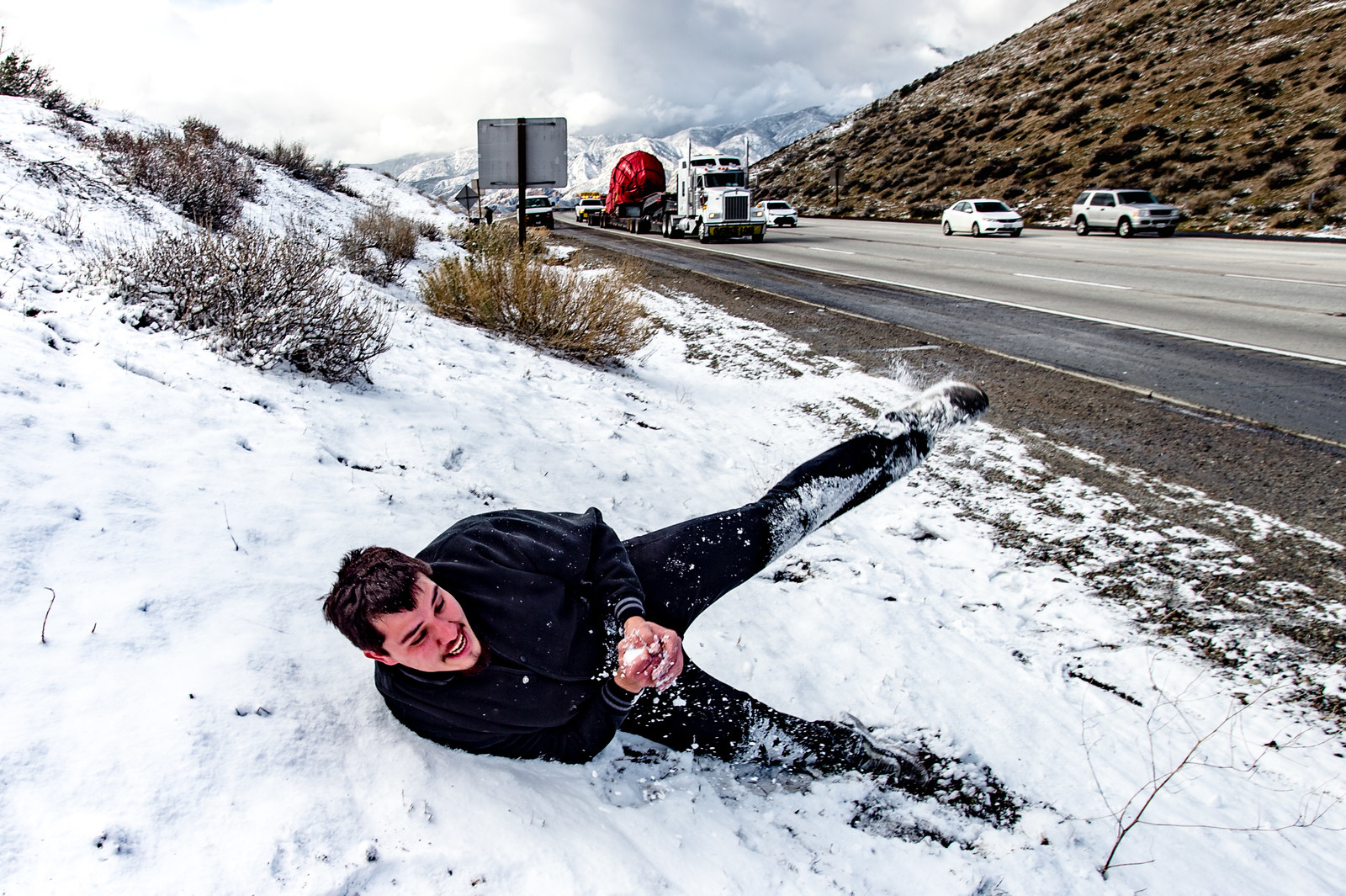
The city of Los Angeles itself, particularly the coastal and valley regions, rarely sees snow fall at ground level. The prevailing weather patterns, influenced by the Pacific Ocean, tend to keep temperatures mild year-round. However, the vastness of Los Angeles County extends to high elevations, where a completely different climate prevails. These mountainous areas, including ranges like the San Gabriel Mountains and San Bernardino Mountains, are prone to significant snowfall during winter months. When residents of the lowlands refer to snow, they are often either experiencing the visual spectacle of snow-capped peaks visible from afar, or recalling a particularly unusual weather event that brought snow to lower elevations.
A Deep Dive into Los Angeles Snowfall History
Understanding the Nuances: City vs. County
It’s crucial to differentiate between snowfall within the city limits of Los Angeles and snowfall across the broader Los Angeles County. The city’s climate is heavily moderated by the ocean, leading to average January temperatures in the mid-60s Fahrenheit. For snow to fall at sea level or in the valleys, temperatures would need to drop considerably, combined with sufficient moisture. Such conditions are exceedingly uncommon.
However, for the mountainous regions of Los Angeles County, snow is a regular winter visitor. Areas like Wrightwood, Big Bear Lake, and the ski resorts on Mount Baldy regularly receive ample snowfall, transforming these higher elevations into winter wonderlands. Tourists and locals alike flock to these destinations for skiing, snowboarding, and other winter activities during the colder months. The visual of snow dusting the peaks of the San Gabriel Mountains, providing a stunning backdrop to the urban sprawl, is a recurring and cherished sight for many in Southern California.
The Infamous 1932 Snowfall: A Landmark Event
Perhaps the most widely cited and dramatic instance of snow falling in lower elevations of Los Angeles occurred on January 10, 1932. This event is etched in the local memory as an extraordinary meteorological phenomenon. Snowflakes were reported to have fallen in areas as far west as Santa Monica and as far south as Long Beach, blanketing parts of the city in a light dusting. While the accumulation was not substantial enough to cause widespread disruption, the visual of snow falling on the iconic palm trees and boulevards was a truly remarkable sight.
This 1932 event is often referenced because it represents a time when conditions aligned for snow to reach elevations that are typically far too warm. A potent combination of a strong low-pressure system drawing in cold Arctic air, coupled with sufficient moisture, allowed for precipitation to fall as snow rather than rain. The rarity of such an event underscores the unusual nature of that day. Residents who experienced it, or heard accounts from family members, often recall it as a magical, albeit brief, winter surprise in a land usually defined by its warmth. For those interested in travel experiences that defy expectation, the anecdotal accounts of this period offer a fascinating glimpse into the city’s climatic history.
More Recent, Less Dramatic Occurrences
While the 1932 event remains the most significant recorded instance of snow reaching low-lying areas of Los Angeles, there have been more recent occurrences that brought snow to higher suburban elevations and the immediate foothills.
The 2007 Snowfall: A Surprise for the Inland Empire
In December 2007, a significant cold snap brought snow to areas typically unaccustomed to it. While the coastal areas of Los Angeles remained largely unaffected, higher elevations and the adjacent Inland Empire experienced snowfall. Cities like Santa Clarita, Rancho Cucamonga, and parts of the San Gabriel Valley saw light accumulations. This event was particularly noteworthy as it affected more populated suburban areas than the 1932 event, leading to greater public awareness and more widespread accounts of winter wonder. Families had the unusual opportunity to build small snowmen or have snowball fights in their own backyards, creating memorable family trips.
The 2019 Snowfall: Snow-Capped Mountains and Distant Views

More recently, in February 2019, a winter storm brought snow to the higher elevations of Los Angeles County and surrounding areas. While it didn’t significantly impact the city proper, the mountains surrounding Los Angeles were dusted with snow, offering stunning vistas for residents below. The snow levels were high enough to be visible from many parts of the city, reminding people of the proximity of these natural landmarks. For photographers and nature enthusiasts, this was a chance to capture the unique juxtaposition of a sun-drenched city with snow-capped mountains in the distance. It also provided opportunities for day trips to nearby mountain towns for those seeking a brief winter escape without traveling too far from their lifestyle in the metropolis.
Experiencing Winter in Los Angeles: Beyond the City Limits
While the urban core of Los Angeles might be less likely to see snow, the surrounding regions offer ample opportunities to embrace a winter atmosphere. For those seeking a genuine snowy experience, the mountain towns and ski resorts within driving distance are the prime destinations.
Mountain Resorts and Winter Activities
The Big Bear Lake region is a popular winter escape, offering skiing, snowboarding, and sledding at resorts like Bear Mountain and Snow Summit. The charming village atmosphere, complete with cozy cabins and restaurants, makes it an ideal destination for a weekend getaway. Similarly, Wrightwood, home to Ski Mountain (formerly Mountain High), provides another excellent option for snow sports enthusiasts. These areas offer a complete winter experience, from thrilling downhill runs to relaxed snowshoeing trails through snow-laden forests. Choosing accommodation in these areas ranges from rustic cabins to modern resorts, catering to various preferences and budgets.
Day Trips and Scenic Drives
Even if your visit to Los Angeles doesn’t coincide with a rare snowfall event in the city, a day trip into the mountains can still offer a taste of winter. Driving along the scenic routes through the San Gabriel Mountains, especially on roads like the Angeles Crest Highway (weather permitting), can provide breathtaking views of snow-dusted landscapes. Depending on the elevation and time of year, you might encounter patchy snow even at lower altitudes, or simply enjoy the cooler temperatures and crisp mountain air. These excursions are a great way to experience the diverse nature that surrounds this urban jungle. For those who appreciate architecture and history, the historic mountain communities also offer a unique glimpse into the region’s past.
Planning Your Los Angeles Adventure: Travel Tips
When planning a travel itinerary to Los Angeles, it’s important to consider the city’s diverse offerings and its varied climate zones. While the idea of snow in the city might be a romantic notion, the reality of a snowy Los Angeles experience typically involves venturing into the surrounding mountain ranges.
Embracing the Sunshine and Seeking the Snow
For most visitors, Los Angeles is synonymous with sunny skies and outdoor activities. Beaches like Santa Monica State Beach and Venice Beach, iconic attractions like Universal Studios Hollywood and Disneyland Park, and the allure of Hollywood’s stars remain the primary draws. However, for those who dream of a winter wonderland, the months of December through February offer the best chance to witness snow, albeit in the higher elevations.
If your heart is set on experiencing snow during your trip, consider a multi-destination itinerary. You could spend a few days exploring the city’s cultural attractions and famous landmarks, and then dedicate a couple of days to a mountain getaway to places like Big Bear Lake or Wrightwood. This allows you to enjoy the best of both worlds – the vibrant urban lifestyle and the serene beauty of a snowy landscape.

Accommodation Options for Every Traveler
Los Angeles offers an extensive range of accommodation options, from luxury hotels and boutique apartments to budget-friendly motels and vacation villas. When planning a trip that includes mountain excursions, you can find charming lodges and resorts in the mountain towns, many of which are equipped with fireplaces and offer stunning views of snow-covered surroundings. For those who prefer to base themselves in the city and take day trips, numerous hotels provide convenient access to the highways leading to the mountains. Booking in advance, especially during peak winter season for mountain destinations, is highly recommended to secure the best rates and availability.
In conclusion, while the direct experience of snow falling within the city limits of Los Angeles is a rare phenomenon, the region’s geography ensures that winter snow is a reality for its higher elevations. The last significant event that brought snow to the lower parts of the city was in 1932, with more recent, albeit less widespread, occurrences in 2007 and 2019 affecting suburban areas and foothills. For travelers seeking a snowy adventure, the San Gabriel Mountains and their resort towns offer a readily accessible and enjoyable winter escape, proving that Los Angeles can, in its own unique way, offer a complete seasonal experience.
LifeOutOfTheBox is a participant in the Amazon Services LLC Associates Program, an affiliate advertising program designed to provide a means for sites to earn advertising fees by advertising and linking to Amazon.com. Amazon, the Amazon logo, AmazonSupply, and the AmazonSupply logo are trademarks of Amazon.com, Inc. or its affiliates. As an Amazon Associate we earn affiliate commissions from qualifying purchases.