
California, the Golden State, is renowned for its diverse landscapes, iconic attractions, and vibrant lifestyle. From the sun-drenched beaches of Southern California to the majestic redwood forests of the north, and the bustling metropolises like Los Angeles and San Francisco, it’s a state that draws millions of tourists and residents alike. This influx of visitors fuels a thriving hospitality industry, creating a constant demand for skilled and dedicated servers. Whether you’re considering a career in food service, planning a trip and curious about the economics behind the establishments you’ll visit, or simply interested in the earning potential within the state, understanding server wages in California is key.

The Golden State is not just a leader in technology and entertainment; it also boasts a robust tourism sector that significantly impacts its economy. This sector encompasses a wide array of businesses, from luxury resorts and charming boutique hotels to casual restaurants and trendy cafes. Each of these establishments relies on front-of-house staff, particularly servers, to provide excellent customer experiences. This article delves into the earning potential for servers across California, exploring the factors that influence their income and providing insights into the broader context of the hospitality industry within the state.
Understanding Server Compensation in California
Server compensation in California is a multifaceted topic, influenced by a combination of factors that range from legal minimums and industry standards to the specific location and type of establishment. It’s essential to differentiate between base wages and total earnings, as tips form a significant, and often variable, portion of a server’s income.
The Minimum Wage Landscape
The foundation of any server’s pay is the minimum wage. California has consistently been at the forefront of establishing higher minimum wage standards compared to the federal rate. As of January 1, 2024, the statewide minimum wage is $16.00 per hour for all employers, regardless of size. This is a crucial benchmark, as it sets the lowest legal hourly rate an employer can pay an employee.
However, it’s important to note that many cities and counties within California have enacted their own, higher minimum wage ordinances. For example, cities like Los Angeles, San Francisco, Oakland, and San Jose all have minimum wages that exceed the state’s standard, often adjusting annually to account for inflation. This means that a server working in one of these higher-wage cities will earn a higher base hourly rate than a server in a city adhering strictly to the statewide minimum. This local variation significantly impacts the starting point for server wages across the state.
The Role of Tips and Service Charges
In the United States, including California, the traditional model for compensating servers often involves a combination of a lower base wage and the expectation of earning substantial income through tips from satisfied customers. This system, often referred to as a “tipped wage,” allows employers to pay a lower hourly rate to employees who customarily and regularly receive tips.
Historically, California has maintained a tipped minimum wage that is lower than the general minimum wage. However, this landscape has evolved. As of January 1, 2024, California abolished its statutory tipped minimum wage for all industries. This means that all employees, including servers, must be paid at least the general minimum wage of $16.00 per hour (or a higher local minimum wage), regardless of whether they receive tips. This landmark change ensures that servers have a guaranteed baseline income that is not dependent on the generosity of customers or the profitability of the establishment to reach a living wage.
While the abolished tipped wage is a significant development, tips remain a vital component of a server’s overall earnings. The amount earned through tips can vary dramatically based on several factors, including the type of establishment, the volume of customers, the quality of service provided, and the tipping culture prevalent in the specific region. In high-end restaurants in affluent areas, or establishments catering to tourists, tips can often exceed the hourly wage. Conversely, in less busy or more casual dining settings, tips might be more modest, making the guaranteed hourly wage even more critical.
Furthermore, some establishments may implement service charges. These are mandatory fees added to a bill, often for larger parties or special events. The distribution of these service charges can vary; some go directly to servers, while others may be pooled and distributed among all staff or retained by the establishment. It’s important for servers to understand the policy regarding service charges at their place of employment, as this can also contribute to their total income.
Factors Influencing Server Earnings
Beyond the minimum wage and the potential for tips, a server’s income in California is shaped by a complex interplay of various factors. Understanding these nuances can help paint a more complete picture of earning potential.
Location, Location, Location
The geographical location within California is arguably one of the most significant determinants of server earnings. Major metropolitan areas and popular tourist destinations generally offer higher earning potential than rural or less-trafficked regions.
- Major Cities: Cities like San Francisco, Los Angeles, San Diego, and the surrounding metropolitan areas boast a high concentration of restaurants, hotels, and tourist attractions. The cost of living in these areas is also significantly higher, which often correlates with higher wages and greater tipping potential. Servers in upscale dining establishments in these cities, particularly those catering to business travelers or tourists visiting landmarks like the Golden Gate Bridge or Disneyland, can command substantial incomes.
- Tourist Hubs: Areas that are perennial tourist magnets, such as parts of Orange County, the Lake Tahoe region, or wine country in areas like Napa Valley, also tend to offer higher earning opportunities for servers. The constant flow of visitors seeking dining experiences can lead to busy shifts and generous tips.
- Cost of Living: It’s a well-established economic principle that higher costs of living often necessitate higher wages. Servers in cities with high rents, transportation costs, and general expenses will typically earn more to compensate for these factors.

Type of Establishment
The kind of establishment where a server works plays a crucial role in their earning potential. Different venues attract different clientele and operate with varying price points and service expectations.
- Fine Dining Restaurants: Upscale, fine-dining restaurants typically have higher average checks per customer. This means that even with the same percentage tip, the dollar amount of the tip will be higher. These establishments often attract experienced servers who can provide a sophisticated level of service, and patrons are generally accustomed to tipping generously.
- Casual Dining and Chain Restaurants: Mid-range restaurants and popular chain establishments also offer steady work. While the average check might be lower than in fine dining, the volume of customers can compensate. Tips in these settings are generally good, though perhaps not as consistently high as in exclusive venues.
- Hotels and Resorts: Servers working in hotels, particularly those with multiple dining outlets, banquet halls, or room service, can have diverse earning opportunities. This can include regular dining room shifts, catering events, and servicing guests at resorts that might be part of a larger vacation experience, similar to the amenities found at a place like the Ritz-Carlton.
- Bars and Lounges: Servers in bars and lounges, especially those known for craft cocktails or live entertainment, can also earn well, particularly during peak hours and busy weekends.
- Cafes and Quick-Service Restaurants: While these establishments might have lower average checks, some can compensate with high customer volume. However, tipping culture in more casual, quick-service settings might be less robust.
Experience and Skill Level
Like any profession, a server’s experience and skill level directly influence their earning potential. Experienced servers often possess a refined ability to read customers, anticipate needs, upsell menu items, and handle complex requests efficiently. This expertise is highly valued by employers and patrons alike.
- New Servers: Entry-level servers, or those new to the industry, may start with lower tip averages as they learn the ropes and develop their service techniques. Their income will more heavily rely on the guaranteed hourly wage.
- Seasoned Professionals: Seasoned servers, especially those who have built a loyal customer base or honed their skills in demanding environments, can often command higher tips. Their ability to provide exceptional service, remember customer preferences, and create a welcoming atmosphere is a significant asset.
- Specialized Skills: Servers with specialized knowledge, such as wine pairing expertise, mixology skills, or fluency in multiple languages, can be particularly valuable in certain establishments and may command higher earnings.
Shift and Schedule
The shifts and days a server works can also impact their income.
- Peak Hours and Days: Working during peak hours, such as weekend evenings, holidays, and special events, generally leads to higher customer volume and, consequently, higher potential earnings through tips.
- Split Shifts or Long Hours: Some servers opt for split shifts or longer working hours to maximize their income, especially if their base wage is lower.
- Part-Time vs. Full-Time: Full-time servers have more opportunities to work peak shifts and build a consistent clientele, often leading to higher overall earnings compared to part-time employees who may have more limited availability.
A Glimpse at Average Earnings and Beyond
While providing exact figures for server earnings in California can be challenging due to the multitude of variables, we can look at available data and provide a realistic outlook. It’s crucial to remember that these are averages and individual experiences can vary significantly.
Estimated Income Ranges
Based on industry reports and salary aggregators, the average total income (hourly wage plus tips) for a server in California can range broadly.
- Hourly Wage Component: With the statewide minimum wage at $16.00 per hour and higher rates in many cities, the base wage for a server is guaranteed. This means a full-time server (working approximately 40 hours per week) can expect to earn at least $16.00 x 40 hours x 52 weeks = $33,280 annually from their hourly pay alone, before any tips or other forms of compensation. In cities with higher minimum wages, this base income could be substantially more.
- Tip Component: The variability of tips makes it the most unpredictable part of a server’s income. In many establishments, tips can range from 15% to 25% (or even higher) of the total bill. In high-volume, upscale locations, a server might average $20-$50+ per hour in tips, in addition to their hourly wage. This could bring total hourly earnings to $36 – $66+ per hour.
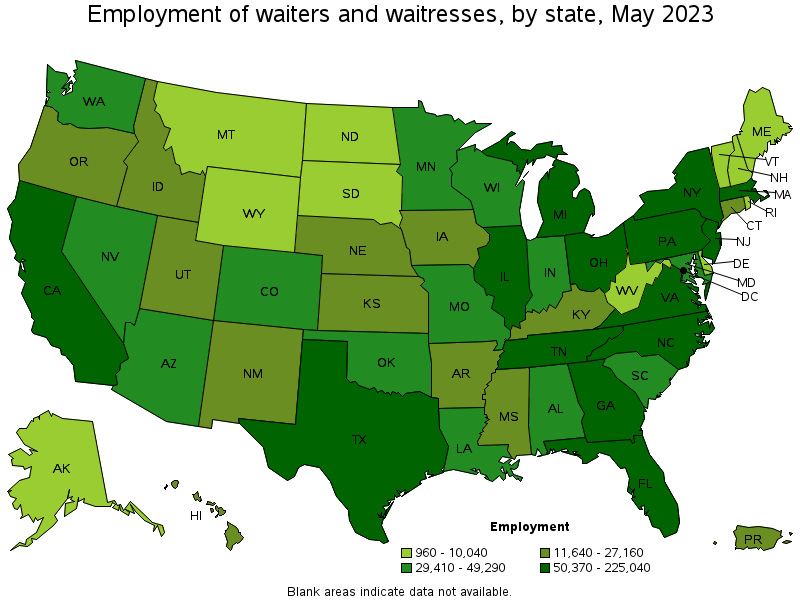
- Total Annual Earnings: Consequently, a server in California could potentially earn anywhere from $40,000 to $80,000 or even $100,000+ annually, depending heavily on the factors discussed above. Servers in very popular, high-end establishments in major cities are more likely to be at the higher end of this spectrum.
A Note on Data Sources
It’s important to be aware of where salary data comes from. Websites that compile salary information often rely on self-reported data from users, which can be subject to biases. Additionally, data might not always accurately capture the tip component, leading to potentially lower reported figures than what servers actually earn. Therefore, it’s advisable to cross-reference information from multiple sources and consider the specific context of the establishment and location when assessing earning potential.
The Broader Impact on the Hospitality Industry
The earning potential for servers in California has a significant impact on the broader hospitality industry. A competitive wage structure, even with the reliance on tips, helps attract and retain talent in a demanding field. This, in turn, contributes to higher quality service, which is crucial for tourism and the overall success of businesses within this sector.
For travelers planning a visit to California, understanding the compensation structure for servers can foster a greater appreciation for the service they receive. Whether you’re dining at a casual spot in Santa Monica or enjoying a meal near the Hollywood Sign, the individuals serving you are working in an industry that is vital to the state’s economy and its allure as a travel destination. The ongoing discussions and legislative changes around minimum wage and tipping practices in California continue to shape the lives of these hardworking professionals.
LifeOutOfTheBox is a participant in the Amazon Services LLC Associates Program, an affiliate advertising program designed to provide a means for sites to earn advertising fees by advertising and linking to Amazon.com. Amazon, the Amazon logo, AmazonSupply, and the AmazonSupply logo are trademarks of Amazon.com, Inc. or its affiliates. As an Amazon Associate we earn affiliate commissions from qualifying purchases.