
The age-old question that lingers in the minds of travelers planning their next getaway is whether the trendy alternative of an Airbnb rental truly offers a more budget-friendly option compared to traditional hotels. With the rise of platforms like Airbnb offering a vast array of accommodations, from quirky apartments in Paris to sprawling villas in Bali, the allure of potentially saving money is undeniable. However, the answer is rarely a straightforward yes or no. The cost comparison between Airbnb and hotels is a complex equation influenced by a multitude of factors, including the type of accommodation, the duration of your stay, the destination, and the specific amenities you desire.

Unpacking the Cost: Beyond the Nightly Rate
When embarking on a cost comparison, it’s crucial to look beyond the advertised nightly rate and delve into the total cost of both options. This involves scrutinizing additional fees, potential savings, and the overall value proposition.
Hidden Fees and Service Charges
One of the primary considerations when evaluating Airbnb’s cost is the presence of service fees. While the host sets the nightly rate, Airbnb adds its own guest service fee, which can range from 0% to 14.2% of the booking subtotal. This fee is calculated before taxes. For longer stays, these fees can accumulate, potentially narrowing the price gap with hotels.
Hotels, on the other hand, typically have fewer explicitly stated fees. However, it’s essential to be aware of potential resort fees, which are often mandatory charges levied by larger establishments to cover amenities like pool access, Wi-Fi, or gym facilities. These fees can add a significant sum to your bill and are sometimes only revealed closer to or upon check-in, making them a form of hidden cost. Additionally, hotels may charge extra for services such as parking, breakfast, or Wi-Fi, particularly in more budget-friendly establishments.
The Impact of Duration of Stay
The length of your trip plays a pivotal role in determining which accommodation type is more economical. For short, weekend getaways, hotels might initially appear more cost-effective. The fixed nightly rates, while potentially higher per night than a shared room in an Airbnb, don’t usually come with the additional service fees that can become substantial over a longer period.
However, as your stay extends, Airbnb can often emerge as the winner. Many Airbnb hosts offer discounted weekly or monthly rates, providing significant savings for travelers planning to stay for a week or more. This incentive is particularly attractive for digital nomads, long-term vacationers, or those seeking an extended immersive experience in a new city. The ability to cook your own meals, as detailed later, further amplifies these savings over time.
Destination Dynamics: City vs. Rural, Popular vs. Undiscovered
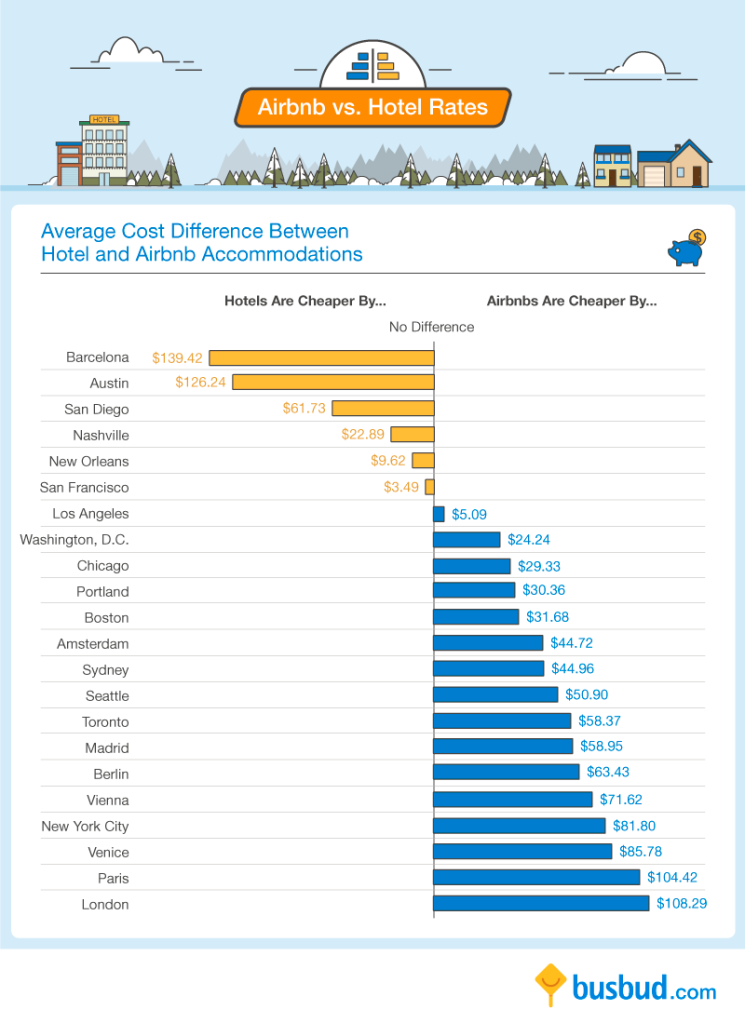
The geographical location of your travel destination is another significant factor. In highly sought-after tourist hubs like New York City or London, both hotel prices and Airbnb rates can be remarkably high, often reaching premium levels. In such competitive markets, the presence of numerous Airbnb listings might drive down prices for apartments and rooms, making it a more viable option for budget-conscious travelers.
Conversely, in more remote or less tourist-centric areas, hotels might be scarce, and the few that exist could be exorbitantly priced. In these scenarios, Airbnb often provides a broader range of choices and potentially more affordable options, especially for larger groups or families who would otherwise struggle to find suitable accommodation. Exploring smaller towns or off-the-beaten-path destinations can often reveal significant cost advantages with Airbnb.
Beyond Price: The Value Proposition of Each Accommodation Type
The decision between an Airbnb and a hotel isn’t solely about the bottom line; it’s also about the experience and value each offers. Understanding these qualitative differences can help you make a more informed choice that aligns with your travel style and priorities.
The Airbnb Experience: Home Away From Home
One of the primary appeals of Airbnb is the feeling of living like a local. Renting an apartment or house often provides a more authentic and immersive travel experience. You’re not confined to a standardized hotel room; instead, you can choose accommodations that reflect the character of the neighborhood. This can range from a charming historic apartment in Rome to a modern loft in Tokyo.
The Kitchen Advantage: Saving on Food Costs
A significant benefit of many Airbnb rentals is the inclusion of a kitchen. This feature can lead to substantial savings on food expenses, especially for longer stays. Being able to prepare your own breakfast, pack lunches for day trips, and even cook dinner a few nights a week can drastically reduce your overall travel budget. Instead of relying solely on expensive restaurant meals or hotel room service, you can explore local grocery stores and markets, further immersing yourself in the local culture and culinary scene. Imagine preparing a fresh seafood dinner with ingredients bought from a local market in Barcelona – an experience far removed from a generic hotel buffet.
Space and Privacy: Ideal for Groups and Families
Airbnb often provides more space and privacy than a traditional hotel room. Renting a whole house or apartment can be significantly more cost-effective for families or groups of friends traveling together. Instead of booking multiple hotel rooms, which can quickly inflate costs, a single Airbnb rental can accommodate everyone comfortably. This shared living space fosters a sense of togetherness and allows for more relaxed evenings, where everyone can gather in a common area. For families with young children, having separate bedrooms and a living area can be a game-changer, offering much-needed peace and quiet for both parents and kids.
The Hotel Advantage: Convenience and Service
Hotels, on the other hand, excel in providing a predictable and convenient travel experience, often complemented by a range of services.
Consistent Amenities and Services
Hotels are synonymous with a certain level of consistent amenities and services that cater to the modern traveler. This includes daily housekeeping, 24-hour reception, on-site restaurants and bars, concierge services, and often business centers. For business travelers, these amenities can be essential for maintaining productivity. For leisure travelers, the convenience of having services readily available can be a significant draw, especially when exploring unfamiliar destinations. Whether it’s needing a taxi booked, local recommendations, or assistance with an unexpected issue, hotel staff are typically on hand to help.
Loyalty Programs and Perks
Many hotel chains offer loyalty programs that reward frequent guests with points, free nights, room upgrades, and other exclusive benefits. For travelers who frequently stay in hotels, these programs can lead to significant savings and enhanced travel experiences over time. While Airbnb has introduced its own loyalty-like features, hotel loyalty programs are generally more established and offer a wider range of tangible perks.
Predictable Experience and Peace of Mind
For travelers who value predictability and a hassle-free experience, hotels often provide greater peace of mind. You generally know what to expect in terms of room quality, cleanliness, and available services. The booking process is usually straightforward, and there’s a clear point of contact for any issues that may arise. This can be particularly reassuring for first-time visitors to a city or for those who prefer not to deal with the complexities of coordinating with individual hosts. The security and familiarity of a hotel can be a welcome comfort after a long day of exploring landmarks like the Colosseum in Rome.
Making the Right Choice for Your Trip
Ultimately, the question of whether Airbnb is cheaper than hotels doesn’t have a universal answer. It’s a decision that requires careful consideration of your individual travel needs, budget, and preferences.
Budgeting Tools and Comparison Sites
Before booking, it’s advisable to utilize various budgeting tools and comparison websites. These platforms can help you see the full cost of both Airbnb and hotel options, including all fees and taxes, for your specific dates and destination. Websites that aggregate hotel deals and Airbnb listings can provide a comprehensive overview, allowing you to compare prices side-by-side. Don’t forget to factor in the cost of transportation from your accommodation to key attractions, as a cheaper rental located far from the city center might end up being more expensive overall.
Considering Your Travel Style
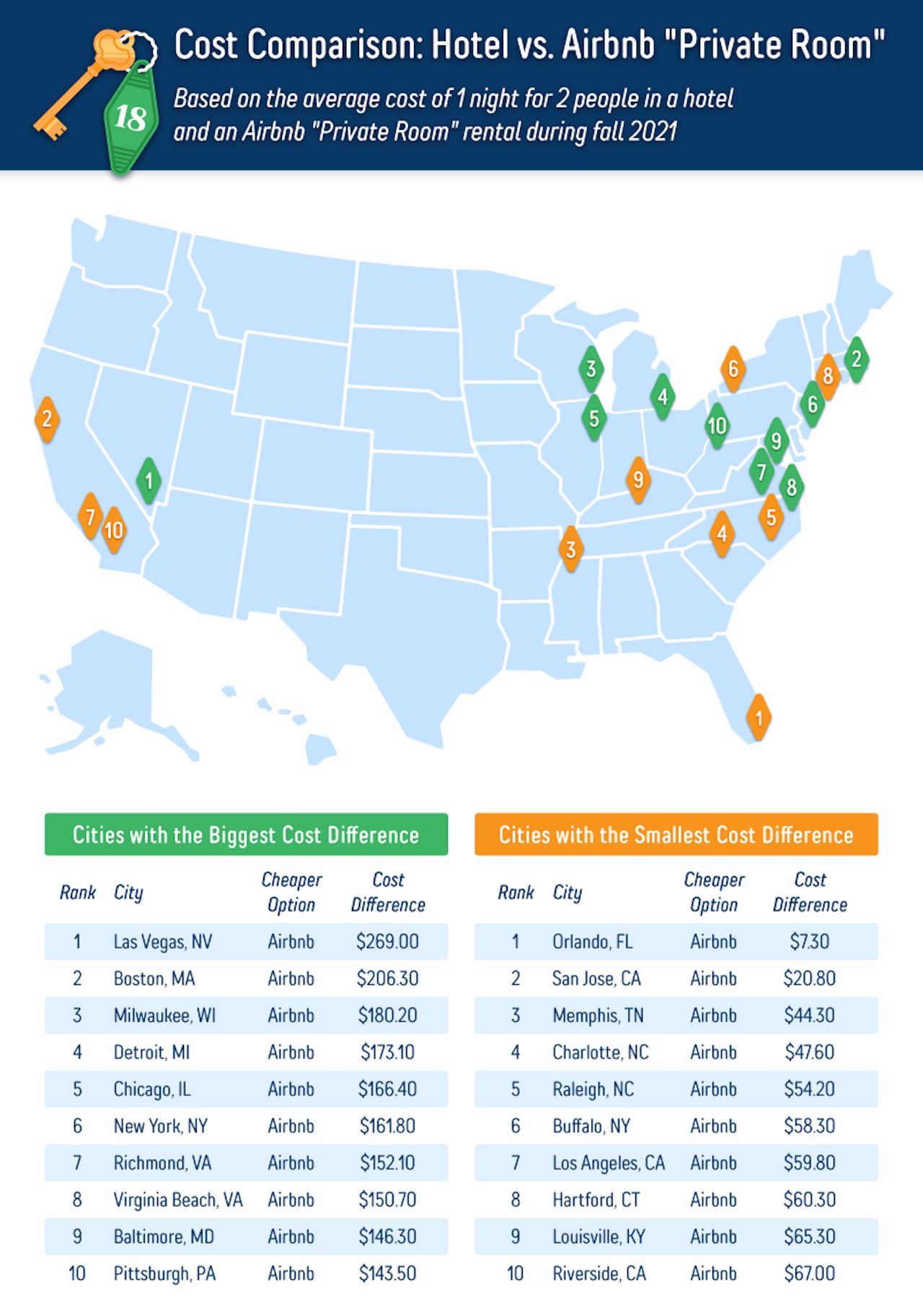
Your personal travel style is a significant determinant. If you prioritize authentic experiences, local immersion, and the potential for cost savings through self-catering, Airbnb is likely to be an excellent choice. If, however, you value convenience, a predictable standard of service, and are a member of a hotel loyalty program, then a traditional hotel might be more suitable. For a quick business trip where efficiency and immediate access to amenities are paramount, a hotel often makes more sense. Conversely, a family vacation to Disneyland might benefit from the extra space and cost-effectiveness of an Airbnb rental.
The Best of Both Worlds?
In some cases, a hybrid approach can be the most effective strategy. For instance, you might opt for a hotel for the first few nights of your trip to enjoy the convenience of central location and readily available services, and then switch to an Airbnb for the remainder of your stay to experience a more local vibe and potentially save money on food. This can offer a balanced approach, allowing you to enjoy the advantages of both types of accommodation. Whether you’re seeking the luxury of a Four Seasons Resort or the charm of a cozy Airbnb studio in Prague, careful planning and comparison will ensure you find the best value for your next adventure.
LifeOutOfTheBox is a participant in the Amazon Services LLC Associates Program, an affiliate advertising program designed to provide a means for sites to earn advertising fees by advertising and linking to Amazon.com. Amazon, the Amazon logo, AmazonSupply, and the AmazonSupply logo are trademarks of Amazon.com, Inc. or its affiliates. As an Amazon Associate we earn affiliate commissions from qualifying purchases.