
Nestled along the sun-drenched coast of Southern California, Los Angeles is celebrated globally for its vibrant culture, iconic landmarks, and perhaps most famously, its near-perfect weather. A dream destination for many, the city offers a climate that beckons travelers year-round, promising ample sunshine and generally mild temperatures. Whether you’re planning a luxurious lifestyle getaway, a budget-friendly travel adventure, or a comprehensive tourism experience, understanding the local weather patterns is key to making the most of your visit. From bustling cityscapes to serene beaches, the weather in Los Angeles profoundly influences everything from what to pack to the best time for exploring its diverse attractions and engaging in outdoor activities. This guide delves deep into the climatic nuances of the City of Angels, helping you plan an unforgettable trip.
Understanding Los Angeles’s Unique Climate
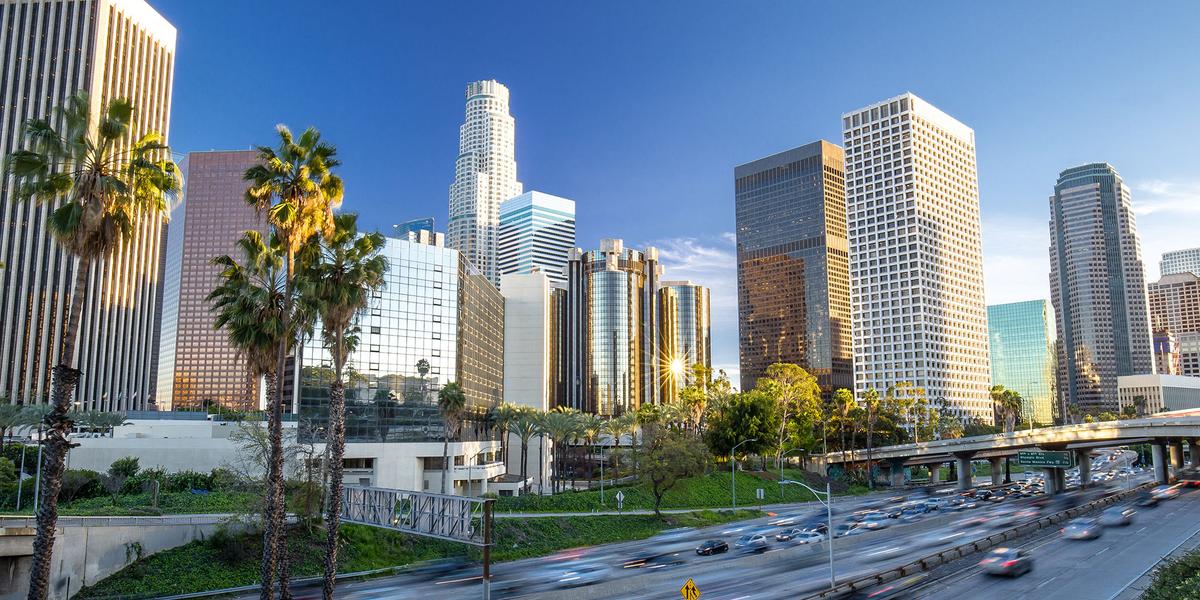
Los Angeles enjoys a distinctive Mediterranean climate, characterized by warm to hot, dry summers and mild, wet winters. This coveted climate is largely influenced by its proximity to the vast Pacific Ocean and the protective embrace of several mountain ranges, most notably the San Gabriel Mountains. These geographical features create a fascinating array of microclimates across the region, meaning the weather can vary significantly even within a short distance.
On average, Los Angeles boasts over 280 sunny days a year, a statistic that underscores its appeal as a perpetual vacation spot. Summers are typically long and bathed in sunshine, with very little rainfall. Winters, while cooler and wetter, remain pleasant compared to many other parts of the world, rarely experiencing extreme cold. The prevailing breezes from the Pacific Ocean often provide a natural cooling effect, tempering inland heat, especially in coastal cities like Santa Monica and Malibu. This consistent and agreeable weather plays a crucial role in Los Angeles’ reputation as an ideal setting for outdoor pursuits, from beach visits to hiking trails and al fresco dining.
Seasonal Breakdown: What to Expect When You Visit
Each season in Los Angeles offers a distinct charm and a unique set of weather conditions, influencing the type of experiences you might have. Understanding these seasonal shifts is vital for tailored travel planning.
Summer (June – August): Sunshine and Warmth
Summer in Los Angeles is synonymous with endless sunshine and warm, often hot, temperatures. Average daytime highs typically range from the mid-70s Fahrenheit (24-26°C) near the coast to the high 80s or even 90s Fahrenheit (30-35°C) further inland. Rainfall during these months is exceptionally rare, making it perfect for beach activities, outdoor concerts, and exploring the city’s myriad attractions without the worry of rain interrupting your plans.
However, a unique phenomenon known as “June Gloom” or “May Gray” can sometimes greet visitors, particularly in early summer. This refers to persistent low-lying clouds and fog that hug the coastline in the mornings, often burning off by midday to reveal bright sunshine. While it might initially appear overcast, these coastal clouds rarely last all day and provide a welcome respite from the intense heat experienced inland. For those seeking sun-drenched beach days, the later part of summer (July and August) often guarantees clearer skies from morning to night. Popular summer activities include surfing at Malibu, strolling along Venice Beach, enjoying amusement parks like Disneyland Resort in Anaheim or Universal Studios Hollywood, and experiencing vibrant outdoor festivals. Packing light clothing, swimwear, sunscreen, and a wide-brimmed hat is essential.
Fall (September – November): Pleasant and Popular
Many consider fall to be the most ideal time to visit Los Angeles. The scorching heat of summer begins to dissipate, giving way to beautifully warm days and pleasantly cool evenings. Average temperatures usually hover in the high 70s Fahrenheit (24-26°C) throughout September and October, gradually cooling into the 60s Fahrenheit (15-20°C) by November. Humidity levels drop, and the “June Gloom” is long gone, replaced by consistently clear, blue skies.
This season is perfect for sightseeing, hiking the trails of Griffith Park to the Griffith Observatory, or exploring the sophisticated streets of Beverly Hills. Outdoor dining becomes even more enjoyable as the evenings invite a comfortable breeze. Tourism levels remain high during this period, particularly around holidays and school breaks. While rain is still infrequent, it begins to make a slight appearance towards late November. It’s advisable to pack layers – light clothing for daytime and a sweater or light jacket for the cooler nights, especially if you plan to enjoy evening events or stroll along the coast.
Winter (December – February): Mild and Wet
Winter in Los Angeles is a stark contrast to the harsh winters experienced in many other parts of the world. While cooler and the wettest season, it remains remarkably mild. Daytime temperatures generally range from the mid-50s to mid-60s Fahrenheit (13-18°C). The majority of Los Angeles’ annual rainfall occurs during these months, typically in sporadic showers rather than prolonged downpours. Sunny days are still common, interspersing with the rainy periods.
The occasional rain doesn’t deter visitors, as there’s still plenty to do indoors, from exploring world-class museums like the Getty Center and the Los Angeles County Museum of Art to indulging in the city’s vibrant culinary scene. Furthermore, the nearby San Gabriel Mountains and other ranges often receive snow, making it possible to ski or snowboard just a couple of hours’ drive from the city, offering a unique “beach to slopes” experience within the same day. For destinations such as Lake Arrowhead or Big Bear Lake, winter transforms them into picturesque snowy retreats. Packing a waterproof jacket, umbrellas, and warm layers is recommended, especially for evenings or trips to higher elevations.
Spring (March – May): Blooming Beauty
As winter recedes, spring brings a resurgence of warmth and vibrant color to Los Angeles. Temperatures steadily climb from the mid-60s Fahrenheit (18-20°C) in March to the low 70s Fahrenheit (21-23°C) by May. Rainfall significantly decreases, and the city’s lush landscapes come alive with blooming wildflowers, particularly after a wet winter.
Spring is an excellent time for outdoor exploration, from leisurely walks in botanical gardens to hiking national parks like Joshua Tree National Park, which is a few hours’ drive away. The air feels crisp and clean, and the generally clear skies are ideal for photography and outdoor excursions. While “May Gray” can sometimes make an early appearance on the coast, particularly towards the end of the season, it usually gives way to sunny afternoons. This period offers a pleasant balance of comfortable temperatures and fewer crowds compared to the peak summer season, making it a wonderful time for families and those seeking a more relaxed pace. Light layers, comfortable walking shoes, and sunglasses are perfect for spring weather.
Planning Your Los Angeles Trip Around the Weather
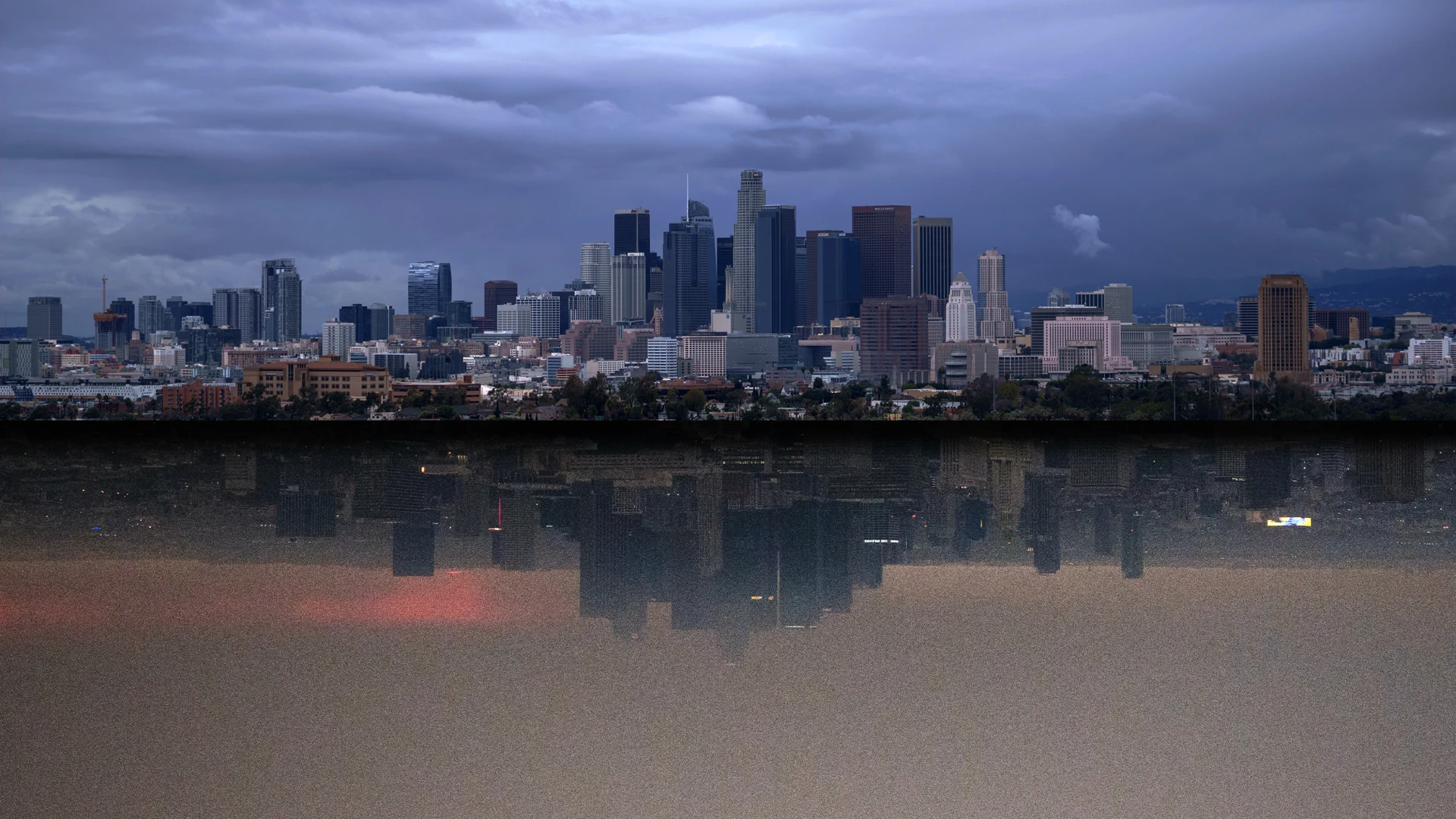
The diverse weather patterns in Los Angeles provide travelers with ample flexibility, but strategic planning can enhance your experience.
- For Beach Lovers: Summer (July-August) is undeniably the best for swimming and sunbathing at Santa Monica, Venice Beach, or Malibu.
- For Sightseeing and Hiking: Fall (September-November) and Spring (March-May) offer the most comfortable temperatures and clear skies, ideal for exploring Hollywood, Downtown Los Angeles, or the region’s extensive trail networks.
- For Theme Park Enthusiasts: While theme parks like Disneyland Resort are open year-round, visiting during the shoulder seasons (spring and fall) often means milder weather and potentially fewer crowds than the peak summer months.
- For Indoor Activities and Cultural Exploration: Winter is perfect for immersing yourself in Los Angeles’ rich museum scene, art galleries, and diverse culinary offerings, as you won’t feel compelled to spend every moment outdoors.
Considering the weather also impacts your choice of accommodation. If you dream of lounging by a pool, booking a hotel with a heated pool might be wise in spring or fall, while any outdoor pool will be perfect in summer. For resorts near the coast, remember that early summer mornings can be cooler.
Microclimates and Local Variations
One of the most fascinating aspects of Los Angeles’ weather is its pronounced microclimates. Due to its varied topography, temperatures can swing dramatically within a short drive.
- Coastal Areas: Cities like Santa Monica, Venice Beach, and Long Beach enjoy cooler, more moderate temperatures year-round, with average highs consistently a few degrees lower than inland areas. The Pacific Ocean breeze keeps the air fresh, though morning fog is more common here.
- Inland Valleys: Regions such as the San Fernando Valley (e.g., Burbank, Woodland Hills) often experience significantly hotter summers and cooler winters due to their distance from the ocean’s moderating influence. Temperatures can easily soar into the 90s or 100s Fahrenheit (35-40°C) during summer heatwaves.
- Mountains: The nearby San Gabriel Mountains and other elevated areas are consistently cooler, especially at night, and receive more precipitation, including snow in winter.
- Desert Regions: Just a couple of hours east of Los Angeles, areas like Palm Springs in the Coachella Valley have a true desert climate, with extremely hot summers and mild, dry winters.
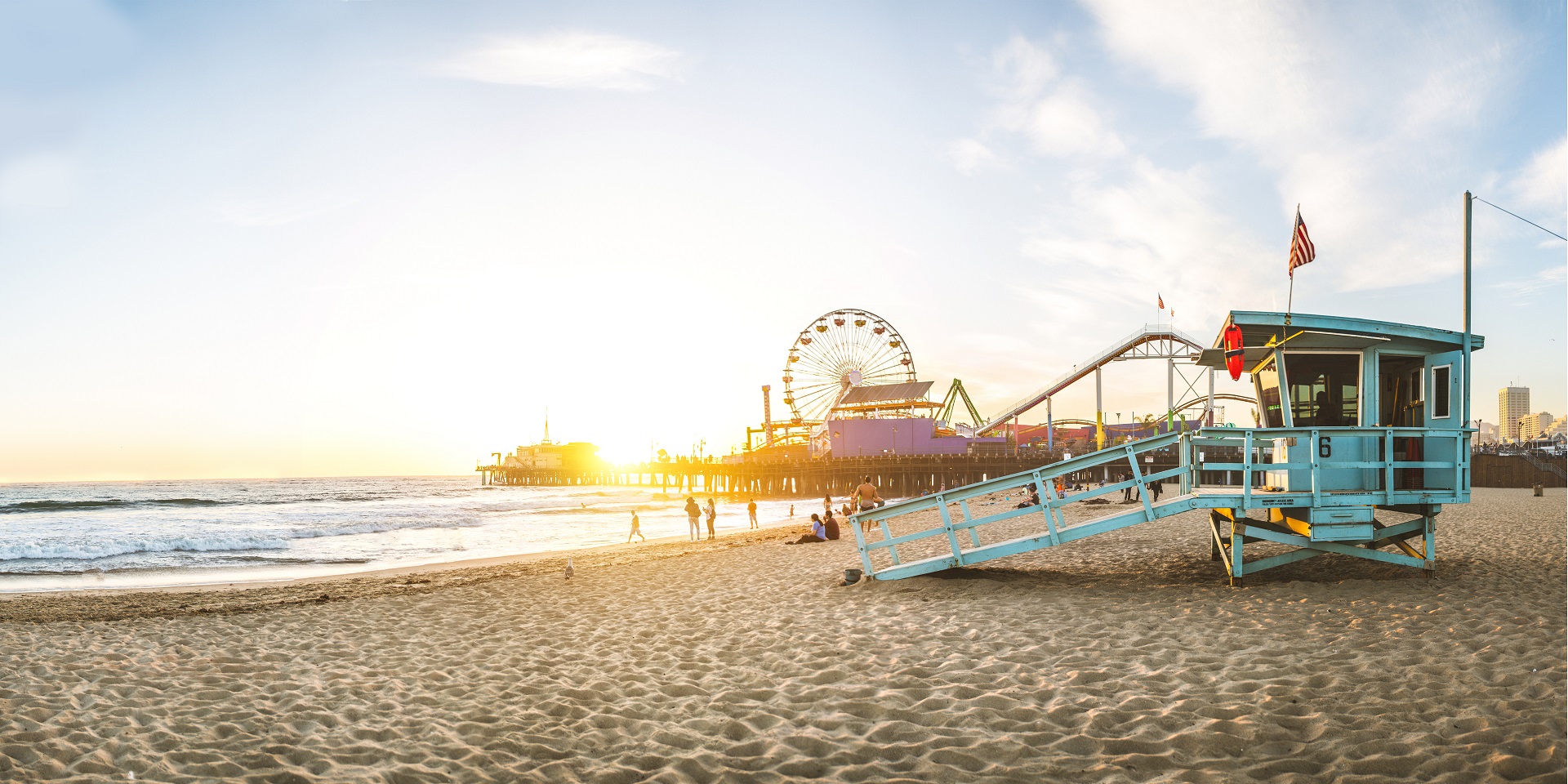
Being aware of these variations allows you to tailor your activities. A hot day in Hollywood might be a perfect opportunity to head to the cooler coast, or a mild winter day in the city could be a chance to see snow in the mountains. This geographic diversity means that almost any weather preference can be accommodated within a short drive, adding another layer of appeal to Los Angeles as a global destination.
In conclusion, the weather in Los Angeles is undoubtedly one of its greatest assets, offering a consistently pleasant climate that makes it an attractive place to visit any time of year. While summers are famously sunny and dry, and winters bring welcome rain, the mild temperatures and abundant sunshine persist throughout the seasons. By understanding the city’s Mediterranean climate and its fascinating microclimates, you can pack appropriately, plan your activities strategically, and fully embrace the vibrant lifestyle and endless possibilities that the City of Angels has to offer. Whether you’re seeking beach relaxation, urban exploration, or mountain adventures, Los Angeles’ diverse weather ensures there’s always something spectacular waiting for you.
LifeOutOfTheBox is a participant in the Amazon Services LLC Associates Program, an affiliate advertising program designed to provide a means for sites to earn advertising fees by advertising and linking to Amazon.com. Amazon, the Amazon logo, AmazonSupply, and the AmazonSupply logo are trademarks of Amazon.com, Inc. or its affiliates. As an Amazon Associate we earn affiliate commissions from qualifying purchases.