
Planning a getaway to the vibrant island of Puerto Rico often sparks practical questions, and one of the most common is: “Do I need a passport to go to Puerto Rico?” This is a crucial piece of information for any traveler aiming to simplify their journey and ensure a smooth transition into this U.S. territory. The answer, in most cases, is a straightforward “no,” but understanding the nuances is key to avoiding any potential travel hiccups.
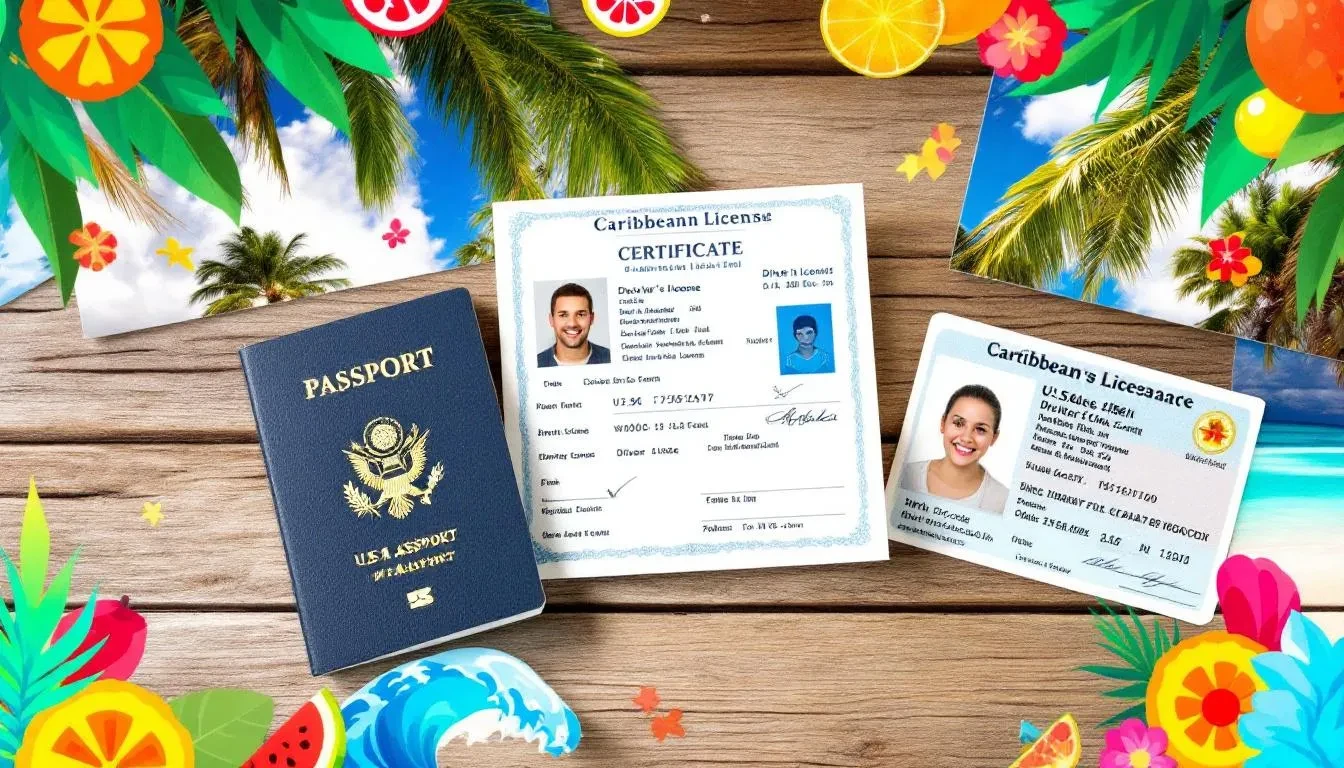
Puerto Rico holds a unique status within the United States. It is an unincorporated territory, meaning it is under the jurisdiction of the U.S. federal government but is not a state. This relationship dictates many aspects of travel, including documentation requirements. For U.S. citizens, traveling from the mainland U.S. to Puerto Rico is akin to traveling between any two U.S. states. Therefore, no passport is typically required. You can board flights and cruise ships with standard, government-issued photo identification, such as a driver’s license.
This simplifies travel significantly, making Puerto Rico an accessible destination for many Americans. It opens up opportunities for spontaneous trips or for those who may not possess a passport. However, it’s important to remember that while a passport isn’t mandatory for U.S. citizens, having one can be beneficial in certain situations, and it is absolutely essential for non-U.S. citizens entering the island.
Navigating Travel Requirements
The simplicity of travel for U.S. citizens to Puerto Rico is a significant draw. This ease of access aligns perfectly with the website’s focus on providing comprehensive travel guidance, covering everything from destination specifics to accommodation options and local experiences. Let’s delve deeper into the specifics of what travelers need to consider.
For U.S. Citizens: The Standard Procedure
As a U.S. citizen, when you fly from the contiguous United States, Alaska, or Hawaii to Puerto Rico, your standard U.S. driver’s license or other valid government-issued photo ID will suffice for boarding flights. This is because Puerto Rico is considered domestic territory, and the journey is treated as a domestic flight. There are no customs or immigration checks upon arrival in Puerto Rico from the U.S. mainland.
This also applies to U.S. citizens traveling to other U.S. territories like the U.S. Virgin Islands or Guam. The TSA (Transportation Security Administration) guidelines for domestic travel apply. Therefore, if you are a U.S. citizen and have a valid driver’s license, state-issued ID card, or any other form of acceptable identification recognized by the TSA, you are all set for your journey.
When a Passport Might Still Be Useful
While not required, some U.S. citizens might choose to bring their passports to Puerto Rico for a variety of reasons. Firstly, it serves as a universally recognized form of identification, which can be helpful in various situations, such as renting a car at San Juan Airport or checking into certain high-end resorts like the Dorado Beach, a Ritz-Carlton Reserve. Secondly, in the unlikely event of an emergency that requires you to travel unexpectedly from Puerto Rico to an international destination, having your passport readily available could be a significant advantage.
Furthermore, if your travel plans involve island hopping to nearby international destinations, such as the British Virgin Islands or St. Martin, then a passport is absolutely essential. While these are popular day trips or short excursions from Puerto Rico, they involve crossing international borders, and you will be subject to the immigration requirements of those respective countries.
For Non-U.S. Citizens: Passport is Mandatory
The situation is different for individuals who are not U.S. citizens. If you are not a citizen of the United States, you will need a valid passport to enter Puerto Rico. The U.S. immigration laws and regulations apply to Puerto Rico, and entry into the territory requires compliance with these rules.
This means that foreign nationals will need to go through U.S. Customs and Immigration upon arrival, just as they would if they were entering the U.S. mainland. The specific requirements will depend on your country of origin and whether you require a U.S. visa. Travelers should ensure their passport is valid for at least six months beyond their intended stay in Puerto Rico.
Visa Requirements for Foreign Nationals
For many foreign nationals, a valid U.S. visa will be necessary to enter Puerto Rico. This visa will allow you to enter the United States, and by extension, its territories like Puerto Rico. It is crucial to research visa requirements well in advance of your travel dates. The U.S. Department of State’s website or the nearest U.S. embassy or consulate can provide definitive information on visa categories and application processes.

Some nationalities may be eligible for entry under the Visa Waiver Program (VWP). If you are from a VWP country, you may be able to enter the U.S. and its territories for tourism or business for stays of 90 days or less without a visa. However, you will still need an approved Electronic System for Travel Authorization (ESTA) application. It is essential to verify your eligibility and ensure all necessary documentation is in order before your departure.
Understanding Puerto Rico’s Status
Puerto Rico’s unique political status as an unincorporated U.S. territory is the primary reason for the differing documentation requirements for its visitors. This understanding is fundamental for planning any trip, whether you’re a solo adventurer exploring the historic streets of Old San Juan or a family seeking to relax on the beaches of Vieques.
A Gateway to Caribbean Experiences
The island’s allure lies in its rich tapestry of culture, history, and natural beauty. From the El Yunque National Forest, the only tropical rainforest in the U.S. National Forest System, to the bioluminescent bays in Fajardo, there are countless attractions and activities for every type of traveler. This makes Puerto Rico a prime destination for those interested in exploring diverse landscapes and engaging with local life.
The tourism industry in Puerto Rico is robust, offering a wide array of experiences. You can immerse yourself in the vibrant nightlife of San Juan, savor the island’s unique cuisine – a fusion of Spanish, African, and Taíno influences – and explore historical landmarks like Castillo San Felipe del Morro and Castillo San Cristóbal. The accessibility for U.S. citizens, without the need for a passport, significantly lowers the barrier to entry for experiencing all that Puerto Rico has to offer.
Travel by Cruise Ship
For those traveling to Puerto Rico via cruise ship, the documentation requirements are generally the same as for air travel. U.S. citizens will typically only need a valid government-issued photo ID. However, if the cruise itinerary includes stops in foreign ports outside of the U.S. territories, then a passport or other WHTI-compliant (Western Hemisphere Travel Initiative) document will be required for those specific stops. Cruise lines will clearly outline these requirements, and it’s advisable to check with your specific cruise operator for the most accurate information.
The ease of access for U.S. citizens has made Puerto Rico a popular cruise destination in the Caribbean. Major cruise lines like Royal Caribbean, Carnival, and Norwegian Cruise Line frequently include San Juan as a port of call, allowing travelers to experience the island’s charm for a day or even as a home port for embarkation and disembarkation.
Packing and Preparation Tips
Beyond the essential documentation, a little preparation can go a long way in ensuring a seamless and enjoyable trip to Puerto Rico. Considering the tropical climate, packing appropriately is key to comfort and convenience.
Essential Items for Your Trip
When packing for Puerto Rico, think light, breathable clothing. Lightweight fabrics like cotton and linen are ideal for the warm and humid weather. Don’t forget swimwear, sunscreen, a hat, and sunglasses to protect yourself from the strong Caribbean sun. Comfortable walking shoes are a must, especially if you plan to explore the cobblestone streets of Old San Juan or hike in El Yunque.
Insect repellent is also highly recommended, particularly for evenings or if you plan to spend time in more natural or forested areas. A reusable water bottle can help you stay hydrated and reduce plastic waste. If you plan on engaging in water activities, consider bringing your own snorkel gear, although it’s often available for rent at many resorts and tour operators.
Embracing the Local Culture
Puerto Rico offers a rich cultural experience. Engaging with the local community, trying authentic cuisine, and respecting local customs will undoubtedly enhance your trip. From the lively rhythm of salsa music to the warmth of the islanders, there’s a unique spirit to discover. Whether you’re staying in a luxury resort like the St. Regis Bahia Beach Resort or a cozy apartment rental, take the time to explore beyond the typical tourist paths.
Learning a few basic Spanish phrases can also be very helpful and is always appreciated by locals. While English is widely spoken in tourist areas, making an effort to communicate in Spanish shows respect for the local culture. Ultimately, the goal is to immerse yourself in the experience, whether that involves a culinary adventure through the food stalls of La Placita de Santurce or a historical deep-dive into the island’s past.
In conclusion, for U.S. citizens, the answer to “Do I need a passport to go to Puerto Rico?” is generally no. A valid government-issued photo ID is sufficient for travel. However, for non-U.S. citizens, a passport is mandatory, and depending on their nationality, a U.S. visa may also be required. Understanding these distinctions is the first step towards a well-prepared and unforgettable journey to this captivating Caribbean destination.
LifeOutOfTheBox is a participant in the Amazon Services LLC Associates Program, an affiliate advertising program designed to provide a means for sites to earn advertising fees by advertising and linking to Amazon.com. Amazon, the Amazon logo, AmazonSupply, and the AmazonSupply logo are trademarks of Amazon.com, Inc. or its affiliates. As an Amazon Associate we earn affiliate commissions from qualifying purchases.