
The allure of Alaska is undeniable. It’s a land of vast, untamed wilderness, dramatic landscapes, and a spirit of independence that draws many seeking a life less ordinary. But beyond the breathtaking scenery and the promise of adventure, a practical question often arises for those considering a move to the Last Frontier: “How much do they pay you to live in Alaska?” This isn’t just about seeking a higher salary; it’s about understanding the economic landscape and the unique financial incentives that can make living in this remote state a surprisingly viable option.
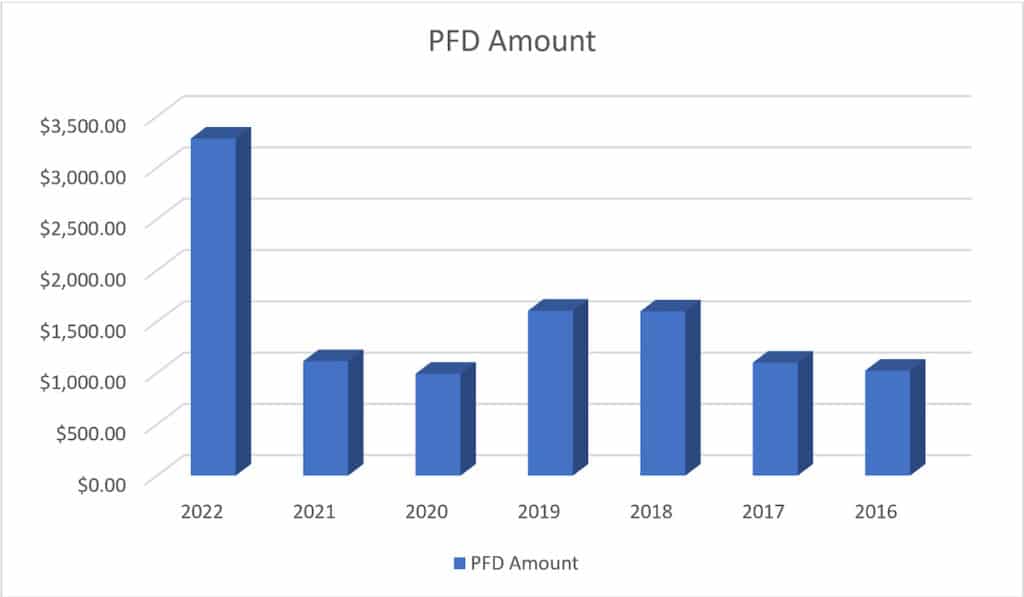
The notion that Alaska pays its residents to live there stems from a significant and widely recognized program: the Permanent Fund Dividend. This isn’t a direct salary for residing in the state, but rather an annual distribution of oil revenue to eligible residents. However, the economic realities of Alaska extend far beyond this dividend, encompassing employment opportunities, cost of living, and the overall lifestyle that attracts people to its shores.
Understanding the Alaska Permanent Fund Dividend
The Alaska Permanent Fund Dividend (PFD) is perhaps the most distinctive financial aspect of living in Alaska. Established in 1976, this program was designed to share the state’s wealth, derived primarily from oil production, with its citizens. Every eligible resident who has lived in Alaska for a full calendar year and meets specific residency requirements receives an annual payment. The amount of the PFD varies each year, determined by the fund’s earnings, with a portion of the realized income being distributed.
Eligibility and Payouts
To qualify for the Alaska Permanent Fund Dividend, individuals must have been a resident of Alaska for the entire calendar year preceding the application period. This means establishing domicile in the state and intending to remain indefinitely. Importantly, individuals cannot be a resident of another state or country during this period, and they cannot claim residency elsewhere. Seasonal residents or those who intend to move away after receiving the dividend are generally not eligible.
The PFD payout is not a fixed amount. It fluctuates based on market performance and the decisions made by the Alaska Permanent Fund Corporation Board of Trustees. In recent years, the dividend has ranged from a few hundred dollars to over two thousand dollars per person. While it’s a welcome financial supplement, it’s crucial to understand that the PFD is not intended to be a sole source of income or a salary for living in Alaska. It is a dividend, a share of the state’s natural resource wealth.
Impact on Lifestyle and Budget
The PFD can significantly impact a household’s budget in Alaska. For families, it can provide funds for essential expenses, savings, or discretionary spending. It can help offset the higher cost of living in some parts of the state, particularly in remote communities. For instance, the dividend could be used to purchase groceries, pay for heating fuel, or contribute towards education.
Beyond individual households, the PFD has broader economic implications. It injects a considerable amount of money into the state’s economy annually, supporting local businesses and services. During the distribution period, there’s often a noticeable uptick in consumer spending across Alaska. This predictable influx of funds makes it a vital component of many Alaskans’ financial planning.
Employment and Earning Potential in Alaska
While the PFD offers a unique financial benefit, the primary way residents earn a living in Alaska is through employment. The state’s economy is diverse, driven by key industries that offer a range of job opportunities. Understanding these sectors is essential for anyone considering relocating for work.
Key Industries and Job Markets
Alaska‘s economy is heavily influenced by its natural resources. The oil and gas industry remains a significant employer, particularly in regions like Anchorage and the North Slope. Jobs in this sector can range from engineering and technical roles to support staff and logistics.
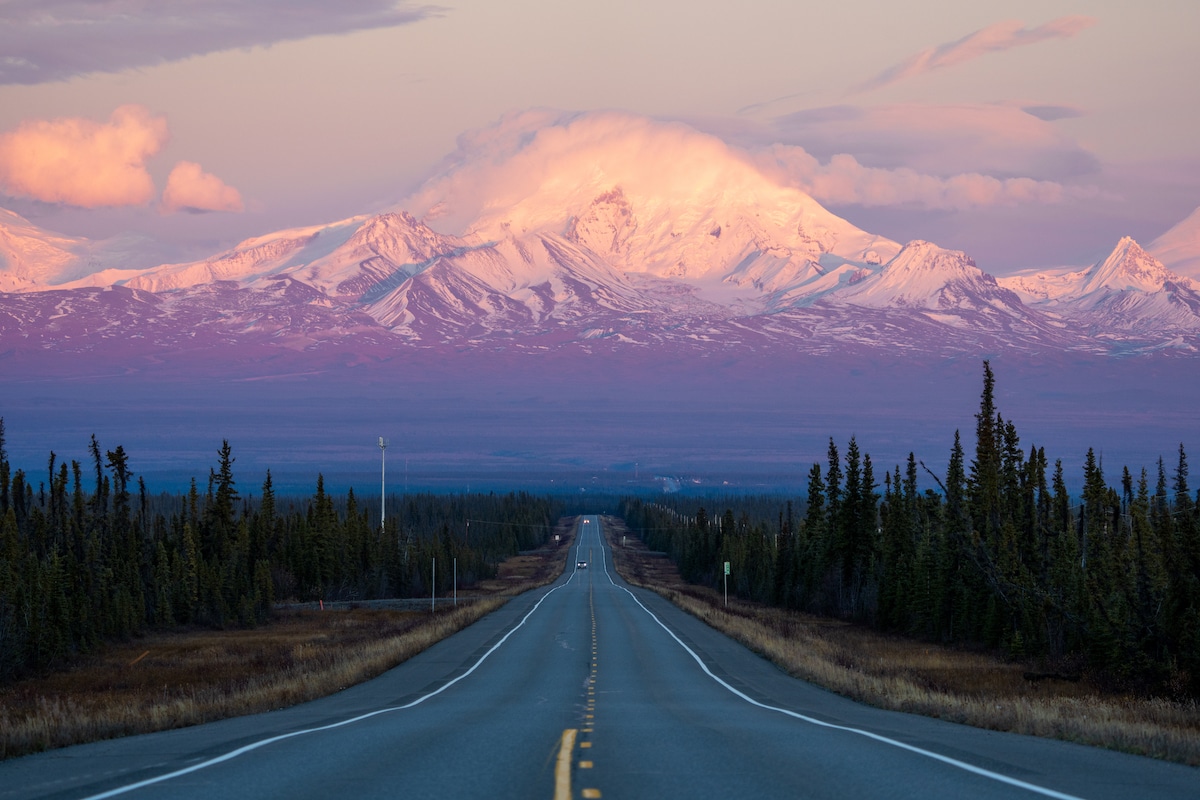
Tourism is another cornerstone of the Alaskan economy. The state’s stunning natural beauty, from the majestic Denali National Park and Preserve to the charming coastal towns like Ketchikan, attracts millions of visitors each year. This creates a demand for workers in hospitality, guiding, transportation, and retail. Many seasonal jobs become available during the summer tourist season, offering opportunities for those seeking temporary employment or a unique work experience.
Fisheries and seafood processing are vital to Alaska’s coastal communities. Jobs in this industry can be physically demanding but offer competitive wages. Related fields, such as maritime services and transportation, also provide employment.
The public sector, including government jobs at the federal, state, and local levels, is a substantial employer, particularly in Juneau, the state capital. Education, healthcare, and public safety also offer consistent employment opportunities throughout the state.
Cost of Living and Salary Expectations
It’s important to acknowledge that the cost of living in Alaska can be higher than in the contiguous United States, especially for goods that need to be shipped or flown in. This is particularly true in remote villages and smaller towns where transportation costs are elevated. Utilities, groceries, and housing can be more expensive in these areas. However, larger cities like Anchorage and Fairbanks offer more competitive pricing due to better access and infrastructure.
Salaries in Alaska often reflect the higher cost of living and the specialized nature of some industries. Many jobs, particularly those in the resource sector or requiring specific technical skills, can command higher wages compared to similar positions in the lower 48 states. For instance, engineers working in the oil and gas fields on the North Slope can earn substantial salaries. Similarly, skilled tradespeople, healthcare professionals, and those in management positions often find competitive compensation packages.
When considering job prospects, it’s advisable to research specific industries and regions. Websites dedicated to job listings in Alaska, as well as industry-specific professional organizations, can provide valuable insights into salary expectations and available positions. Networking with people already living and working in Alaska can also offer firsthand information and potential leads.
Lifestyle and Financial Considerations for Alaskans
Living in Alaska is a lifestyle choice that comes with unique rewards and challenges. Beyond the financial aspects of earning potential and the PFD, personal preferences and adaptability play a significant role in overall well-being and financial stability.
Embracing the Alaskan Lifestyle
The appeal of Alaska lies in its unparalleled natural beauty and the opportunities for outdoor recreation. Residents enjoy access to world-class fishing, hunting, hiking, skiing, and wildlife viewing. Many choose to live in Alaska specifically for this connection to nature and the sense of adventure it provides. This lifestyle often involves a lower emphasis on material possessions and a higher appreciation for experiences.
However, the Alaskan lifestyle also requires a degree of resilience. The long, dark winters can be a challenge for some, requiring adjustments in daily routines and mental preparation. The remoteness of many communities means that travel can be time-consuming and expensive, and access to certain amenities or specialized services might be limited.

Budgeting for an Alaskan Life
For individuals and families considering a move, meticulous budgeting is crucial. This involves not only accounting for the cost of housing, food, and utilities but also factoring in transportation, clothing suitable for extreme weather, and potential travel expenses to visit family or access specialized healthcare.
The Alaska Permanent Fund Dividend, while a welcome bonus, should be viewed as supplemental income rather than a guaranteed salary. It’s wise to factor in a realistic assessment of employment opportunities and potential earnings based on your skills and the current job market in your chosen region of Alaska. Many people moving to Alaska find that a proactive approach to securing employment before relocating is the most prudent strategy.
Ultimately, Alaska offers a unique and fulfilling life for those who are prepared for its challenges and embrace its rewards. The question of “How much do they pay you to live in Alaska?” has a multifaceted answer. While the Alaska Permanent Fund Dividend provides a tangible financial benefit, it is the combination of competitive employment opportunities, the potential for a lower cost of living in certain areas, and the profound lifestyle rewards that truly define the economic appeal of living in this extraordinary state. From the bustling streets of Anchorage to the serene landscapes surrounding Fairbanks, Alaska invites those seeking a life of purpose and adventure, equipped with a unique financial framework to support their journey.
LifeOutOfTheBox is a participant in the Amazon Services LLC Associates Program, an affiliate advertising program designed to provide a means for sites to earn advertising fees by advertising and linking to Amazon.com. Amazon, the Amazon logo, AmazonSupply, and the AmazonSupply logo are trademarks of Amazon.com, Inc. or its affiliates. As an Amazon Associate we earn affiliate commissions from qualifying purchases.