
The vast, untamed wilderness of Alaska conjures images of snow-capped mountains, vast ice fields, and the ethereal glow of the Northern Lights. For many, the very mention of this northernmost state evokes a perpetual sense of chill, a land where winter reigns supreme. But is this perception entirely accurate? Does a biting frost grip Alaska year-round, or is there more to its climate than meets the eye?
While it’s true that Alaska is synonymous with cold, particularly during its long winter months, the reality of its climate is far more nuanced and diverse. Spanning over 665,000 square miles, the sheer size of Alaska means it encompasses a variety of climatic zones, each with its own unique temperature fluctuations and weather patterns. From the temperate rainforests of the panhandle to the arctic tundra of the north, Alaska offers a spectrum of weather experiences that can surprise even the most seasoned traveler.

Understanding Alaska’s climate is crucial for anyone planning a visit, whether for a luxurious resort stay, an adventurous outdoor experience, or a deep dive into its rich local culture. By dispelling the myth of perpetual cold and delving into the specifics of its seasons and regions, travelers can better prepare for their Alaskan adventure, ensuring they pack appropriately and can fully appreciate the stunning beauty and unique offerings of this remarkable destination.
Decoding Alaska’s Diverse Climates
Alaska’s immense geographical scale is the primary driver behind its varied climates. Imagine comparing the weather in the southern United States to that of Canada; the difference is substantial. Alaska experiences a similar, if not more pronounced, range of climatic conditions. These can be broadly categorized by region, each offering distinct weather patterns throughout the year.
The Panhandle: A Temperate Rainforest
The southeastern part of Alaska, often referred to as the Alaska Panhandle, boasts a surprisingly temperate climate. Influenced by the Pacific Ocean, this region, home to cities like Juneau and Ketchikan, experiences mild, wet winters and cool, damp summers. Snowfall is common in winter, but temperatures rarely plummet to the extreme lows found in the interior or arctic regions. Average winter temperatures in Juneau, for example, hover around freezing, with occasional dips.
Summers here are pleasant, with temperatures typically in the 50s and 60s Fahrenheit, ideal for exploring the lush green forests, spotting wildlife, and enjoying the abundant rainfall that sustains this vibrant ecosystem. This region is a prime destination for cruise ship passengers and those seeking a more traditional Alaskan travel experience, focusing on natural beauty and marine life. The mild weather makes it accessible for a broader range of travelers throughout much of the year, though the shoulder seasons can still be quite damp.
Southcentral Alaska: The Most Populated Region
The most populated region of Alaska, Southcentral, including cities like Anchorage and Fairbanks, experiences a subarctic climate. This means it has long, cold winters and short, warm summers. While winters are undeniably cold, with temperatures frequently dropping below 0°F, they are also typically sunny. The crisp, cold air makes outdoor activities like skiing and ice skating incredibly enjoyable.
Summers in Southcentral, however, can be remarkably warm, with daytime temperatures often reaching into the 60s and 70s Fahrenheit. Anchorage experiences a significant difference between its winter lows and summer highs, offering a distinct seasonal contrast. This region is a popular base for exploring much of Alaska, with easy access to Denali National Park and Prince William Sound. The accessibility and variety of activities make Southcentral a hub for tourism, with a wide range of hotels and accommodations catering to different lifestyles and budgets.
The Interior: Extreme Temperatures
The Interior of Alaska, a vast expanse of rolling hills and boreal forests, is known for its extreme temperature fluctuations. Fairbanks, located in this region, experiences some of the coldest temperatures in the United States during winter, with averages well below 0°F, and often dipping to -40°F or even colder. Yet, summers can be surprisingly hot, with temperatures sometimes exceeding 90°F.
This extreme continental climate is perfect for those seeking a quintessential winter wonderland experience, with ample opportunities for Northern Lights viewing during the long, dark nights. In summer, the extended daylight hours, known as the “midnight sun,” allow for long days of exploration and adventure, from hiking in Denali National Park to fishing on the Yukon River. The Interior offers a raw, authentic Alaskan experience, appealing to those who embrace the wild and enjoy dramatic seasonal shifts.
Arctic Alaska: True Tundra and Extreme Cold
The Arctic region of Alaska, north of the Arctic Circle, is characterized by its tundra landscape and truly extreme cold. Winters here are long, dark, and frigid, with average temperatures far below freezing. The sun may not rise for months, and the landscape is dominated by snow and ice. This is the Alaska many envision when thinking of perpetual winter.
However, even the Arctic experiences a summer, albeit a short and cool one. During this period, temperatures can rise to the 40s and 50s Fahrenheit, and the sun shines for nearly 24 hours a day. While not “warm” by most standards, this brief respite allows for unique wildlife viewing opportunities, such as seeing caribou herds and migratory birds. Visiting the Arctic is an endeavor for the truly adventurous, offering a glimpse into a challenging yet breathtakingly beautiful environment, where experiences like staying in an igloo or observing indigenous culture are paramount.
Seasonal Variations and Travel Experiences
The perception of “always cold” in Alaska largely stems from its iconic winter landscape. However, each season offers a distinct set of experiences and weather patterns, making Alaska a year-round destination with something for every traveler.
Winter Wonders: A Season of Snow and Light
From roughly October to April, Alaska transforms into a winter wonderland. This is the prime time for activities like skiing, snowboarding, dog sledding, and snowmobiling. The subarctic and arctic regions experience significant snowfall, creating picturesque landscapes and ideal conditions for winter sports. The long, dark nights of winter are also the best time to witness the mesmerizing dance of the Aurora Borealis, or Northern Lights. Cities like Fairbanks are renowned for their aurora viewing opportunities, with many specialized tours and lodges catering to this phenomenon.
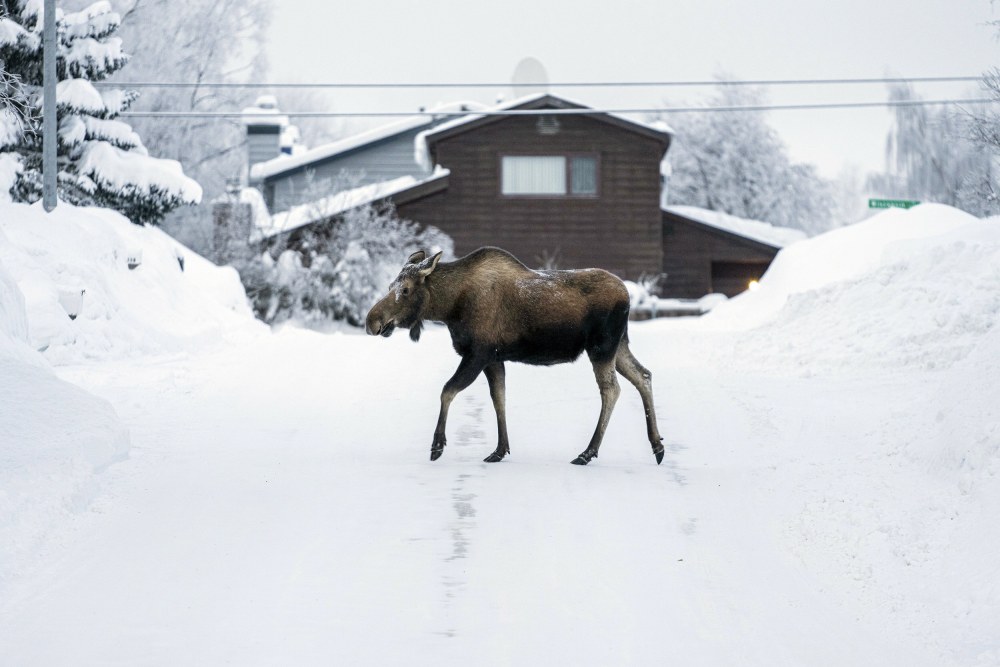
For those seeking a cozy and luxurious winter escape, resorts like the Alyeska Resort offer warm accommodations and access to world-class ski slopes. Even in the more temperate panhandle, winter brings a quiet beauty, with snow dusting the fjords and a sense of peaceful solitude. Travelers visiting during this time should expect cold temperatures and pack accordingly, with layers of warm clothing being essential.
Spring Thaw: A Transition of Ice and Awakening
Spring in Alaska (typically April to May) is a period of dramatic transition. As the snow melts, rivers begin to flow again, and the landscape slowly awakens from its winter slumber. While still chilly, temperatures begin to rise, and daylight hours increase significantly. This is a fantastic time for wildlife viewing as animals emerge from hibernation and migratory birds return.
In the Interior and Arctic, spring can still bring snow, especially in early April, but the increasing daylight offers more opportunities for exploration. For budget travelers and those seeking fewer crowds, spring can be an ideal time to visit, with lower prices for flights and accommodations. However, some areas may still be inaccessible due to lingering snow and ice.
Summer Bloom: The Land of the Midnight Sun
Alaska’s summer (June to August) is a stark contrast to its winter persona. The weather becomes significantly milder, with daytime temperatures often reaching the 60s and 70s Fahrenheit in many regions, and even higher in the Interior. This is the season of the midnight sun, where daylight can extend for nearly 20 hours, providing ample time for sightseeing and outdoor adventures.
Summer is the peak tourist season, with activities like hiking in Denali National Park, wildlife cruises in Kenai Fjords National Park, fishing for salmon, and exploring charming towns like Seward and Homer. The landscapes are lush and green, and wildlife is abundant. From grizzly bears and moose to whales and puffins, summer offers unparalleled opportunities for nature enthusiasts. Many of the iconic landmarks and attractions are fully accessible during this time, making it the most popular period for both leisure travel and family trips.
Autumn’s Palette: A Fiery Farewell to Summer
Autumn in Alaska (September to October) is a breathtaking spectacle of color. The deciduous trees, particularly in the Interior and Southcentral regions, turn brilliant shades of red, orange, and yellow, creating a stunning contrast against the evergreen forests and snow-capped peaks. Temperatures begin to cool down, with daytime highs in the 40s and 50s Fahrenheit, and nights growing colder.
This is an excellent time for hiking and wildlife viewing, as animals prepare for winter. The fall colors add an extra layer of beauty to the already magnificent scenery, making it a photographer’s dream. While the weather can be unpredictable, with the possibility of early snow in some areas, autumn offers a unique and less crowded experience than the summer months. It’s a perfect time for those who appreciate natural beauty and a more serene travel atmosphere.
Planning Your Alaskan Adventure: Tips for Every Traveler
Whether you’re dreaming of a luxurious resort stay, an adventurous backpacking trip, or a family vacation filled with wonder, Alaska offers a wealth of possibilities. Understanding the nuances of its climate and planning accordingly will ensure a memorable and enjoyable experience.
Accommodation and Travel Styles
Alaska caters to a wide range of travelers and lifestyles. From charming bed and breakfasts in small towns to grand hotels in Anchorage and remote wilderness lodges, there are plenty of accommodation options. For those seeking indulgence, luxury resorts with stunning views and fine dining are available. On the other hand, budget travelers can find hostels, campsites, and more affordable hotels.
When planning your trip, consider the time of year and the activities you wish to pursue. Summer is ideal for outdoor adventures and seeing the sights, while winter is perfect for aurora viewing and winter sports. Booking accommodations and transportation in advance is highly recommended, especially during the peak summer season.
Essential Packing Advice
The key to a comfortable Alaskan adventure is layering. Regardless of the season, it’s wise to pack clothing that can be easily added or removed to adapt to changing temperatures.
- Base Layers: Moisture-wicking materials like merino wool or synthetics are ideal.
- Mid Layers: Fleece or down jackets provide insulation.
- Outer Layer: A waterproof and windproof jacket and pants are essential, especially for the Panhandle and during shoulder seasons.
- Footwear: Comfortable, waterproof hiking boots are a must for most activities.
- Accessories: A warm hat, gloves, and scarf are important even in summer, particularly for early mornings or evenings. Don’t forget sunglasses and sunscreen, as the sun can be strong, especially on glaciers and reflective surfaces.
Even in summer, temperatures can be cool, especially near the coast or at higher elevations. For winter travel, consider thermal underwear, insulated boots, and extremely warm outerwear.

Embracing the Alaskan Experience
Beyond the weather, Alaska offers a unique cultural and natural tapestry. Engage with the indigenous cultures of the Athabaskan, Yup’ik, and Inupiat peoples, explore the rich history of the Gold Rush era, and savor the local cuisine, which often features fresh seafood and game.
Whether you’re marveling at the majestic peaks of Denali from a comfortable train carriage, exploring the charming streets of Skagway, or embarking on a challenging trek through its vast wilderness, Alaska promises an unforgettable journey. The perception of constant cold is a misconception; instead, Alaska offers a dynamic and diverse climate, each season revealing a different facet of its raw, captivating beauty. By understanding and respecting its natural rhythms, any visitor can discover the magic of this extraordinary land.
LifeOutOfTheBox is a participant in the Amazon Services LLC Associates Program, an affiliate advertising program designed to provide a means for sites to earn advertising fees by advertising and linking to Amazon.com. Amazon, the Amazon logo, AmazonSupply, and the AmazonSupply logo are trademarks of Amazon.com, Inc. or its affiliates. As an Amazon Associate we earn affiliate commissions from qualifying purchases.