
The allure of California is undeniable. From the sun-drenched beaches of Southern California to the towering redwoods of the north, and from the vibrant cultural hubs of Los Angeles and San Francisco to the majestic Sierra Nevada mountains, the Golden State offers an almost endless array of experiences. For many, the journey to this coveted destination is as much a part of the adventure as the destination itself, and a road trip is often the preferred mode of transport. But the question remains: how long would it actually take to drive to California?

The answer, as with many travel-related queries, is not a simple one-size-fits-all. The duration of your drive to California is a complex equation, influenced by a multitude of factors, including your starting point, your chosen route, your driving pace, and the stops you plan along the way. This comprehensive guide will break down these elements to help you estimate your travel time and plan the ultimate California road trip.
Determining Your Starting Point and Route
The most significant factor in calculating your driving time to California is your origin. Are you embarking on a cross-country odyssey from the East Coast, or are you just a few states away? Your departure city will dictate the sheer mileage you need to cover and, consequently, the time it will take.
Cross-Country Journeys
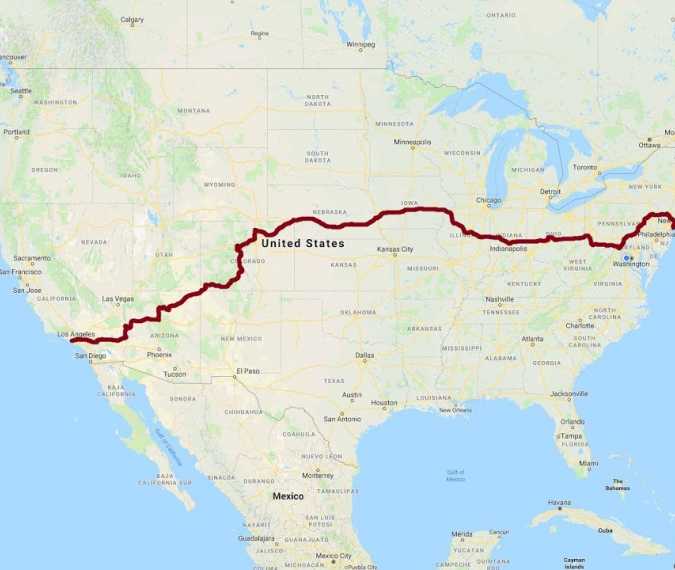
For those starting on the East Coast, such as from New York City or Miami, the drive is a substantial undertaking. These routes typically span thousands of miles and cross numerous states, each with its own unique landscapes and potential attractions. A direct drive from New York to Los Angeles, for instance, covers approximately 2,800 to 3,000 miles, depending on the exact route.
Popular Cross-Country Routes
Several established routes traverse the United States, each offering a different perspective of the country’s diverse geography and culture.
- The Southern Route: This route often involves driving through states like Tennessee, Texas, and Arizona. It can be a good option for avoiding harsh winter weather in the northern parts of the country. Landmarks like the Grand Canyon are easily accessible from this path.
- The Central Route: This path might take you through states such as Illinois, Missouri, and Colorado. It offers opportunities to see the Gateway Arch in St. Louis or the stunning landscapes of the Rocky Mountains.
- The Northern Route: This route, often preferred during warmer months, might pass through states like South Dakota, Wyoming, and Utah. You could visit Mount Rushmore or the breathtaking national parks like Yellowstone and Zion.
Regional Drives
If you’re starting from a closer proximity, such as from states bordering California like Nevada, Arizona, or Oregon, your journey will be significantly shorter. A drive from Las Vegas, for example, to Los Angeles is a relatively manageable 4-5 hour trip, covering around 270 miles.
Understanding Mileage and Time Estimates
Online mapping services are invaluable tools for estimating mileage and driving times. However, it’s crucial to remember that these are estimates based on optimal conditions and without accounting for any stops, traffic, or unforeseen delays. A general rule of thumb for long-distance driving is to budget for an average of 500 to 600 miles per day of actual driving. This allows for a reasonable pace, including meals and short breaks.
For a cross-country drive of roughly 3,000 miles, this would translate to approximately 5 to 6 days of dedicated driving. This estimate assumes you are driving for 8-10 hours each day, covering the maximum reasonable distance without undue fatigue.
The Impact of Driving Habits and Stops
Beyond the raw mileage, your personal driving habits and the nature of your stops will profoundly influence the total duration of your trip to California. Are you a solo driver pushing for efficiency, or are you traveling with family and prioritizing leisurely exploration?
Daily Driving Limits and Fatigue
Driving for extended periods can be physically and mentally taxing. Pushing yourself to drive excessively long hours each day can lead to fatigue, which is a significant safety concern. Most experienced road-trippers recommend not exceeding 8-10 hours of actual driving time per day, especially on longer journeys. This allows for adequate rest, alertness, and enjoyment of the journey.
Planned Stops and Sightseeing
The beauty of a road trip lies in the ability to explore along the way. If your journey to California is not just about reaching the destination but about the experience of the journey itself, you’ll want to factor in time for stops. This could include:
- Overnight Stays: Choosing a comfortable hotel or unique accommodation along your route can break up long drives and allow you to experience different towns and cities. A charming bed and breakfast in a historic town or a comfortable suite in a mid-sized city can be a welcome respite.
- Attraction Visits: California is a land of iconic landmarks and attractions. If your route passes by places like the Hoover Dam, the Petrified Forest National Park, or even a quirky roadside attraction, you’ll want to allocate time to explore.
- Culinary Experiences: Sampling local cuisine is a vital part of understanding different regions. From sampling barbecue in Texas to enjoying regional specialties in the Midwest, food stops can add significant time but also immense enjoyment to your trip.
- Rest and Recreation: Simple stops for meals, stretching, or enjoying a scenic overlook are essential for safety and well-being.
Consider the difference between a direct, no-frills drive and a more immersive road trip. The former might aim to reach California in the shortest possible time, while the latter might extend the journey to a week or more to truly experience the country.
Factors Affecting Real-Time Driving Duration
While initial estimates are helpful, several real-world factors can and will affect the time it takes to drive to California. Being aware of these can help you adjust your expectations and planning.
Traffic and Road Conditions
Major metropolitan areas, especially as you approach California and within its own vast expanse, are notorious for traffic congestion. Rush hour in cities like Los Angeles can add hours to a journey that might otherwise be a few minutes. Similarly, unexpected road construction, accidents, or adverse weather conditions can cause significant delays. It’s wise to use real-time traffic apps and adjust your route or departure times accordingly.
Vehicle Maintenance and Breakdowns
Ensuring your vehicle is in good working order before embarking on a long road trip is paramount. Regular maintenance, including checking tire pressure, fluid levels, and brakes, can prevent costly and time-consuming breakdowns. However, even the best-maintained vehicles can experience issues. A flat tire or a mechanical problem can easily add several hours to your travel time, not to mention the stress involved.
Time of Year and Weather
The season in which you choose to travel can significantly impact your drive. Driving across the country in winter can mean encountering snowstorms, icy roads, and road closures, particularly in the northern and mountainous regions. Summer, while generally more pleasant, can bring extreme heat, especially in desert areas, and increased traffic due to holiday travel. Planning your route with the expected weather in mind is a crucial aspect of responsible road trip planning.
Type of Vehicle and Speed Limits
The type of vehicle you drive can influence your average speed. While most passenger cars will adhere to standard speed limits, larger vehicles like RVs or those pulling trailers may travel at a slightly slower pace. Additionally, varying speed limits across different states and the presence of speed traps can affect your overall travel time. Adhering to posted speed limits is essential for safety and to avoid tickets.
Estimating Your Trip Duration: A Practical Approach
To provide a more concrete answer to “How Long Would It Take To Drive To California?”, let’s consider a few hypothetical scenarios.
Scenario 1: The Efficient Cross-Country Drive (Minimal Stops)
- Starting Point: New York City
- Destination: Los Angeles
- Distance: ~2,900 miles
- Assumed Daily Driving: 8 hours of driving, averaging 60 mph (factoring in some slower sections and brief stops) = 480 miles per day.
- Estimated Driving Days: 2900 miles / 480 miles/day ≈ 6 days.
- Total Trip Time: This would be a minimum of 6 full days of driving. If you factor in one night of rest and a quick meal each day, it realistically becomes a 7-day journey.
Scenario 2: The Scenic Road Trip (Moderate Stops)
- Starting Point: Chicago, Illinois
- Destination: San Francisco
- Distance: ~2,100 miles
- Assumed Daily Driving: 6 hours of driving, averaging 55 mph = 330 miles per day.
- Planned Stops: This traveler plans to visit Denver, Colorado for a day, see some national parks in Utah, and spend an extra evening enjoying a unique resort.
- Estimated Driving Days: 2100 miles / 330 miles/day ≈ 6.4 days.
- Total Trip Time: With added sightseeing and longer stops, this journey could easily extend to 8 to 10 days. This allows for exploring attractions, enjoying local food, and experiencing different accommodations.
Scenario 3: The Quick Regional Hop
- Starting Point: Phoenix, Arizona
- Destination: San Diego, California
- Distance: ~370 miles
- Assumed Daily Driving: 3 hours, averaging 65 mph.
- Planned Stops: A brief stop for lunch in Palm Springs.
- Total Trip Time: This trip can be completed in a single day, likely taking 4 to 5 hours of total travel time, including a leisurely lunch stop.
In conclusion, the time it takes to drive to California is a personal equation. By carefully considering your starting point, desired route, driving pace, and the types of experiences you wish to have along the way, you can accurately estimate your journey and plan an unforgettable road trip to the Golden State. Whether you’re seeking the thrill of a cross-country adventure or a quick regional escape, the open road to California awaits.
LifeOutOfTheBox is a participant in the Amazon Services LLC Associates Program, an affiliate advertising program designed to provide a means for sites to earn advertising fees by advertising and linking to Amazon.com. Amazon, the Amazon logo, AmazonSupply, and the AmazonSupply logo are trademarks of Amazon.com, Inc. or its affiliates. As an Amazon Associate we earn affiliate commissions from qualifying purchases.