
Colorado, a state celebrated for its breathtaking natural landscapes and vibrant tourism, also holds a pioneering status in the realm of cannabis accessibility. For residents and, in some cases, visitors seeking the therapeutic benefits of medical cannabis, navigating the process of obtaining a medical marijuana card is a crucial first step. This guide aims to demystify the requirements and procedures involved, ensuring a smooth and informed journey for those looking to access this legal treatment option within the Centennial State. While Colorado is renowned for its ski resorts like Aspen Snowmass and its iconic landmarks such as Rocky Mountain National Park, understanding its medical cannabis program is an important aspect of the local lifestyle for many.
Understanding Medical Cannabis in Colorado
Colorado has a long history with cannabis, being one of the first states to legalize recreational marijuana. However, the medical cannabis program predates recreational sales and offers specific pathways for patients with qualifying medical conditions. It’s important to distinguish between the medical and recreational programs, as they have different regulations, purchase limits, and age requirements. The medical program is designed to provide access to cannabis for individuals who have received a recommendation from a physician for its therapeutic use. This often involves managing chronic pain, epilepsy, glaucoma, and other conditions where cannabis has demonstrated potential benefits.
The Colorado Department of Public Health and Environment (CDPHE) oversees the Medical Marijuana Registry. Participating in the registry offers certain advantages, such as potentially lower tax rates compared to recreational purchases and the ability for patients under 21 to legally access medical cannabis with parental consent and a doctor’s recommendation. For tourists planning a trip, it’s vital to understand that possessing or consuming cannabis, whether medical or recreational, is subject to strict laws, and consumption is generally restricted to private property. While hotels like the Ritz-Carlton Denver and The Broadmoor offer luxurious stays, rules regarding cannabis use vary, and it’s always best to confirm policies directly.
Qualifying Medical Conditions and Physician Recommendations
The foundation of obtaining a medical cannabis card in Colorado lies in having a qualifying medical condition as recognized by the state. The list of qualifying conditions is comprehensive and includes ailments such as cancer, glaucoma, a chronic disease causing severe or persistent nausea, seizures, and severe and persistent muscle spasms. This list is subject to updates by the CDPHE, so it’s always advisable to check the most current regulations.
The essential first step for any prospective medical cannabis patient is to consult with a licensed physician. This physician must be registered with the Colorado Medical Board and must have a current, active license to practice medicine in Colorado. During the consultation, the physician will assess your medical history, discuss your symptoms, and determine if your condition qualifies for medical cannabis treatment. If the physician believes that medical cannabis is an appropriate treatment option for you, they will issue a written medical marijuana recommendation. This recommendation is a critical document that you will need to proceed with your application. It’s crucial to choose a physician who is knowledgeable and comfortable discussing cannabis as a treatment. Some physicians specialize in this area and can offer more in-depth guidance.
The recommendation typically includes details about your diagnosed condition and the physician’s assessment of why medical cannabis is recommended. It’s important to note that the physician is making a medical judgment, not prescribing a specific cannabis product. The recommendation is the physician’s endorsement for you to explore medical cannabis as a therapeutic option.
The Application Process: Registration and Documentation
Once you have your physician’s recommendation, the next phase involves formally applying to the Colorado Medical Marijuana Registry. This is a state-specific process managed by the CDPHE. You will need to complete an application form, which can usually be downloaded from the CDPHE website or obtained from a medical cannabis dispensary.
The application will require personal information, including your name, address, date of birth, and a Colorado driver’s license or state identification number. A key component of the application is attaching a copy of your physician’s written recommendation. You will also need to provide proof of Colorado residency. This can typically be demonstrated with a valid Colorado driver’s license or state ID, or other official documents like utility bills or lease agreements showing your current address within the state.
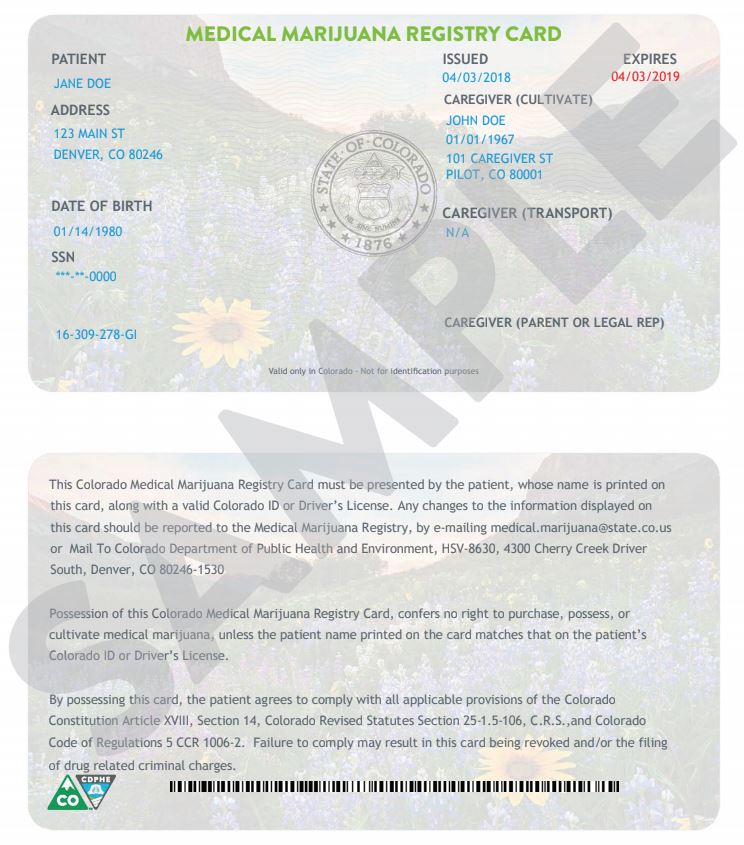
The application fee is a mandatory part of the process. The exact amount can fluctuate, so it’s essential to check the CDPHE’s current fee schedule. Payment is usually accepted in the form of a check or money order made payable to the CDPHE. Upon submission of a complete application, along with the required documentation and fee, the CDPHE will review your submission. If everything is in order, your application will be approved, and you will be issued a medical marijuana registry identification card. This card serves as your official credential for purchasing and possessing medical cannabis in Colorado. It’s important to keep this card safe, as it needs to be presented at licensed medical dispensaries. The processing time can vary, so it’s advisable to apply well in advance if you have a specific timeframe in mind. For those planning extended stays or exploring accommodations like apartments or villas, understanding the local regulations around medical cannabis is part of embracing the local lifestyle.
Navigating Colorado’s Medical Dispensaries and Regulations
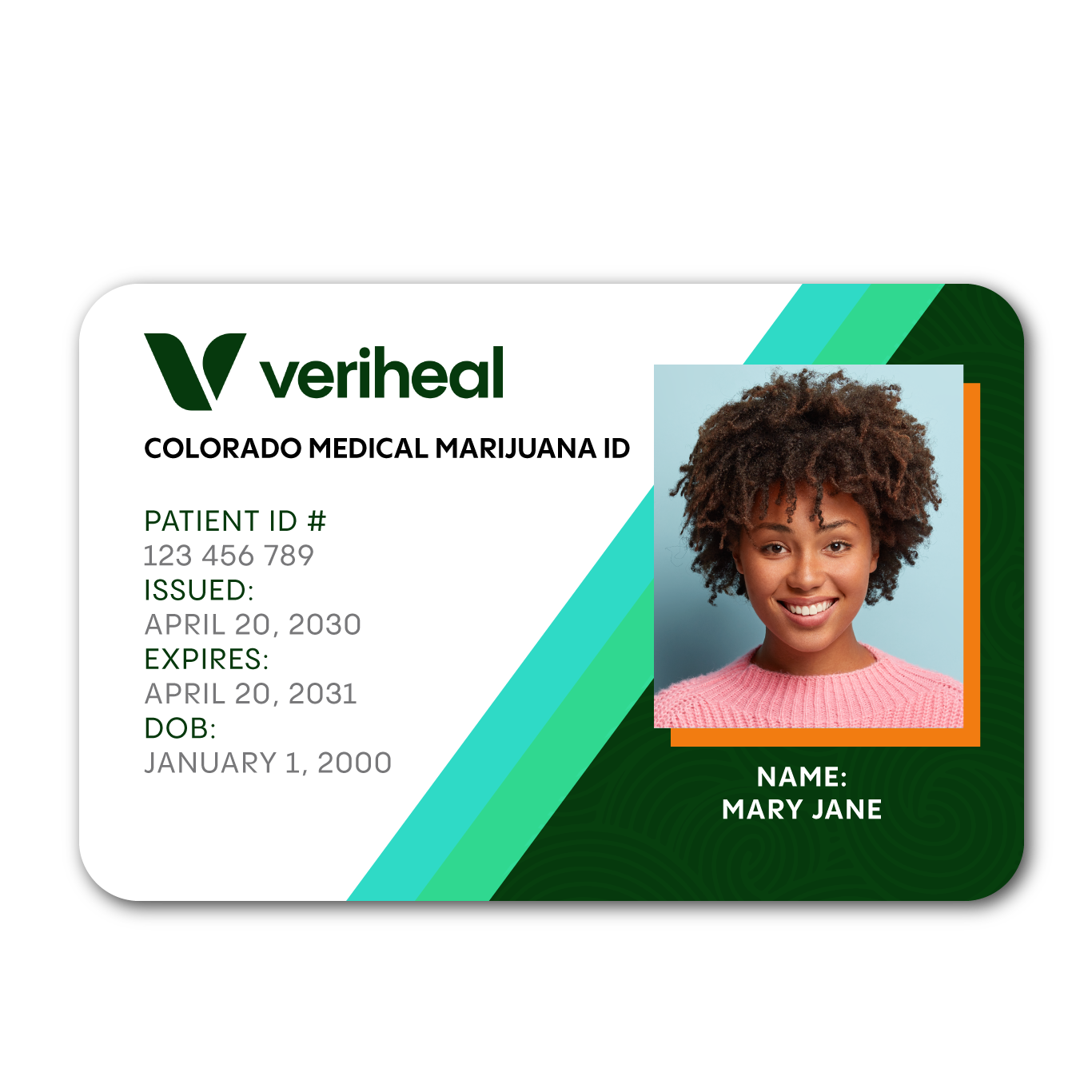
With your medical cannabis card in hand, you can now legally access medical cannabis dispensaries throughout Colorado. These dispensaries are licensed and regulated by the state, ensuring that the products sold meet quality and safety standards. It’s important to understand the rules surrounding purchasing, possessing, and consuming medical cannabis to avoid any legal issues.
Accessing Dispensaries and Purchasing Limits
Licensed medical dispensaries are your primary point of access for medical cannabis products. When you visit a dispensary, you will need to present your valid Colorado medical marijuana registry card and a government-issued photo ID. Dispensary staff are trained to verify these credentials and will guide you through the available product options. These options can range from flower (buds) and concentrates to edibles, tinctures, and topicals, each offering different methods of administration and onset times.
As a registered medical cannabis patient in Colorado, you are allowed to purchase up to two ounces of usable cannabis per day. This is a significantly higher limit than that for recreational consumers, reflecting the therapeutic needs of patients. It’s important to be mindful of these purchase limits to remain compliant with state laws. Dispensaries are required to track sales to ensure patients do not exceed their allotted amounts. Knowledge of these regulations is a key aspect of responsible cannabis consumption and is often shared through local tips within the tourism and lifestyle communities.
Rules on Possession and Consumption
Possession laws are also specific for medical cannabis cardholders. Generally, you can possess up to two ounces of usable cannabis. However, there are restrictions on where you can consume it. Public consumption of cannabis, whether medical or recreational, is illegal in Colorado. This includes parks, sidewalks, public transportation, and any other public spaces. Consumption is typically limited to private residences. Even in private settings, it’s important to be aware of local ordinances and landlord policies, especially if you are staying in a hotel, resort, or rented accommodation.
Driving under the influence of cannabis is also illegal and carries strict penalties, similar to driving under the influence of alcohol. Law enforcement officers are trained to detect impairment, and you can face significant legal consequences if caught. When traveling around Colorado, perhaps to explore landmarks like Garden of the Gods or enjoy activities in cities like Denver or Boulder, always adhere to these consumption and possession guidelines. Understanding these rules is a vital part of experiencing Colorado responsibly and enjoying its diverse attractions, from its natural beauty to its burgeoning cannabis tourism sector.
Beyond the Card: Medical Cannabis and Your Colorado Experience
Obtaining a medical cannabis card in Colorado can enhance your experience of the state for those who require it for medical reasons. It allows for legal and regulated access to treatments that can improve quality of life, enabling you to better enjoy the various facets of Colorado that attract millions of visitors and residents alike.
Integrating Medical Cannabis into Your Lifestyle and Travel
For individuals with qualifying conditions, having a medical cannabis card means being able to manage their symptoms while still engaging with Colorado’s offerings. This might mean being able to comfortably travel to mountain towns, enjoy outdoor activities in Rocky Mountain National Park, or explore the cultural attractions in cities like Denver. The ability to access medication can make a significant difference in one’s overall experience and well-being.
When planning your stay, whether it’s a luxury resort experience at The Broadmoor or a more budget-friendly apartment rental, understanding accommodation policies regarding cannabis consumption is paramount. While Colorado is progressive, not all private establishments permit smoking or vaping. It’s always best to inquire directly with your chosen accommodation to avoid misunderstandings. Many travelers find that responsible use, coupled with adherence to all state and local laws, allows for a more integrated and enjoyable visit. This also extends to understanding the nuances of local culture surrounding cannabis, which has become an integral part of the lifestyle in many Colorado communities.
Resources and Further Information
Navigating the medical cannabis landscape can sometimes present questions. The Colorado Department of Public Health and Environment (CDPHE) is the primary source for official information regarding the Medical Marijuana Registry. Their website provides application forms, fee schedules, and updates on regulations. Additionally, many licensed medical dispensaries have knowledgeable staff who can answer questions about products, purchasing limits, and local laws. Physician’s offices that specialize in medical cannabis recommendations can also be a valuable resource for understanding the medical aspects of treatment. For those interested in learning more about Colorado’s tourism sector, local visitor bureaus and tourism websites offer comprehensive guides to attractions, activities, and accommodation options across the state. By combining this knowledge with an understanding of the medical cannabis program, individuals can plan a fulfilling and compliant Colorado experience.
LifeOutOfTheBox is a participant in the Amazon Services LLC Associates Program, an affiliate advertising program designed to provide a means for sites to earn advertising fees by advertising and linking to Amazon.com. Amazon, the Amazon logo, AmazonSupply, and the AmazonSupply logo are trademarks of Amazon.com, Inc. or its affiliates. As an Amazon Associate we earn affiliate commissions from qualifying purchases.