
When planning a vibrant getaway or considering a new place to call home, understanding the local tax landscape is often a crucial, albeit less glamorous, part of the research. For many contemplating a visit to the Grand Canyon State – Arizona – a common question arises: “Does Arizona have state taxes?” The short answer is yes, Arizona does levy several types of state taxes. However, the more comprehensive answer, especially for travelers and those interested in lifestyle aspects, reveals a nuanced system that impacts everything from the cost of your Phoenix hotel stay to the price of a souvenir in Sedona.
Arizona’s taxation structure is designed to fund its public services and infrastructure, much like any other state in the United States. But beyond the raw numbers, these taxes play a significant role in the overall cost of living and the expense of a vacation. For globetrotters exploring Arizona’s diverse attractions, from the bustling city life of Scottsdale to the serene landscapes of Tucson, understanding these financial components can help in budgeting and decision-making. Whether you’re eyeing a luxury resort, a cozy bed and breakfast, or simply passing through, knowing what to expect on your receipts can make your travel experience smoother. This article delves into the specifics of Arizona’s tax system, highlighting its impact on tourism, accommodation, and the broader lifestyle for both visitors and residents.
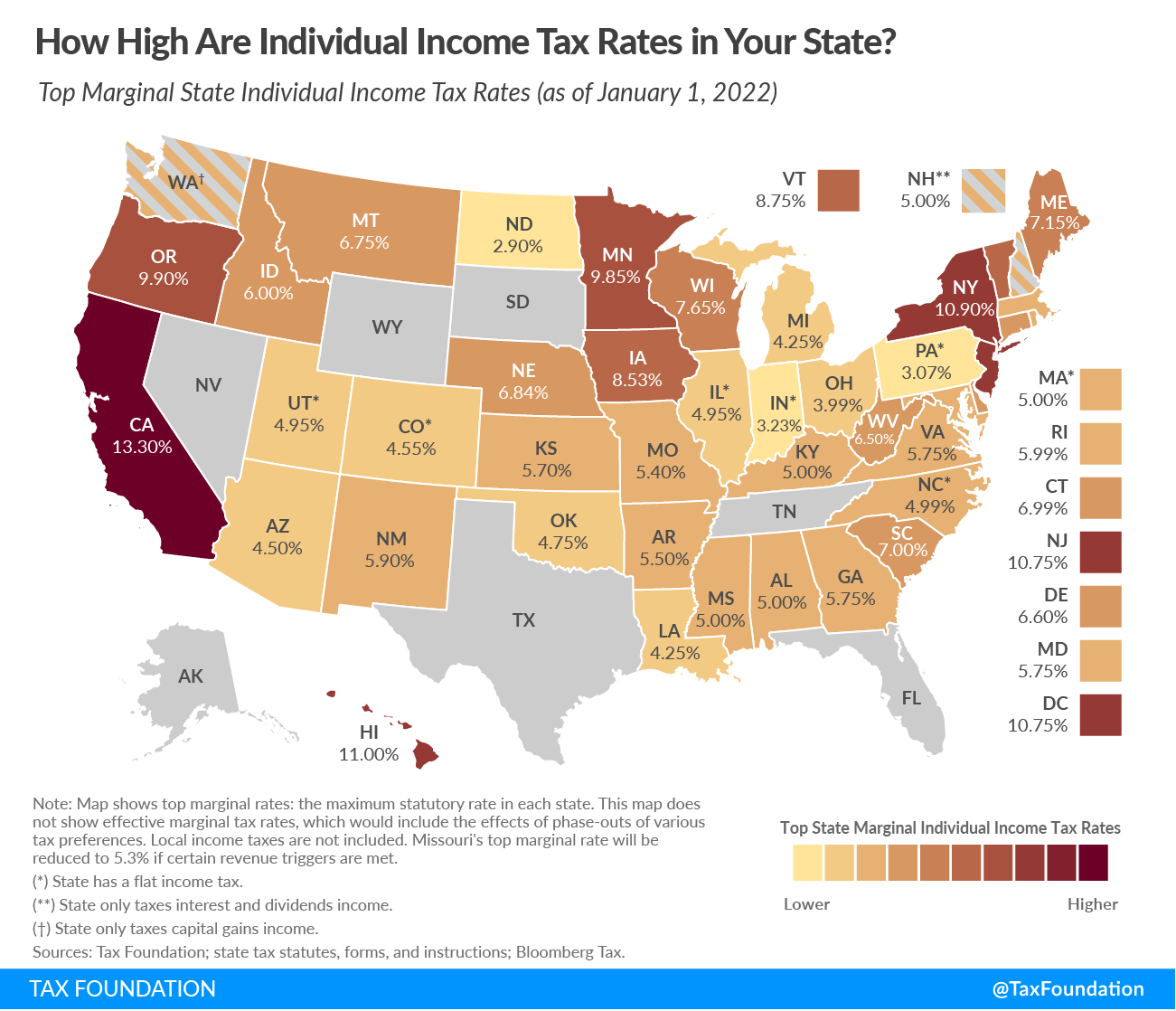
Understanding Arizona’s Tax Landscape for Visitors and Residents
Arizona’s tax system is multifaceted, incorporating various levies that contribute to the state’s revenue. For travelers and prospective residents, the most impactful taxes typically fall into categories like income tax, sales tax (known as Transaction Privilege Tax or TPT), and specific taxes related to tourism, such as lodging and rental car surcharges. These taxes can vary not only at the state level but also significantly from county to county and city to city, adding layers of complexity that are important to unravel for accurate financial planning. Understanding these distinctions is key to budgeting for your trip or assessing the financial implications of a move to the Grand Canyon State.
Arizona’s Income Tax: What You Need to Know
For individuals who reside in Arizona or earn income within the state, personal income tax is a primary consideration. Arizona operates with a progressive income tax system, meaning higher earners generally pay a larger percentage of their income in taxes. As of recent changes, the state has been moving towards a flatter tax structure, aiming to eventually implement a single, low flat tax rate. This evolution reflects an ongoing effort to make the state more attractive for businesses and individuals, potentially impacting decisions for those considering relocating or establishing a seasonal presence.
For most tourists, state income tax is not a direct concern unless they are engaging in work while visiting, such as remote workers earning income while temporarily residing in the state, or those participating in seasonal employment. “Snowbirds” – individuals who spend winter months in Arizona but maintain primary residency elsewhere – often need to navigate residency rules carefully to understand their tax obligations. These rules dictate whether they are considered temporary visitors or statutory residents for tax purposes, which can affect where they owe income tax. While the specifics can be complex, general advice points to consulting with a tax professional familiar with Arizona law, especially for extended stays or work-related income. The allure of Arizona’s year-round sunshine and vibrant communities like Mesa or Chandler continues to attract a significant population seeking to enjoy its unique lifestyle, making income tax considerations an important part of their financial planning.
Navigating Arizona’s Sales Tax (TPT): Impact on Your Purchases and Experiences
Perhaps the most universally encountered tax for anyone in Arizona, whether resident or visitor, is the Transaction Privilege Tax (TPT), commonly referred to as sales tax. Unlike a traditional sales tax found in many other states, Arizona’s TPT is technically a tax on businesses for the privilege of doing business in the state. However, businesses are typically permitted to pass this tax on to the consumer, making it function much like a sales tax from the buyer’s perspective. This tax applies to the sale of most tangible goods, as well as a wide array of services, including restaurant meals, retail purchases, and admissions to various attractions.
The state-level TPT rate is consistent across Arizona. However, cities and counties also have the authority to levy their own TPT rates, which are added on top of the state rate. This means that the total sales tax rate can vary significantly depending on your exact location within the state. For instance, shopping in Phoenix might involve a different combined TPT rate than making a purchase in Flagstaff or Yuma. This local variation is particularly important for tourists planning their budget for souvenirs, dining out, and entertainment. Before making significant purchases or budgeting for meals, it can be helpful to briefly check the local TPT rate for the city or town you’re visiting. Many online resources and official city websites provide this information, helping travelers to anticipate the final cost of their purchases. Awareness of these varied rates empowers visitors to better manage their spending, whether they’re exploring boutiques in Old Town Scottsdale or dining at a local eatery in Tempe.
The Direct Impact of Taxes on Your Arizona Travel Budget
For anyone planning a trip to Arizona, understanding how taxes specifically affect travel-related expenses is paramount. The cost of accommodation, transportation, and even daily activities can be significantly influenced by various state and local levies. These are not merely minor additions; they can accumulate, especially during longer stays or trips involving multiple cities. Being informed about these direct impacts allows travelers to build a more accurate and realistic budget, ensuring their experience of Arizona’s stunning landscapes, vibrant culture, and unique attractions remains enjoyable and financially predictable.
Accommodation Taxes: Lodging Costs Across the State
One of the most significant tax impacts for travelers is on accommodation. When you book a room at a hotel, resort, apartment, or even a short-term rental in Arizona, you’ll typically encounter a combination of state and local lodging taxes. The state of Arizona applies a Transaction Privilege Tax (TPT) to transient lodging, and many cities and counties also impose their own additional lodging taxes, often referred to as hotel or occupancy taxes. These local taxes can vary widely. For example, staying at a luxurious resort in Scottsdale like the Four Seasons Resort Scottsdale at Troon North or The Phoenician, a Luxury Collection Resort, Scottsdale might incur a higher combined lodging tax rate than staying in a smaller town, simply due to different city-imposed percentages.
These taxes are crucial for funding local tourism initiatives and infrastructure, but they also represent a notable addition to the base room rate. It’s not uncommon for combined lodging taxes to add anywhere from 10% to over 15% to the nightly cost of your stay. When comparing prices for hotels or exploring accommodation options, travelers should always factor in these additional taxes to get a true picture of the total expense. Some booking platforms might display the base rate first, with taxes added at a later stage of the booking process, so it’s wise to review the final price before confirming. Planning a stay at iconic locations like the Arizona Biltmore, A Waldorf Astoria Resort in Phoenix, or a relaxing retreat at the JW Marriott Scottsdale Camelback Inn Resort & Spa or Hyatt Regency Scottsdale Resort & Spa at Gainey Ranch, means being aware that the advertised nightly rate will likely increase once these taxes are applied. This is particularly relevant for those planning extended visits, booking suites for family trips, or seeking specific amenities where the cumulative tax can be substantial.

Transportation and Activity Taxes: Rental Cars and Beyond
Beyond accommodation, transportation costs are another area where taxes can impact a traveler’s budget. For many visitors exploring Arizona’s vast landscapes, renting a car is almost a necessity, especially for trips to destinations like the Grand Canyon National Park, Antelope Canyon, or even venturing into the Sonoran Desert for hiking and exploration. Arizona imposes a rental car surcharge, which is an additional fee added to the cost of vehicle rentals. This surcharge contributes to state and local transportation funds, including airport facilities and public transit. Much like lodging taxes, this fee is applied on top of the base rental rate and any standard sales tax (TPT) that also applies to the rental transaction.
Furthermore, fuel taxes are embedded in the price of gasoline purchased at the pump, affecting anyone driving through the state. While not an explicit tax added at checkout, it contributes to the overall cost of getting around. For activities, admissions to many attractions, tours, and services are subject to the Transaction Privilege Tax (TPT), which, as discussed, includes state and local components. Whether you’re booking a hot air balloon ride over Sedona, a Jeep tour through the desert, or visiting a museum, these taxes will be part of the final price. Even purchasing groceries, depending on the item, may include TPT in some jurisdictions, though many staples are exempt. Travelers should factor these potential additional costs into their daily spending, especially if their itinerary includes multiple paid attractions or extensive driving. This awareness is particularly useful for budget travelers or those planning family trips where every dollar counts towards maximizing the experience, from exploring Saguaro National Park to enjoying the vibrant arts scene of Tucson.

Beyond the Basics: Property Taxes and Other Considerations
While income, sales, and tourism-specific taxes are the most frequently encountered, Arizona’s tax framework also includes property taxes and various specialized levies. These might not directly impact every short-term tourist but become highly relevant for those considering extended stays, purchasing vacation homes, or evaluating the overall financial landscape of living in the state. Understanding these additional components provides a more complete picture of Arizona’s approach to taxation and its implications for diverse lifestyles, from luxury living to budget-conscious decisions.
Property Taxes: For Long-Term Stays and Vacation Home Owners
For individuals considering a long-term stay in Arizona, purchasing a vacation home, or permanently relocating, property taxes become a significant financial factor. Unlike income and sales taxes which have state-level components, property taxes in Arizona are primarily levied at the local level by counties, cities, school districts, and special taxing districts. This means the amount of property tax paid can vary substantially depending on the specific location of the property – a home in Paradise Valley will likely have a different property tax burden than a similar property in Prescott or Lake Havasu City.
Property values are assessed by county assessors, and these assessments, combined with the various tax rates set by local jurisdictions, determine the annual property tax bill. For those looking at extended accommodation options beyond traditional hotels, such as renting an apartment or villa for several months, property taxes might not be directly itemized on their rent bill, but they are implicitly factored into the rental price by landlords. Investors interested in real estate, perhaps considering a short-term rental property to cater to the booming tourism market, must meticulously account for property taxes in their financial projections. These taxes contribute to local services such as schools, fire departments, and police, directly impacting the quality of life and infrastructure in communities across Arizona. Thus, for anyone envisioning a more permanent connection with the state, whether for retirement, investment, or a change of scenery, a thorough understanding of local property tax rates is indispensable.
Sin Taxes and Specialized Levies: A Smaller Piece of the Pie
Beyond the major tax categories, Arizona also imposes what are often referred to as “sin taxes” and other specialized levies. These taxes are typically placed on specific goods or services, often with the dual purpose of generating revenue and influencing consumer behavior. The most common examples include taxes on tobacco products and alcoholic beverages. For travelers, this means that the price of a pack of cigarettes or a drink at a bar in Glendale or Peoria will include these state-mandated taxes. While they might add a smaller amount to an individual’s total expenditure compared to lodging or rental car taxes, they are a consistent part of the cost for those who consume these items.
Other specialized levies might include taxes on certain types of gambling or environmental fees, though these are less likely to directly impact the average tourist’s budget on a day-to-day basis. The revenue generated from these “sin taxes” is often earmarked for specific public programs, such as healthcare initiatives or education, providing another source of funding for state services. While not a primary focus for most visitors, being aware of these smaller taxes contributes to a holistic understanding of Arizona’s financial landscape. They form part of the background cost structure, impacting lifestyle choices and ultimately contributing to the overall economic environment of the state, from its vibrant cities to its serene natural landmarks.
Maximizing Your Arizona Experience: Tax-Smart Travel Tips
Navigating Arizona’s tax system doesn’t have to be a daunting task. With a little foresight and planning, you can ensure that taxes don’t unexpectedly inflate your travel budget or detract from your enjoyment of the Grand Canyon State’s many wonders. For travelers and those considering a more extended stay, a few smart strategies can help maximize value and minimize surprises.
One of the most effective tips is to budget with taxes in mind. When looking at advertised prices for hotels like the Loews Ventana Canyon Resort in Tucson or the Westin Kierland Resort & Spa in Scottsdale, always assume that an additional 10-15% will be added for lodging taxes. The same applies to rental cars and significant purchases. Many online booking platforms now offer a “total price including taxes and fees” option, which is always recommended for an accurate estimate. Secondly, be aware of local variations. Since sales tax (TPT) and lodging taxes vary by city and county, a quick online search for “sales tax in Phoenix” or “hotel tax in Sedona” can provide clarity. This knowledge might influence where you choose to stay or make larger purchases, especially if you’re traveling on a tight budget.
For those planning long-term stays or considering purchasing property, consulting local experts is invaluable. A real estate agent in Arizona can provide detailed information on property tax rates for specific neighborhoods, while a tax advisor can help navigate income tax implications for non-residents or new residents. Additionally, consider loyalty programs and package deals. Many hotels, like the historic Wigwam Resort in Litchfield Park or the elegant Omni Scottsdale Resort & Spa at Montelucia, offer loyalty programs that can lead to discounts or free nights, effectively offsetting some of the tax burden. Travel packages often bundle flights, hotels, and sometimes rental cars, which can sometimes result in overall savings, though you should still scrutinize the final price breakdown to understand what taxes are included. Finally, timing your visit can also play a subtle role. Off-peak seasons might offer lower base rates on accommodation and flights, meaning the percentage-based taxes apply to a smaller initial cost. While taxes are an unavoidable part of engaging with Arizona’s economy, being informed and strategic ensures they don’t overshadow the magnificent experiences awaiting you.
In conclusion, yes, Arizona does have state taxes, and these taxes play a significant role in the overall cost of visiting or living in the state. From income tax for residents to sales tax (TPT) on everyday purchases, and specific lodging and rental car taxes for tourists, the system is designed to fund the state’s operations and services. While these taxes add to the expense, they are a small price to pay for the unparalleled beauty, vibrant culture, and diverse experiences that Arizona offers. With careful budgeting and an understanding of how these taxes apply to your travel and lifestyle choices, you can fully embrace all that the Grand Canyon State has to offer, from the red rocks of Sedona to the bustling streets of Phoenix and the awe-inspiring depths of the Grand Canyon.
LifeOutOfTheBox is a participant in the Amazon Services LLC Associates Program, an affiliate advertising program designed to provide a means for sites to earn advertising fees by advertising and linking to Amazon.com. Amazon, the Amazon logo, AmazonSupply, and the AmazonSupply logo are trademarks of Amazon.com, Inc. or its affiliates. As an Amazon Associate we earn affiliate commissions from qualifying purchases.