
The Golden State, California, stands as a beacon for many, drawing individuals with its captivating landscapes, vibrant culture, and an unparalleled array of lifestyle opportunities. From the sun-kissed beaches of San Diego to the majestic redwoods of the north, and the bustling metropolises of Los Angeles and San Francisco, it offers a diverse tapestry of experiences for tourists, long-term visitors, and those considering it as a permanent home, especially in retirement. For many contemplating such a significant life change or an extended stay, understanding the financial landscape, particularly regarding taxation, becomes paramount. A common and crucial question that frequently arises for retirees or those approaching retirement age is: “Is Social Security taxable in California?” The answer to this question holds significant implications for financial planning, influencing everything from daily living expenses to the budget allocated for travel, accommodation, and leisure activities across this magnificent state.
This article delves into the intricacies of Social Security taxation for California residents and potential newcomers, dissecting both federal and state regulations. We will explore how these tax considerations can impact your retirement lifestyle, offering insights into how strategic financial planning can free up resources for unforgettable experiences, comfortable accommodation, and extensive exploration of California’s iconic landmarks and hidden gems. Whether you dream of a luxurious retirement filled with gourmet dining and stays in opulent resorts or a more budget-conscious approach to travel and living, a clear understanding of your tax obligations is the first step towards realizing your California dream.
Navigating Social Security Taxation: Federal vs. State Perspectives
Understanding how Social Security benefits are taxed requires distinguishing between federal and state regulations. While the rules set by the United States government apply uniformly across all states, individual states have the autonomy to impose their own taxes on these benefits. This dual system often leads to confusion, making it essential for retirees and those planning their future to grasp both aspects.
The Federal Stance on Social Security Benefits
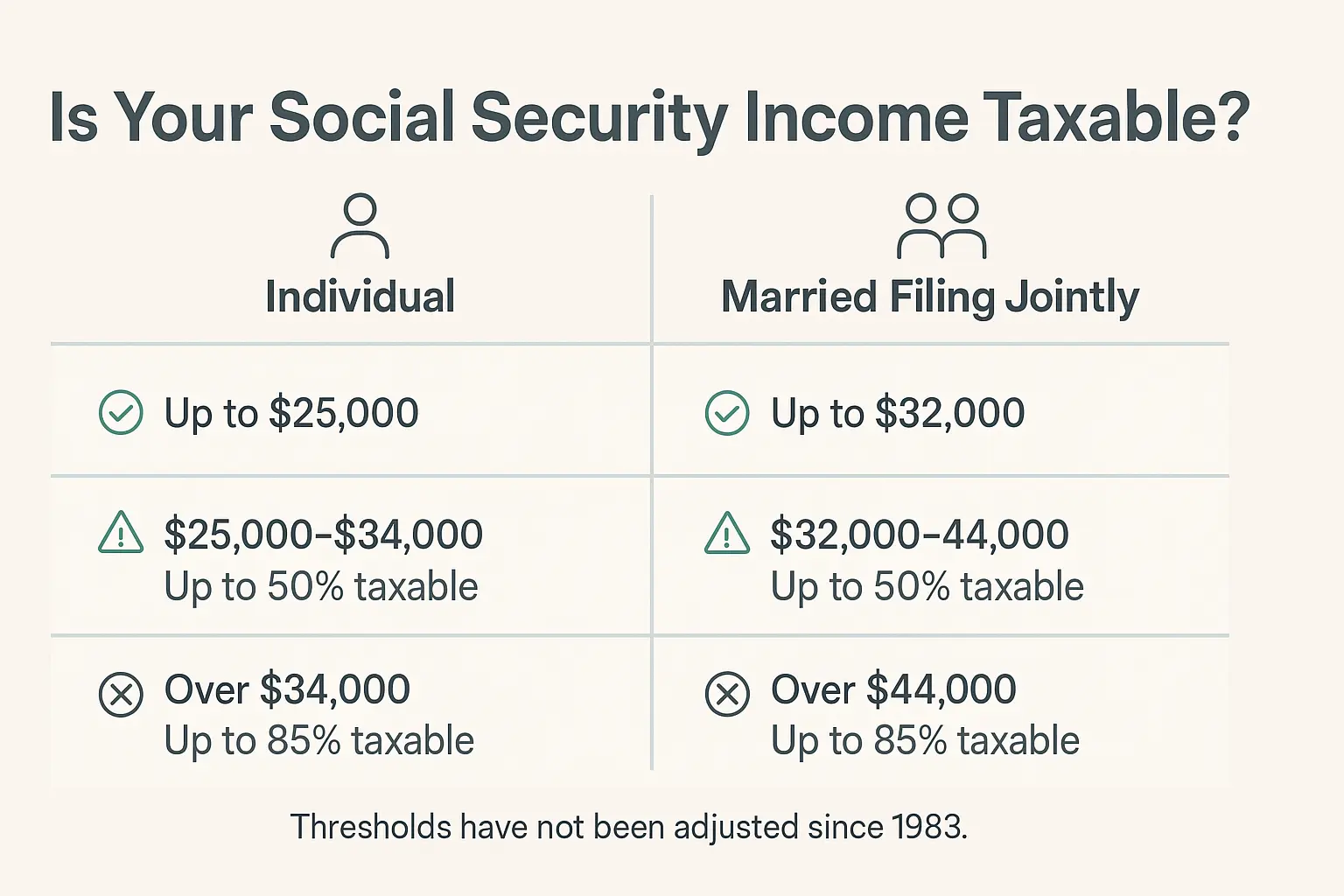
At the federal level, Social Security benefits can be taxable for many recipients. The Internal Revenue Service (IRS) uses a calculation involving what’s known as “provisional income” to determine how much of your benefits, if any, will be subject to federal income tax. Provisional income is essentially the sum of your adjusted gross income (AGI), any tax-exempt interest income, and half of your Social Security benefits.
The thresholds for federal taxation are as follows:
- For individuals filing as single, head of household, or qualifying widow(er): If your provisional income is between $25,000 and $34,000, up to 50% of your benefits may be taxable. If your provisional income exceeds $34,000, up to 85% of your benefits may be taxable.
- For those married filing jointly: If your provisional income is between $32,000 and $44,000, up to 50% of your benefits may be taxable. If your provisional income exceeds $44,000, up to 85% of your benefits may be taxable.
- For those married filing separately and living with their spouse at any time during the year: If your provisional income is more than $0, up to 85% of your benefits may be taxable.
It’s crucial to remember that these are federal rules, applying to all Social Security recipients in the United States, regardless of which state they reside in. This federal tax liability is a baseline consideration for anyone receiving Social Security.
California’s Unique Position on Social Security
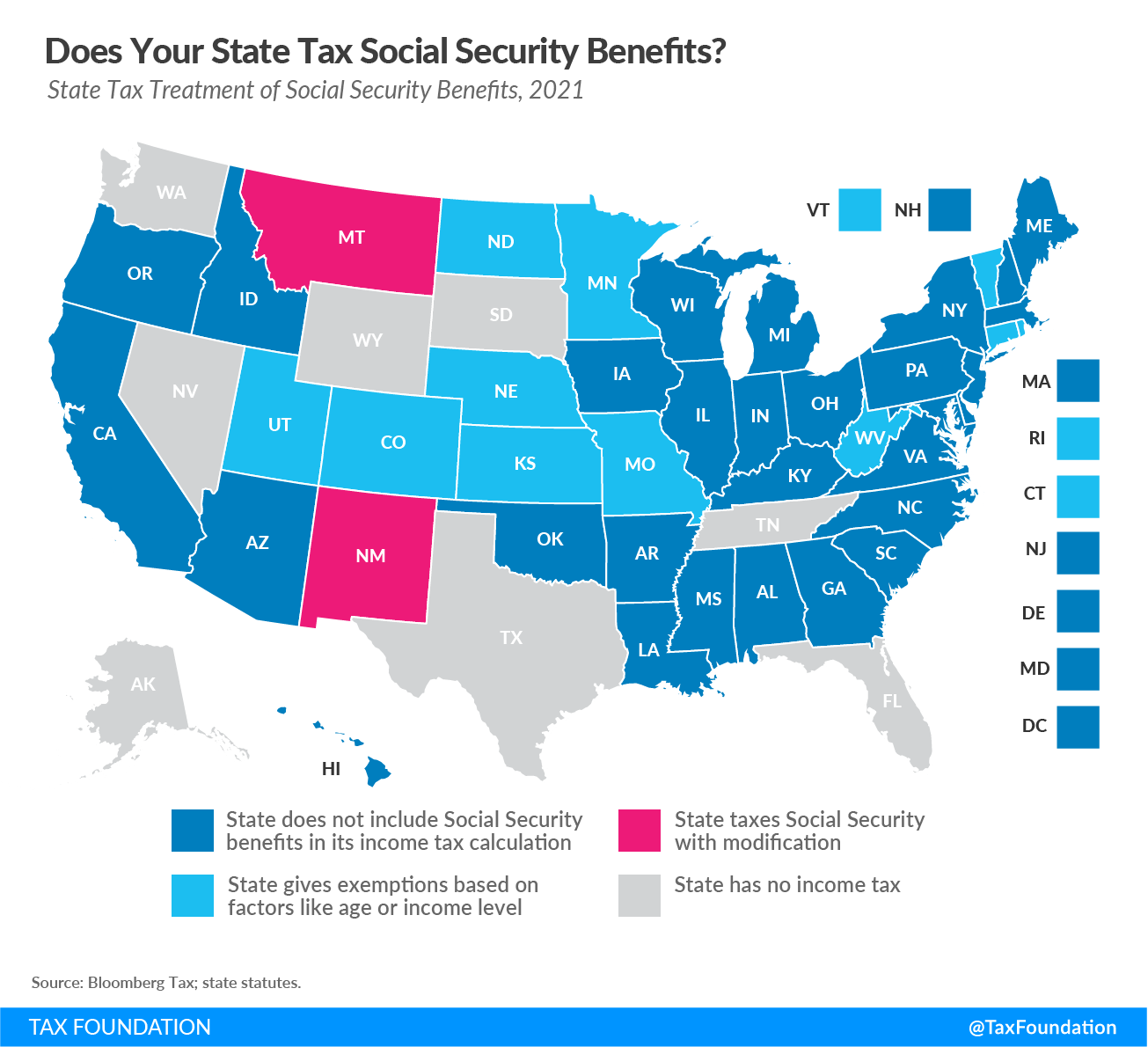
Now, addressing the pivotal question for those eyeing the Golden State: Does California tax Social Security benefits at the state level? The unequivocal answer is no. California is one of the many states that does not levy state income tax on Social Security benefits. This is a significant advantage for retirees and those planning an extended stay in California, setting it apart from states that do tax these benefits, such as Colorado, Connecticut, Kansas, Minnesota, Montana, Nebraska, New Mexico, Rhode Island, Utah, Vermont, and West Virginia.
This state-level exemption means that while a portion of your Social Security benefits might still be subject to federal income tax based on your provisional income, California will not impose any additional state income tax on those benefits. This policy decision by the state of California can significantly impact a retiree’s overall financial well-being and disposable income, potentially freeing up funds that can be allocated towards enjoying the state’s myriad attractions, choosing more desirable accommodation, or simply enhancing their day-to-day lifestyle.

The Allure of California for Retirees and Long-Term Visitors
The decision to retire or settle long-term in a particular location is influenced by a myriad of factors, from climate and culture to family proximity and healthcare. For many, financial considerations, particularly taxation, play a pivotal role. California’s exemption of Social Security benefits from state income tax adds a compelling layer to its already strong appeal as a retirement and long-term visitor destination.
Lifestyle and Cost of Living Considerations
While the lack of state tax on Social Security benefits is a definite perk, it’s essential to view it within the broader context of California’s overall cost of living. The state is renowned for its higher-than-average expenses, especially concerning housing in popular metropolitan areas like Los Angeles, San Francisco, and San Diego. However, the tax savings on Social Security can act as a valuable offset, providing retirees with more disposable income to manage these costs or invest in a richer lifestyle.
This exemption becomes particularly attractive when considering various retirement lifestyles. Whether one dreams of coastal living in a serene town, embracing the urban vibrancy of a major city, or finding tranquility in the desert landscapes around Palm Springs, the financial advantage can help make these aspirations more attainable. It’s also important to remember that other forms of retirement income, such as private pension payouts, 401(k) withdrawals, and IRA distributions, are generally subject to California state income tax. Therefore, a comprehensive financial plan that accounts for all income sources is crucial.
Maximizing Your Retirement Budget for Travel and Experiences
The money saved from not paying state taxes on Social Security benefits can directly translate into a more expansive budget for travel, tourism, and unique experiences within California and beyond. Imagine being able to allocate those savings to:
- Elevated Accommodation: Instead of a basic motel, perhaps a stay at a luxurious Hyatt Regency overlooking the Pacific Ocean in Monterey Bay, or a charming boutique hotel amidst the vineyards of Napa Valley or Sonoma County. For longer stays, this extra budget could make a difference in securing a comfortable apartment or villa for an extended period, perhaps in a vibrant community like Santa Monica.
- Unforgettable Adventures: Explore the awe-inspiring granite cliffs and giant sequoias of Yosemite National Park, walk across the iconic Golden Gate Bridge in San Francisco, or immerse yourself in the magic of Disneyland Park in Anaheim. For film enthusiasts, a visit to Universal Studios Hollywood offers a thrilling glimpse behind the scenes.
- Cultural and Culinary Immersion: Indulge in world-class dining experiences, attend performances at the Hollywood Bowl, or explore the vast collections at the Getty Center. The savings can also fund participation in local festivals, cooking classes focused on California cuisine, or guided tours through historic districts.
This additional financial flexibility allows retirees to tailor their travel and leisure activities to their preferences, whether that involves luxury travel, adventurous excursions, or deep cultural immersion, all without significantly dipping into other retirement savings.
Financial Planning for a Golden State Retirement
Making the move to California for retirement, or planning for an extended stay, involves more than just admiring the scenic beauty; it requires meticulous financial planning. While the state’s non-taxation of Social Security benefits is a considerable advantage, it’s crucial to understand the broader tax landscape and how to strategically manage your finances for a comfortable and enjoyable lifestyle.
Understanding Your Overall Tax Burden in California
Beyond Social Security, other taxes in California will impact your overall financial picture:
- State Income Tax: California has a progressive state income tax system, meaning higher earners pay a higher percentage. As mentioned, most other retirement income sources, such as pensions, 401(k) withdrawals, and IRA distributions, are subject to this tax. It’s important to factor your total taxable income into your planning.
- Property Tax: While California’s Proposition 13 limits property tax increases on a purchased home, initial property taxes can be substantial due to high home values in many desirable areas. Understanding the implications of this proposition, especially for long-term homeowners, is vital.
- Sales Tax: California has one of the highest state sales tax rates in the United States, which can further increase with local district taxes. This impacts the cost of goods and services purchased throughout the state, from a souvenir at the Santa Monica Pier to groceries in Sacramento.
Given these various tax obligations, consulting a financial advisor specializing in California tax laws is highly recommended. They can help you create a comprehensive financial plan that optimizes your income, minimizes your tax burden across all categories, and ensures your retirement savings are leveraged effectively for your desired lifestyle. This professional guidance can be invaluable, especially for those relocating from other states with different tax structures.
Strategic Accommodation and Long-Term Stays
The tax savings on Social Security benefits can also significantly influence your choices for accommodation and long-term stays in California. Whether you’re considering purchasing property, renting an apartment for an extended period, or staying in various hotels, having more disposable income provides greater flexibility.
- Purchasing Property: If buying a home is part of your California dream, the extra funds can contribute to a down payment, help cover closing costs, or provide a buffer for unexpected home expenses. It might also allow you to consider properties in more desirable neighborhoods or regions.
- Long-Term Rentals: For those preferring not to own, or wishing to explore different areas of the state before settling, long-term rentals (apartments, condos, or even villas) become more accessible. The financial advantage can allow for a better quality rental in areas that might otherwise be just out of budget, perhaps in a charming community near Lake Tahoe or a vibrant urban center within Silicon Valley.
- Extended-Stay Hotels: For individuals or couples seeking ultimate flexibility without the commitment of a lease, extended-stay hotels like Residence Inn by Marriott or Homewood Suites by Hilton offer comfortable, apartment-style living with hotel amenities. The tax savings can make these options more affordable for longer durations, allowing you to explore different parts of California seasonally without the hassle of permanent residence.
The choice of accommodation profoundly impacts the cost of living, and leveraging your tax-exempt Social Security benefits can provide the freedom to select options that truly enhance your California experience, whether that’s a luxurious resort stay, a comfortable apartment, or a series of varied long-term hotel experiences.
Exploring California: Beyond the Tax Advantages
While the financial benefit of non-taxed Social Security is a powerful draw, California’s enduring appeal extends far beyond its fiscal policies. The state offers an unparalleled diversity of experiences that cater to every interest, making it a dream destination for retirees and long-term visitors alike.
Iconic Destinations and Unforgettable Experiences
The sheer breadth of tourism and leisure opportunities in California is astounding. From world-renowned natural wonders to bustling cultural hubs, there’s always something new to discover:
- Natural Wonders: Explore the towering ancient trees of Redwood National Park, witness the stark beauty of Death Valley National Park, or drive the breathtaking coastal highway through Big Sur. Each landscape offers unique opportunities for hiking, photography, and serene contemplation.
- Urban Adventures: Stroll down the Hollywood Walk of Fame in Los Angeles, ride a cable car through the hilly streets of San Francisco, or explore the historic Gaslamp Quarter in San Diego. Each city offers distinct cultural experiences, from diverse culinary scenes to world-class museums and vibrant nightlife.
- Leisure and Relaxation: Indulge in wine tasting tours in Napa Valley or Sonoma County, play a round of golf in Palm Springs, or simply relax on the picturesque beaches stretching along the California coastline.
The absence of state tax on Social Security can make these experiences more accessible, allowing retirees to engage more fully with the diverse offerings of the Golden State.
The Lifestyle Appeal: Community, Climate, and Culture
Beyond specific destinations, the overall lifestyle in California is a powerful magnet. The state boasts an exceptional climate, offering mild winters and abundant sunshine in many regions, which is ideal for an active retirement. Its diverse communities foster a rich cultural tapestry, with influences from around the globe, providing endless opportunities for learning and engagement.
From thriving arts scenes and innovative culinary trends to a strong emphasis on health and wellness, California offers a dynamic environment that caters to a wide range of interests. The ability to live comfortably and enjoy these facets of California life, partly supported by favorable tax policies on retirement income, makes it an even more attractive prospect for those planning their golden years.
In conclusion, for those asking, “Is Social Security taxable in California?”, the answer is a reassuring no at the state level. This crucial exemption, combined with the state’s unparalleled beauty and lifestyle opportunities, presents a compelling case for California as a premier destination for retirement or extended stays. While federal taxes on Social Security benefits still apply based on income thresholds, and other California taxes like income tax on other retirement funds, property tax, and sales tax need to be factored in, the non-taxation of Social Security benefits offers a significant financial advantage. By understanding these nuances and engaging in thorough financial planning, individuals can unlock the full potential of their retirement years, ensuring they have the resources to enjoy the abundant travel, accommodation, and lifestyle experiences that only the Golden State can offer.
LifeOutOfTheBox is a participant in the Amazon Services LLC Associates Program, an affiliate advertising program designed to provide a means for sites to earn advertising fees by advertising and linking to Amazon.com. Amazon, the Amazon logo, AmazonSupply, and the AmazonSupply logo are trademarks of Amazon.com, Inc. or its affiliates. As an Amazon Associate we earn affiliate commissions from qualifying purchases.