
Colorado, a state renowned for its breathtaking mountain vistas, vibrant outdoor lifestyle, and diverse natural beauty, occasionally experiences periods where the skies are less than perfectly clear. Today, many residents and prospective travelers might be looking out their windows or checking air quality reports, asking, “Where is all this smoke coming from?” While a hazy sky can momentarily obscure the stunning panoramas of the Rocky Mountains, understanding its origins and implications is key to navigating your travel plans effectively. Far from being a deterrent, this knowledge empowers visitors to make informed decisions, adapt their itineraries, and still enjoy the myriad experiences Colorado has to offer, from world-class resorts to captivating urban attractions. This guide delves into the sources of the current haze, its potential impact on tourism, and practical advice for ensuring your Colorado adventure remains unforgettable, smoke or shine.
Pinpointing the Sources: Unraveling Colorado’s Haze
The presence of smoke in the skies over Colorado is a recurring phenomenon, particularly during certain seasons. While it can be visually disruptive and raise air quality concerns, understanding its various origins helps demystify the situation and provides context for travelers. The sources are often multifaceted, ranging from localized incidents within the state’s borders to vast, distant events whose smoke plumes travel thousands of miles.
Local Wildfires: The Primary Culprit
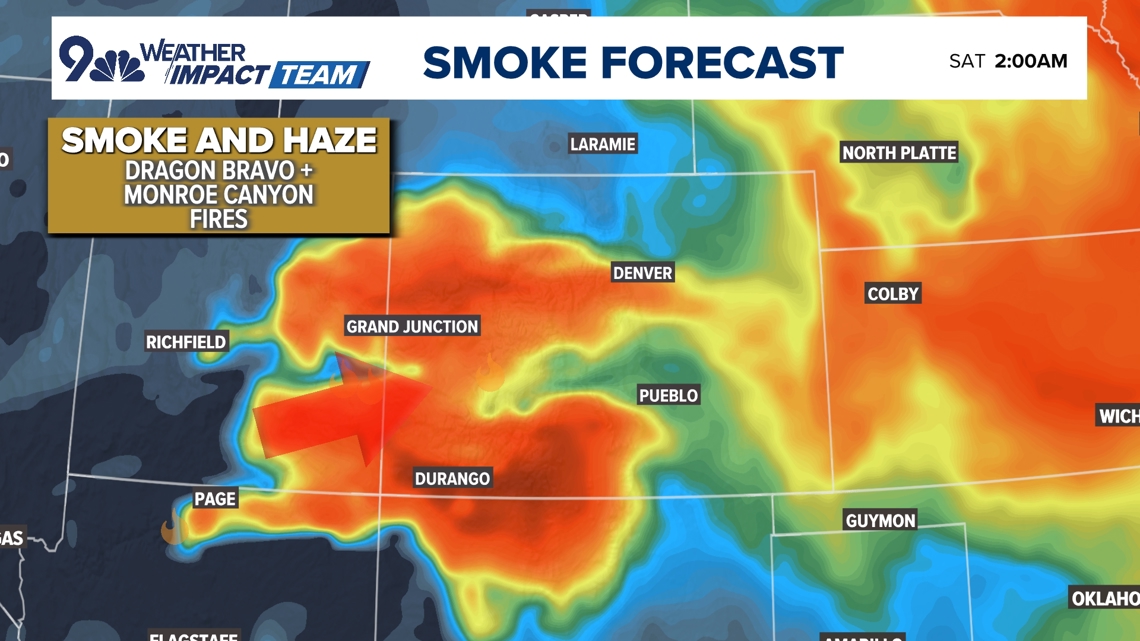
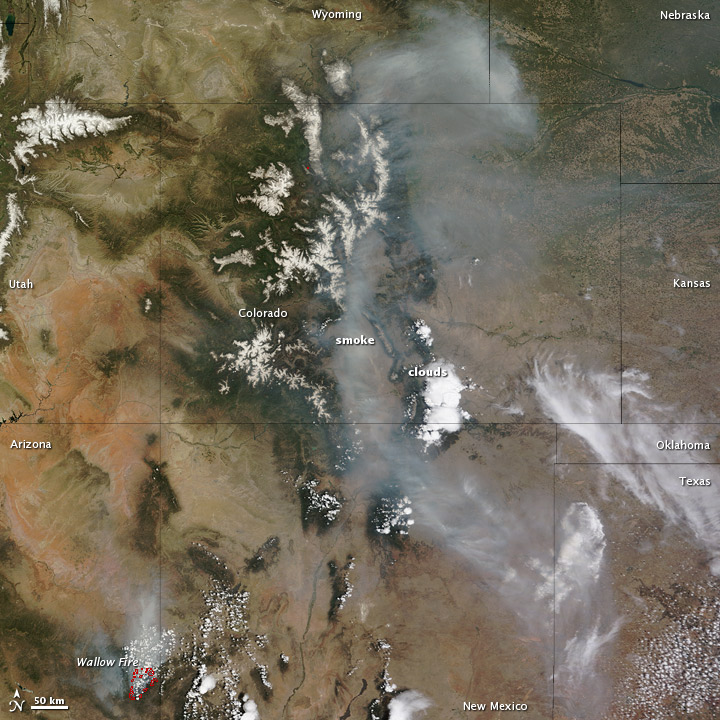
When smoke blankets significant portions of Colorado, the most immediate suspect is typically a wildfire burning within the state itself. These fires, often ignited by lightning strikes or human activity, can spread rapidly across vast tracts of forest and open land, generating substantial smoke. Currently, a significant contributor to the hazy conditions is the Sulphur Gulch Fire, actively burning near DeBeque. This particular blaze, located in Mesa County and affecting public lands managed by the Bureau of Land Management, has been active for several days. Prevailing winds are playing a crucial role in its eastward propagation, carrying dense smoke plumes across the state. As a result, areas as far-flung as the bustling Denver metropolitan area and the scenic city of Colorado Springs are experiencing noticeable smoke and reduced air quality. The proximity of these fires means their impact is often direct and can lead to more concentrated smoke.
Regional and Distant Influences: A Broader Sky
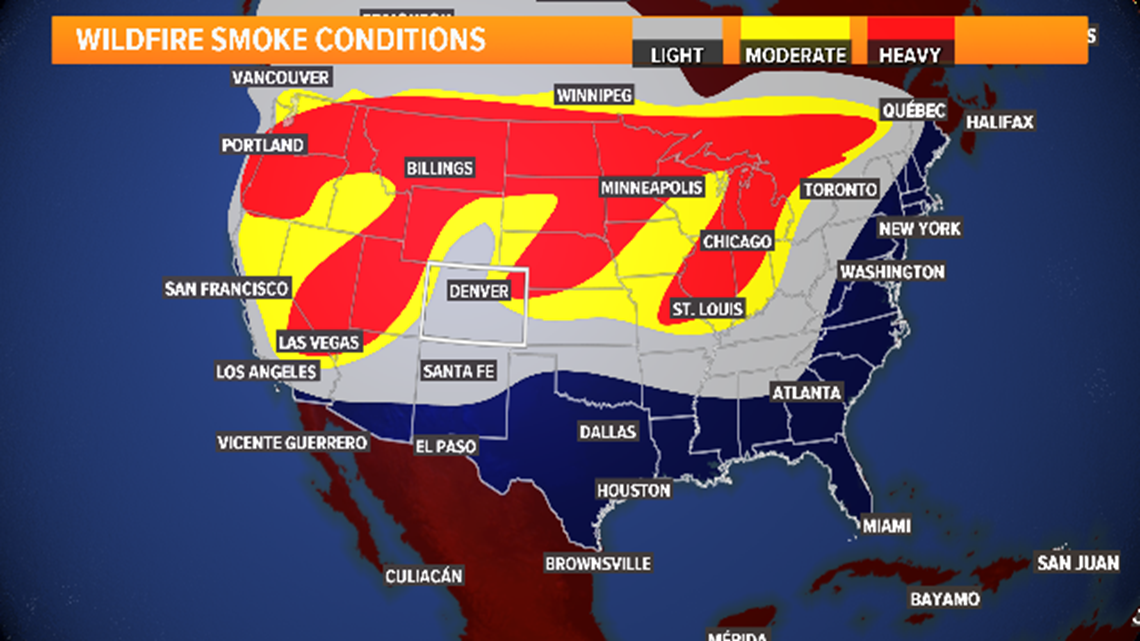
It’s important to recognize that not all smoke originates from within Colorado’s borders. The atmospheric highway is a busy one, and smoke from large-scale wildfires burning in neighboring or even far-off states can easily drift into the region. During late summer and early fall, it’s particularly common for smoke from extensive fires in California and Oregon, among other western states, to be carried by prevailing westerly winds across the continental divide and into Colorado. This phenomenon can lead to widespread haze, even when there are no active fires within Colorado itself. In some extreme cases, smoke from fires thousands of miles away can contribute to the atmospheric conditions, with plumes occasionally even reaching as far east as Kansas and Nebraska, demonstrating the interconnectedness of atmospheric systems. The National Weather Service diligently tracks these large-scale smoke movements, providing valuable forecasts that help both residents and travelers understand potential air quality impacts.
Other Contributors: Prescribed Burns and Agricultural Activities
Beyond uncontrolled wildfires, other sources can contribute to smoky skies. Prescribed burns, which are intentionally set and carefully managed fires, are a critical tool used by land management agencies to reduce fuel loads, prevent larger, more destructive wildfires, and promote ecosystem health. While beneficial in the long run, these controlled burns inevitably produce smoke. Agencies typically conduct them during specific weather windows to minimize impact, but their smoke can still drift into populated areas. Similarly, agricultural burning in Colorado and surrounding states, used for field clearing and pest control, can also release smoke into the atmosphere. While usually less intense and localized than wildfire smoke, these activities collectively contribute to the overall air quality profile of the region. Understanding these various contributors provides a comprehensive picture of why Colorado’s skies might appear hazy at different times of the year, underscoring the dynamic nature of its environment.
Impact on Travel and Tourism in Colorado
The presence of smoke, regardless of its origin, can undoubtedly influence the travel experience in Colorado. For a state that thrives on its natural beauty and outdoor adventures, hazy skies and compromised air quality present unique challenges for visitors. However, with foresight and adaptability, travelers can still craft an incredibly rewarding itinerary.
Visual Impairment and Outdoor Activities
One of the most immediate and noticeable impacts of smoke is the reduction in visibility. Colorado’s iconic mountain vistas, expansive horizons, and dramatic landscapes are primary draws for tourists. When smoke hangs heavy in the air, these views can be obscured, transforming sharp peaks into hazy silhouettes. This visual impairment can lessen the appeal of scenic drives, hiking trails, and panoramic viewpoints within destinations like Rocky Mountain National Park.
Furthermore, outdoor activities are often directly affected. The vibrant skiing resorts of Aspen and Vail, renowned for crisp air and clear skies, might find their allure diminished during smoky periods. Hiking, mountain biking, rock climbing, and even leisurely strolls in the city parks can become less enjoyable or even unhealthy. Athletes or those with ambitious outdoor plans might need to reconsider strenuous activities, as inhaling smoke can irritate the respiratory system and exacerbate pre-existing conditions. For adventure seekers, this might mean temporarily pausing plans to conquer a challenging fourteener or spending a day fly-fishing in a pristine river.
Health Concerns for Visitors
Beyond the aesthetic impact, smoke can pose significant health risks, particularly for sensitive groups. The National Weather Service frequently issues air quality alerts, especially when particulate matter (PM2.5) levels are elevated. These microscopic particles can penetrate deep into the lungs and even enter the bloodstream, leading to a range of health issues. Individuals with respiratory conditions such as asthma, bronchitis, or emphysema, as well as those with heart disease, young children, and the elderly, are particularly vulnerable.
Symptoms can include coughing, throat irritation, shortness of breath, and headaches. For a carefree vacation, such health concerns can be a significant drawback. Tourists planning a trip to Colorado during periods prone to smoke should consult their doctors, especially if they have pre-existing health conditions. Carrying necessary medications and being aware of air quality forecasts are crucial steps to ensure a safe and healthy trip. The goal is to enjoy Colorado’s beauty without compromising one’s well-being.
Adapting Your Itinerary: Indoor Alternatives and Air Quality Monitoring
The good news is that Colorado offers an abundance of attractions and activities that are immune to smoky conditions. Adaptability is key. When outdoor visibility is low or air quality is poor, travelers can pivot to exploring the state’s rich cultural scene, diverse culinary landscape, and numerous indoor entertainment options. Cities like Denver and Boulder boast world-class museums, art galleries, breweries, and unique shopping districts.
Monitoring air quality is a non-negotiable step. Websites and apps dedicated to air quality index (AQI) forecasts provide real-time data and advisories, allowing travelers to plan their day minute by minute. If the AQI is high in one area, it might be perfectly acceptable in another, necessitating a shift in plans. Many hotels and resorts are also becoming more proactive, offering enhanced indoor amenities. The key for a successful trip during smoky periods is to remain flexible, stay informed, and be prepared to embrace the state’s vibrant indoor offerings as readily as its outdoor splendors.
Navigating Your Colorado Trip Amidst Smoky Skies
While smoky conditions can present an unforeseen challenge for travelers, they don’t have to derail your Colorado experience. With careful planning, smart choices, and a flexible mindset, you can still enjoy an enriching and memorable journey. The state’s diverse offerings ensure that even when the skies are hazy, there’s always something spectacular to discover.
Choosing the Right Accommodation: Amenities and Air Filtration
When air quality is a concern, your choice of accommodation becomes even more critical. Many hotels, suites, resorts, and apartments are now taking proactive measures to ensure guest comfort. Upscale establishments, such as the Hyatt Regency Denver at Colorado Convention Center or the luxurious St. Regis Aspen Resort, often feature advanced HVAC systems with high-efficiency particulate air (HEPA) filters, specifically designed to mitigate indoor air pollution. When booking, inquire about their air purification systems or if they offer rooms with air purifiers.
Beyond air quality, consider the array of indoor amenities. Resorts like the Garden of the Gods Resort and Club in Colorado Springs offer expansive indoor spas, state-of-the-art fitness centers, and fine dining experiences, providing a sanctuary when outdoor activities are limited. Boutique hotels in Boulder or Denver might offer cozy libraries, indoor pools, or art installations that make staying inside a pleasure. For long-term stays, particularly for business travelers, checking apartment amenities – from modern kitchens for self-catering to comfortable workspaces – becomes crucial. Budget-conscious travelers can still find comfortable stays with good ventilation, or look for accommodations that offer shared indoor spaces like lounges or game rooms. Reading reviews for cleanliness and indoor environment can also provide valuable insights.
Essential Travel Tips and Resources
Preparation and awareness are your best allies. Before and during your trip, make use of reliable resources:
- Air Quality Monitoring: Regularly check current and forecasted Air Quality Index (AQI) reports from government agencies like the EPA (Environmental Protection Agency) or local health departments. Websites like AirNow.gov are excellent tools.
- Weather Forecasts: Stay updated on wind patterns. Strong winds can clear smoke quickly, while stagnant air can trap it. The National Weather Service provides detailed meteorological information.
- Health Precautions: If you have respiratory sensitivities, pack an N95 mask. Consider bringing an inhaler if prescribed. Stay hydrated and avoid strenuous outdoor activity during high AQI periods.
- Flexible Bookings: Whenever possible, choose accommodations and activities with flexible cancellation or rebooking policies. This provides peace of mind should conditions unexpectedly worsen.
- Travel Insurance: Consider purchasing comprehensive travel insurance that covers weather-related disruptions, including those impacting air travel or health due to environmental conditions.
- Local Advisories: The Colorado Tourism Office and local visitor centers are excellent sources for real-time information and alternative suggestions.
Exploring Beyond the Haze: Alternative Destinations and Experiences
Colorado’s appeal extends far beyond its mountaintops. When the views are obscured, immerse yourself in the rich culture and vibrant urban scenes:
- Museums and Galleries: Denver boasts an impressive array of institutions, including the Denver Art Museum, the Molly Brown House Museum, and numerous smaller galleries showcasing local and international artists. Colorado Springs and Boulder also offer engaging museums and cultural centers.
- Culinary Adventures: Explore Colorado’s burgeoning food scene. From farm-to-table restaurants to craft breweries and distilleries, the state offers diverse gastronomic experiences. Consider a food tour or a cooking class.
- Indoor Entertainment: Visit iconic indoor venues like the Red Rocks Park and Amphitheatre for a unique perspective, even without an outdoor show. Explore vibrant indoor markets, go bowling, try an escape room, or visit a children’s museum for family trips.
- Shopping and Wellness: Indulge in retail therapy at upscale malls or discover unique boutiques. Many resorts and hotels offer spas and wellness centers for relaxation and rejuvenation, providing a luxurious escape from any outdoor haze.
By focusing on these indoor and cultural experiences, travelers can still capture the essence of Colorado’s unique charm, even when the skies aren’t perfectly clear. The state’s resilience and diversity ensure that a memorable journey is always within reach.
Embracing Flexibility: Colorado’s Enduring Appeal
While the question of “Where is the smoke coming from in Colorado today?” is a valid and important one for both residents and visitors, it serves as a reminder that natural phenomena are part of the travel experience. Colorado remains an extraordinarily captivating destination, famed for its unparalleled natural beauty, dynamic cities, and a lifestyle that seamlessly blends adventure with refinement. The occasional presence of smoke, whether from local wildfires like the Sulphur Gulch Fire or distant influences from California and Oregon, simply calls for a more informed and flexible approach to travel planning.
By understanding the sources of the haze, monitoring air quality reports, and being prepared to pivot your itinerary, you can mitigate potential impacts and still uncover the myriad treasures Colorado has to offer. From the state-of-the-art air filtration systems in luxury resorts like the St. Regis Aspen Resort to the vibrant cultural institutions in Denver and Colorado Springs, there are countless ways to enjoy your trip without compromising on comfort or safety. Colorado’s enduring appeal lies not just in its iconic landscapes, but also in its capacity to offer diverse experiences, ensuring that every traveler can find their perfect adventure, come clear skies or hazy vistas. Prepare wisely, stay flexible, and allow the spirit of the Rocky Mountains to inspire an unforgettable journey.
LifeOutOfTheBox is a participant in the Amazon Services LLC Associates Program, an affiliate advertising program designed to provide a means for sites to earn advertising fees by advertising and linking to Amazon.com. Amazon, the Amazon logo, AmazonSupply, and the AmazonSupply logo are trademarks of Amazon.com, Inc. or its affiliates. As an Amazon Associate we earn affiliate commissions from qualifying purchases.