
The notion of Kansas conjures images of vast, flat plains stretching to the horizon, an endless canvas of golden wheat fields under an immense blue sky. It’s a landscape etched into the American psyche, synonymous with flatness. Yet, within this perception of unwavering horizontality, a question might arise for the curious traveler: “Are there mountains in Kansas?” The immediate answer, for those expecting the jagged, snow-capped peaks of the Rocky Mountains or the dramatic escarpments of the Appalachians, is a resounding no. However, to dismiss Kansas as entirely devoid of elevation or geological intrigue would be to miss a nuanced, and in its own way, captivating aspect of its topography. This article will explore the undulating terrain, the highest points, and the geological features that, while not traditional mountains, offer a unique perspective on the Sunflower State‘s natural beauty, appealing to travelers seeking diverse experiences, from exploring unique landmarks to understanding local geology.
Beyond the Flatlands: Understanding Kansas’s Elevation
The popular image of Kansas as a perfectly flat state is, in reality, a simplification. While it is undeniably one of the flattest states in the United States, particularly in its eastern and central regions, it does possess variations in elevation that are significant enough to be considered when discussing its “mountains.” These aren’t the towering giants of the West, but rather a gentler, more subtle undulation of the land.
The Highest Peaks of Kansas
When geographers and surveyors speak of mountains, they refer to significant natural elevations of the earth’s surface, typically rising prominently above the surrounding land. In Kansas, the highest points are not dramatic peaks but rather rounded hills or plateaus.
-
Mount Sunflower: The highest natural point in Kansas is known, somewhat ironically, as Mount Sunflower. Located in the westernmost part of the state, in Wallace County, near the Colorado border, Mount Sunflower reaches an elevation of 4,039 feet (1,231 meters) above sea level. The name itself is a testament to the state’s agricultural identity. This “mountain” is not a rugged, rocky ascent but rather a gentle rise in the prairie landscape. It is often marked by a simple sign and a few scattered trees, offering a panoramic view of the surrounding plains. For a traveler, reaching Mount Sunflower is more about the achievement of visiting the highest point in the state and experiencing the vastness of the western Kansas plains, rather than a strenuous mountain climb. It’s a destination that appeals to those interested in reaching geographical superlatives and appreciating the subtle beauty of high plains environments.
-
Other High Points: While Mount Sunflower is the summit, other areas in western Kansas also exhibit higher elevations. The western third of the state is generally higher than the eastern third, with elevations gradually increasing as one travels westward. These areas are characterized by rolling hills, mesas, and buttes, which are remnants of ancient geological formations. These landforms, while not mountains by conventional definition, offer a departure from the flat prairie and provide interesting visual texture to the landscape.
The concept of “mountains” in Kansas is therefore redefined. It speaks to elevation, to geological features that break the monotony of the flatlands, and to the unique experiences these higher grounds offer to visitors. It’s about understanding the subtle grandeur of the prairie ecosystem and appreciating the geological history that shaped it.
Geological Narratives: Shaping the Kansas Landscape
The relatively low elevation and gentle topography of Kansas are the result of millions of years of geological processes, primarily sedimentation and erosion. Understanding these processes helps to explain why Kansas doesn’t host traditional mountains.
The Plains of the Interior
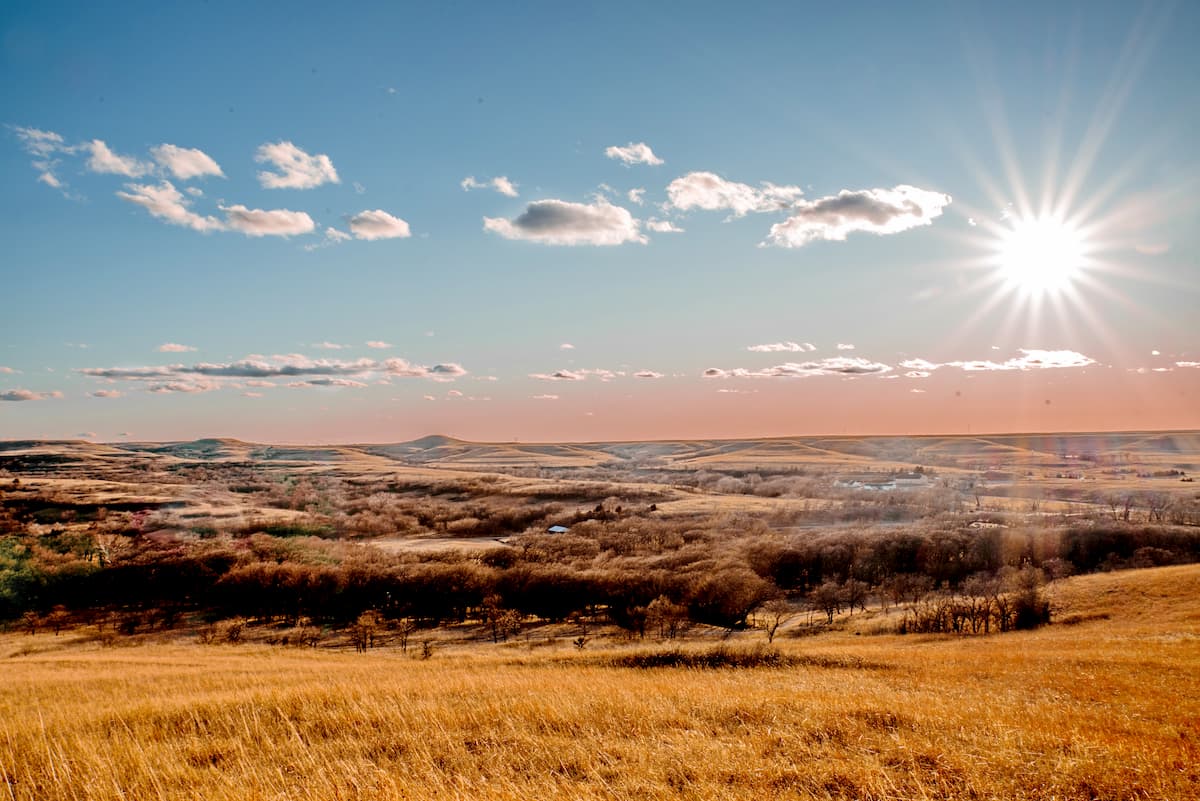
Kansas lies within the Great Plains physiographic province, a vast, relatively flat to gently rolling area of the United States. This region was formed by the accumulation of thick layers of sediment deposited over millions of years by ancient rivers flowing from the Rocky Mountains and by the action of prehistoric inland seas.
-
Sedimentary Layers: The bedrock beneath Kansas is composed primarily of sedimentary rock, including limestone, shale, and sandstone. These layers were deposited horizontally, and for the most part, they have remained relatively undisturbed by major tectonic activity that would cause the uplift associated with mountain formation. The sheer thickness of these sedimentary layers contributes to the overall elevation of the state, but without significant uplift, they did not form dramatic mountain ranges.
-
Erosion and Drainage: Over time, the forces of erosion, primarily from wind and water, have sculpted the landscape. Rivers and streams have carved valleys, and weathering has worn down exposed rock. In western Kansas, these erosional processes have exposed some of the more resistant rock layers, creating the buttes, mesas, and bluffs that add topographical interest. These features are often referred to as “prairie bluffs” or simply “hills” and are a testament to the ongoing battle between deposition and erosion. The Smoky Hills region in central Kansas, for instance, is characterized by these rolling hills and chalk formations, providing a scenic contrast to the flatter areas.
The absence of major mountain ranges in Kansas is a direct consequence of its geological history, characterized by deposition rather than significant uplift. The landforms that do exist are the product of slow, persistent erosional forces acting upon sedimentary rock. This geological narrative is a key part of the Kansas experience for those interested in natural history and the forces that shape our planet.
Experiencing Kansas’s Elevated Wonders
While you won’t find ski resorts or challenging alpine hikes in Kansas, the state offers unique travel experiences that highlight its elevated regions and geological curiosities. These destinations cater to a variety of interests, from nature enthusiasts and history buffs to families seeking memorable road trips.

Destinations and Attractions for the Elevated Explorer
The “mountains” of Kansas, in their own way, provide stunning vistas and opportunities for exploration. These aren’t just geographical points of interest but also cultural and historical landmarks.
-
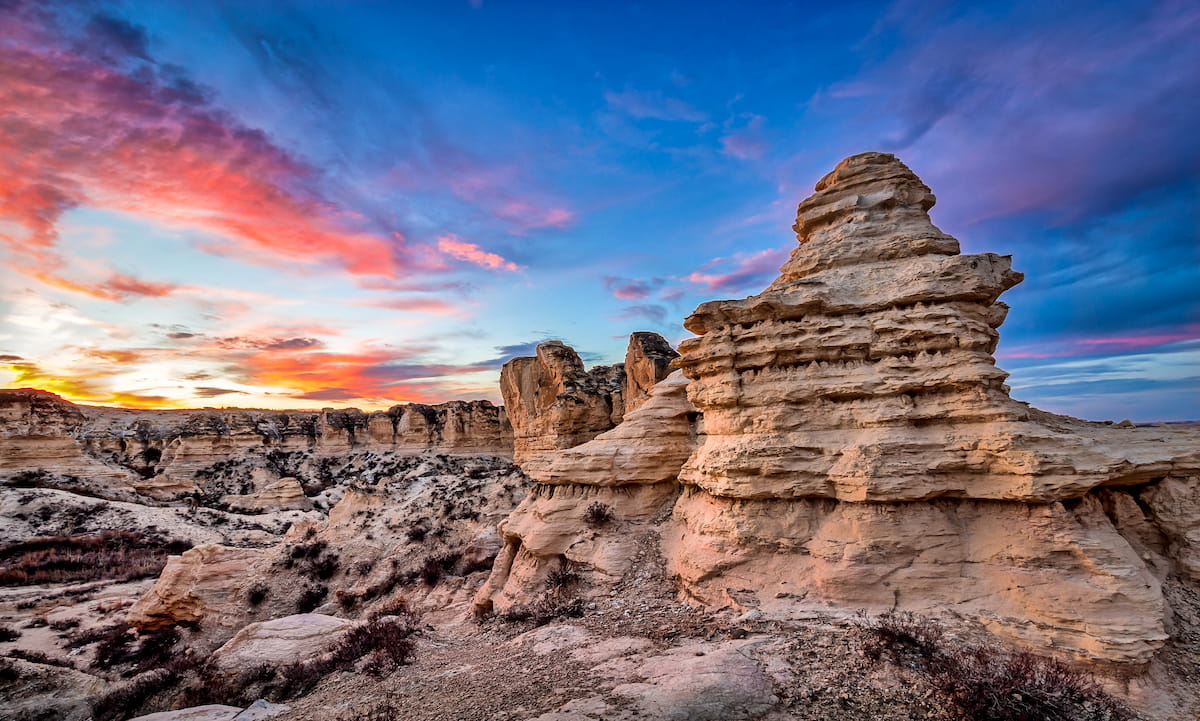
Western Kansas Vistas: The drive across western Kansas itself is an experience. The vast skies and wide-open spaces are a key attraction. Visiting Mount Sunflower is a popular stop for many travelers, offering a sense of accomplishment and unparalleled views of the surrounding prairie. The nearby Monument Rocks National Natural Landmark features impressive chalk formations, sculpted by erosion over millennia, which rise dramatically from the plains. These formations, often called the “Chalk Pyramids,” are a must-see for anyone interested in the unique geological features of western Kansas. The landscape here evokes a sense of stepping back in time, to a prehistoric era when massive seas covered much of the continent.
-
The Flint Hills: Moving eastward, the Flint Hills offer a distinctly different, yet equally captivating, elevated experience. This region is characterized by its rolling tallgrass prairies and exposed flinty limestone ridges. The Flint Hills are one of the last remaining large expanses of tallgrass prairie in the United States, and their undulating topography creates a scenic beauty that is quintessentially Kansas. This area is ideal for scenic drives, with routes like the Flint Hills National Scenic Byway offering breathtaking views of the rolling hills. Visitors can also explore historical sites within the Flint Hills, such as the Tallgrass Prairie National Preserve, where they can learn about the ecosystem and the history of ranching in the region. The gentle, sweeping curves of the Flint Hills provide a sense of open space and natural grandeur that is unique to this part of the country.
-
State Parks and Natural Areas: Throughout Kansas, numerous state parks and natural areas offer opportunities to explore the state’s varied topography. Parks like Cedar Bluff State Park in western Kansas feature bluffs and mesas that overlook reservoirs, offering scenic beauty and recreational activities. The Wilson State Park in the Smoky Hills region provides rugged terrain and stunning views of Wilson Lake, often referred to as the “most beautiful lake in Kansas.” These locations offer a chance to connect with nature, engage in outdoor activities, and appreciate the subtle elevations that define the Kansas landscape.
For travelers, understanding that “mountains” in Kansas refers to a different kind of elevation – the highest points, dramatic geological formations, and rolling prairie hills – opens up a wealth of unique travel opportunities. These destinations offer not just scenic beauty but also a deep dive into the natural history, ecology, and cultural heritage of the Sunflower State. Whether you are staying in a charming local hotel or a rustic cabin, the elevated landscapes of Kansas promise an unforgettable journey.
LifeOutOfTheBox is a participant in the Amazon Services LLC Associates Program, an affiliate advertising program designed to provide a means for sites to earn advertising fees by advertising and linking to Amazon.com. Amazon, the Amazon logo, AmazonSupply, and the AmazonSupply logo are trademarks of Amazon.com, Inc. or its affiliates. As an Amazon Associate we earn affiliate commissions from qualifying purchases.