
Navigating the healthcare system can be a complex endeavor for anyone, but for individuals categorized as “medically needy,” the challenge is often amplified. In Florida, a state renowned for its vibrant communities and diverse populations, understanding who accepts medically needy patients is not just a matter of accessing care; it’s a critical component of maintaining a stable and dignified lifestyle. This article delves into the intricacies of Florida’s healthcare landscape for the medically needy, exploring how individuals can secure necessary services and foster a healthy, sustainable way of life amidst their unique circumstances. For many, a diagnosis or ongoing condition significantly reshapes daily routines, financial planning, and even choices about where to live. Therefore, clarity on healthcare access isn’t merely administrative; it’s foundational to personal well-being and the pursuit of a fulfilling lifestyle.

Decoding Florida’s Medically Needy Program: A Lifestyle Imperative
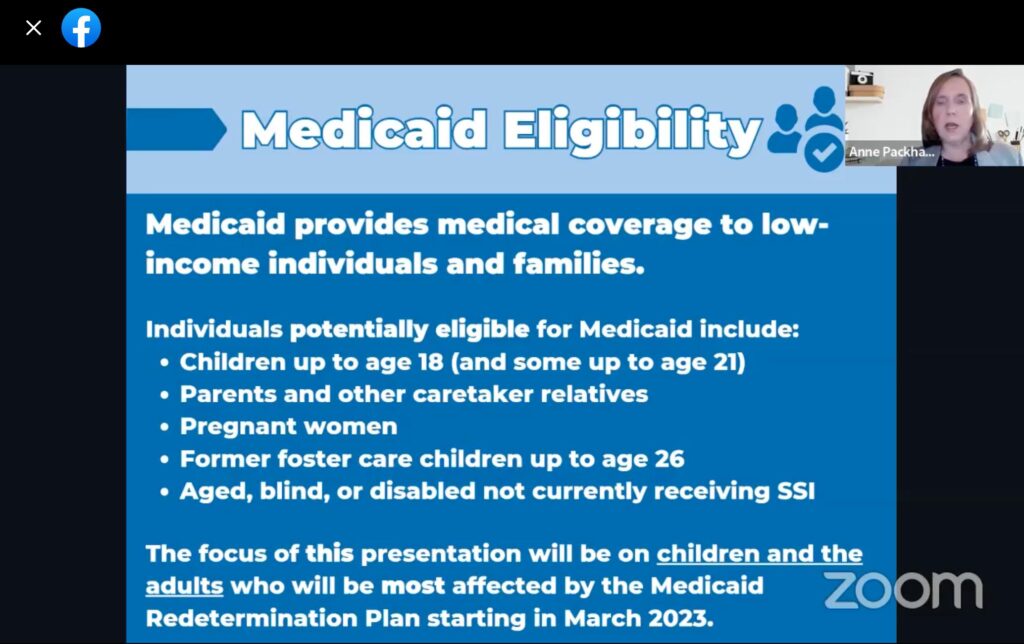
The “medically needy” designation in Florida refers to individuals whose income or resources are too high to qualify for regular Medicaid benefits, but who still cannot afford necessary medical care. This gap in coverage presents a significant challenge, making the state’s Medically Needy Program a vital lifeline. The program allows these individuals to “spend down” their income on medical expenses until they reach a certain threshold, at which point they become eligible for Medicaid coverage for the remainder of a specified period. Understanding this mechanism is the first step towards securing continuous care and managing the financial burdens that can derail a stable lifestyle.
Eligibility Pathways: Defining a Medically Needy Lifestyle
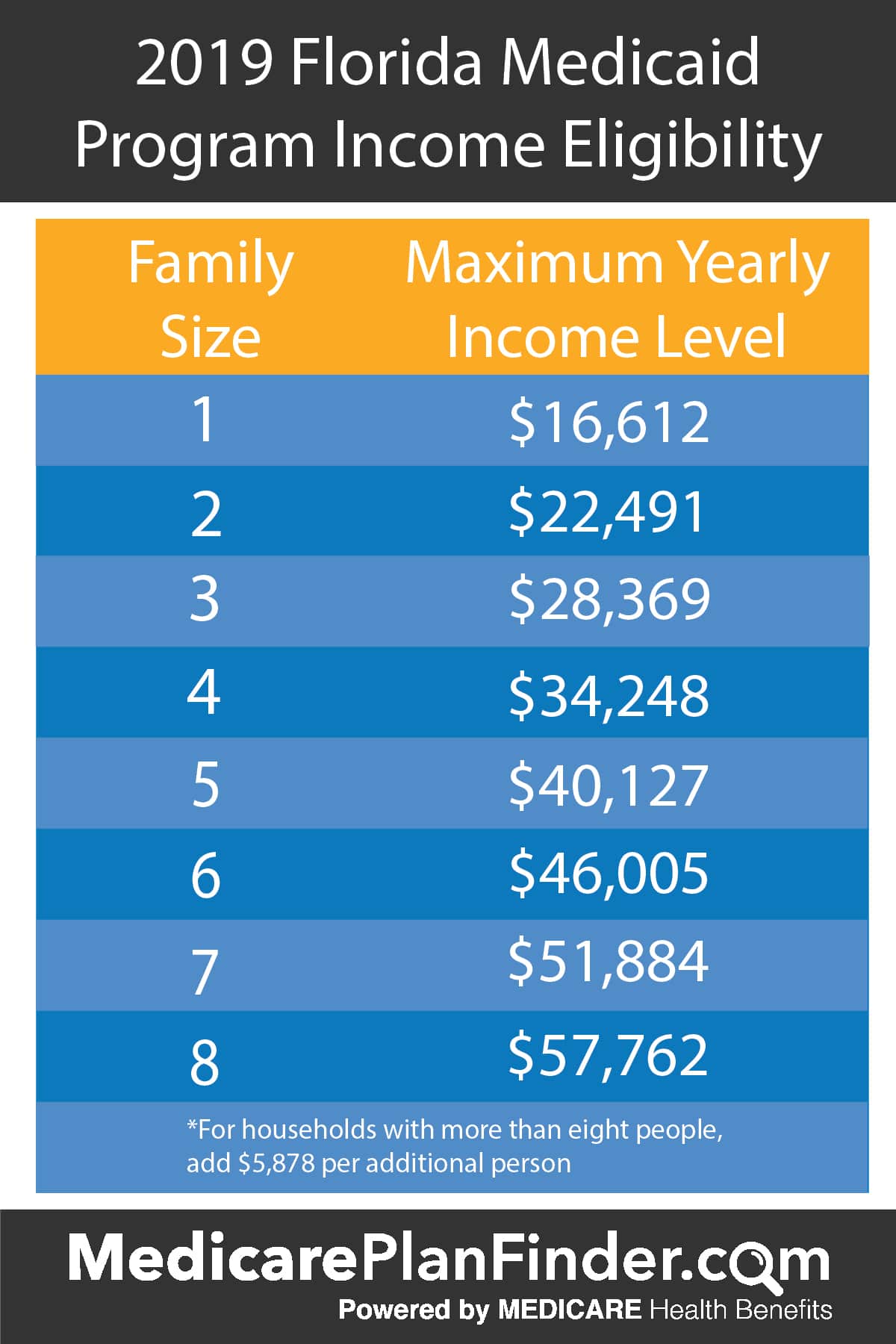
Eligibility for Florida’s Medically Needy Program is determined by a combination of income, household size, and medical expenses. Unlike traditional Medicaid, which has fixed income limits, the Medically Needy Program focuses on the concept of “share of cost.” An individual or family must incur medical expenses that reduce their income to the Medically Needy Income Level (MNIL) for their household size. For instance, a single person with an income above the regular Medicaid limit but below the MNIL could qualify once their out-of-pocket medical bills bridge that financial gap. This dynamic eligibility means that a person’s financial situation, particularly their medical expenditures, directly impacts their ability to access subsidized care, fundamentally influencing their economic lifestyle.
The application process typically involves submitting documentation to the Florida Department of Children and Families (DCF), detailing income, assets, household composition, and medical bills. The sheer volume of paperwork and the need for meticulous record-keeping can be daunting. However, mastering this process is essential for anyone whose lifestyle is impacted by significant health costs. Without this program, many would face an impossible choice between necessary medical treatments and other fundamental living expenses like housing, food, and utilities, thereby compromising their overall quality of life. The ability to manage medical costs through this program empowers individuals to make proactive health decisions rather than reactive ones driven by financial desperation.
Covered Services: Shaping Daily Living with Essential Care
Once an individual meets their share of cost and becomes eligible, the Medically Needy Program covers a wide array of essential medical services that are critical for maintaining a healthy and functional lifestyle. These generally mirror the benefits provided under regular Medicaid, including doctor visits, hospital stays, prescription medications, laboratory tests, X-rays, and often, dental and vision care. For those living with chronic conditions, this comprehensive coverage is transformative, ensuring access to ongoing treatments, specialized therapies, and necessary preventative care that can prevent minor issues from escalating into major health crises.
The availability of these services allows individuals to manage their health proactively, reducing the risk of emergency room visits and prolonged hospitalizations, which are not only costly but also highly disruptive to daily life. For families, knowing that these vital services are accessible provides a sense of security and stability, enabling them to plan their lives with greater predictability. The Medically Needy Program, therefore, plays a crucial role in shaping the daily living experience of thousands of Florida residents, enabling them to lead more stable, healthier, and ultimately, more fulfilling lifestyles despite their financial constraints.
Navigating the Healthcare Landscape for a Stable Florida Lifestyle
Identifying healthcare providers who accept Medically Needy Program beneficiaries is a primary concern for eligible individuals. While many providers participate in Medicaid, specific knowledge about those who are experienced with and welcoming to Medically Needy patients can streamline the process and reduce stress. The landscape varies by county and region within Florida, making localized research and networking essential.
Identifying Accepting Providers: Building a Care Network
Generally, any healthcare provider, hospital, or clinic that accepts Florida Medicaid will also accept Medically Needy patients once their share of cost has been met and eligibility is established. However, the practical reality can sometimes differ. Some providers may have limited slots for Medicaid patients, or their billing departments might be less familiar with the specific nuances of the Medically Needy Program. It is always advisable to confirm acceptance directly with the provider’s office when scheduling appointments. Major healthcare systems and larger clinics are often better equipped to handle diverse insurance programs. For example, institutions like Sunshine Medical Center in Orlando or the Everglades Health Network serving South Florida are typically well-versed in processing such claims.
Resources such as the Florida Medicaid website offer provider search tools, allowing individuals to filter by specialty and location. Additionally, local social services agencies, patient advocacy groups like Florida Advocates for Health, and community health centers often maintain updated lists of providers. Building a reliable network of healthcare providers is not just about medical access; it’s about establishing a foundation for a consistent and manageable lifestyle, free from the constant anxiety of finding care.
Integrated Health Systems: A Holistic Approach to Wellbeing
Integrated health systems, which encompass a range of services from primary care to specialty treatments and hospital care under one umbrella, can be particularly beneficial for Medically Needy patients. These systems often feature streamlined referral processes and coordinated care models that simplify the patient experience. For individuals managing multiple health conditions, having their primary care physician, specialists, and even pharmacy within the same network can significantly ease the logistical burden of healthcare, allowing them to focus more on healing and less on administrative hurdles.
For instance, systems like the University of Florida Health network or AdventHealth facilities across various Florida cities are known for their comprehensive services and often have dedicated departments to assist patients with complex insurance situations, including the Medically Needy Program. Opting for such systems contributes to a more integrated and less fragmented healthcare lifestyle, where coordination of care supports overall well-being.
The Role of Community Resources in Sustainable Living
Beyond major hospitals and clinics, community health centers (CHCs) play an indispensable role in providing accessible healthcare, particularly to underserved populations, including the medically needy. CHCs are federally funded and often operate on a sliding fee scale, making them a crucial first point of contact for many. They are designed to serve individuals regardless of their ability to pay and are well-versed in assisting patients with Medicaid and Medically Needy Program enrollment.
Centers such as Palm Coast Family Clinic or those within the Jacksonville Health Department offer primary care, preventative services, dental care, and often mental health services. These local hubs are vital for fostering sustainable living, providing a consistent source of care that helps individuals maintain their health without traveling long distances or incurring prohibitive costs. Their commitment to community wellness directly supports a healthier lifestyle for those who might otherwise fall through the cracks of the healthcare system.
Crafting a Sustainable Lifestyle: Long-Term Planning and Support
For the medically needy in Florida, healthcare access is not a one-time event but an ongoing process that necessitates long-term planning. This perspective is integral to shaping a sustainable lifestyle, particularly when chronic conditions or ongoing medical needs are a factor. Strategic planning can mitigate stress, ensure continuity of care, and ultimately enhance one’s quality of life.
Residency and Relocation Considerations for Medical Needs
For those contemplating a move to or within Florida, understanding the regional variations in healthcare provider availability and Medically Needy Program navigation is paramount. Certain areas, particularly larger metropolitan centers like Miami, Tampa, or Jacksonville, tend to have a greater concentration of hospitals, specialists, and community resources familiar with these programs. Conversely, more rural areas might have fewer options, necessitating travel for specialized care.
These considerations profoundly impact lifestyle choices, from choosing a city to settling into a neighborhood. Proximity to a reliable healthcare network can become as important as job opportunities or school districts. It influences daily routines, access to emergency care, and the feasibility of maintaining a consistent treatment plan. Therefore, a proactive approach to researching local healthcare infrastructure should be a key part of any relocation strategy for the medically needy.
Enhancing Quality of Life Through Coordinated Care
Effective coordination of care is a cornerstone for enhancing the quality of life for Medically Needy patients. This involves ensuring that all healthcare providers involved in a patient’s care communicate effectively, share relevant information, and work together towards common health goals. For individuals under the Medically Needy Program, navigating multiple appointments, prescriptions, and specialist visits can be overwhelming. A primary care physician who acts as a central coordinator can make a significant difference, simplifying the process and reducing potential errors or overlaps in treatment.
Many Florida healthcare systems are increasingly adopting patient-centered medical home (PCMH) models, which emphasize integrated and coordinated care. These models are particularly beneficial for those with complex needs, empowering them to actively participate in their health management and enjoy a more streamlined, less stressful healthcare experience. This proactive management allows individuals to live a more stable and less medically-driven lifestyle, focusing on personal pursuits and community engagement.
Advocacy and Patient Support: Empowering Your Lifestyle Choices
Beyond the direct provision of medical services, advocacy and patient support groups offer invaluable resources for the medically needy. Organizations such as Florida Advocates for Health provide assistance with understanding eligibility, navigating the application process, and resolving issues with healthcare providers or billing. These groups often connect individuals with legal aid, financial counseling, and other social services that are crucial for comprehensive lifestyle support.
Empowerment through knowledge and support networks allows individuals to be more assertive in their healthcare decisions and better equipped to overcome systemic barriers. Peer support groups also provide a vital emotional outlet, connecting individuals with others facing similar challenges. This sense of community and shared experience is essential for mental well-being and fosters a resilient lifestyle, reminding individuals that they are not alone in their journey.
Financial Well-being and Lifestyle Stability in Florida
While the Medically Needy Program significantly alleviates healthcare costs, the financial implications of chronic illness or ongoing medical needs extend beyond just provider fees. Maintaining lifestyle stability requires a holistic approach to financial well-being, considering aspects that complement state aid.
Bridging Gaps: Auxiliary Programs Beyond State Aid
Even with Medically Needy Program coverage, there can be residual costs, such as co-pays for certain services or medications not fully covered. Additionally, non-medical expenses related to illness, such as transportation to appointments, specialized dietary needs, or assistive devices, can add up. Various auxiliary programs and non-profits in Florida offer assistance to bridge these gaps. These include disease-specific foundations, pharmaceutical assistance programs, and local charities that provide financial aid for specific needs.
For example, organizations focused on cancer, diabetes, or rare diseases often have funds to help patients cover out-of-pocket costs, transportation, or even temporary housing during treatment. Leveraging these additional resources is crucial for ensuring that individuals can maintain their daily lifestyle without being overwhelmed by unforeseen expenses, preserving their financial stability and peace of mind.
Budgeting for Health: The Economic Impact on Daily Life
Effective personal budgeting becomes even more critical for the medically needy. Understanding one’s “share of cost” and anticipating potential out-of-pocket expenses is key to managing finances without compromising other essential living expenses. This might involve setting aside a specific portion of income for medical bills, negotiating payment plans with providers, or exploring generic medication options.
The economic impact of medical needs can permeate every aspect of daily life, from housing choices to leisure activities. By meticulously planning and utilizing all available resources—from the Florida Medically Needy Program to community support—individuals can mitigate these financial pressures. This strategic approach to budgeting for health empowers them to maintain a stable and fulfilling lifestyle, ensuring that their medical needs do not entirely dictate their quality of life in the Sunshine State. The acceptance of medically needy patients by providers throughout Florida is a complex but navigable system, crucial for the well-being and lifestyle stability of many residents.
LifeOutOfTheBox is a participant in the Amazon Services LLC Associates Program, an affiliate advertising program designed to provide a means for sites to earn advertising fees by advertising and linking to Amazon.com. Amazon, the Amazon logo, AmazonSupply, and the AmazonSupply logo are trademarks of Amazon.com, Inc. or its affiliates. As an Amazon Associate we earn affiliate commissions from qualifying purchases.