
The dazzling lights of the Las Vegas Strip are an iconic image, conjuring thoughts of unparalleled entertainment, world-class dining, and opulent resorts. But beyond the glitz and glamour, a fundamental question lingers for many: Is Las Vegas actually situated in a desert? The answer is a resounding yes. Las Vegas is indeed nestled within the heart of the Mojave Desert, a fact that profoundly shapes its environment, its history, and even its very existence. Understanding this desert setting is crucial to appreciating the unique challenges and remarkable triumphs that have made Las Vegas the vibrant metropolis it is today.
The Arid Embrace: Understanding the Mojave Desert
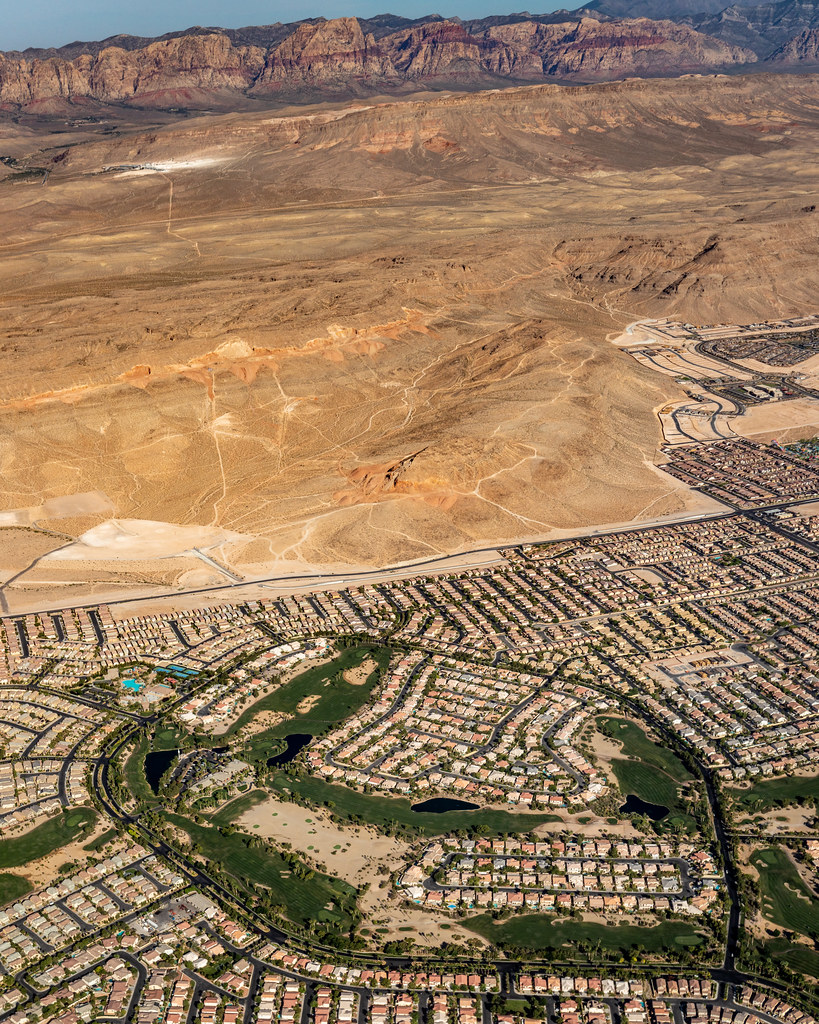
To truly grasp the essence of Las Vegas, one must first acknowledge its starkly beautiful and undeniably arid home. The Mojave Desert is a vast expanse characterized by its extreme temperatures, low humidity, and scarce rainfall. This arid climate dictates everything from the native flora and fauna to the architectural styles and the innovative infrastructure that supports such a large population in an otherwise inhospitable environment.
Climate and Landscape
Las Vegas experiences classic desert weather patterns. Summers are scorching, with temperatures frequently soaring above 100 degrees Fahrenheit (38 degrees Celsius), often reaching well into the 110s (°F). Winters are milder, offering pleasant daytime temperatures but with the potential for frost and occasional chilly evenings. Rainfall is minimal, averaging just over four inches annually, making water conservation a paramount concern.
The landscape surrounding Las Vegas is a testament to its desert location. Rolling hills, rugged mountains, and vast stretches of sand and scrub brush dominate the scenery. Iconic desert plants like the Joshua Tree and various species of cacti are native to the region. While seemingly barren to the untrained eye, this ecosystem is teeming with life, adapted to survive in extreme conditions. Wildlife includes reptiles such as rattlesnakes and desert tortoises, various mammals like coyotes and bighorn sheep, and a diverse array of birds.
Historical Context: From Dusty Outpost to Oasis
The very beginnings of Las Vegas are intrinsically linked to its desert environment. Originally inhabited by Indigenous peoples like the Paiute tribes, the area’s potential was recognized for its natural springs, which provided a vital source of water in the arid expanse. This made it a crucial stopover point for travelers traversing the Old Spanish Trail in the 19th century.
The establishment of a railroad town in the early 20th century marked a significant turning point. The strategic location, coupled with the discovery of valuable mineral resources, led to its growth. However, it was the construction of the Hoover Dam in the 1930s that truly transformed Las Vegas. This monumental engineering feat provided a reliable and abundant source of water and hydroelectric power, enabling the city to flourish in a way that would have been impossible otherwise. The dam essentially created an artificial oasis, a hub of activity in the middle of nowhere.
The Illusion of Abundance: Water, Infrastructure, and Sustainability
The most striking aspect of Las Vegas’s desert location is the apparent abundance of water and lush vegetation that contradicts the natural scarcity. This “illusion of abundance” is a direct result of incredible human ingenuity and massive infrastructure projects designed to sustain a booming population and a thirsty tourism industry.
The Colorado River: A Lifeline
The primary source of water for Las Vegas and its surrounding valley is the Colorado River. Through a complex system of aqueducts, most notably the Las Vegas Wash and the Lake Mead Intake 3 facility, water is transported hundreds of miles to quench the city’s thirst. This reliance on a shared resource, however, highlights the inherent vulnerability of Las Vegas to drought and changing climate patterns.
The Colorado River Compact, an agreement among seven U.S. states and Mexico, governs the allocation of the river’s waters. As the population of the Western United States continues to grow and climate change impacts rainfall and snowpack, the management of this vital resource becomes increasingly critical. Las Vegas has been at the forefront of implementing aggressive water conservation measures, both in residential and commercial sectors.
Innovative Landscaping and Water Management
The iconic lush greenery and sparkling swimming pools that define the Las Vegas experience are largely the result of meticulous planning and water-wise practices. Many resorts and public spaces utilize drought-tolerant landscaping, opting for native plants and water-efficient irrigation systems. Hotels often have sophisticated water recycling programs, reusing treated wastewater for cooling towers and irrigation.
The transition away from grass lawns in many areas, and the widespread adoption of artificial turf, are further examples of how the city has adapted to its arid environment. Even the famed water features, while aesthetically pleasing, are designed with advanced recirculation and evaporation reduction technologies. These efforts are not merely aesthetic choices; they are essential survival strategies in a desert city.
Las Vegas Lifestyle: Adapting to the Desert
Living in or visiting Las Vegas means embracing the realities of a desert climate. The lifestyle here is a unique blend of luxury and practicality, where the pursuit of entertainment coexists with a deep respect for the environment.
Tourism and Activities in the Desert
The desert setting itself offers a wealth of unique tourism opportunities. Beyond the casinos and shows, visitors can explore the breathtaking natural beauty of the surrounding landscape.
- Red Rock Canyon National Conservation Area: Just a short drive from the Strip, Red Rock Canyon offers stunning red sandstone cliffs, hiking trails, and opportunities for rock climbing and scenic drives. It’s a prime example of the natural grandeur just beyond the urban sprawl.
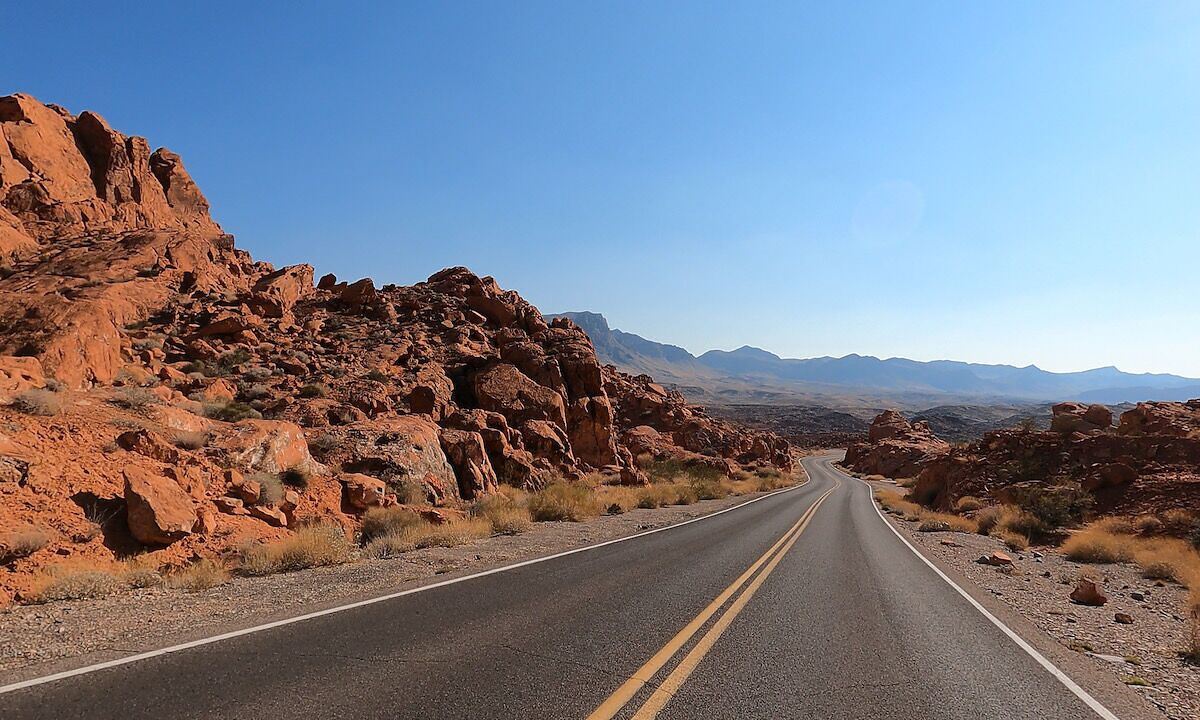
- Valley of Fire State Park: This park, further afield, is renowned for its vibrant red Aztec sandstone formations, ancient petroglyphs, and unique geological features. It’s a photographer’s paradise and a testament to the raw beauty of the Mojave.
- Lake Mead National Recreation Area: Offering water-based activities like boating, swimming, and fishing, Lake Mead is a popular escape, showcasing how water has been harnessed to create recreational havens in the desert.
- Day Trips and Excursions: Many visitors take advantage of the central location for day trips to landmarks like the Grand Canyon or the historic mining town of Nelson.
Adapting to the Heat
For residents and tourists alike, adapting to the desert heat is a daily consideration. Staying hydrated is paramount, and seeking air-conditioned environments is a necessity during the hottest parts of the day and year. The architecture of many buildings, including the grand hotels like The Bellagio and The Venetian, is designed with passive cooling techniques and extensive use of air conditioning to create comfortable indoor environments.
Outdoor activities are often scheduled for the cooler morning or evening hours, especially during the summer months. Sun protection, including hats, sunglasses, and sunscreen, is indispensable. The vibrant nightlife of Las Vegas also offers a perfect way to enjoy the cooler desert evenings, with outdoor patios and rooftop bars providing stunning views of the illuminated city against the dark desert sky.
The Future of the Oasis City
Las Vegas’s future is inextricably linked to its desert location and the ongoing challenges of water management and environmental sustainability. As the city continues to grow and evolve, its ability to thrive will depend on its continued commitment to innovation and responsible resource management.
Innovation and Sustainability
The city has a vested interest in pioneering new technologies and strategies for water conservation and energy efficiency. Investments in renewable energy sources, such as solar power, are becoming increasingly important, harnessing the abundant sunshine of the desert. The development of more efficient cooling systems and water-saving appliances will continue to be a focus for both the hospitality industry and residential communities.
The concept of a “smart city” is also gaining traction, with technology playing a role in optimizing resource allocation and reducing waste. From intelligent traffic management to water leak detection systems, innovation is key to ensuring the long-term viability of this desert metropolis.

A Unique Desert Identity
Ultimately, Las Vegas is more than just a city built in the desert; it is a city that has embraced its desert identity. The resilience, ingenuity, and sheer willpower required to build and sustain such a vibrant hub in an arid landscape are part of its compelling story. While the glitz and entertainment are what draw many, the underlying reality of its desert home shapes every facet of the Las Vegas experience, making it a truly unique and remarkable destination. The question of “Is Las Vegas In A Desert?” is answered by its very existence – a testament to human ambition and adaptation in one of nature’s most challenging environments.
LifeOutOfTheBox is a participant in the Amazon Services LLC Associates Program, an affiliate advertising program designed to provide a means for sites to earn advertising fees by advertising and linking to Amazon.com. Amazon, the Amazon logo, AmazonSupply, and the AmazonSupply logo are trademarks of Amazon.com, Inc. or its affiliates. As an Amazon Associate we earn affiliate commissions from qualifying purchases.