
The allure of a contrast between the dazzling lights of a desert oasis and the serene majesty of a mountain lake is a powerful one. Many travelers find themselves pondering the distance and feasibility of combining a vibrant excursion to Las Vegas, Nevada with a breathtaking escape to Lake Tahoe. These two iconic Nevada destinations, while geographically distinct, offer vastly different yet equally compelling experiences, making them a popular pairing for those seeking a diverse adventure. Understanding the travel time and logistics is crucial for planning an unforgettable journey that seamlessly blends the exhilaration of the Strip with the tranquility of alpine shores.
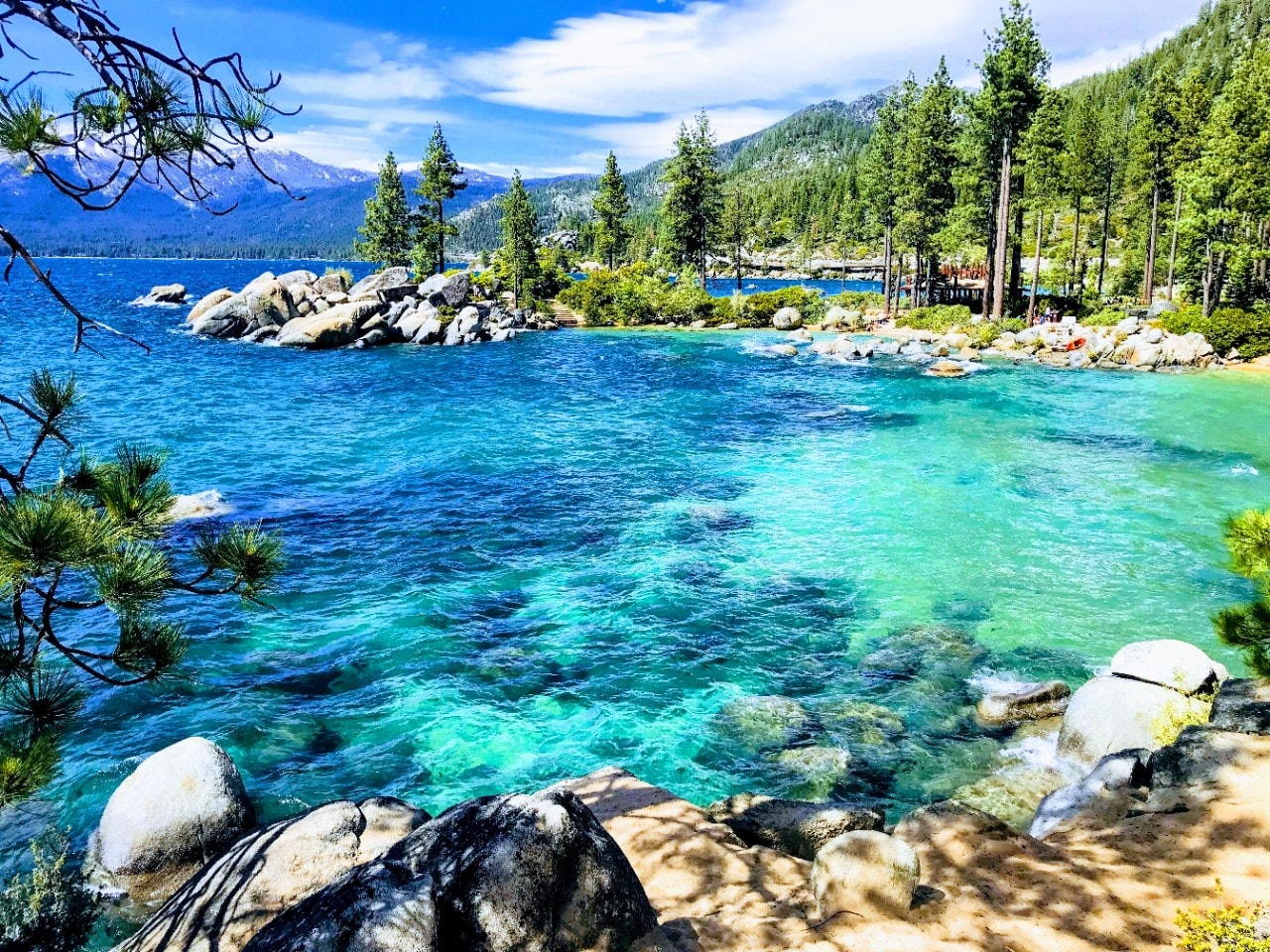
The journey from Las Vegas to Lake Tahoe is more than just a matter of miles; it’s a transition through varied landscapes and an embarkation on a sensory shift. From the arid expanses surrounding Nevada‘s largest city to the pine-scented air and crystal-clear waters of the Sierra Nevada, the drive itself offers a preview of the contrasting experiences awaiting you. Whether you’re an avid road-tripper or prefer to optimize your time, knowing the precise distance and estimated travel duration will allow you to craft an itinerary that maximizes your enjoyment of both worlds. This guide will delve into the specifics of traversing this popular route, offering insights into the best ways to make the trip and what to expect upon arrival at your destination.
The Road Less Traveled: Navigating the Route to Lake Tahoe
The distance between Las Vegas, Nevada and Lake Tahoe is approximately 550 to 600 miles, depending on the specific route taken and your intended destination within the expansive Lake Tahoe basin. The most common and generally recommended driving route is via U.S. Route 95 North to U.S. Route 50 West, eventually leading you to the southern shores of the lake, near South Lake Tahoe. This journey typically takes between 9 to 10 hours of continuous driving, not including any stops for fuel, food, or rest.
Detours and Scenic Overlooks: Enhancing the Drive
While the direct route is efficient, the beauty of traveling between these two landmarks lies in the opportunity to witness the diverse topography of Nevada and California. For those with a bit more time to spare and a desire to experience more than just the destination, several scenic detours are worth considering.
One such detour involves venturing slightly off U.S. Route 95 North to explore areas like the Valley of Fire State Park, a geological wonderland of vibrant red sandstone formations. This adds a few hours to the journey but offers unparalleled photographic opportunities and a chance to witness a truly unique natural landscape before continuing north. Another potential route could involve heading west towards the Eastern Sierra, perhaps passing through towns like Bishop or Mammoth Lakes, before making your way to the western or northern shores of Lake Tahoe. This option significantly extends the driving time but rewards travelers with dramatic mountain vistas and access to other renowned natural attractions.
For those prioritizing a more direct approach, it’s important to factor in the realities of a long drive. Breaks are essential for safety and enjoyment. Consider stopping in towns like Tonopah or Carson City for a meal or to stretch your legs. Carson City, the capital of Nevada, offers historical sites and a glimpse into the state’s governance, providing a brief but interesting interlude before the final push to the lake.
The final approach to Lake Tahoe from the east, typically via U.S. Route 50, presents a dramatic reveal. As you ascend into the mountains, the first glimpses of the impossibly blue water peeking through the pines are an unforgettable sight, a testament to the reward waiting after the long drive.
Time Considerations: Planning Your Travel
When planning your trip, it’s crucial to be realistic about the time commitment. A 9-10 hour drive is substantial, and it’s highly recommended to break it up into two days, especially if you’re not accustomed to such long stretches of driving. This allows for a more relaxed pace, the opportunity to explore points of interest along the way, and to arrive at Lake Tahoe feeling refreshed rather than exhausted.
If you opt for an overnight stop, consider towns like Reno or Carson City. Reno, known as “The Biggest Little City in the World,” offers a more urban experience with casinos and dining, similar to but on a smaller scale than Las Vegas. Staying here allows you to break the journey roughly in half and enjoy a different kind of evening entertainment. For those seeking a quieter stop, Carson City provides a more historical and laid-back atmosphere.
Alternatively, if time is of the essence and you prefer to fly, there are options available. While there is no direct commercial flight between Las Vegas and Lake Tahoe itself, you can fly from McCarran International Airport in Las Vegas to Reno-Tahoe International Airport. This flight is usually around 1 hour. From Reno, you would then need to arrange ground transportation, such as a shuttle service, rental car, or taxi, to reach your desired destination in Lake Tahoe, which is about a 1.5-hour drive. This flying option significantly reduces travel time but increases the overall cost and introduces the logistics of airport transfers.
Experiencing the Best of Both Worlds: From Desert Dreams to Alpine Serenity
The appeal of traveling from Las Vegas to Lake Tahoe lies not just in the physical journey but in the dramatic shift of atmosphere and experience. Las Vegas is synonymous with entertainment, nightlife, world-class dining, and the thrill of the casino floor. It’s a city that pulsates with energy 24/7, offering an unparalleled urban adventure.
Las Vegas: A Playground of Lights and Luxury
In Las Vegas, visitors can immerse themselves in a universe of entertainment. From the iconic Bellagio Fountains and the towering Eiffel Tower at the Paris Las Vegas hotel to the vibrant shows and celebrity chef restaurants, the city caters to every desire. Luxurious accommodations abound, from opulent suites in the Bellagio and Wynn Las Vegas to more budget-friendly options that still offer excellent amenities. Whether you’re seeking high-stakes gambling, gourmet meals, or spectacular live performances, Las Vegas delivers an experience that is both exhilarating and unforgettable. The city’s landmarks are a testament to human ingenuity and extravagance, drawing millions of visitors each year to its unique brand of escapism.
Lake Tahoe: Nature’s Masterpiece of Tranquility
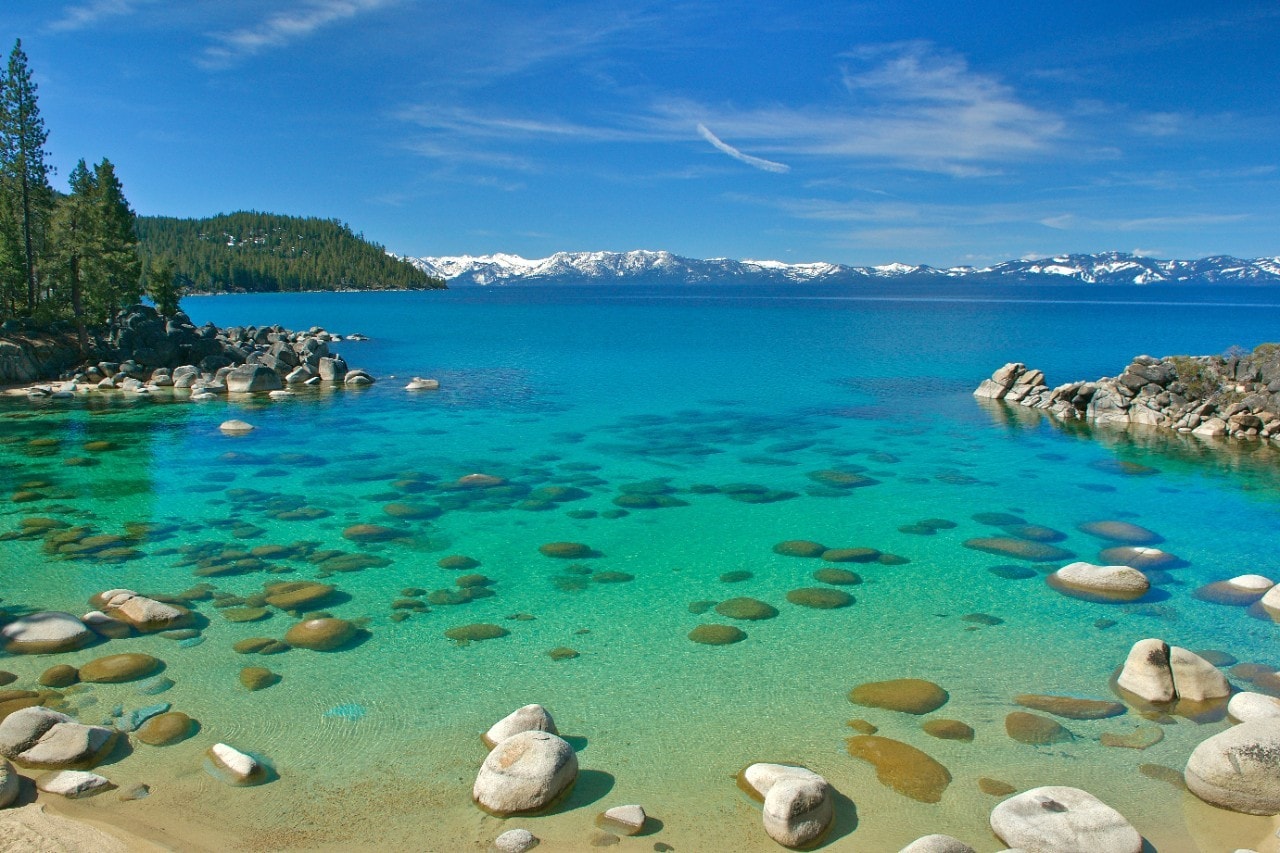
In stark contrast, Lake Tahoe offers a sanctuary of natural beauty. This pristine alpine lake, nestled within the Sierra Nevada Mountains, is renowned for its incredibly clear blue waters, surrounded by snow-capped peaks and lush pine forests. It’s a destination that appeals to outdoor enthusiasts and those seeking peace and quiet.
Activities and Attractions: A Tale of Two Landscapes
The activities available at each destination couldn’t be more different, yet both offer a wealth of experiences. In Las Vegas, the focus is on indoor entertainment, fine dining, shopping at designer boutiques, and of course, the casinos. Day trips might include visiting the Hoover Dam, a marvel of engineering, or exploring the unique geological formations of Red Rock Canyon.
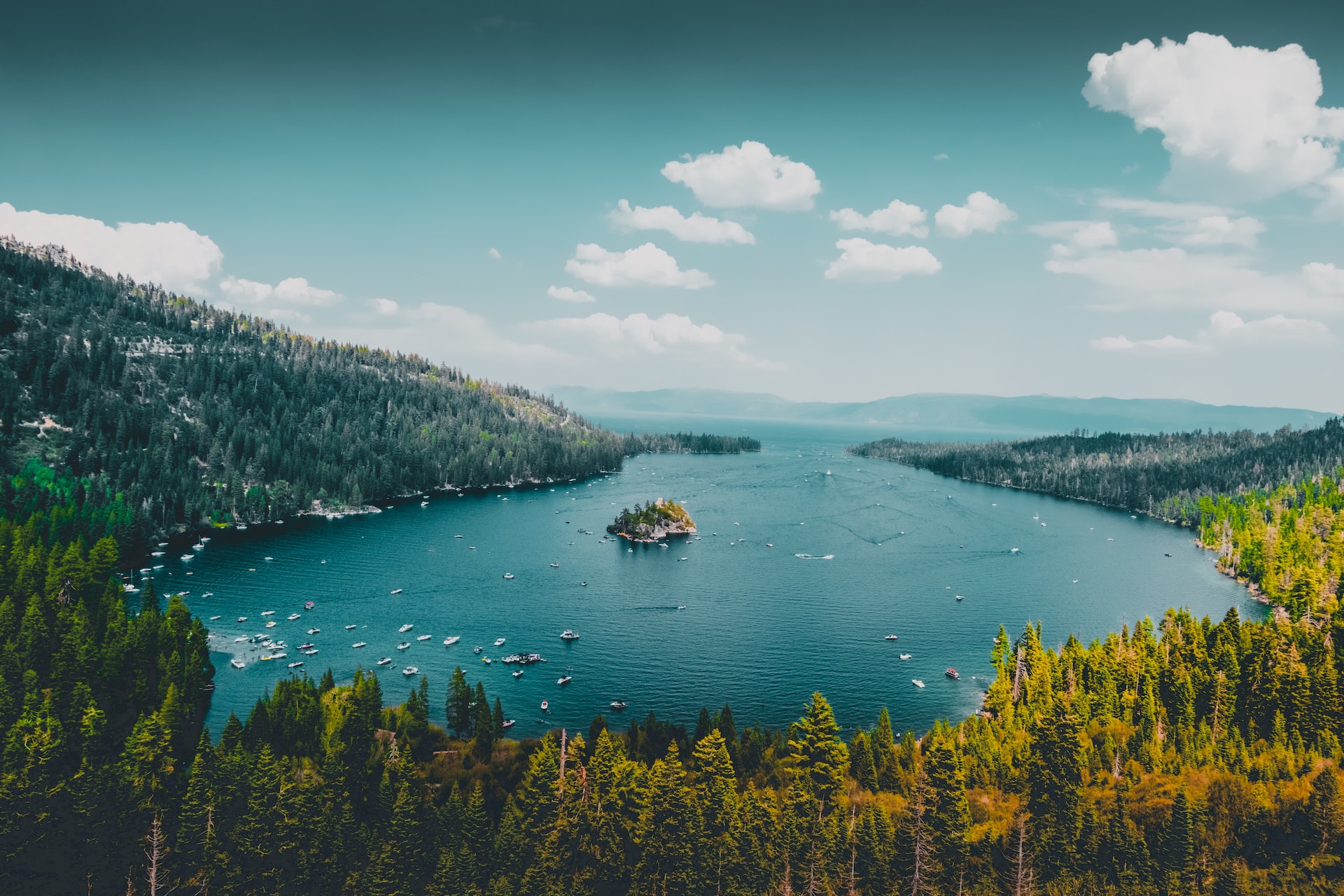
Lake Tahoe, on the other hand, is an outdoor paradise. In the summer, activities include swimming, boating, paddleboarding, hiking to breathtaking viewpoints like Emerald Bay State Park, and exploring charming lakeside towns like Tahoe City or Incline Village. Winter transforms the region into a world-class ski destination, with renowned resorts such as Palisades Tahoe (formerly Squaw Valley and Alpine Meadows), Heavenly Mountain Resort, and Northstar California Resort attracting snow sports enthusiasts from around the globe. The natural landmarks of Lake Tahoe are its primary draw, offering a constant invitation to explore the wonders of the natural world.
Accommodation Options: From Casino Hotels to Lakeside Retreats
The type of accommodation you seek will also vary dramatically between these two distinct destinations. In Las Vegas, the hotel landscape is dominated by grand casinos and resorts, offering a wide range of amenities. Options range from the extravagant suites at The Venetian Resort Las Vegas and Caesars Palace to more boutique hotels and budget-friendly motels just off the main Strip. The focus is on proximity to entertainment, dining, and gaming, with many hotels boasting their own extensive facilities, including spas, pools, and fine dining restaurants.
Conversely, Lake Tahoe offers a more diverse range of lodging, from cozy cabins and vacation rentals to luxury resorts and charming bed and breakfasts. In South Lake Tahoe, you’ll find hotels and casinos that offer a blend of entertainment and proximity to the lake and ski resorts, such as the Hard Rock Hotel & Casino Lake Tahoe. In contrast, areas like Homewood or Tahoe City lean towards more rustic and intimate accommodations, with many offering stunning lake views. For those seeking upscale experiences, resorts like The Ritz-Carlton, Lake Tahoe offer unparalleled luxury amidst the mountain splendor. Whether you’re looking for a family-friendly villa, a romantic suite overlooking the water, or a functional apartment for a longer stay, Lake Tahoe has an option to suit every traveler’s needs and preferences.
The transition from the vibrant energy of Las Vegas to the serene beauty of Lake Tahoe is a journey that offers a profound contrast in experiences. Understanding the distance, the travel time, and the distinct offerings of each destination is key to planning a well-rounded trip that encompasses the best of what Nevada and its surrounding natural wonders have to offer. Whether you choose to drive, fly, or a combination of both, the adventure from the shimmering lights of the desert to the tranquil depths of the alpine lake promises a memorable exploration.
LifeOutOfTheBox is a participant in the Amazon Services LLC Associates Program, an affiliate advertising program designed to provide a means for sites to earn advertising fees by advertising and linking to Amazon.com. Amazon, the Amazon logo, AmazonSupply, and the AmazonSupply logo are trademarks of Amazon.com, Inc. or its affiliates. As an Amazon Associate we earn affiliate commissions from qualifying purchases.