
For millions around the globe, the name Disney evokes images of enchanting castles, thrilling rides, and beloved characters. But beneath the magic and meticulously crafted experiences lies an empire of unparalleled scale in central Florida. The question of “how many acres does Disney own in Florida?” reveals not just a number, but the breathtaking scope of the Walt Disney World Resort – a true testament to vision, strategic planning, and immersive entertainment. Far more than just a collection of theme parks, Disney World is a destination so vast it rivals the size of many major cities, encompassing an intricate ecosystem of resorts, recreation, conservation, and infrastructure. Understanding this immense footprint is key to appreciating the unparalleled vacation experience Disney has meticulously curated for over half a century.

The Astonishing Scale of Walt Disney World Resort
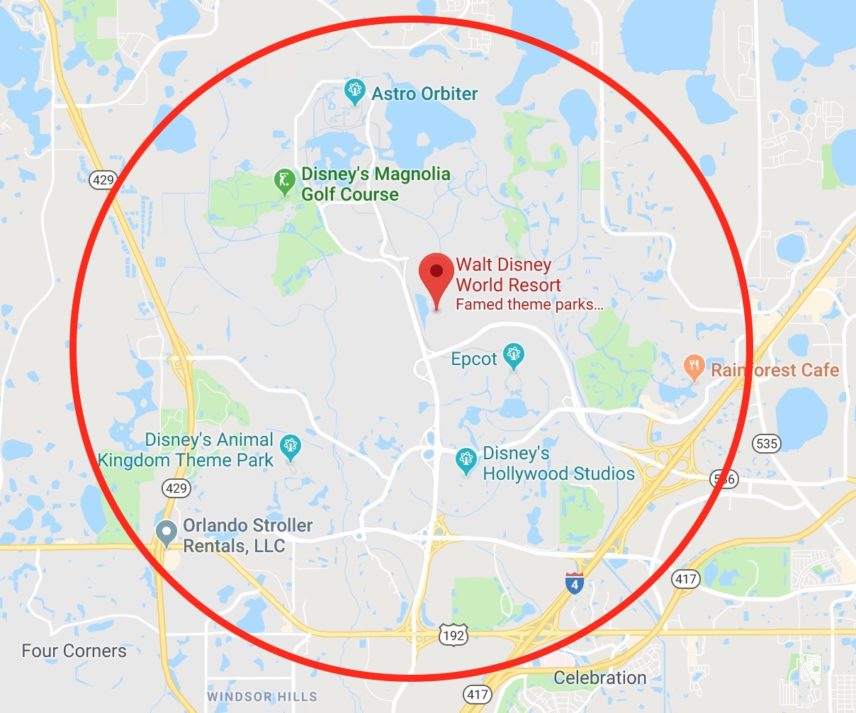
The true magnitude of Walt Disney World Resort is often underestimated. While precise figures can vary slightly based on specific land registry updates and accounting, it is widely understood that Disney controls approximately 27,000 to 28,000 acres of land in Florida. This figure represents the developed and actively managed portion of their vast holdings, making it roughly the size of San Francisco or two times the size of Manhattan. This immense acreage allowed for the creation of an entirely self-contained world, designed from the ground up to offer an unparalleled guest experience.
The Initial Vision and Land Acquisition
The story of Disney’s Florida empire began with Walt Disney‘s visionary quest for a second, much larger theme park that would avoid the pitfalls of external commercial development that plagued Disneyland in Anaheim, California. In the mid-1960s, using a labyrinthine network of dummy corporations and shell companies, Walt Disney discreetly acquired vast tracts of swampy, inexpensive land in central Florida, south of Orlando. The goal was to secure enough land to not only house the theme park but also to control the entire surrounding environment, ensuring a fully immersive and protected guest experience free from unsightly billboards, cheap motels, or unplanned urban sprawl. The original land purchase was closer to 43 square miles, or approximately 27,500 acres, though subsequent sales and acquisitions have led to minor fluctuations. This secretive “Project X” allowed Disney to assemble one of the largest privately owned land parcels dedicated to tourism and entertainment in the world.
Comparing Disney World to Major Cities and Landmarks
To truly grasp the scale, consider these comparisons:
- Walt Disney World Resort is nearly the same size as the entire city of San Francisco (46.89 square miles).
- It is approximately twice the size of Manhattan (22.83 square miles).
- By contrast, Disneyland in California occupies a mere 500 acres, underscoring the revolutionary ambition behind the Florida project.
- The land area is larger than many well-known international city-states or small countries.
This vast expanse wasn’t merely for show; it was a fundamental component of Walt Disney’s vision for an Experimental Prototype Community of Tomorrow (EPCOT) and a complete vacation destination that could evolve and grow for decades without external pressures.
The Reedy Creek Improvement District
A crucial element facilitating Disney’s expansive development was the creation of the Reedy Creek Improvement District in 1967. This special municipal district granted Disney powers akin to a county government over its land, allowing it to issue bonds, develop its own building codes, maintain its own infrastructure, and provide essential services like fire protection, waste management, and utilities. Spanning the municipalities of Bay Lake and Lake Buena Vista, both wholly controlled by Disney within the larger Orange and Osceola counties, this arrangement provided the autonomy necessary to orchestrate a project of this unprecedented scale and complexity, ensuring seamless development and operation across the vast property.
Beyond the Theme Parks: What the Land Encompasses
The enormity of Walt Disney World Resort becomes clearer when one considers the diverse range of facilities and functions housed within its borders. It’s a meticulously planned ecosystem where every component plays a role in the overall guest experience.
Four Iconic Theme Parks
At the heart of the resort are its four world-renowned theme parks, each demanding significant acreage:
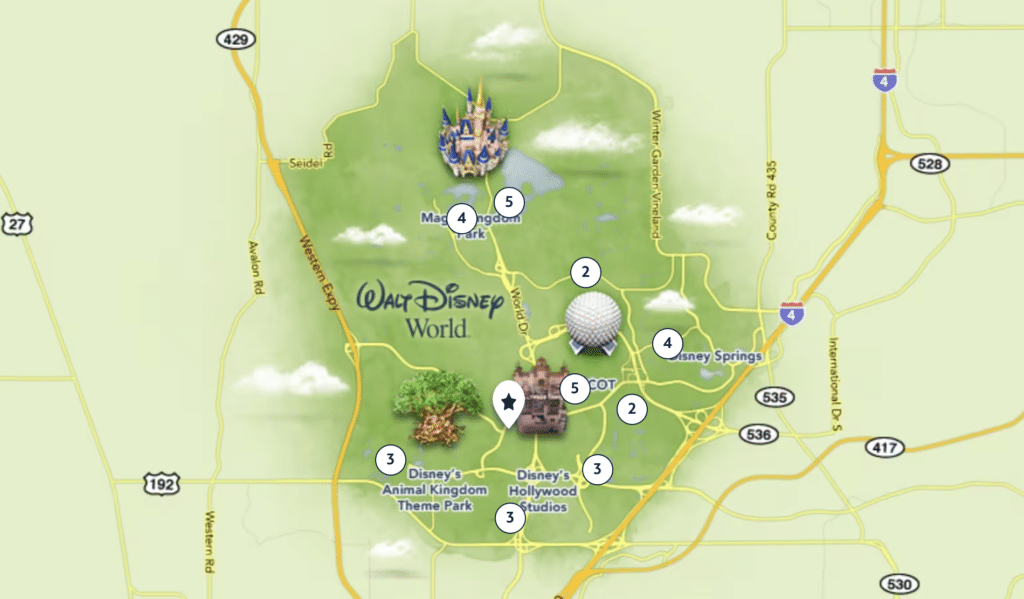
- Magic Kingdom: The original Florida park, home to Cinderella Castle, occupies about 142 acres, though its “backstage” areas and surrounding infrastructure add substantially to its footprint.
- Epcot: A sprawling park dedicated to innovation and global culture, Epcot covers over 300 acres, one of the largest of Disney’s parks worldwide.
- Disney’s Hollywood Studios: Celebrating the magic of movies and entertainment, this park is approximately 135 acres.
- Disney’s Animal Kingdom: The largest of the four theme parks, dedicated to natural environment and animal conservation, Animal Kingdom spans an impressive 500 acres, much of it devoted to expansive animal habitats and lush landscapes.
Two Enchanting Water Parks
Adding to the recreational offerings are two distinct water parks, each designed with unique theming and attractions:
- Disney’s Typhoon Lagoon: Featuring a massive surf pool and thrilling slides.
- Disney’s Blizzard Beach: Themed as a melted ski resort, complete with a ski lift.
These parks provide alternative cooling-off options and extend the range of family-friendly activities available across the resort.
Over 25 Themed Resort Hotels
Walt Disney World Resort boasts a vast array of themed resorts, ranging from value and moderate to deluxe and deluxe villa accommodations. Each hotel is an attraction in itself, contributing significantly to the overall land usage. From the expansive grounds of Disney’s Contemporary Resort to the savanna views at Disney’s Animal Kingdom Lodge, these properties are strategically placed across the acreage, providing convenient access to parks and offering unique guest experiences that further immerse visitors in the Disney magic.
Disney Springs and ESPN Wide World of Sports Complex
Beyond the parks and hotels, the property also houses:
- Disney Springs: A vibrant dining, shopping, and entertainment district.
- ESPN Wide World of Sports Complex: A massive multi-sport complex attracting amateur and professional athletes from around the world.
These areas contribute significantly to the resort’s ability to cater to a diverse range of interests and further cement its status as a comprehensive vacation destination.
Essential Infrastructure and Conservation Areas
Crucially, a substantial portion of Disney’s land is dedicated to supporting infrastructure and environmental conservation. This includes:
- Road networks and transportation systems: An extensive internal bus, monorail, and boat system connects all parts of the resort.
- Utilities and support facilities: Power plants, water treatment facilities, and immense “backstage” areas for logistics, costume shops, and parade floats.
- Conservation and wetlands: A significant portion, estimated to be over a third of the total acreage, is preserved as wetlands, forests, and other natural habitats. This commitment to environmental stewardship reflects Disney’s broader corporate responsibility and provides a natural buffer around its developed areas, maintaining the sense of an escape from the outside world.
The Strategic Advantages of Disney’s Vast Holdings
The decision to acquire such a prodigious amount of land was not merely aspirational; it was a calculated strategic move by Walt Disney to future-proof his dream and ensure an unparalleled visitor experience. This massive land bank offers distinct advantages that have been pivotal to Walt Disney World Resort’s enduring success.
Controlled Environment and Immersive Storytelling
Perhaps the most significant advantage is the ability to create a completely controlled environment. By owning the vast surrounding acreage, Disney can meticulously curate every aspect of the guest experience, from the moment visitors arrive on property until they depart. There are no competing businesses with intrusive signage, no unrelated traffic, and no external distractions to break the illusion. This ensures that the magic of Disney’s storytelling extends beyond the park gates, enveloping guests in a fully immersive narrative, whether they are at their resort, dining, or simply traveling between attractions.
Future Expansion and Development Opportunities
The expansive land holdings provide Disney with unparalleled flexibility for future growth and development. Unlike its original Disneyland park, which is famously landlocked and constrained by urban development, Walt Disney World Resort has ample room to expand its existing parks, introduce new attractions, build additional resorts, or even develop entirely new concepts. This foresight ensures the resort can adapt to changing consumer demands and continue to offer fresh, innovative experiences for generations to come, preventing stagnation and maintaining its competitive edge as a premier global destination.
Environmental Stewardship and Conservation Efforts
While often seen through the lens of entertainment, a significant portion of Disney’s land is dedicated to conservation. Over one-third of the property, approximately 8,000 acres, is preserved as natural wetlands, forests, and wildlife habitats. This commitment to environmental stewardship serves multiple purposes: it acts as a natural buffer, supports local ecosystems, and contributes to the overall aesthetic beauty of the resort. Disney’s conservation efforts include wildlife monitoring, habitat restoration, and sustainable land management practices, demonstrating a long-term commitment to ecological balance alongside commercial development.
Understanding the “Why” Behind the Acreage
The sheer scale of Walt Disney World Resort in Florida wasn’t an accident; it was the direct result of deliberate planning and a powerful lesson learned from previous ventures. Walt Disney’s experiences with Disneyland heavily influenced the approach taken in Florida, shaping the very foundations of what would become the world’s most visited entertainment resort.
The Secrecy of Project X
The clandestine nature of the land acquisition, known internally as “Project X” or “Project Florida,” was essential to securing such vast tracts at reasonable prices. Had the true buyer and their intentions been known, land values would have skyrocketed, making the project prohibitively expensive. This strategic secrecy allowed Disney to consolidate land holdings equivalent to a small county, creating the canvas for an entirely new kind of destination. The use of various shell corporations, such as Latin-American Development and Management Corporation and M.B.R. Investments, was a brilliant maneuver to keep the Walt Disney Company‘s identity hidden.
Mitigating External Influences
One of Walt Disney’s primary frustrations with Disneyland was the uncontrolled growth of hotels, motels, and tourist traps that sprang up just outside its gates. These external developments, often lacking the quality and aesthetic standards of the park itself, diminished the immersive experience and diluted the overall brand image. By acquiring such a massive land buffer in Florida, Disney ensured that the immediate surroundings of its new resort would remain pristine and under its direct control, preserving the “bubble” of magic and quality that he envisioned.
Providing a Complete Vacation Destination
Beyond merely controlling the periphery, the vast acreage enabled Disney to realize Walt’s dream of a complete vacation destination. This wasn’t just about a theme park; it was about creating an entire world where guests could stay, dine, play, and explore without ever needing to leave the property. This holistic approach offers unparalleled convenience, a wide array of choices, and the assurance of Disney’s quality and service across all aspects of a visitor’s stay, from lodging to entertainment to transportation. The foresight to build such a comprehensive resort has been a cornerstone of its enduring appeal and economic success.
The Future of Disney’s Florida Empire
Even after more than five decades, the Walt Disney World Resort continues to evolve. The considerable land holdings not only tell a story of past ambition but also lay the groundwork for future innovation and expansion, ensuring its continued relevance as a global travel destination.
Ongoing Development and Innovation
Disney consistently invests in its Florida property, introducing new attractions, enhancing existing experiences, and developing new technologies to captivate visitors. Recent expansions, such as Star Wars: Galaxy’s Edge at Disney’s Hollywood Studios and the ongoing transformation of Epcot, showcase the company’s commitment to staying at the forefront of entertainment. The vast land bank provides the physical space required for these ambitious projects, allowing for large-scale construction without disrupting ongoing park operations or impacting the natural buffers. This continuous cycle of innovation is critical for attracting repeat visitors and maintaining the resort’s reputation as a dynamic and ever-changing destination.
Adapting to Changing Visitor Demands
The significant acreage also allows Disney the flexibility to adapt to evolving visitor preferences and demographic shifts. Whether it’s adding more eco-tourism options, developing new forms of entertainment, or expanding convention facilities, the physical space is available to pivot strategies as needed. Furthermore, the sheer size helps manage crowd flow and provides opportunities for guests to find both high-energy excitement and tranquil escapes within the same resort. This adaptability is key to Disney World’s long-term sustainability and its ability to remain a leader in the global travel and tourism industry, continuing to draw millions to its enchanting gates each year.
In conclusion, the question of “How many acres does Disney own in Florida?” reveals much more than a simple number. It illuminates the monumental vision of Walt Disney, the strategic genius behind the Walt Disney World Resort, and the unparalleled scale of a travel destination meticulously designed to transport guests into worlds of imagination. This vast land is not just property; it is the foundation upon which dreams are built and magic is made, ensuring that the Florida Disney experience remains truly in a league of its own.
LifeOutOfTheBox is a participant in the Amazon Services LLC Associates Program, an affiliate advertising program designed to provide a means for sites to earn advertising fees by advertising and linking to Amazon.com. Amazon, the Amazon logo, AmazonSupply, and the AmazonSupply logo are trademarks of Amazon.com, Inc. or its affiliates. As an Amazon Associate we earn affiliate commissions from qualifying purchases.