
Embarking on a journey between two distinctly vibrant American cities, Las Vegas, Nevada, and Salt Lake City, Utah, offers a fascinating exploration of the diverse landscapes and cultures of the American Southwest. While one city glitters with neon lights and non-stop entertainment, the other boasts a serene backdrop of majestic mountains and a rich historical tapestry. For travelers contemplating this route, understanding the distance, travel time, and available transportation options is the first crucial step in planning an unforgettable adventure. This guide delves into every aspect of making this journey, ensuring a seamless and enriching experience for all.
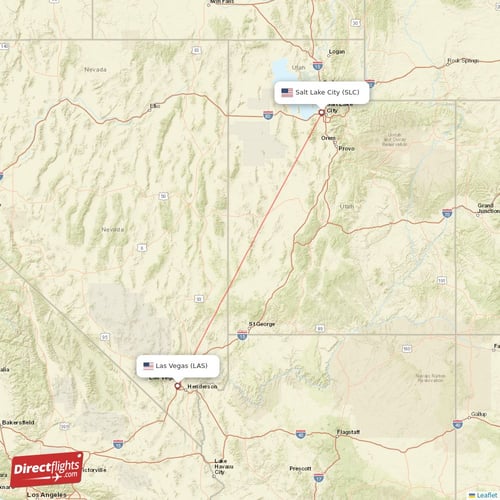
The Journey Unveiled: Distance, Drive Time, and Optimal Routes
The drive between Las Vegas and Salt Lake City is a quintessential American road trip experience, traversing vast desert landscapes, dramatic canyons, and striking geological formations. The primary mode of transport for many is by car, offering flexibility and the opportunity to discover hidden gems along the way.
Mapping the Core Route: Interstate 15
The most direct and widely used route connecting these two metropolitan areas is Interstate 15 (I-15). This major north-south artery slices through Nevada, a small corner of Arizona, and a significant portion of Utah, providing a relatively straightforward path. I-15 is well-maintained and offers a smooth driving experience, making it the preferred choice for efficiency. For those seeking alternative, more scenic, albeit longer, routes, there are options that veer off the main highway, leading through national parks and smaller towns, which will be explored later. However, for sheer practicality and speed, I-15 remains unparalleled.
Calculating the Mileage and Drive Duration
The approximate distance between Las Vegas and Salt Lake City via I-15 is around 420 miles (676 kilometers). Under ideal driving conditions, without significant stops or traffic delays, this journey typically takes approximately 6 to 7 hours. However, it is crucial to factor in breaks for fuel, food, and stretching, which can easily extend the total travel time to 8-9 hours. For many, breaking the trip with an overnight stay in a charming town along the route is an appealing option, transforming the drive into a more relaxed and enjoyable part of the vacation. The exact duration can also be influenced by the time of day, day of the week, and prevailing speed limits, which generally range from 65 to 80 mph (105 to 130 km/h) on various stretches of I-15.
Road Conditions and Seasonal Influences
The desert climate along much of the route means that road conditions are generally good, with dry weather predominating for most of the year. However, travelers should be mindful of seasonal variations. Summers can bring extreme heat, with temperatures often exceeding 100°F (38°C), necessitating a well-maintained vehicle and ample water supplies. Thunderstorms during the monsoon season (typically July and August) can lead to flash flooding in certain areas, particularly in southern Utah and Arizona. Conversely, winters, especially in the northern parts of Utah closer to Salt Lake City, can introduce snow and ice, potentially making driving conditions challenging and requiring chains or four-wheel drive for certain vehicles. Always check weather forecasts and road reports before embarking on your journey, especially during transitional seasons.
Beyond the Driver’s Seat: Exploring Alternative Travel Modes
While the road trip is a classic choice, not every traveler prefers or has access to a private vehicle. Fortunately, several other transportation options exist to bridge the gap between Las Vegas and Salt Lake City, catering to different budgets and preferences.
The Convenience of Air Travel
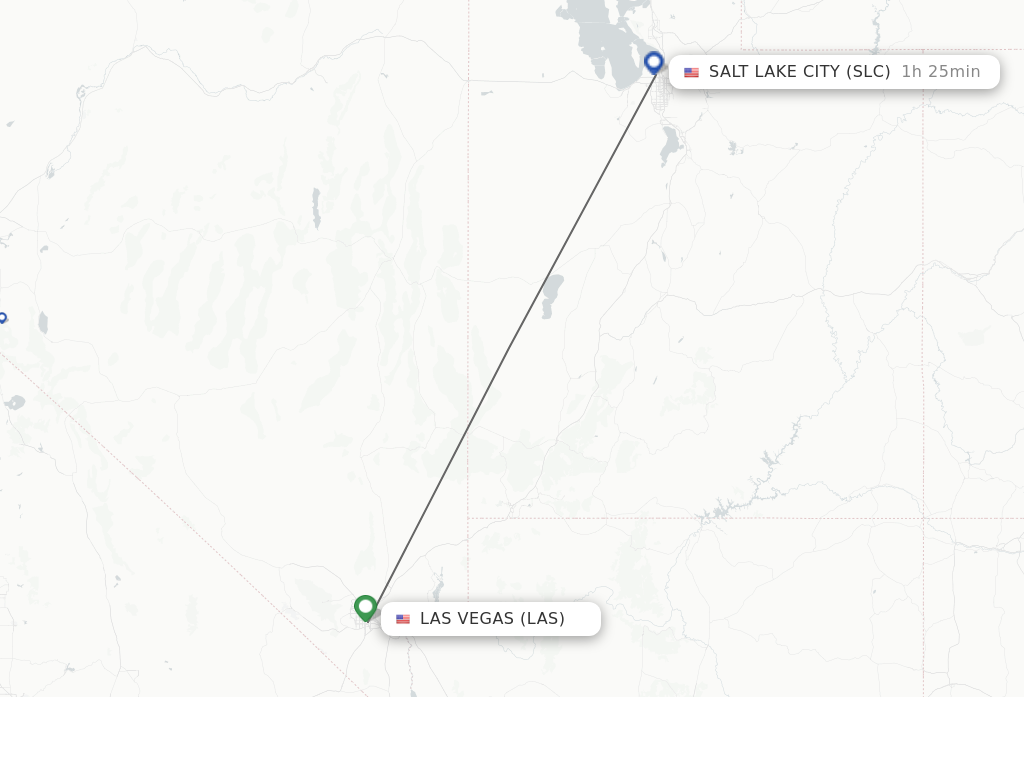
For those prioritizing speed and convenience, flying is undoubtedly the quickest way to travel. Non-stop flights between Harry Reid International Airport (formerly McCarran International Airport) in Las Vegas and Salt Lake City International Airport are regularly available from various airlines. The flight duration is typically around 1 hour and 15 minutes to 1 hour and 30 minutes. While the actual flight time is minimal, travelers must account for airport check-in, security procedures, and travel to and from the airports, which can add several hours to the total journey. Despite this, it remains the most efficient option for business travelers or those on tight schedules, often offering competitive fares when booked in advance.
Bus Services: A Budget-Friendly Option
Bus travel provides an economical alternative for traversing the distance. Companies like Greyhound offer daily services connecting Las Vegas and Salt Lake City. While significantly cheaper than flying and often more budget-friendly than driving (once fuel, wear-and-tear, and potential overnight stays are factored in), bus journeys are considerably longer. A typical bus trip can take anywhere from 9 to 12 hours, depending on the number of stops and transfers. This option is ideal for budget-conscious travelers who don’t mind a longer journey and prefer to sit back and let someone else handle the driving. Buses often offer amenities such as Wi-Fi and power outlets, making the extended travel time more manageable.
Rail Travel: An Alternative Perspective
Unlike many major city pairs in the United States, there is no direct passenger train service provided by Amtrak connecting Las Vegas and Salt Lake City. While Amtrak does operate extensive routes across the country, travelers would need to undertake a highly circuitous and time-consuming journey involving multiple transfers, rendering it impractical for this specific route. Therefore, for direct travel between these two cities, rail is not a viable option.
Planning Your Expedition: Essential Considerations for a Smooth Trip
Regardless of the chosen mode of transport, meticulous planning is key to a smooth and enjoyable journey from Las Vegas to Salt Lake City.
Best Times to Embark on Your Journey
The optimal time to travel largely depends on personal preferences and what you wish to experience. Spring (April-May) and Fall (September-October) are generally considered the best seasons for a road trip. During these months, temperatures are mild and pleasant, ideal for driving and exploring any stopovers. The natural landscapes, particularly in Utah’s national parks, are at their most vibrant, with wildflowers blooming in spring and stunning foliage in fall. Summer, while popular for vacations, brings intense heat to the desert regions, which can be taxing on both travelers and vehicles. Winter can be beautiful, especially with snow-capped mountains around Salt Lake City, but driving conditions can become challenging in Utah due to snow and ice.
Packing Essentials and Vehicle Preparation
For a road trip, a well-prepared vehicle is paramount. Ensure your car is in excellent condition: check tire pressure, fluid levels, and brakes. Pack an emergency kit including jumper cables, a first-aid kit, a flashlight, and basic tools. Given the long stretches of road through sparsely populated areas, especially in Nevada and Arizona, having extra water, snacks, and a full tank of gas before venturing out are critical. Cell phone service can be spotty in remote areas, so consider downloading offline maps. For personal items, pack layers of clothing to account for temperature fluctuations, sunglasses, sunscreen, and comfortable shoes for any walking or hiking. If flying or taking the bus, adhere to luggage restrictions and keep essential documents and valuables in your carry-on.
Budgeting for the Road and Beyond
Budgeting for this trip should encompass fuel costs, potential tolls (though rare on this specific I-15 stretch), food and beverage, and accommodation if planning an overnight stop. If flying, factor in airfare, airport transfers, and potentially car rental upon arrival. For bus travel, include the ticket price and any incidentals. Remember to allocate funds for attractions, activities, and dining in both Las Vegas and Salt Lake City, as costs can vary significantly depending on your preferences. Researching prices for hotels, restaurants, and entertainment in advance can help create a realistic budget and avoid unexpected expenses.
Enhancing the Voyage: Notable Stopovers and Scenic Detours
The journey between Las Vegas and Salt Lake City is much more than just a drive; it’s an opportunity to immerse yourself in some of America’s most breathtaking natural beauty and charming towns.
Natural Wonders and National Parks Along the Path
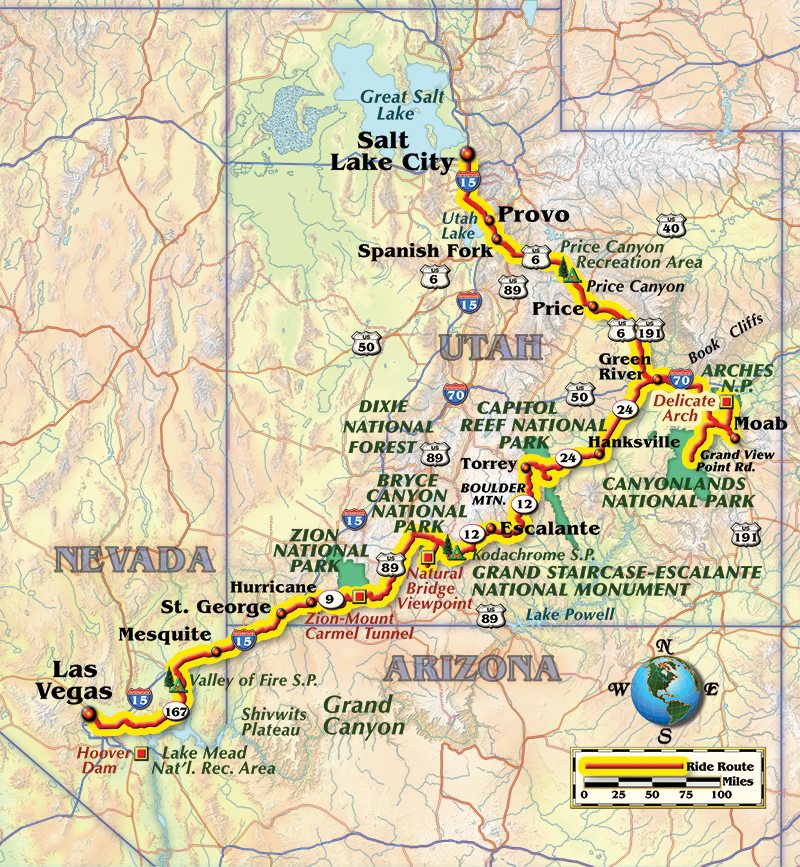
The route on or near I-15 offers unparalleled access to some of the most iconic natural landmarks in the Southwest. Just a short detour east of I-15 in Nevada lies Valley of Fire State Park, renowned for its vibrant red sandstone outcrops. Further along, as you enter Arizona, the magnificent Virgin River Gorge provides stunning scenery as I-15 carves its way through towering cliffs. The crown jewels of Utah’s national parks—Zion National Park and Bryce Canyon National Park—are both accessible via relatively short detours from I-15. Zion National Park is famous for its massive sandstone cliffs and narrow canyons, while Bryce Canyon National Park captivates with its unique amphitheaters filled with hoodoos. While further afield, the north rim of Grand Canyon National Park could also be a significant detour for those with more time. Consider extending your trip by a few days to fully experience these natural marvels.
Charming Towns and Cities for a Rest
Several towns along I-15 offer excellent opportunities for rest, refueling, and a taste of local culture. St. George, Utah, located just north of the Arizona border, is a popular stop with a warmer climate, beautiful red rock scenery, and a range of dining and lodging options. It also provides access to Snow Canyon State Park. Further north, Cedar City, Utah, is known for its annual Utah Shakespeare Festival and serves as a gateway to Kolob Canyons (part of Zion National Park). Even smaller towns like Mesquite, Nevada, offer casinos, golf courses, and a convenient place to break up the drive. Each town provides its unique flavor and an opportunity to stretch your legs and experience local hospitality.
Maximizing the Scenic Drive Experience
To truly maximize the scenic drive, consider taking a slightly longer route through some of Utah’s scenic byways once you’ve passed St. George. For example, after visiting Zion National Park, you could head north on US-89 to connect with Bryce Canyon before rejoining I-15 further north. This adds significant time but allows for an immersive experience in the region’s unparalleled natural beauty. Furthermore, an early morning start or a late afternoon drive can offer spectacular views of sunrises and sunsets painting the desert and mountain landscapes in dramatic hues, creating unforgettable photographic opportunities and memories.
A Tale of Two Cities: What Awaits Your Arrival
After the journey, whether by air, bus, or car, both Las Vegas and Salt Lake City greet visitors with distinct yet equally compelling experiences.
Las Vegas: The Dazzling Oasis
Arriving in Las Vegas is an entry into a world of unparalleled entertainment. Known globally as “The Entertainment Capital of the World,” Las Vegas offers a dizzying array of activities. The iconic Las Vegas Strip is lined with colossal themed resorts like the Bellagio, Caesars Palace, and The Venetian, each a destination in itself, featuring world-class dining, live shows, casinos, and luxury shopping. Beyond the neon, attractions like the Fremont Street Experience in downtown Las Vegas offer a different vibe, while the surrounding areas boast natural wonders such as Red Rock Canyon National Conservation Area and the engineering marvel of the Hoover Dam on Lake Mead. Whether you seek thrilling nightlife, exquisite culinary experiences, or adventurous outdoor excursions, Las Vegas delivers.
Salt Lake City: A Blend of Urbanity and Wilderness
Conversely, Salt Lake City presents a serene yet vibrant contrast. Nestled at the foot of the majestic Wasatch Mountains, Utah’s capital is renowned for its rich history, unique culture, and incredible access to outdoor recreation. Temple Square, the spiritual heart of the Church of Jesus Christ of Latter-day Saints, is a major draw, featuring the iconic Salt Lake Temple and beautiful gardens. The city also boasts a thriving arts scene, diverse culinary options, and a growing tech industry. Outdoor enthusiasts will find themselves in paradise, with world-class ski resorts like Park City, Snowbird, Alta, Brighton, and Solitude just a short drive away. The expansive Great Salt Lake offers unique recreational opportunities, while numerous hiking and biking trails are accessible within minutes of the downtown core. Salt Lake City seamlessly blends urban sophistication with the rugged beauty of the American West, providing a refreshing counterpoint to the glitz of Las Vegas.
Ultimately, the journey between Las Vegas and Salt Lake City is more than just covering a geographical distance. It’s an opportunity to experience the diverse tapestry of the American Southwest, from its glittering entertainment hubs to its awe-inspiring natural landscapes and rich cultural heritage. Careful planning and an adventurous spirit will ensure a memorable and rewarding trip.
LifeOutOfTheBox is a participant in the Amazon Services LLC Associates Program, an affiliate advertising program designed to provide a means for sites to earn advertising fees by advertising and linking to Amazon.com. Amazon, the Amazon logo, AmazonSupply, and the AmazonSupply logo are trademarks of Amazon.com, Inc. or its affiliates. As an Amazon Associate we earn affiliate commissions from qualifying purchases.